
After 'No Kings' Protests, Where Does Democratic Resistance Head?
The Rise of the "No Kings" Movement
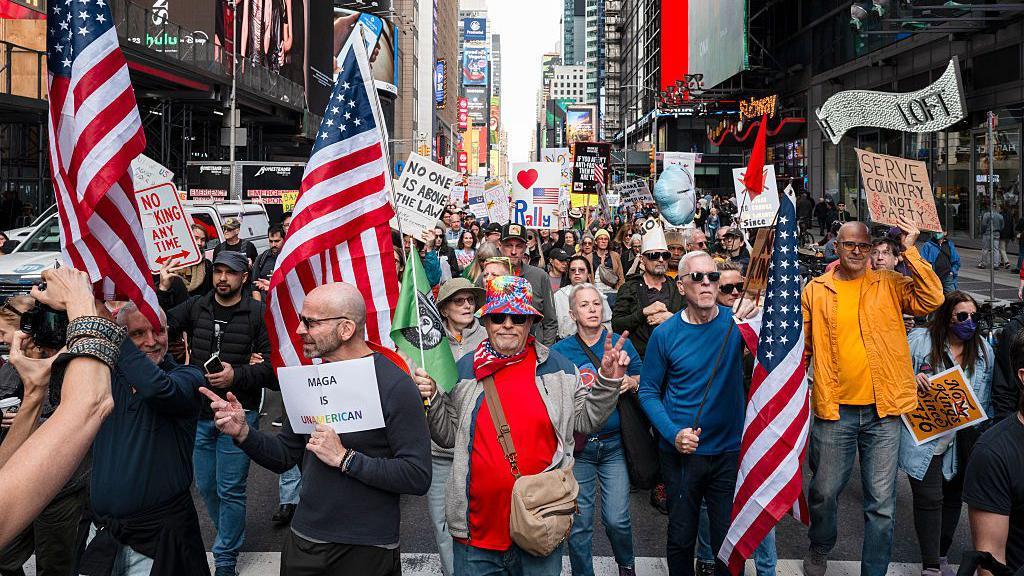
This weekend, millions of Americans gathered in cities across the United States to participate in the "No Kings" demonstrations. These protests were a powerful expression of dissent against President Donald Trump's policies and his perceived overreach of presidential authority. From major metropolitan areas like Chicago, New York, Washington, and Los Angeles to smaller towns across the country, the events brought together Democrats, liberals, and even some anti-Trump Republicans. This moment marked a rare instance where the American left, which has limited formal power in national politics, could unite and voice its concerns.
A Peaceful Outpouring of Dissent
Despite the massive scale of the rallies, the events remained largely peaceful. In New York City, there were no arrests related to the protests, and families and children participated in the Washington DC gathering. Senator Chris Murphy of Connecticut highlighted the significance of the day, stating that Americans were declaring their freedom and rejecting the idea of being ruled by an authoritarian figure. The peaceful nature of the demonstrations contrasted sharply with the warnings from Congressional Republicans, who labeled the marches as "anti-American" and put law enforcement and the National Guard on high alert.
The White House's Response
While the protests were peaceful, the White House responded with a dismissive attitude. Deputy press secretary Abigail Jackson reportedly said, "Who cares," when asked about the marches. Meanwhile, President Trump shared AI-generated videos on his Truth Social platform, featuring himself wearing a crown and engaging in seemingly absurd scenarios, such as flying a jet that dumped what appeared to be human waste on protesters. These actions underscored the administration's continued efforts to mock and undermine the opposition.
A Democratic Opportunity?
The turnout at the "No Kings" protests exceeded expectations, surpassing the first rally in June. This large-scale participation, combined with Trump's low approval ratings, presents a potential opportunity for the Democratic Party to rebound from last year's electoral losses. However, the party still faces significant challenges. Polls indicate that only a third of Americans view the Democrats favorably, the lowest level in decades. Additionally, the party is divided on how to effectively oppose Trump, especially since they no longer control either chamber of Congress.
Reasons for the Protests
The reasons behind the protests varied, but several common themes emerged. Many participants expressed frustration with Trump's aggressive immigration policies, tariff strategies, government cuts, foreign policy decisions, and the use of the National Guard in U.S. cities. His unconventional use of presidential power also drew criticism. Some protesters even directed their anger at Democratic leaders, feeling that the party was not doing enough to speak out against Trump's actions.
The Government Shutdown Dilemma
The ongoing government shutdown, now in its fourth week, has become a focal point for Democratic activism. The party has been reluctant to approve a short-term spending extension without a bipartisan agreement to address health-insurance subsidies for low-income Americans. While Senate rules give Democrats some leverage despite being in the minority, the public appears to be assigning blame for the impasse to Trump and the Republican majority.
However, this strategy carries risks. As the shutdown continues, federal workers are facing financial hardship, and funding for low-income food support is expected to run out. The judicial system is also scaling back operations, and the Trump administration is using the shutdown to implement further cuts to the federal workforce and suspend domestic spending, targeting Democratic states and cities.
Navigating the Political Landscape
Democratic leaders, including Senator Tim Kaine of Virginia, have emphasized the need for a deal that is binding and cannot be easily undone. "We are trying to get an agreement that a deal is a deal," Kaine stated. The possibility of the government shutdown continuing into early November, just before some states hold elections, adds another layer of complexity. These elections, including those for governor and state legislatures, could serve as a barometer for whether the anti-Trump sentiment seen at the "No Kings" protests translates into electoral success for Democrats.
A Test for the Democratic Party
The upcoming elections will be a test of whether antipathy toward Trump is enough to mobilize left-wing voters to support Democratic candidates. However, these elections are just the beginning. The midterms next year will determine which party controls both chambers of Congress, potentially providing Democrats with a real check on Trump's power during the remaining two years of his presidency.
Unity and Division Within the Party
The priority at the "No Kings" protests was to unite around a "Stop Trump" message. However, less attention was given to what the Democrats could do once they regain power. There are signs of internal divisions within the party. For example, former Vice-President Kamala Harris's book tour has faced interruptions from pro-Palestinian protestors, and centrist proposals to focus on economic issues over social policies have drawn criticism from the left. Primary battles in states like Maine, Massachusetts, California, and Michigan could further expose these fractures, making it clear that marches alone may not be sufficient to heal the party's wounds.

Post a Comment for "After 'No Kings' Protests, Where Does Democratic Resistance Head?"
Post a Comment