
Anti-Science Bills Pushed by Kennedy Allies Threaten Health Protections
More than 420 anti-science bills have been introduced in state legislatures across the United States this year, targeting long-standing public health protections such as vaccines, milk safety, and fluoride. These bills are part of a coordinated political effort to promote conspiracy theory-driven policies that challenge established scientific consensus. An Associated Press investigation revealed that these legislative efforts are widespread, with many states seeing significant activity. Around 30 bills have already been passed or adopted in 12 states.
The push for these laws is being driven by individuals with close ties to Health and Human Services Secretary Robert F. Kennedy Jr. This campaign seeks to dismantle public health measures that have protected Americans for over a century. The Trump administration has also played a role in directing activists to push anti-science legislation at the state level, aiming to influence national policies and public opinion.
Kennedy’s Make America Healthy Again agenda promotes ideas that mask anti-science beliefs under the guise of health freedom. It emphasizes making food more natural and reducing chemical exposure, while simultaneously undermining critical public health initiatives like vaccination programs. As a result, vaccination rates have declined, leading to a resurgence of preventable diseases such as measles and whooping cough.
Kennedy’s allies deny that their agenda is anti-science or based on conspiracy theories, but experts warn that the normalization of such ideas poses serious risks. Devin Burghart, president of the Institute for Research and Education on Human Rights, stated, “The march of conspiracy thinking from the margins to the mainstream now guiding public policy should be a wake-up call for all Americans.”
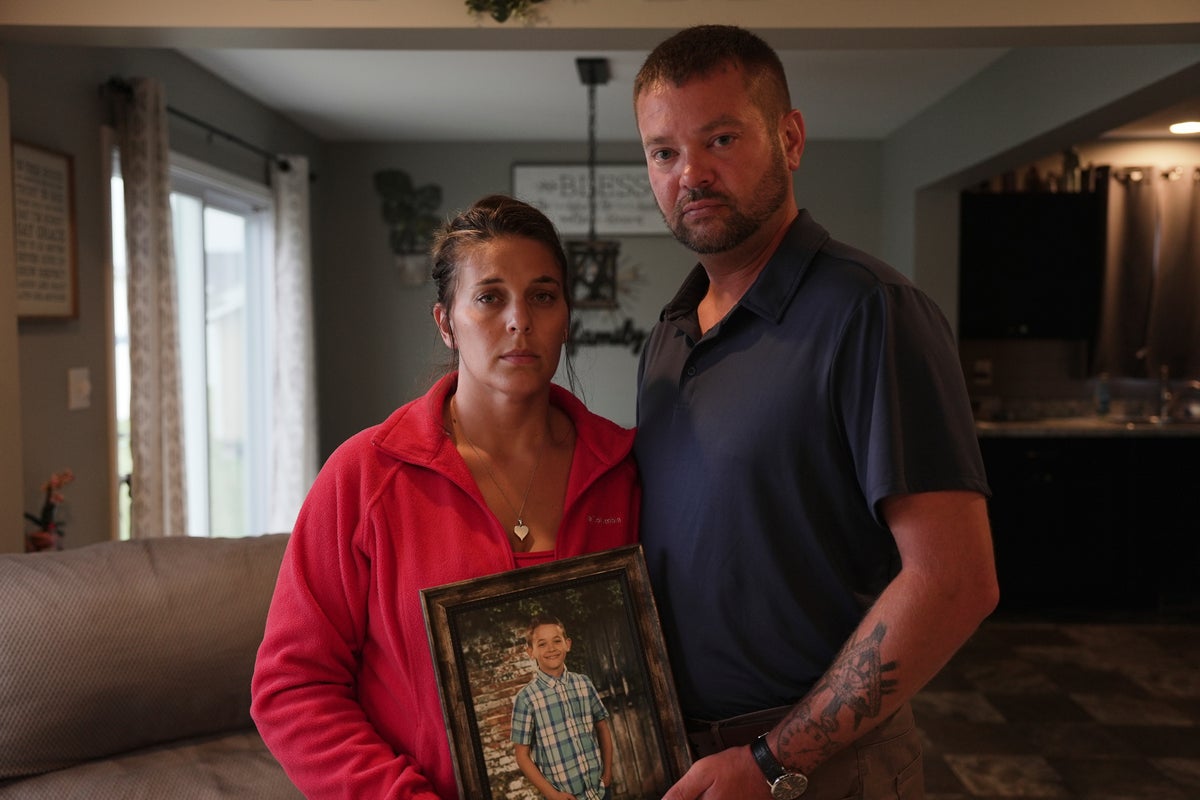
Ashlee and Erik Dahlberg of Lowell, Indiana, lost their 8-year-old son, Liam, to a vaccine-preventable disease in April. Liam had severe asthma and allergies, and despite being vaccinated against Hib, he died from complications. His case highlights the dangers of low immunization rates in communities where some people choose not to vaccinate. State data shows that one in five kindergartners in their county does not meet vaccination requirements.
Liam’s death has left the family devastated. Ashlee carries his ashes on family trips to ensure he is never forgotten. She urges parents to consider the broader impact of their decisions, emphasizing that vaccination is a shared responsibility.
Hundreds of anti-vaccine bills
The Dahlbergs are part of a growing movement fighting against anti-science rhetoric that promotes "health freedom" while opposing proven public health measures. Experts highlight the success of global vaccine efforts, which have saved over 150 million lives since 1974. Community water fluoridation has significantly reduced cavities since 1945, and milk pasteurization has prevented millions of foodborne illnesses.
Despite these achievements, activists continue to spread false claims, including the idea that vaccines harm or kill large numbers of people, that fluoride is used to poison the population, or that pasteurization makes milk less nutritious.
In its analysis, AP focused on three key public health policies targeted by the Make America Healthy Again movement: vaccines, fluoride, and milk pasteurization. The investigation found that 350 anti-vaccine bills were introduced, many of which aimed to weaken vaccination mandates or create legal barriers to vaccination. Other bills sought to ban fluoride in drinking water or expand access to raw milk.
Most of these bills were supported by four national groups connected to Kennedy: MAHA Action, Stand for Health Freedom, the National Vaccine Information Center, and the Weston A. Price Foundation. These groups have also opposed science-driven legislation, such as bills to tighten rabies vaccine requirements for pets.
Other anti-science bills
Anti-science ideas often start with legitimate concerns about nutrition or health, but they can quickly lead to exposure to conspiracy theories. For example, some groups argue that water should hydrate, not medicate, and promote the idea that raw milk is healthier than pasteurized milk. However, experts warn that raw milk can cause serious illness, as seen in a recent outbreak in Florida.
Fluoride remains a contentious issue, with some states banning it in public drinking water. Experts stress that fluoride prevents tooth decay and offers additional health benefits. Meanwhile, some anti-science groups continue to push for the removal of fluoride from water systems, claiming it is harmful.
These efforts reflect a broader trend of misinformation spreading through social media, phone campaigns, and legislative lobbying. Activists use various tactics to influence lawmakers, including organizing Zoom calls, sending alerts, and testifying in statehouses.
The cost
Lawmakers who support science-based policies argue that the focus should be on the public good rather than individual choices. Rep. Andy Vargas of Massachusetts has sponsored legislation to eliminate religious exemptions for childhood vaccines, highlighting the importance of herd immunity. In Indiana, Rep. Maureen Bauer emphasized that personal decisions can impact others’ freedom, particularly when unvaccinated individuals pose a risk to vulnerable populations.
For families like the Dahlbergs, the cost of anti-science policies is deeply personal. They have taken steps to protect their surviving children, including ensuring their school environment is safe and requiring vaccinations for their daughter. Despite the challenges, they remain committed to advocating for stronger public health protections.

Post a Comment for "Anti-Science Bills Pushed by Kennedy Allies Threaten Health Protections"
Post a Comment