
At Least 50 Dead as Hurricane Melissa Ravages Caribbean; Bermuda Prepares for Storm
Overview of Hurricane Melissa's Impact on the Caribbean
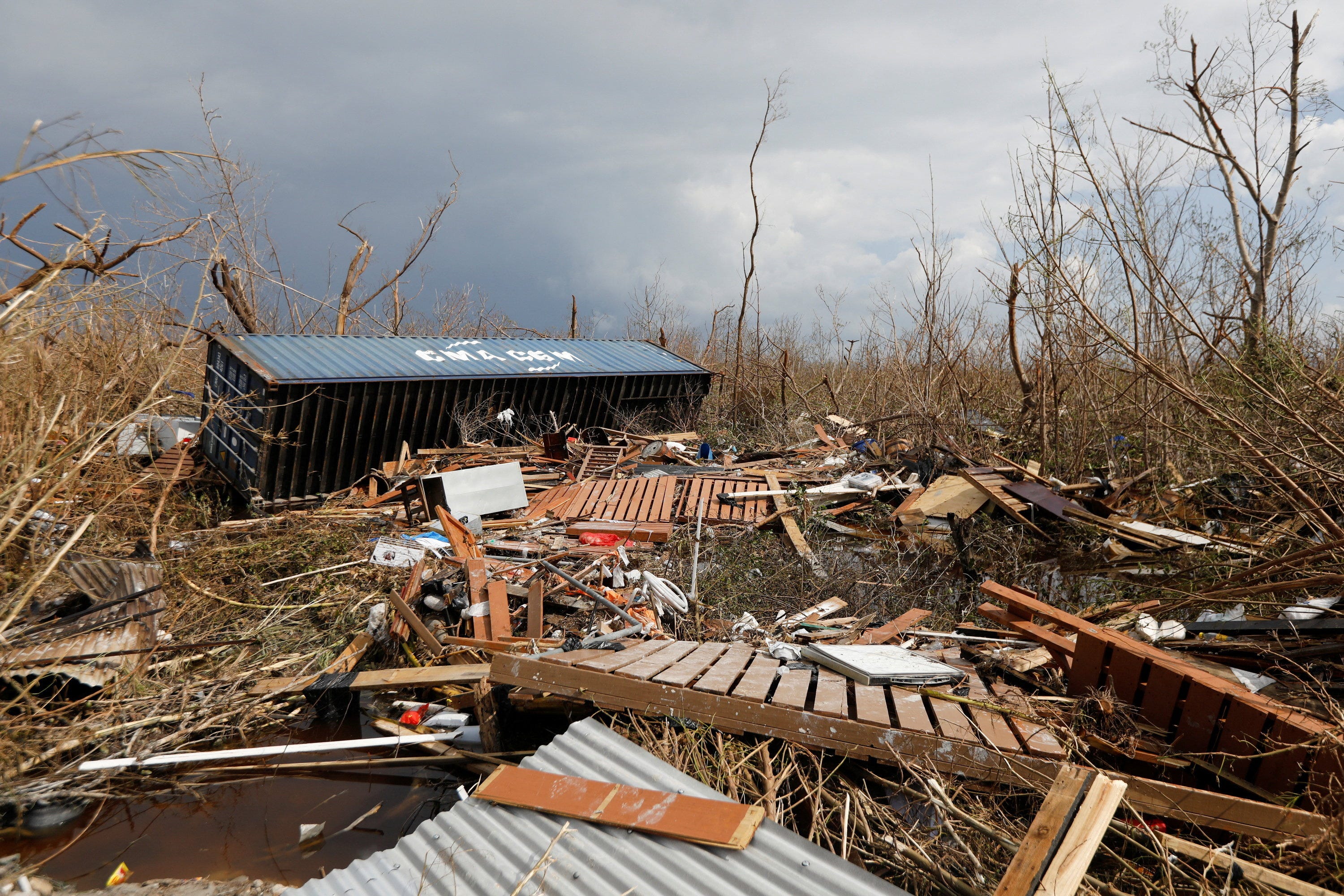
Hurricane Melissa has left a trail of destruction across the Caribbean, with search and rescue operations ongoing in several regions. The storm, which made landfall in Jamaica as a Category 5 hurricane, has resulted in dozens of fatalities and significant damage to infrastructure. Countries like Jamaica, Cuba, and Haiti have been hit particularly hard, with severe flooding, damaged homes, and blocked roads complicating recovery efforts.
Devastation in Jamaica, Cuba, and Haiti
Jamaica, one of the hardest-hit areas, has seen over 50 deaths attributed to the storm. Rescue and recovery operations are facing challenges due to power outages, communication failures, and blocked roads. The Jamaican Minister of Education, Skills, Youth, and Information, Dana Dixon, emphasized the resilience of the country while acknowledging the extensive damage. Similarly, in Haiti, at least 30 people were killed, and 20 more were reported missing. The coastal town of Petit-Goâve suffered from severe flooding, with 23 lives lost, including 10 children.
In the Dominican Republic, at least two deaths were reported, with one person dying before the storm made landfall. Cuba, although not reporting any deaths as of Thursday, experienced severe damage, with over 200 communities cut off by flooding and landslides. Authorities are still assessing the full extent of the damage and potential casualties.
Power Outages and Infrastructure Damage
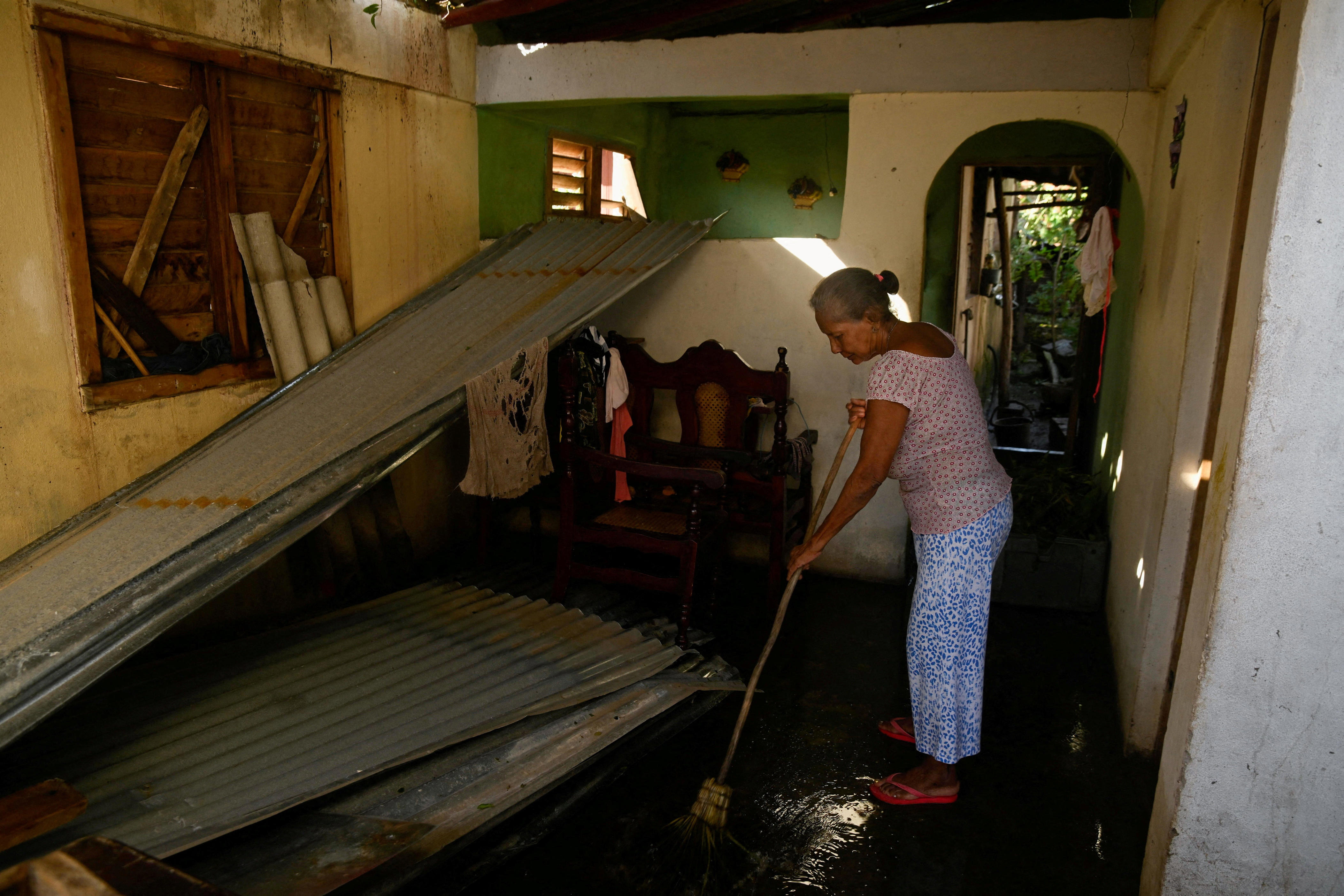
Power outages have affected over 70% of electrical customers in Jamaica, with many schools and hospitals without power or water. Aerial footage showed downed power lines and over 130 roads blocked by trees and debris. Members of the Jamaica Defence Force have been working to clear roadways, allowing emergency vehicles to access affected areas. In Montego Bay, residents like Alfred Hines described their narrow escapes from rising floodwaters, highlighting the personal toll of the disaster.
Search and rescue teams from the United States are heading to Jamaica to assist in recovery efforts. Secretary of State Marco Rubio pledged immediate humanitarian aid to Cuba, emphasizing the U.S. commitment to supporting those affected.
Relief Efforts and Access Challenges
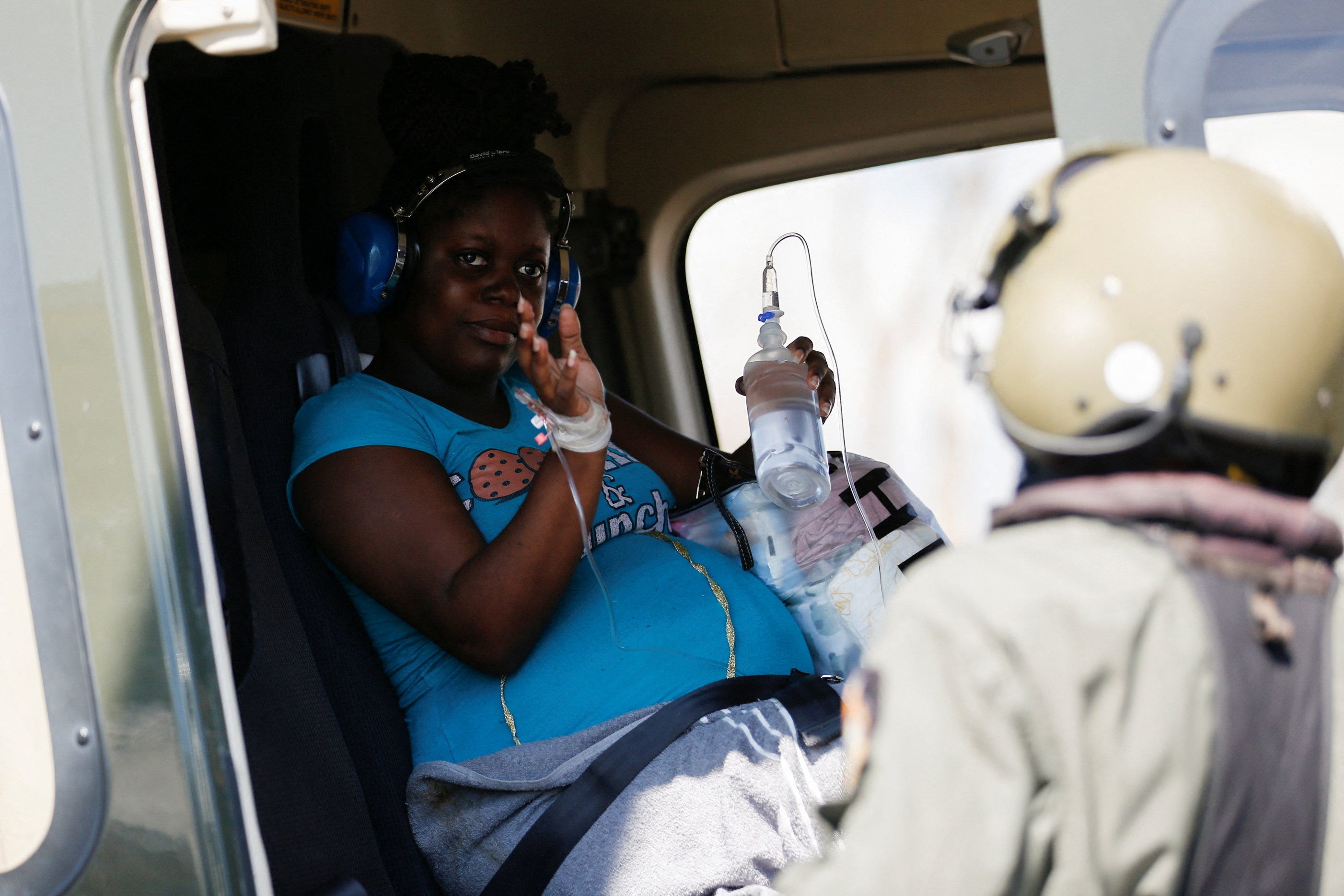
Jamaican officials are using helicopters to deliver relief supplies and transfer patients to other hospitals. However, in some locations, helicopters have struggled to find clear landing spots. Crews are also using machetes to clear bamboo plants blocking roads, underscoring the difficulty of accessing remote areas. Residents face anxiety and uncertainty, with many unable to contact family members in flooded areas. Some airports have reopened for relief flights, offering hope for improved access.
Bermuda Prepares for Storm Impact
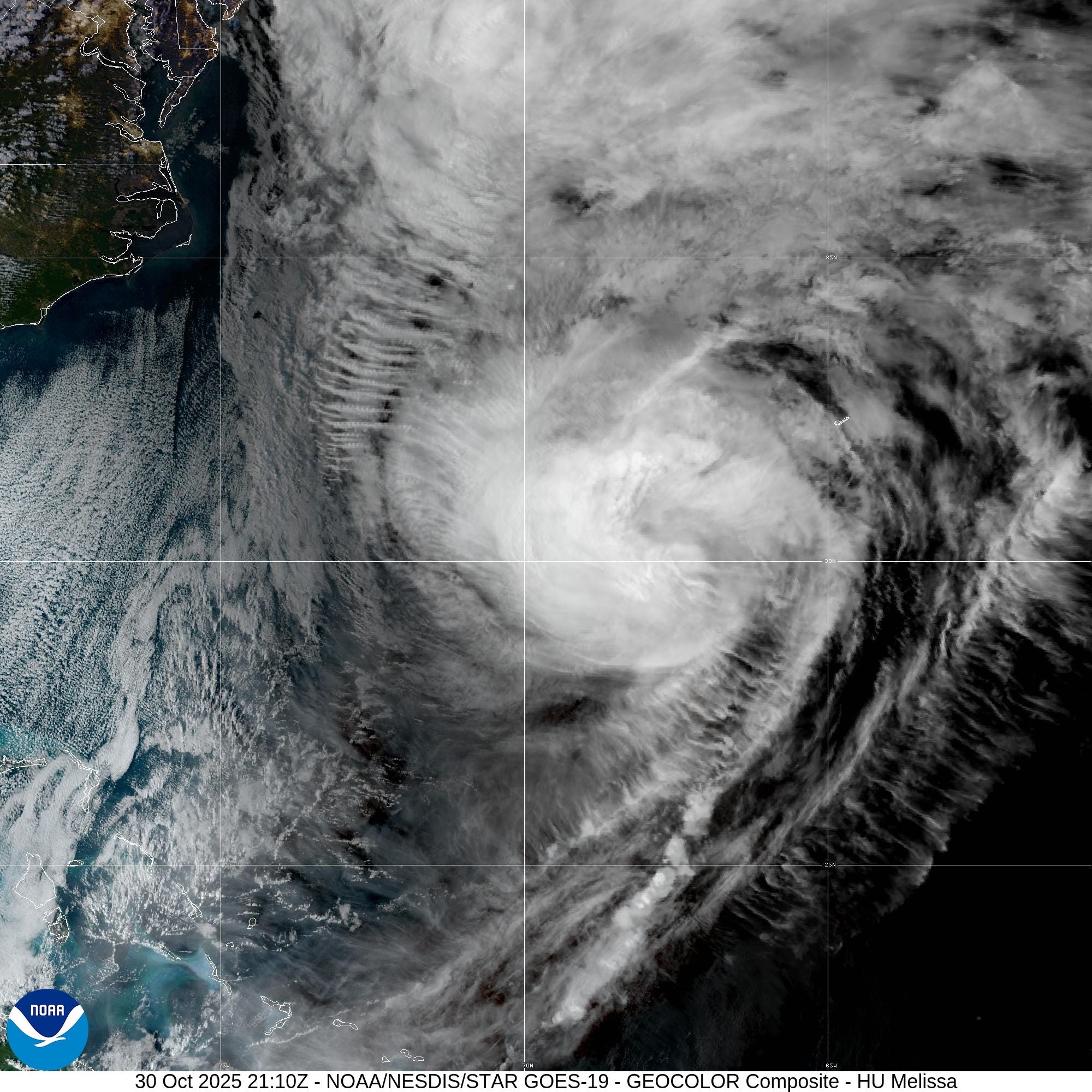
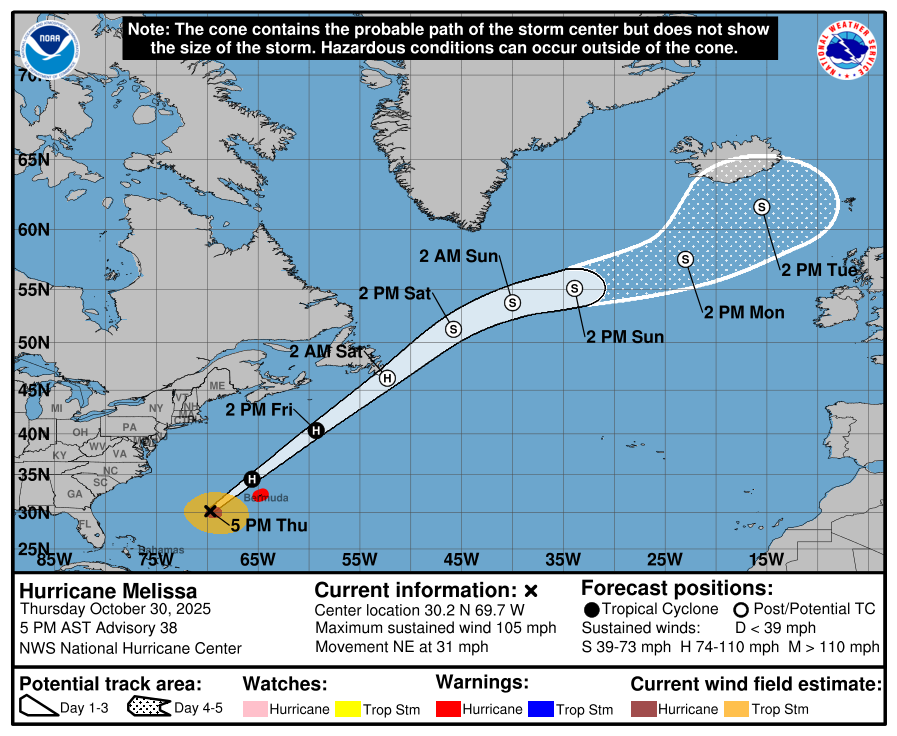
Bermuda is preparing for Hurricane Melissa’s approach, with conditions expected to rapidly deteriorate through the evening on Thursday. Strong winds, hazardous seas, and dangerous rip currents are anticipated. A hurricane warning is in effect, urging residents to complete preparations before tropical storm-force winds arrive. Schools and ferries will be closed on Friday, and the causeway will be shut down overnight.
The Bermuda Tourism Authority emphasized the country’s track record of hurricane resilience and advised tourists to follow official updates. Premier David Burt pledged support for Jamaica, highlighting the shared resilience of both nations.
Potential Impact on Canada and the U.S. East Coast
After passing Bermuda, Melissa is expected to continue northeast, potentially grazing Newfoundland as an extratropical storm. While impacts would likely be minor to moderate, there is concern if the storm tracks closer to Atlantic Canada. On the U.S. East Coast, ocean swells generated by Melissa could lead to life-threatening surf and rip current conditions, according to the National Hurricane Center.
Climate Change and Rapid Intensification
Scientists have linked Melissa’s rapid intensification to climate change, noting that warmer ocean waters provide more fuel for hurricanes. This trend is supported by recent studies showing that the world’s most intense hurricanes are becoming even more powerful due to rising temperatures. Meteorologist Jeff Masters highlighted that increased heat in the ocean increases the odds of rapid intensification, leading to more frequent and intense storms.
Stranded Tourists and Humanitarian Aid
American tourist Jen Eley, stranded in Jamaica after the storm, described her experience during the hurricane, including strong winds and the sound of the storm lasting all night. With spotty cell service and internet access, she remains uncertain about when she will return to the U.S.
The U.S. State Department has issued a declaration of humanitarian need for Cuba, despite the longstanding economic embargo. Exemptions allow for private donations of food, medicine, and other supplies, with contact information provided for those wishing to help.
Historical Context of U.S.-Cuba Aid Relations
The strained relationship between the U.S. and Cuba has influenced past aid responses. For example, the Bush administration declined Cuba’s offer of doctors after Hurricane Katrina, while the Obama administration accepted aid after Hurricane Ian. These historical precedents highlight the complex dynamics of international aid in times of crisis.
How You Can Help
Humanitarian organizations such as the American Red Cross, CARE, and Global Giving are mobilizing to provide immediate relief and long-term recovery support. Donations can be made through official channels, including the Support Jamaica website. Officials have warned against fraudulent individuals collecting money, emphasizing that only .gov.jm sites are official government resources.

Post a Comment for "At Least 50 Dead as Hurricane Melissa Ravages Caribbean; Bermuda Prepares for Storm"
Post a Comment