
Can you call the White House? Thank technology. | Opinion
The Evolution of Technology at the White House
Technology has played a significant role in shaping the operations and daily life at the White House. From electricity and plumbing to telephones and computers, the Executive Mansion has been a hub for innovation throughout its history. These advancements have not only improved the functionality of the White House but also set the stage for how Americans interact with technology today.
Electricity: A Lighting Revolution
Electricity was one of the first major technological innovations to make its way into the White House. In 1891, electric lighting was installed, marking a significant shift from gaslight. This change was not just about illumination; it also sparked public interest and skepticism. The White House became a symbol of progress, helping to sway public opinion toward the adoption of electrical systems across the nation.
By the time Theodore Roosevelt took office in 1901, electricity had become more accepted. After a 1902 renovation, only the service areas retained gaslight fixtures. By the 1920s, electric vacuum cleaners and refrigerators were part of the White House's modernization efforts.
Plumbing: A Quiet Transformation
Plumbing systems in the White House evolved gradually over time. In the early 1800s, President Thomas Jefferson introduced an attic cistern to distribute water through wooden pipes. By 1853, central plumbing with hot and cold taps was installed on the second floor. The addition of a 2,000-gallon tank in the attic by 1876 marked another step forward in the White House’s infrastructure.
Telephones: Connecting the Nation
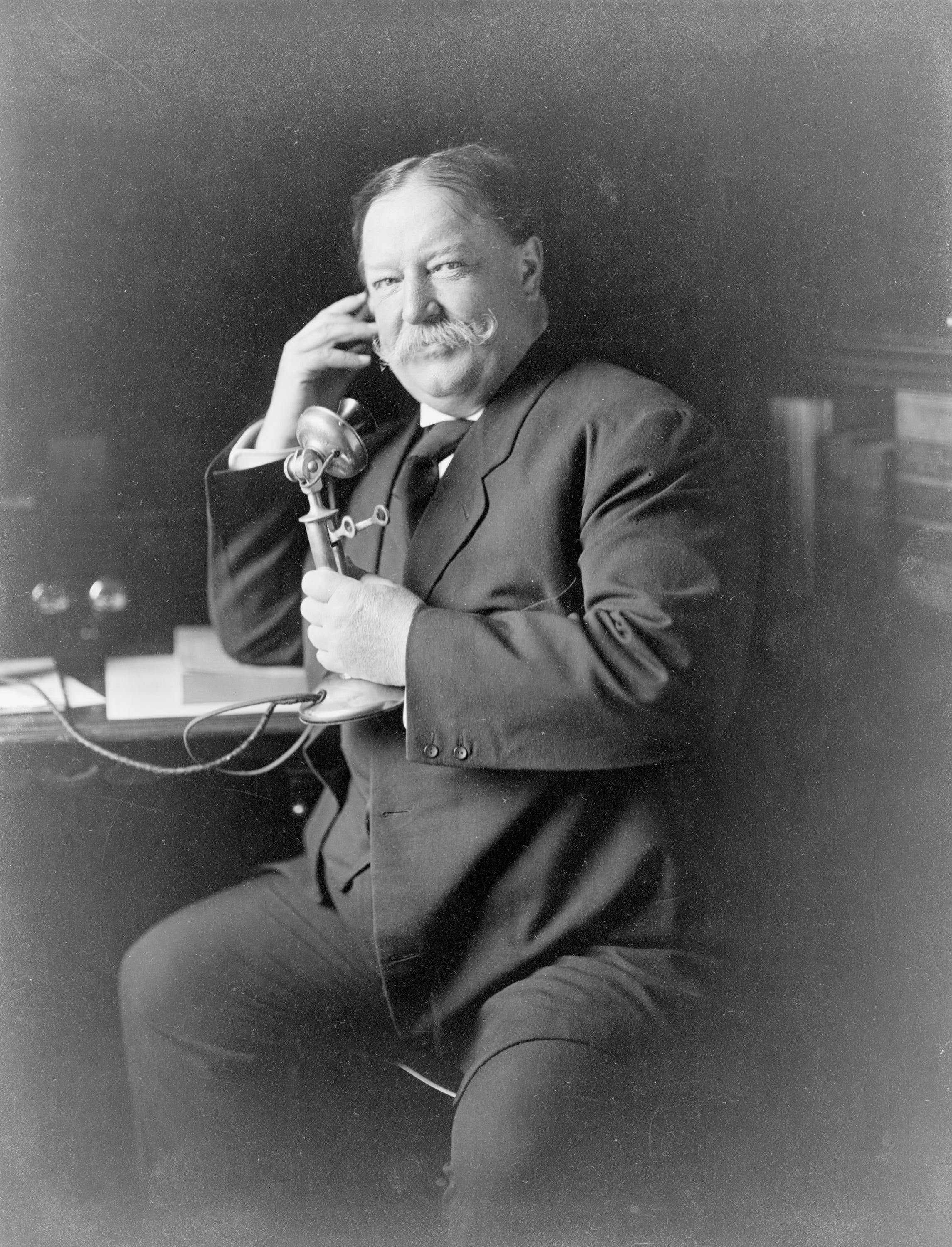
The introduction of the telephone at the White House began with President Rutherford Hayes in 1879. However, Hayes rarely used it, as there were few people to call. By the turn of the century, the number of phones nationwide grew rapidly, reaching nearly 6 million by 1910.
In 1915, President Woodrow Wilson made history by participating in the first transcontinental telephone call, connecting with Alexander Graham Bell and others across the country. This event highlighted the growing importance of communication technology in American society.
As the White House continued to embrace innovation, the need for efficient communication became evident. By 1929, President Herbert Hoover had a permanent phone on his desk, allowing him to make calls without leaving his office. The White House switchboard operators became famous for their ability to connect the president to anyone, anywhere.
President Richard Nixon famously referred to his 1969 conversation with the first astronauts on the moon as "the most historic telephone call ever made from the White House."
Radio and Television: Expanding Communication
Radio and television also played crucial roles in the White House's evolution. President Franklin D. Roosevelt's Fireside Chats, broadcast from the Diplomatic Reception Room, helped establish a direct line of communication between the president and the American public. These talks, which spanned from 1933 to 1944, showcased the power of mass media in shaping public opinion.
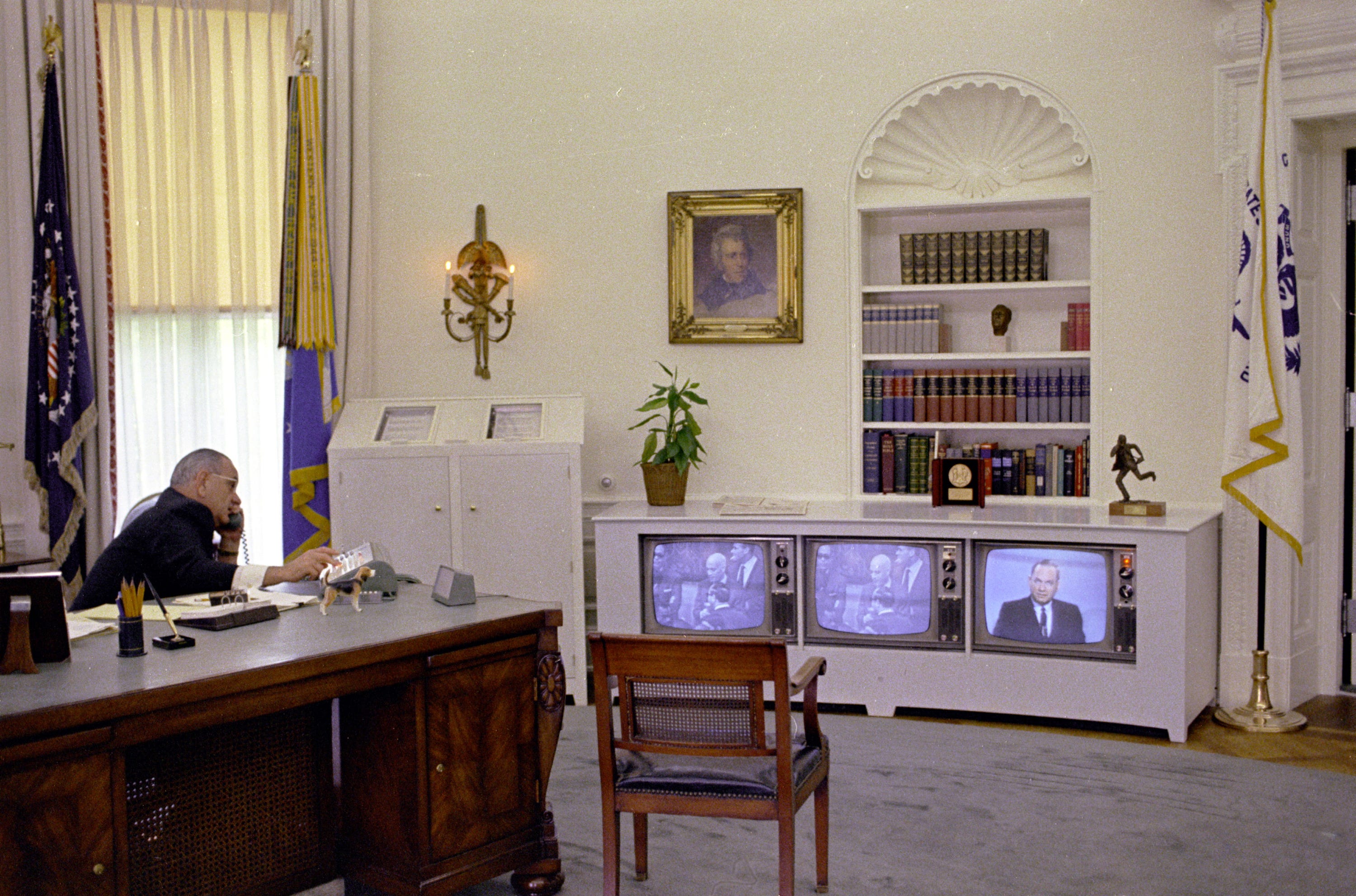
In the 1950s, the number of American households with television sets soared from 9% to nearly 90%. President Lyndon Johnson was the first to fully embrace television as a tool for speaking to the public and monitoring news. He even had a three-television unit installed in the Oval Office.
Computers and Digital Innovation
Computers became essential tools in the White House during the late 20th century. President Jimmy Carter, a nuclear engineer by training, and his staff welcomed computers for managing paperwork and information. Near the end of his term, a water-cooled IBM laser printer was installed, measuring 8'x10'x3'.
Over the years, the White House adopted various technologies, including fax machines and email, which are now taken for granted by many Americans.
The Broader Impact of Innovation
Innovation does not always require advanced technology. At its core, technology is the application of scientific knowledge for practical purposes. From running water in 1833 to secure smartphones today, the White House has continuously sought ways to improve living and working conditions while showcasing the best that inventors and engineers bring to American life.
Stewart D. McLaurin, president of the White House Historical Association, highlights the ongoing legacy of these innovations. Through educational programs and immersive experiences, the association continues to share the story of the White House's technological evolution.

Post a Comment for "Can you call the White House? Thank technology. | Opinion"
Post a Comment