
Discover the Fish and Freshwater Life of the Savannah River
The Savannah River: A Diverse Ecosystem
The Savannah River stretches 301 miles along the border of South Carolina and Georgia. It begins at Lake Hartwell in the north and ends as an estuary that empties into the Atlantic Ocean south of Savannah, Georgia. Along its route, the river flows through various climates, providing distinct habitats in the river’s upper, middle, and lower/estuary sections. These changing conditions mean diverse fish and wildlife call the Savannah River home.
Here are some of the critters you can find:
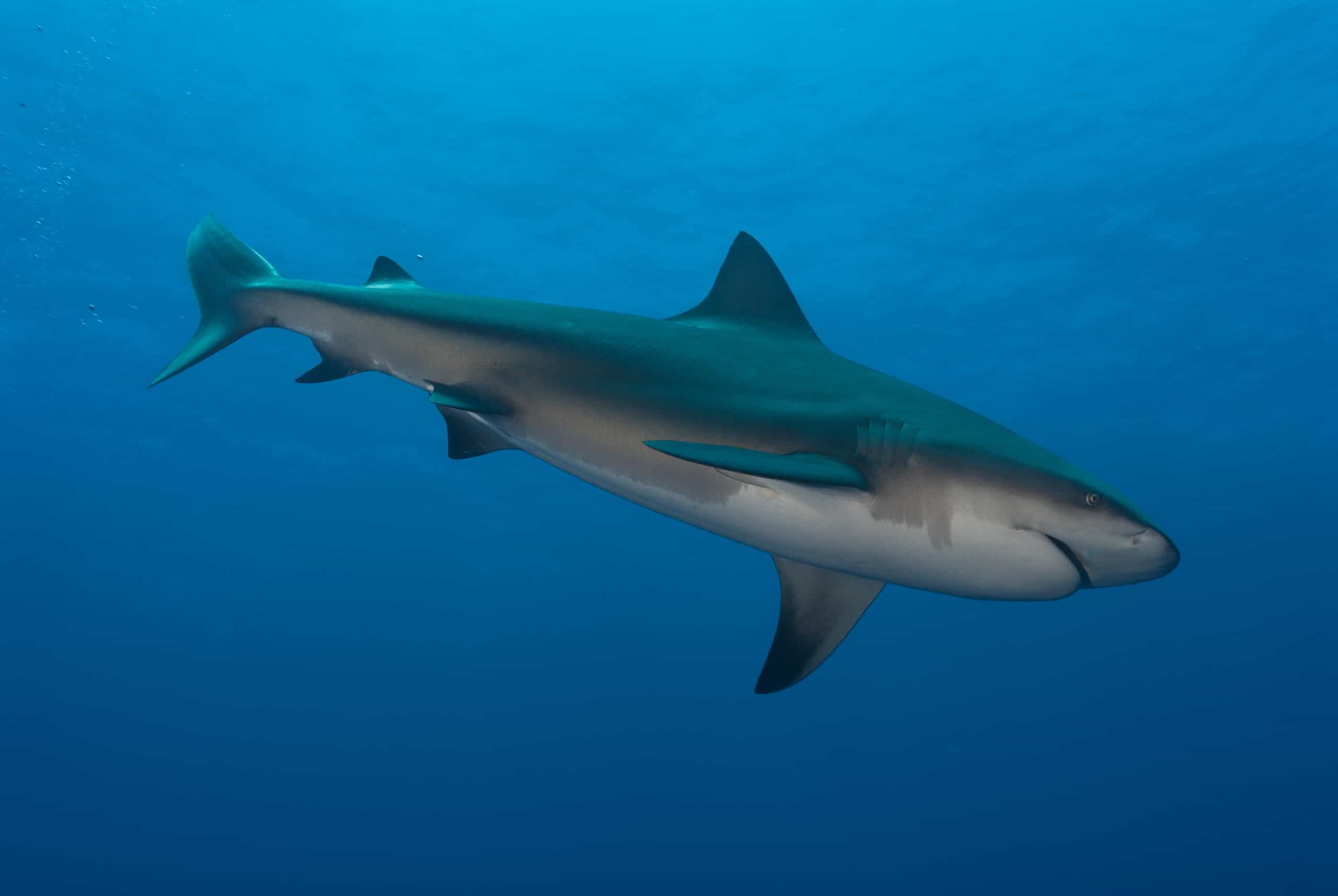
Bull Shark
Bull sharks can regulate their salt levels using their kidneys and specialized salt-excreting glands near their tails, allowing them to live in both salt and fresh water. These predators have been spotted on the Savannah River as far north as Augusta. Weighing between 200 and 500 pounds and growing up to 12 feet long, these apex predators are hard to miss. They are opportunistic feeders and eat other fish, smaller sharks, sea turtles, dolphins, and land animals that venture into the water along the shoreline.
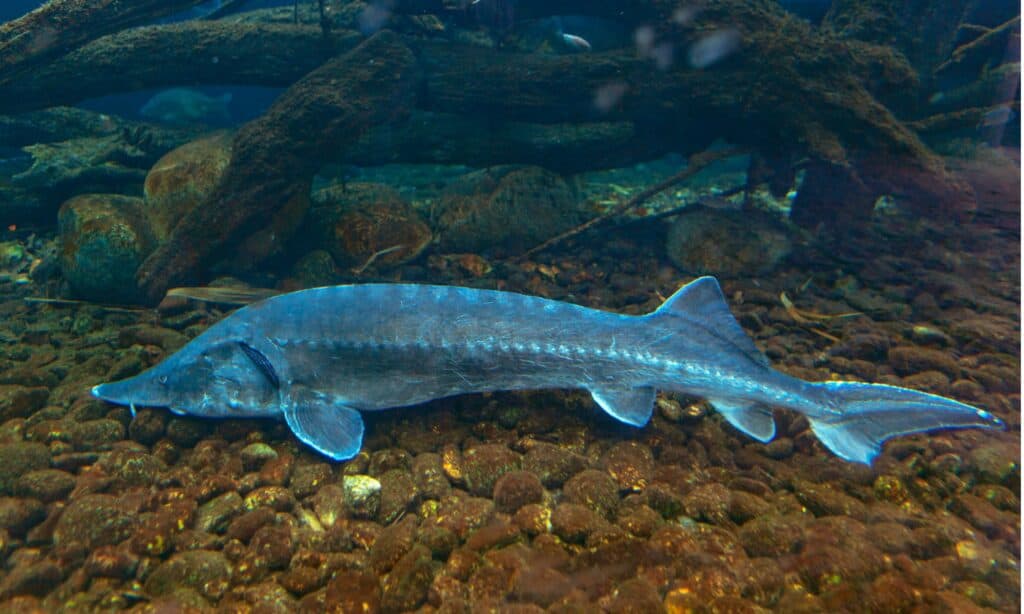
Atlantic Sturgeon
Atlantic sturgeon are a federally endangered species, threatened by overfishing, blocked access to spawning grounds, and even boat strikes. The Savannah River is home to one of the region’s biggest Atlantic sturgeon populations. The sturgeon come from the Atlantic Ocean to spawn and hatch on the river’s rocky shoals. They feed on a diet of bottom-dwelling creatures like shrimp and crabs, using their long whiskers to find prey, then sucking it up with their toothless mouths.
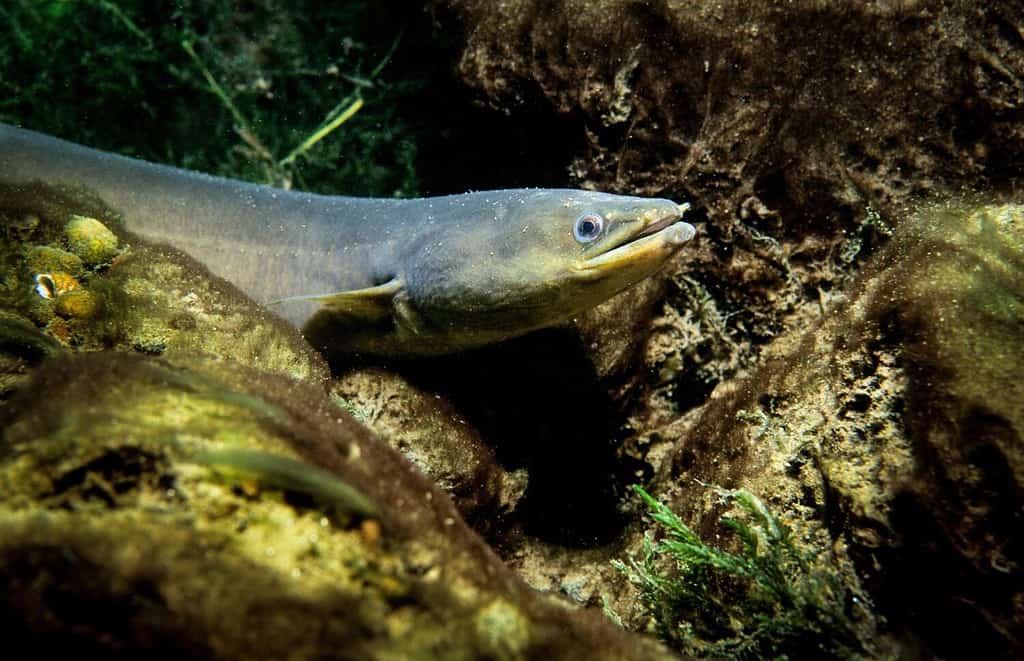
American Eel
American eels spend most of their life in freshwater, heading to the ocean only to spawn. Despite their snake-like appearance, eels are actually fish with small fins. They’re active at night, hunting for fish, crustaceans, worms, and aquatic insects. During the day, they hide under rocks or bury themselves in sediment to avoid predators. American eels can grow as large as five feet long, but most are smaller. On average, females reach two to 3.5 feet long, and males are between 1.5 and two feet long.
Chain Pickerel
Chain pickerel are a schooling fish found most often in the middle and lower sections of the Savannah River. Typically weighing between one and three pounds, the Savannah River record is four pounds, 12 ounces. Adult chain pickerel grow to between 11 and 24 inches. They are predator hunters, hanging out in slow-moving water, then using their razor-sharp teeth and camouflaged pattern to ambush prey, like smaller fish, crustaceans, frogs, and snakes. Adult pickerel will eat small mammals, if available.

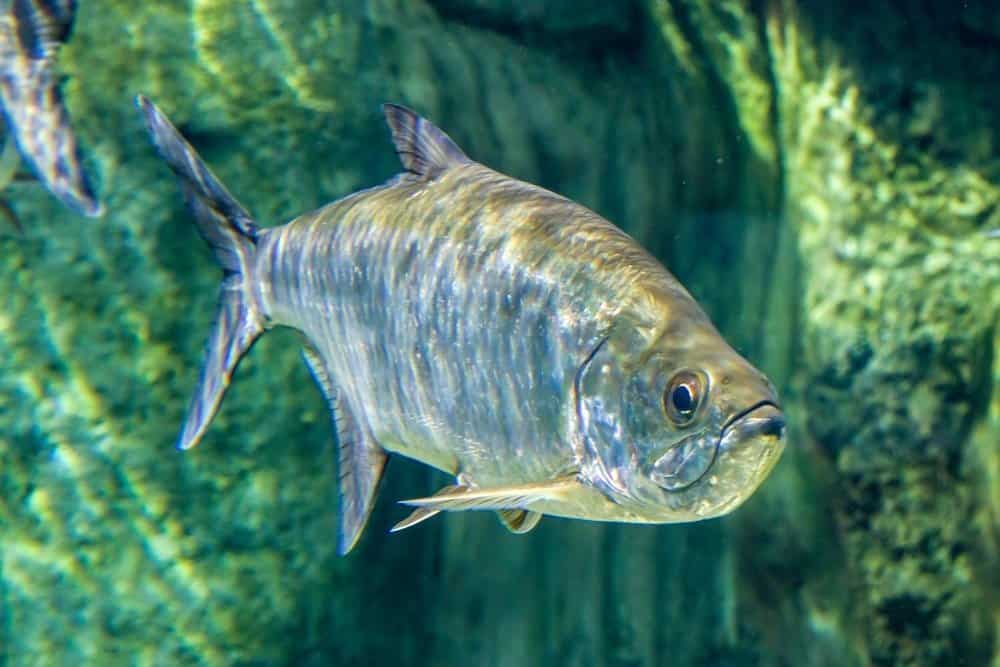
Tarpon
Tarpon visit the Savannah River during their annual northerly migration. They come to feed on the baitfish inhabiting the lower river and estuary. The peak tarpon season is June through September. The average adult tarpon weighs between 40 and 60 pounds, is 40 to 60 inches long, and lives up to 50 years. They are distinguished by their shiny silver color, large eyes, and protruding lower jaw. Other fish are their main food source, but juvenile tarpon will also feed on crabs, small shrimp, and even insects.
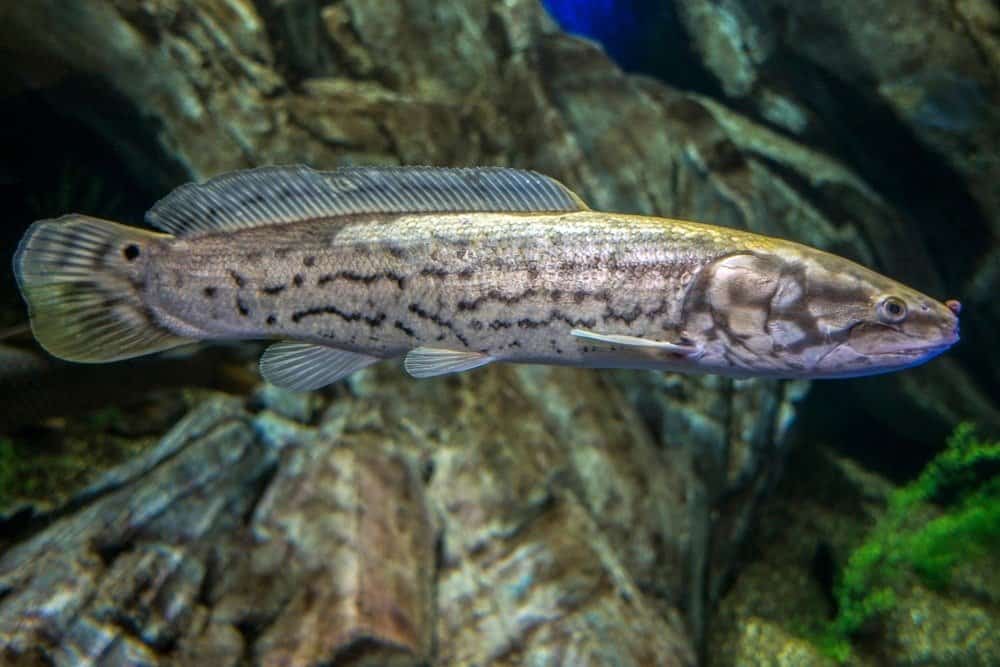
Bowfin
The bowfin is the last surviving species of Amiiformes, a once-plentiful group of marine and freshwater fish that thrived over 180 million years ago, during the Mesozoic Era. One reason for its survival is its ability to thrive in poor-quality water. You’ll often find bowfin in swamps, slow-moving rivers, and backwaters. The average adult bowfin is 1.5 to 2 feet long and weighs two pounds. Bowfin are commonly caught in the river, but many have high levels of mercury and selenium making them unsuitable to eat.
Catfish
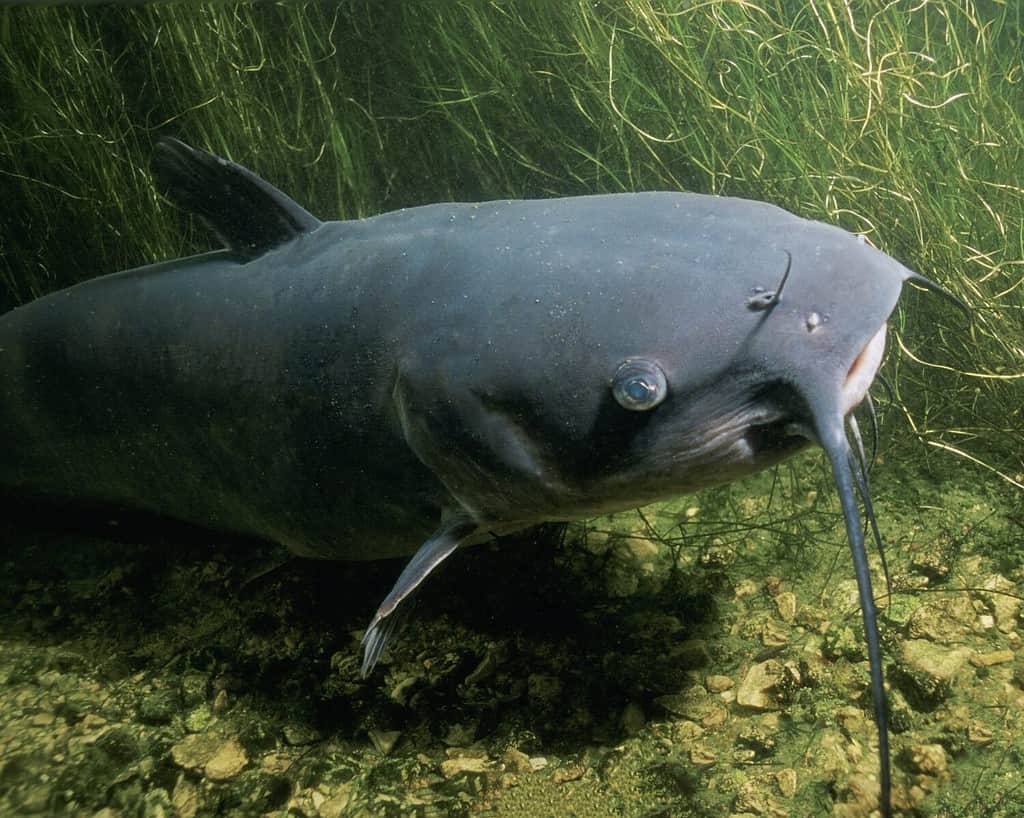
Four kinds of catfish are found in the Savannah River, including channel, white, flathead, and blue. Channel catfish are the most common. The Savannah River record channel catfish is 33 pounds, 8 ounces, and was pulled from the Savannah River in 2024. Catfish eat mostly small fish, but will also eat crayfish, frogs, and even small mammals and birds. Anglers who hook a catfish on the Savannah River should check with local fishing authorities for contamination warnings before eating one.
Longnose Gar
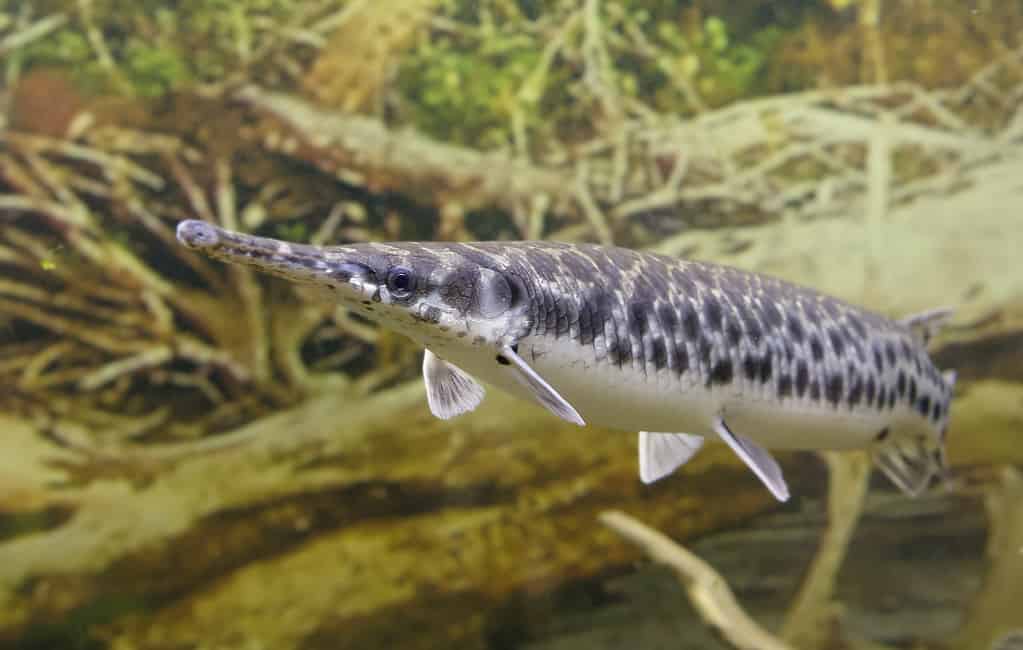
You’ll find longnose gar in all parts of the Savannah River. Growing to an average size of two to three feet and four pounds in weight, the gar likes to hang out in slow-moving water. They feed at night, pursuing minnows, perch, and other small fish. Younger gar will also eat insects and crustaceans. Some anglers seek out longnose gar because they put up a good fight when hooked. The fish’s bony mouths and sharp teeth require specialized fishing techniques.
Bream
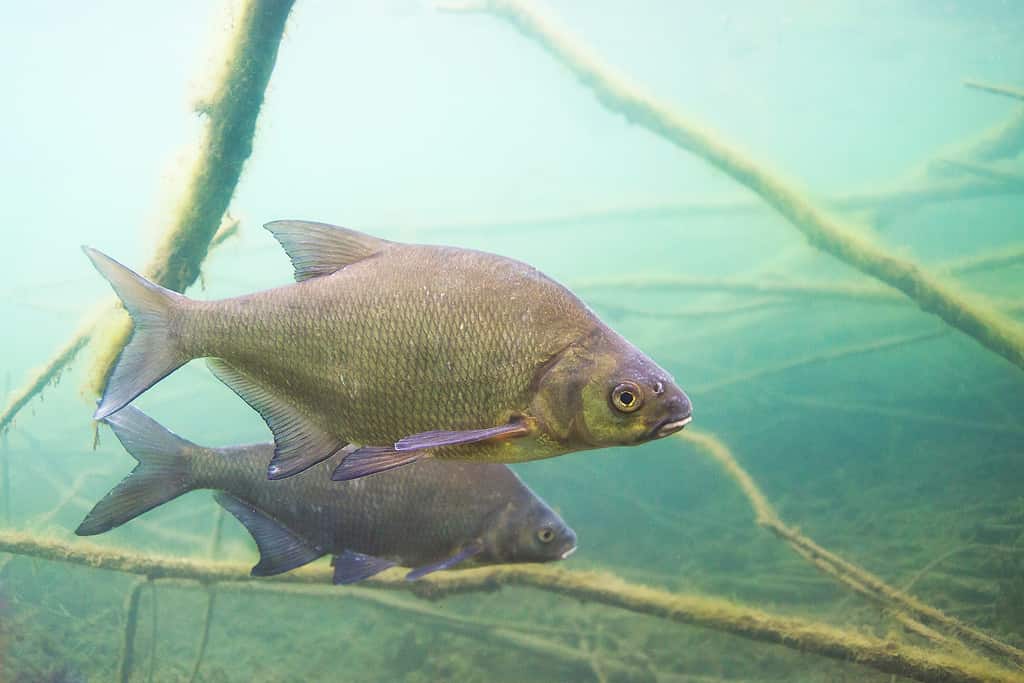
Shellcrackers, bluegills, and redbreasts are the three types of bream found in the Savannah River. They are all members of the sunfish family. Bream are most often found in shallow areas near the bank or under overhanging trees, where there is structure and cover to protect them from predators. Bream in the Savannah River grow to, on average, between six to ten inches. Bream use their small mouths to feed on insects, small invertebrates, and occasionally snails or small crustaceans.
Bass
The Savannah River is home to four types of bass, including largemouth, Bartram’s, smallmouth, and spotted. Bartram’s bass was officially named as a species in 2025. It is native only to the Savannah River watershed system. Bass in the river vary in size, but on average are between 11 and 24 inches long and weigh between two and four pounds. Anglers looking for bass should target rocky shoals and submerged trees, as both environments provide the habitats bass prefer.
Trout
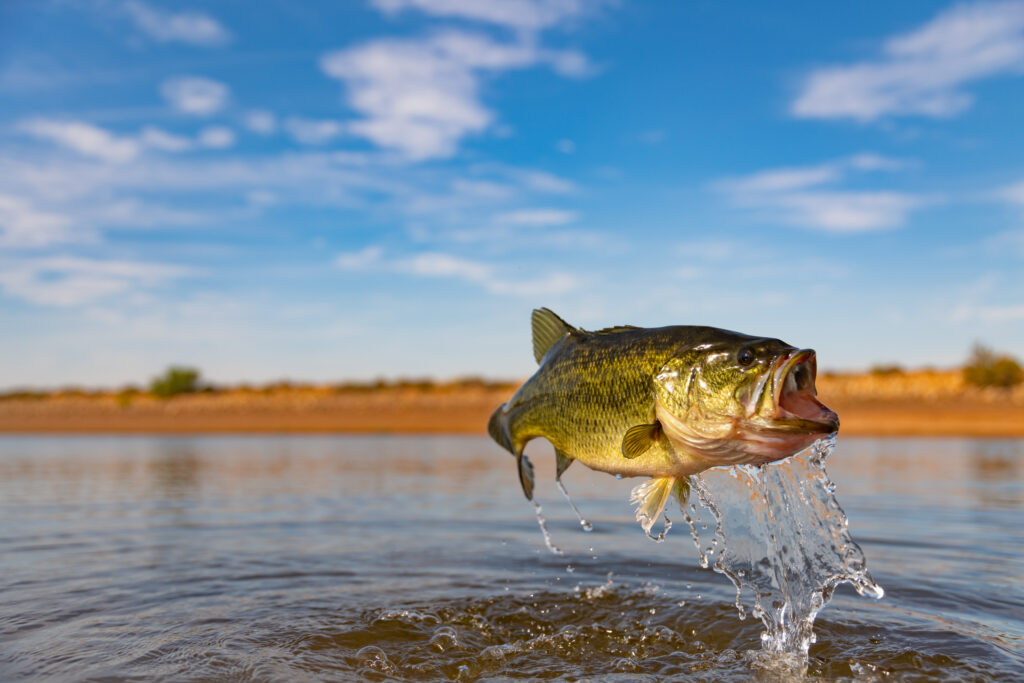
The type of trout you can find in the Savannah River depends on where you are. In the north and middle sections of the river, you’ll find freshwater species like rainbow, brown, and brook trout. Downstream in the brackish estuary, you’ll find speckled trout (spotted sea trout). The Georgia Department of Natural Resources annually stocks more than 200,000 trout in 14 streams that feed the Savannah River basin. Anglers hoping to hook a trout stand the best chance in the upper section of the river.
Perch
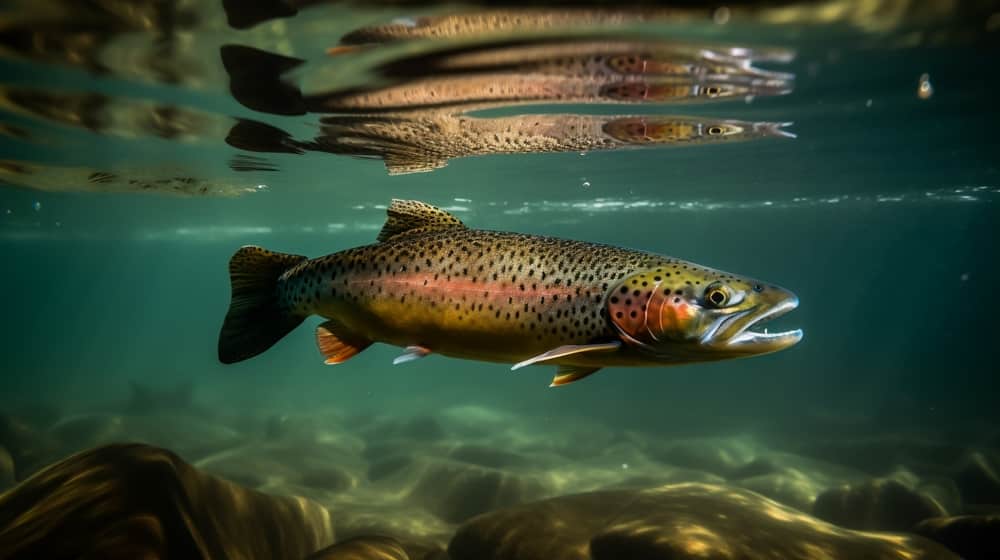
Of the two perch species in the river, yellow perch are more abundant. The best spot to find them is below the Clarks Hill Dam, especially during their spawning run between late December and early March. Yellow perch are so plentiful that Georgia doesn’t impose a daily catch limit. South Carolina allows up to 30 per day. White perch can inhabit salt or freshwater and stick to the saline environment of the river’s estuary. However, females move upriver to lay their eggs between April and June.
North American Beaver
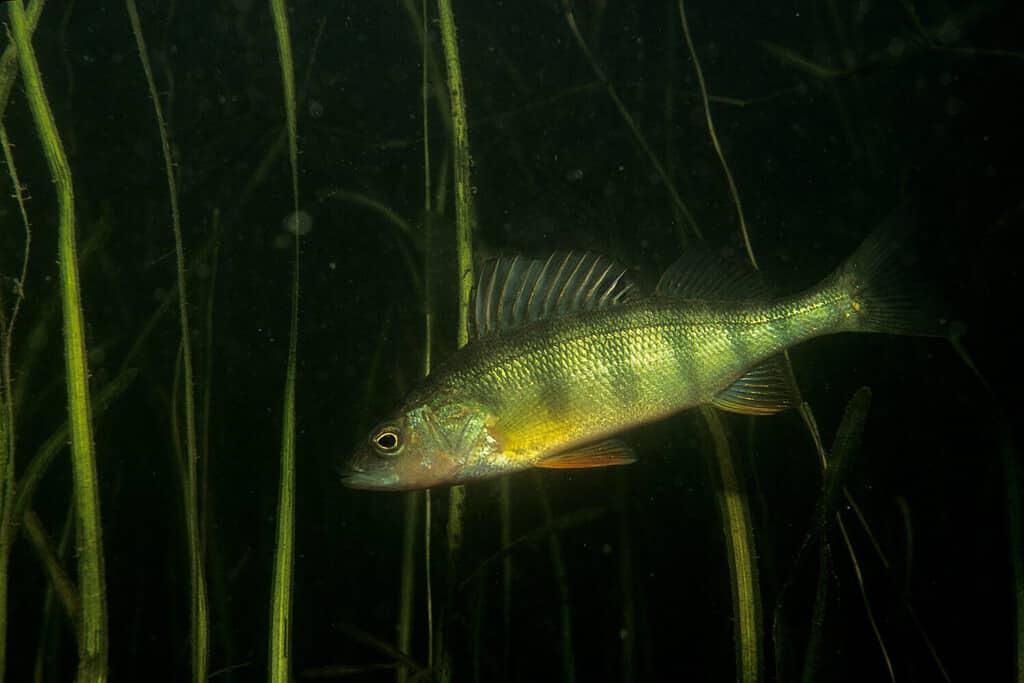
The North American beaver, once prized for its thick fur, was nearly trapped to extinction in the late 1800s. Thanks to reintroduction efforts in Georgia and South Carolina, the beaver population in both states recovered. Today, beavers can be found throughout the Savannah River basin. Beavers are the largest rodent in North America, weigh between 35 and 40 pounds, and have a lifespan of about ten to 12 years. You’ll find them in swampy areas where sticks, logs, and mud for dam building are available.
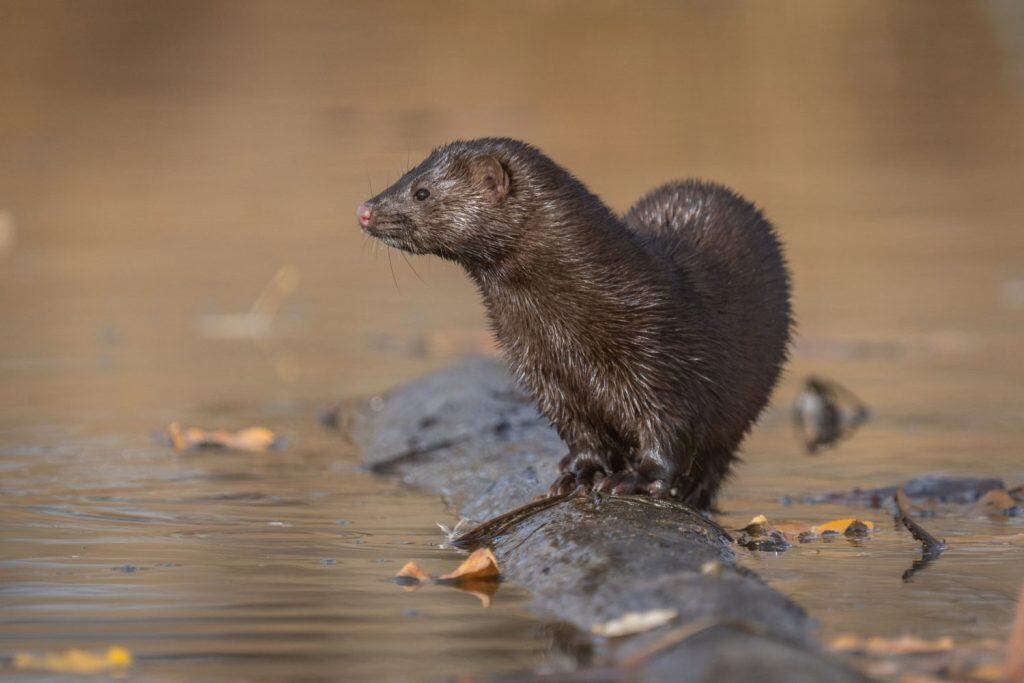
American Mink
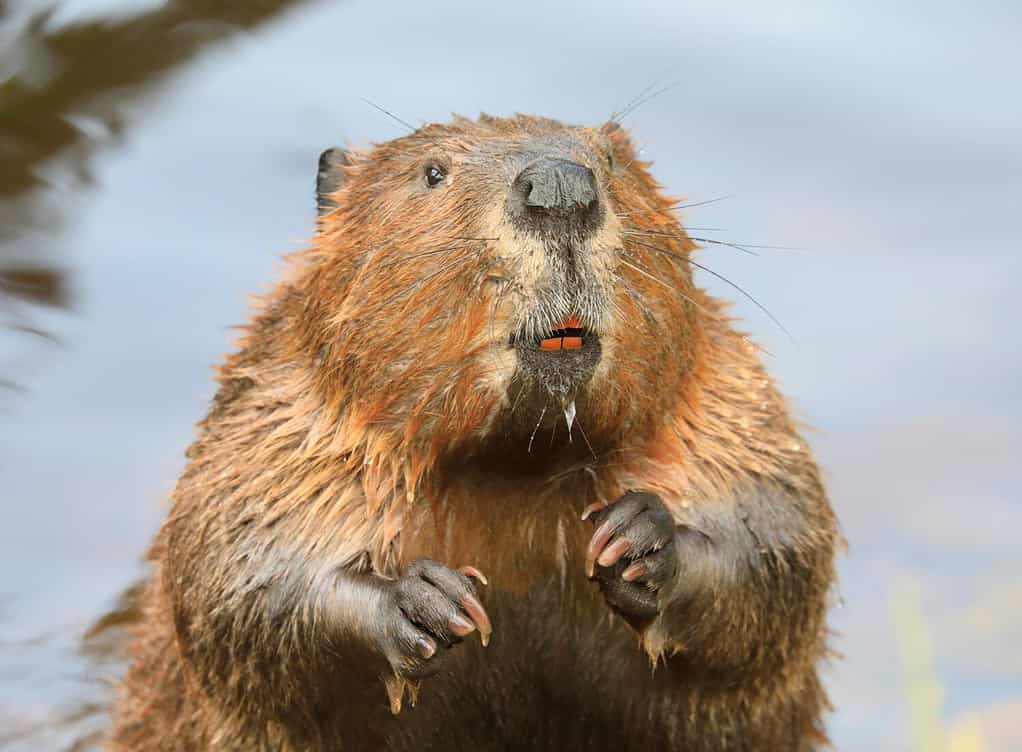
American mink are naturally shy and often hard to spot. You’re more likely to spot evidence of their presence, like burrows or tracks, rather than the mink itself. They live in dens, usually in holes along the riverbank or under tree roots. River mink weigh between 1.5 to three pounds and stand just under four inches at their shoulder. Their bodies are long and slender, with males significantly larger than females. Fish make up a significant portion of their diet. They also eat muskrats, squirrels, rabbits, rats, and mice.
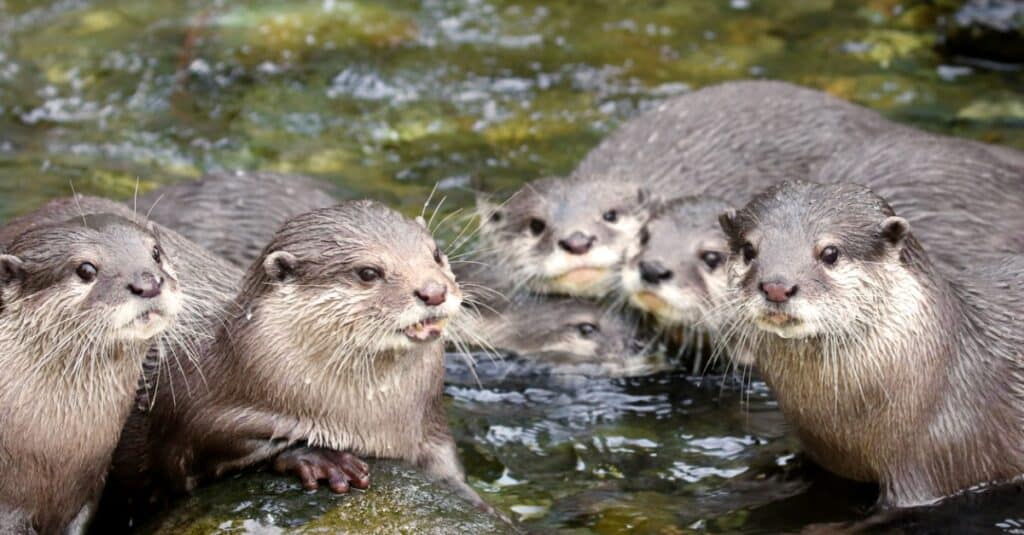
North American River Otter
Few things elicit oohs and ah’s like watching otters. Their cute, playful nature and expressive faces are hard to resist. North American river otters were nearly wiped out in the Savannah River region due to habitat loss and overhunting. Reintroduction efforts were successful, and today you’ll find otters in the river and its wetlands. Otters like to hunt at night, preying on fish, frogs, and crabs. They can close their nostrils and eyelids, making it comfortable to stay underwater for long periods of time.
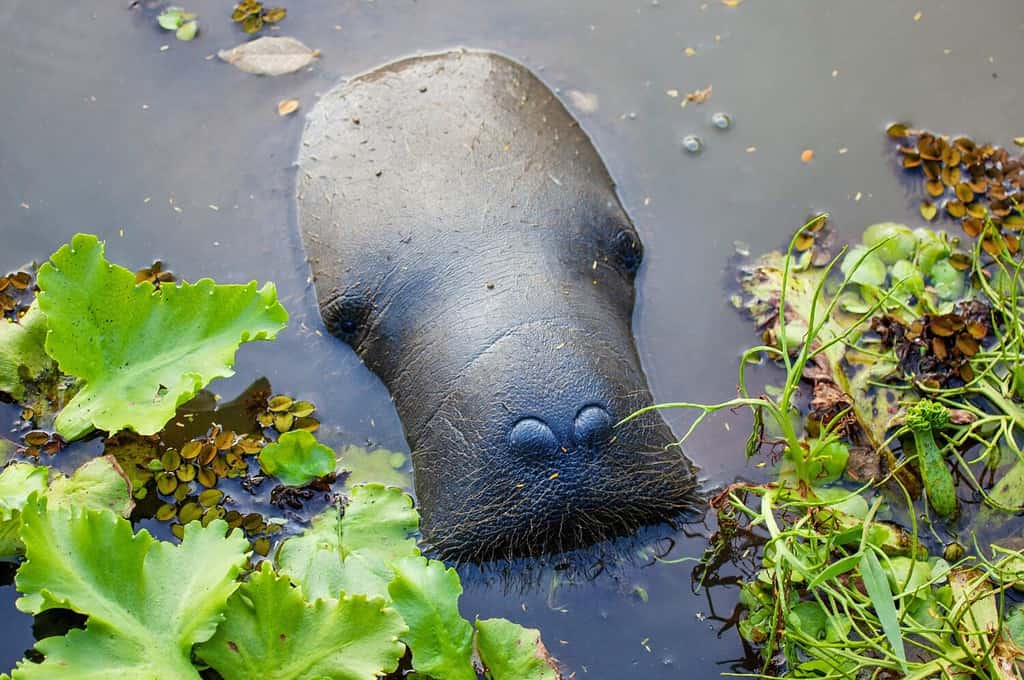
West Indian Manatee
West Indian manatees usually inhabit Florida’s coastal waterway, but you’ll also find them in the lower, tidal area of the Savannah River and estuary when warmer water temperatures arrive. Peak manatee spotting season on the Savannah River is between April and October. Adult manatees weigh between 800 and 1,200 pounds and can grow up to ten feet long. Despite their size, they are quite agile in the water. Their graceful, lumbering nature earned them the apt nickname of “sea cow.”
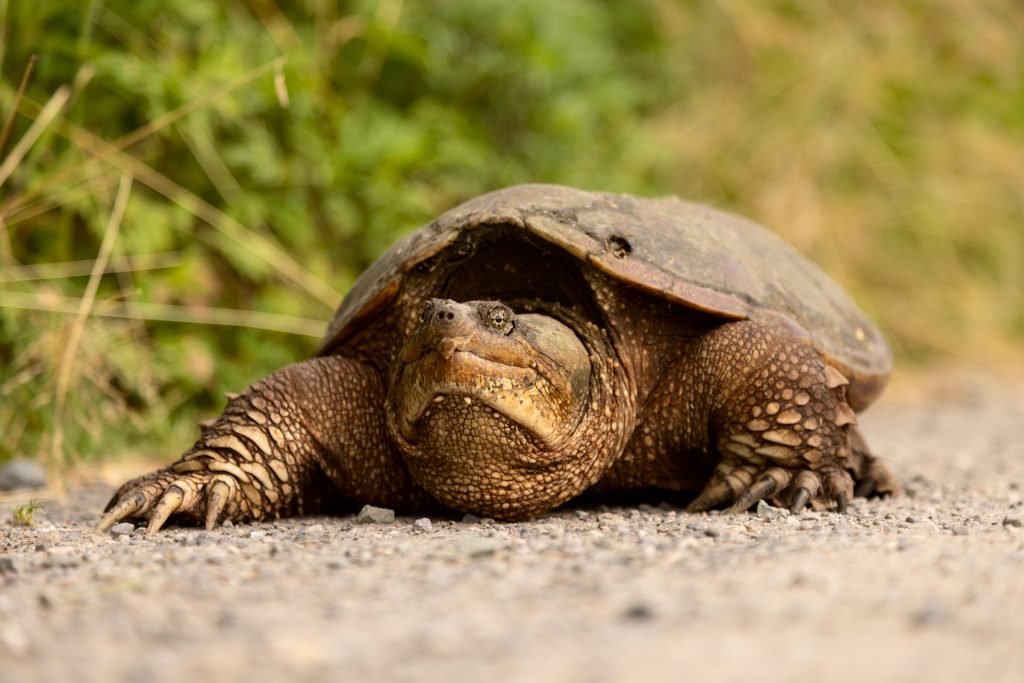
Snapping Turtle
Despite their name, snapping turtles in the Savannah River are usually docile in the water, where they spend much of their time. Corner them or capture them on land, though, and it’s a different story. They strike aggressively with their razor-sharp, beak-like mouth. So, be careful if you help one cross a busy road. Snapping turtles grow to eight to 14 inches and weigh between ten and 35 pounds. They mate between April and November, and females deposit an average of 20 to 40 eggs in nests they dig.
American Alligator
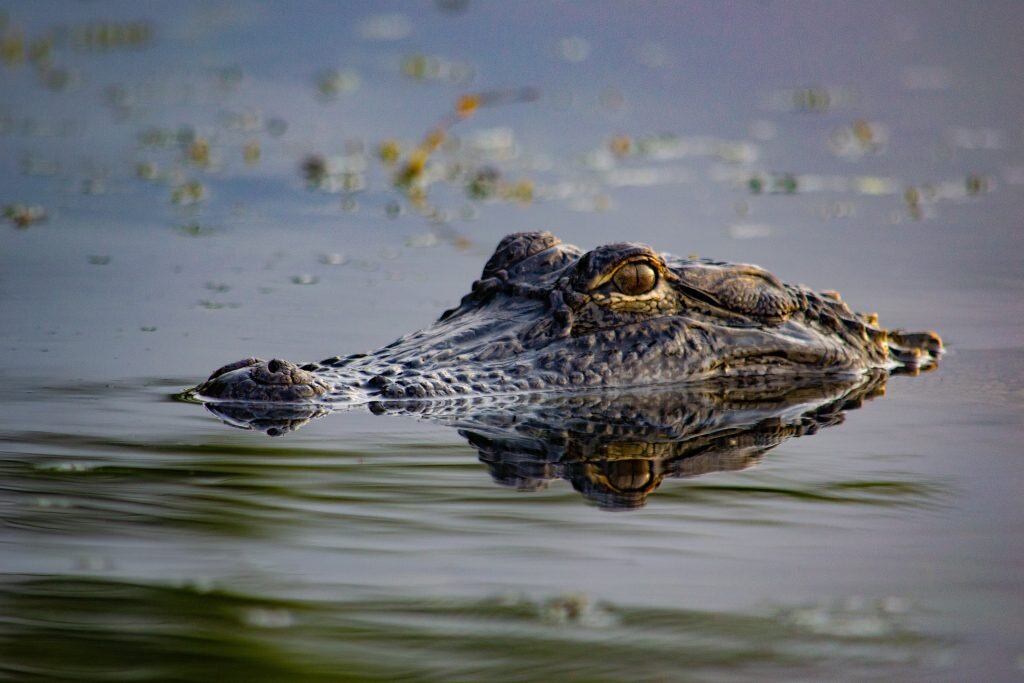
Few things on the Savannah River are more attention-grabbing than the unmistakable eyes of an American alligator peering above the waterline. The river has an abundant alligator population, with a large concentration at the former nuclear weapons plant at the Savannah River Site (SRP). These top predators can live more than 60 years. While their eyesight isn’t great, their ears, located directly behind their eyes, are very sensitive to sound and water vibrations.
Venomous Snakes
Georgia is home to six different venomous snakes. These include the copperhead, cottonmouth (water moccasin), eastern diamondback rattlesnake, timber rattlesnake, pigmy rattlesnake, and the eastern coral snake. Four inhabit the wetland areas surrounding the Savannah River. These include the copperhead, cottonmouth, timber rattlesnake, and pygmy rattlesnake. Two, the copperhead and cottonmouth, are often seen in the water. If you see one, give it a lot of space and leave the area.


Post a Comment for "Discover the Fish and Freshwater Life of the Savannah River"
Post a Comment