
First Female Japanese PM Adoptes Hardline Stance on China and Taiwan
The Rise of Sanae Takaichi and Japan's Strategic Dilemma
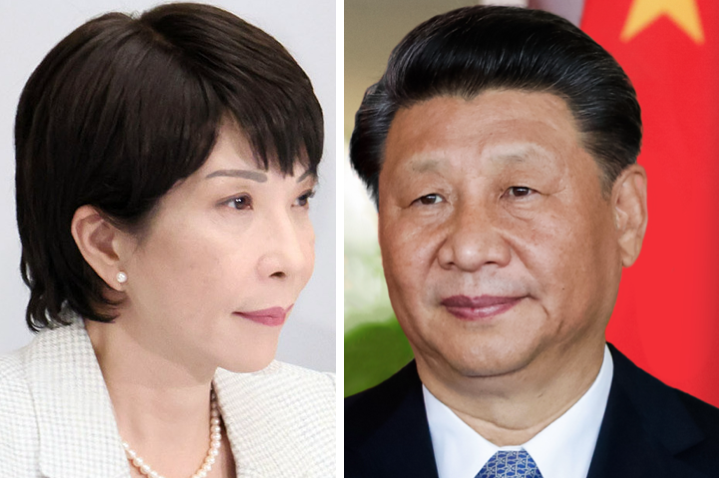
On October 4, the Liberal Democratic Party (LDP) in Japan chose Sanae Takaichi as its president. Her leadership is expected to reflect a more determined stance on defense matters, particularly concerning Taiwan. The Diet is anticipated to elect her as prime minister next Wednesday, marking a significant shift in Japan’s foreign policy direction.
During her successful campaign for the LDP leadership, Takaichi emphasized several key points regarding security policy. These include the need for Japan to enhance its own defense capabilities, strengthen the U.S.-Japan alliance, deepen trilateral relations with South Korea and the Philippines, and advance the Quad initiative to counter China. She also aimed to realize the vision of late Prime Minister Shinzō Abe for a “Free and Open Indo-Pacific.”
Takaichi’s Views on Taiwan
In her recent contribution to the Hudson Institute’s discussion on Japanese foreign policy, Takaichi largely echoed mainstream Japanese thinking. She highlighted the importance of "peace and stability in the Taiwan Strait" for the international community, including Japan. She stressed that unilateral changes to the status quo through force or coercion must never occur and emphasized the close economic ties and people-to-people exchanges between Japan and Taiwan.
Takaichi also advocated for peaceful resolution of issues concerning Taiwan through dialogue, affirmed the 1972 Japan-China Joint Communique, and expressed a desire for solid and candid dialogue with Chinese leaders. However, in other statements, she has taken a more forward-leaning position regarding Japan’s involvement in the defense of Taiwan.
For instance, during her 2021 LDP presidential campaign, Takaichi stated that a Taiwan crisis would be a threat to Japan, suggesting a high possibility of the Self-Defense Force being deployed. In her 2024 campaign, she suggested that a maritime blockade on Taiwan could qualify as a "crisis that threatens the nation’s existence," potentially allowing Japan to use force before a direct military attack on Japanese territory.
Contrasting Perspectives: Michael Swaine’s Argument
In contrast, Michael Swaine, in two policy briefs published by the Quincy Institute, argues that Taiwan is not a vital U.S. security interest. He proposes that the U.S. should avoid a catastrophic war with China over the Taiwan issue, instead focusing on strengthening Taiwan’s military capabilities and using political, economic, and diplomatic measures to deter China without direct military intervention.
Swaine’s proposal, if implemented prudently, could ultimately serve Japan’s national interest. However, under Takaichi’s leadership, Japan is likely to oppose this change.
Japanese Concerns and Counterarguments
Japanese policymakers are likely to object to Swaine’s proposal on two main points. First, they argue that Taiwan is a critical interest because its unification with China through military force could threaten Japanese sea lanes and even Japanese territory, especially Okinawa. Second, they believe that adopting such a policy would weaken deterrence and increase the likelihood of China resorting to force.
However, these arguments may not hold up under scrutiny. The claim that Beijing’s control over Taiwan poses a critical threat to Japan’s security inflates the Chinese threat. While China considers Taiwan a core interest, it does not necessarily mean it will use the island as a stepping stone to seize Japanese territory like Okinawa. Chinese officials have never indicated such intentions.
Moreover, the argument that moving away from directly defending Taiwan would invite a Chinese attack reflects an incomplete understanding of how deterrence works. If the U.S. had the will and capability to inflict unacceptable punishment on China, then deterrence might work. However, given China’s commitment to unifying Taiwan, Beijing will inevitably respond to U.S. military upgrades by strengthening its own capabilities.
The Risks of Escalation
With ongoing military competition and increased exercises in the region, the danger of a military accident escalating into an actual conflict is rising. An overemphasis on military deterrence could ignite an inadvertent war. For deterrence to be effective, it is important to reassure China that its vital interests are not being threatened.
China has repeatedly stated that the eventual "reunification" of China and Taiwan is a core interest. From China’s perspective, Washington and its allies, including Japan, are encouraging pro-independence forces in Taiwan and undermining the understandings that formed the basis of normalization between China and both Japan and the U.S.
Conclusion: A Path Forward
Swaine’s proposal would be in Japan’s national interest because such a policy shift, if properly handled, has the potential to reduce the danger of war while preserving Taiwan’s security. However, if Washington were to intervene in a conflict by using its military assets in Japan against Chinese forces, Beijing is likely to retaliate, potentially endangering the lives and livelihood of Japanese civilians.
Sanae Takaichi’s vision of "Japan is back" includes reviving the economy, improving the livelihood of all Japanese, promoting security, and enhancing diplomatic influence. The best way for her to achieve these aspirations is to work with the U.S. in pursuing a strategy of peace along the lines recommended by Swaine, rather than aggravating the Taiwan issue and escalating tensions with China.

Post a Comment for "First Female Japanese PM Adoptes Hardline Stance on China and Taiwan"
Post a Comment