
Former Prosecutor Reveals: 5 Ways Police Can Seize Your Firearms — Protect Your Rights
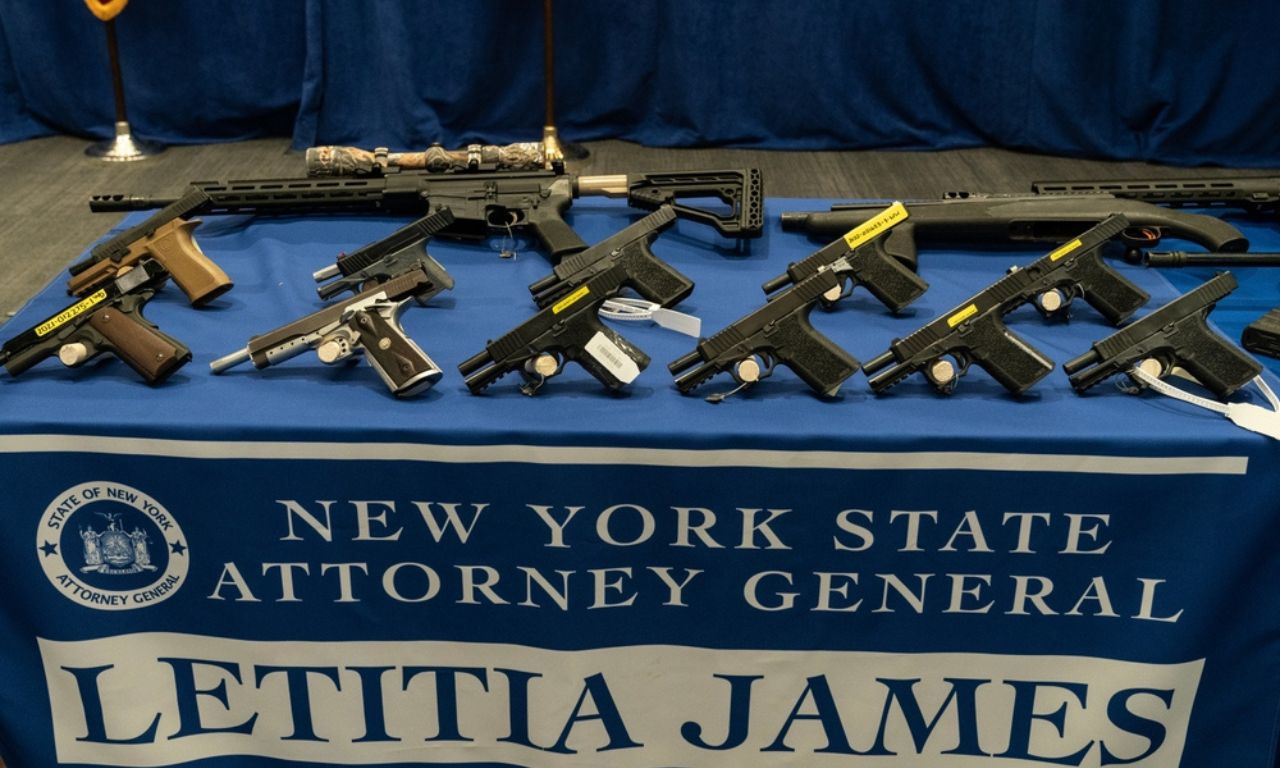
Knowing your rights regarding firearms is essential for every gun owner. Tom Grieve, a former state criminal prosecutor, outlines five common scenarios in which law enforcement can legally take your guns. He explains the processes involved in routine traffic stops, court orders, restraining orders, mental-health holds, and other legal procedures that may result in temporary or permanent loss of firearms.
Grieve provides insight into what typically triggers each situation, the paperwork you might expect, and how regulations can differ from one state to another. This information is not intended as legal advice but serves as a clear, straightforward guide to help gun owners recognize potential issues and seek appropriate assistance quickly. Below is Grieve’s detailed breakdown of the five situations every gun owner should understand, along with what to do if you find yourself facing one.
1. Post-Defensive Gun Use (DGU)
 According to Grieve, one of the most frequent reasons for firearm confiscation by law enforcement occurs after a defensive gun use (DGU). Even if you used your firearm legally in self-defense, there's a high likelihood that the police will take your gun as part of their investigation.
Grieve notes that this happens in approximately 19 out of 20 self-defense cases his firm handles. The key takeaway is to be prepared for the possibility of temporarily losing your weapon, even if you have done nothing wrong.
2. The Defensive Practice of Law
 Grieve introduces a concept he calls "the defensive practice of law." This refers to the tendency of legal professionals to act cautiously, often erring on the side of safety. For example, if someone files a restraining order claiming they are afraid of you, judges and prosecutors may take precautionary measures to avoid any potential backlash if things escalate later.
This conservative approach can lead to firearms being confiscated, regardless of whether the claims are legitimate. As a result, innocent individuals may find themselves without their guns for an extended period of time.
3. Red Flag Laws (Extreme Risk Protection Orders)
 Red flag laws, also known as Extreme Risk Protection Orders (ERPOs), are another method through which firearms can be taken. These laws allow authorities to temporarily remove firearms from individuals deemed to be a threat to themselves or others.
Grieve warns that red flag laws could lead to unnecessary firearm confiscations, particularly in cases involving personal disputes or false claims. If you live in a state with such laws, it's crucial to understand how they function and how easily they can be misused against you.
4. Arrests Involving Drugs, Alcohol, or Threats
 Another major way law enforcement can take your guns is when firearms are involved in an arrest related to drugs, alcohol, or threats. Grieve points out that these situations are often "self-inflicted," meaning they stem from actions that put you at risk.
If criminal charges follow, additional bail conditions or legal stipulations can lead to extended or permanent loss of your firearms. Grieve advises gun owners to be mindful of their behavior, especially in high-tension situations.
5. Politics and Gun Laws
 Finally, Grieve highlights that the greatest threat to firearm ownership comes from political changes and evolving gun laws. Throughout history, political shifts have led to mass firearm confiscations, and this remains a concern for modern gun owners.
Grieve emphasizes that elections and political decisions can significantly impact firearm regulations, putting millions of gun owners at risk. Staying informed about political developments is essential for anyone who values their Second Amendment rights.
Understanding Your Rights in a Post-DGU Scenario
 While many of these situations seem beyond the average person's control, Grieve stresses the importance of knowing your rights, especially in post-DGU scenarios. When your firearm is taken after a defensive gun use, understanding how to navigate the legal process and retrieve your weapon is crucial.
Although the process may take time and require legal intervention, being prepared for this situation can make the experience smoother.
The Impact of Defensive Legal Practices
 The "defensive practice of law" isn't just about guns—it's about covering legal bases in a cautious, sometimes overzealous, manner. While judges and prosecutors may have good intentions, this approach often puts innocent people in difficult situations, especially when firearms are involved.
Gun owners should be aware that, in the eyes of the law, it's often better to play it safe, even if it feels like an overreach.
How Red Flag Laws Affect You
 Red flag laws are highly controversial, and for good reason. While they aim to prevent dangerous situations, they can also be misused. Grieve warns that these laws could be used by those with personal grudges or misunderstandings to strip law-abiding citizens of their firearms.
Understanding your state’s stance on red flag laws and preparing for potential misuse is a critical step in protecting your rights.
Arrests and Firearms: A Risky Combination
 When firearms are involved in an arrest, the stakes are higher. The presence of drugs, alcohol, or threats complicates the situation further, often leading to immediate gun confiscation. Grieve reminds gun owners to be cautious about the environments they find themselves in, as these types of arrests can lead to prolonged legal battles and the loss of firearms.
The Role of Politics in Gun Confiscation
 As Grieve points out, politics plays a massive role in the future of gun ownership. Law-abiding gun owners could see their rights restricted or even revoked based on political decisions. This is why it's essential to stay informed and engage in the political process, whether that means voting, advocating for gun rights, or simply staying aware of new laws and regulations.
Stay Informed, Stay Prepared
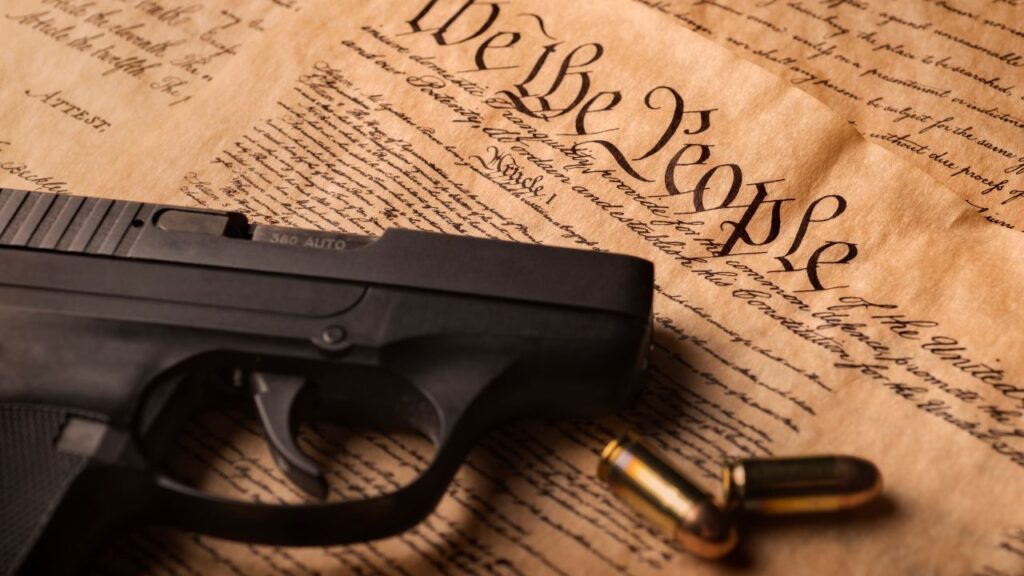 Tom Grieve’s insights highlight how important it is for gun owners to be prepared for all the potential ways they could lose their firearms. Whether it's due to legal technicalities, arrest scenarios, or larger political shifts, the threat to gun rights is real.
By staying informed, understanding your rights, and being cautious in your actions, you can protect yourself and your firearms from unnecessary confiscation.
Understanding Local Laws
 How well do you understand your local laws when it comes to firearm ownership and confiscation? Do you have a legal plan in place in case your firearms are taken due to defensive gun use? How do you feel about the balance between public safety and individual rights in the context of red flag laws?

Post a Comment for "Former Prosecutor Reveals: 5 Ways Police Can Seize Your Firearms — Protect Your Rights"
Post a Comment