
GM faces $1.6 billion loss in electric vehicle push as U.S. automakers reassess future
U.S. Automakers Reassess Electric Vehicle Strategies Amid Economic and Policy Shifts
U.S. automakers are reevaluating their electric vehicle (EV) strategies as they face a combination of consumer hesitancy, reduced federal support, and a challenging economic climate that is affecting all auto sales. This shift has led to significant financial setbacks and strategic adjustments across the industry.
General Motors (GM) recently reported losses totaling $1.6 billion linked to changes in its EV rollout plans. The company cited the removal of the $7,500 EV purchase tax credit by President Donald Trump as a contributing factor. This credit, which was part of President Joe Biden’s policies, expired on September 30. In a filing, GM stated that recent policy changes, including the elimination of certain consumer tax incentives for EV purchases and less stringent emissions regulations, have led to a slower adoption rate of EVs.
Ford has also adjusted its strategy, delaying the construction of an EV plant in Tennessee. The company told Reuters it will remain flexible in adjusting product launch timing to meet market needs while aiming for improved profitability. Meanwhile, Tesla, despite being the leading EV seller in the U.S., has seen declining sales, with second-quarter sales dropping nearly 13%. CEO Elon Musk has warned of potential "rough quarters" ahead for the company.
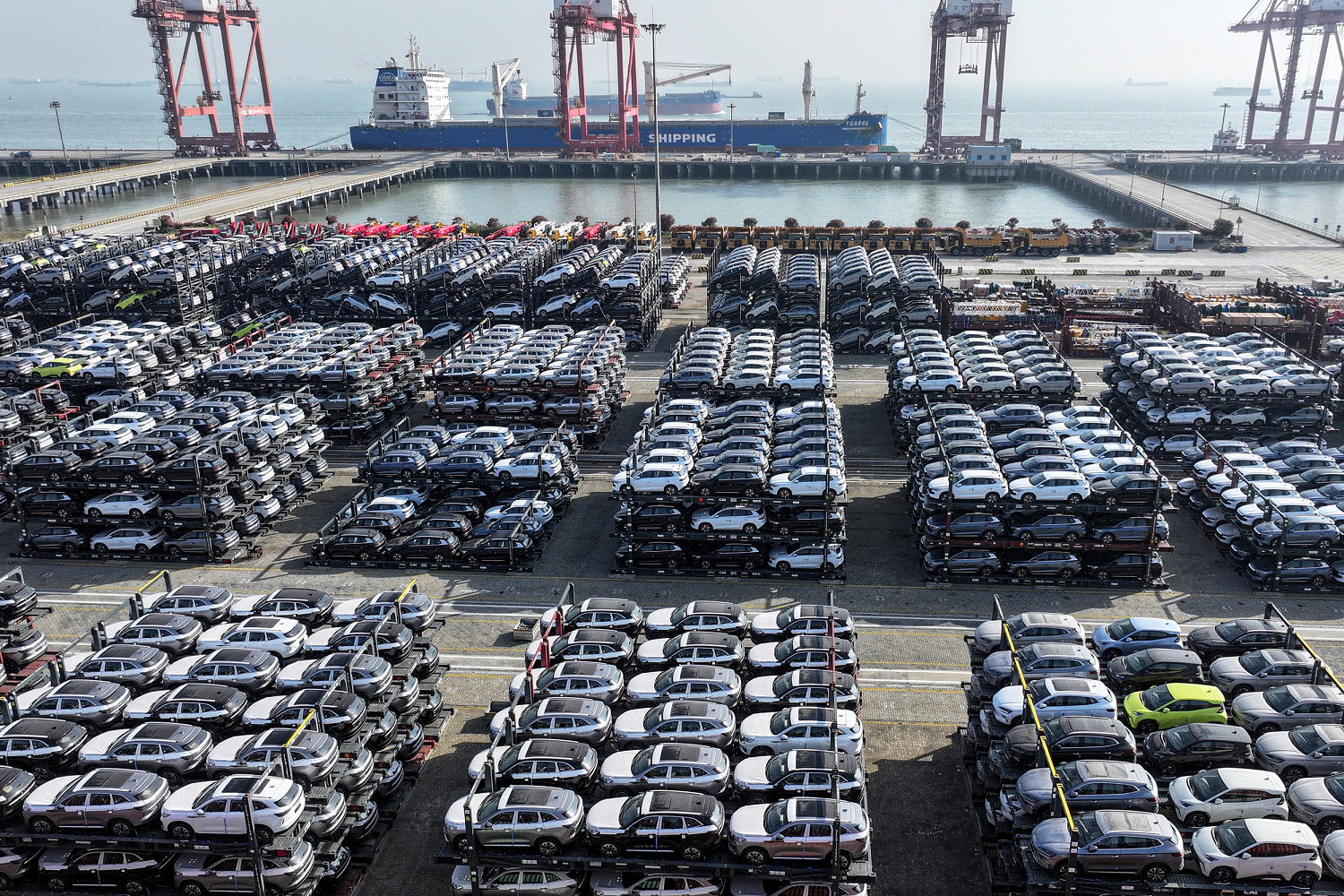
The challenges faced by U.S. automakers threaten to leave the country behind in the global EV race. In July 2024, EV sales in China overtook those of conventional vehicles. In China and nearby countries, EV prices have been decreasing more rapidly than in the U.S., largely due to increased competition from Chinese manufacturers that now dominate the global EV market. Other Western countries, such as Canada and the United Kingdom, are also reconsidering their previous commitments to electrification, partly due to pressures from Trump’s trade war.
This shift represents a departure from the ambitious goals set by U.S. automakers just a decade ago. General Motors’ CEO Mary Barra famously committed the company to a “zero emissions” future in 2017, stating, “No more gas. No more diesel. No more carbon emissions.” However, a series of challenges, including cost concerns, slow adoption, and the reversal of support in Washington, have left the U.S. auto industry uncertain about its EV future.
David Whiston, a senior analyst at Morningstar investment research company, noted that “penetration has stalled.” Even before the tax credit expiration, signs of resistance to EVs among U.S. consumers were evident. A survey by Edmunds automotive information group in August 2024 found that concerns about charging stations, charging times, availability, and reliability were the top reasons consumers would not purchase EVs. Jessica Caldwell, head of insights at Edmunds, added that consumers felt the hassle and learning curve associated with EVs were too much.
In the second quarter of 2025, new EV sales declined by 6.3% year on year, according to Cox Automotive, which noted that the growth trajectory for EVs “has been curbed.” While EV sales saw a boost in the third quarter, analysts attributed this to the looming expiration of the tax credit.
Stephanie Valdez Streaty, director of industry insights at Cox Automotive, emphasized that the federal tax credit was a key catalyst for EV adoption. She said the expiration marks a pivotal moment, testing whether the EV market can thrive on its own or still needs support to expand further.
For a time, EVs seemed poised to take over the U.S. market. Following GM’s lead, Ford announced in 2018 that it planned to nearly triple its investments in electric and hybrid vehicles by 2022, with plans for 40 new models. Barra also called for a National Zero Emission Vehicle program to help electrify the entire U.S. auto fleet. During the Biden administration, the EV push was accelerated with tough new emissions standards and the EV purchasing tax credit.
However, Barra recently told NBC News that GM’s all-electric future would now unfold “over decades,” though the company still targets 2035 for full electrification. In its latest filing, GM mentioned that the review of its future EV output is ongoing, with potential additional charges to be announced in future quarters. A GM spokesperson did not respond to a request for comment.
Last month, The Wall Street Journal reported that GM spent more on lobbying the federal government in 2025 to fight clean air and fuel economy rules than any company other than Facebook parent Meta. Barra stated at a Wall Street Journal event in May that “the customer was telling us they weren’t ready.”
Ford CEO Jim Farley recently warned that EV sales could fall by around 50% after the tax credits expire. A Ford spokesperson did not respond to a request for comment.
The broader U.S. auto market continues to face affordability issues. The average price of a new car surpassed $50,000 for the first time last month, according to Kelley Blue Book. The average monthly auto payment in the U.S. is now $749 for new vehicles and $529 for used vehicles, according to Experian. U.S. households continue to grapple with inflation and a shaky jobs market, resulting in auto sales below pre-pandemic levels.
EVs currently cost about $7,000 more than traditional vehicles, according to Kelley Blue Book data.
Anna Vanderspek, electric vehicle program director at the Green Energy Consumers Alliance, remains hopeful that the global shift toward EVs will eventually benefit U.S. automakers as they seek to stay competitive, ultimately benefiting U.S. consumers. However, she acknowledges that the timeline for adoption has shifted.
“There’s good reason to think that this transition will continue to happen,” she said. “But now it will just happen more slowly.”

Post a Comment for "GM faces $1.6 billion loss in electric vehicle push as U.S. automakers reassess future"
Post a Comment