
Hidden Tunnels Beneath American Cities
Seattle's Hidden Underground City
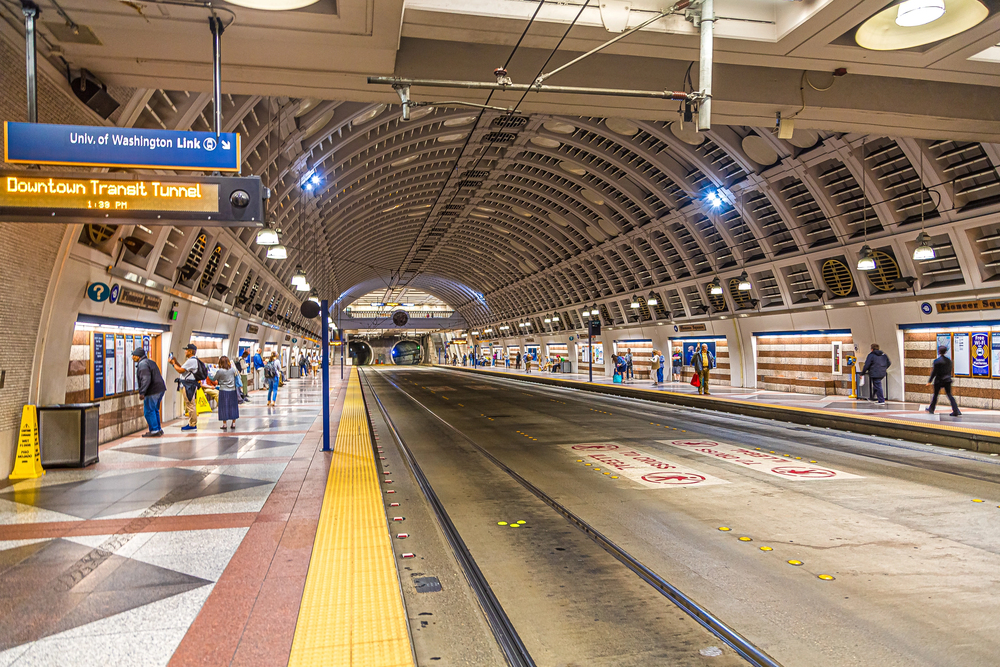
Seattle’s underground isn’t a myth or an exaggeration—it’s an actual buried city you can walk through. After the Great Seattle Fire of 1889 leveled downtown, city planners faced a choice. The original streets sat at sea level and flooded regularly during high tide, creating a soggy, unsanitary mess. Rather than rebuild in the same spot, they raised the street level by roughly 22 feet and constructed the new city on top of the old one. For a while, businesses operated on both levels, with customers climbing ladders between the sidewalk and the storefronts below. Eventually, the underground level was condemned in 1907 and abandoned entirely. What remained became a time capsule. The Seattle Underground Tour, launched in the 1950s, takes visitors through preserved sections of the original city. You can still see old storefronts, sidewalks, and even the toilets that famously backfired when the tide came in. The tour guides lean into the quirky history with humor, but the experience itself feels genuinely eerie. Walking through dimly lit passageways where an entire city once thrived puts modern Seattle in a different perspective. The underground serves as a reminder that cities don’t just grow outward—sometimes they grow up, burying their past in the process.
Portland's Sinister Reputation
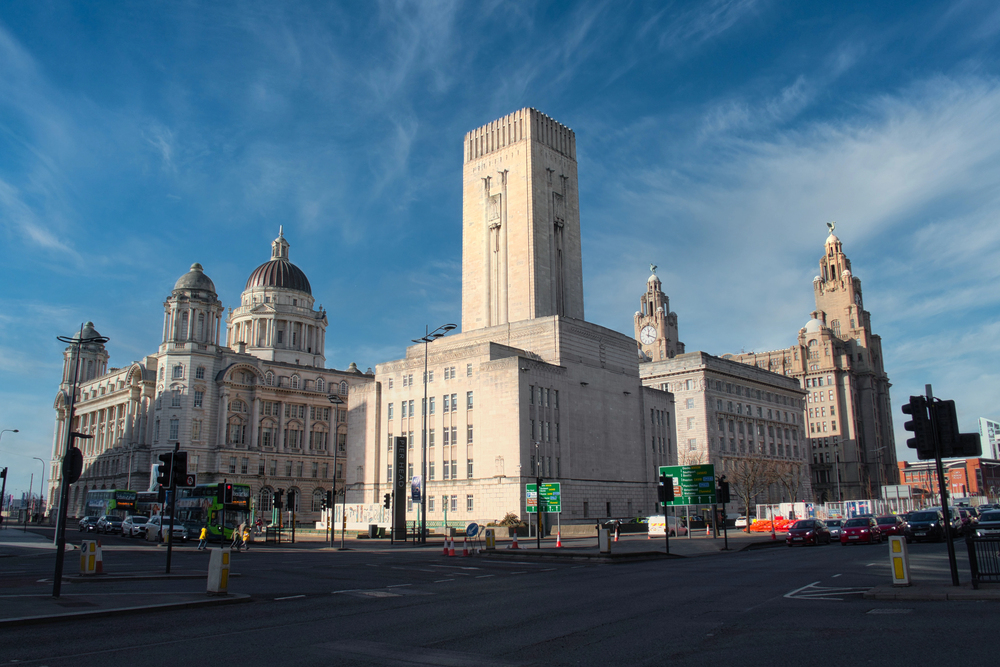
Portland’s underground has earned a sinister reputation, largely thanks to the term ‘shanghaied.’ According to local legend, the tunnels connecting basements of hotels and taverns to the Willamette River waterfront weren’t just for moving goods—they were highways for human trafficking. The story goes that unsuspecting loggers or sailors would get drugged at a bar, dropped through a trapdoor, and wake up aboard a ship headed to Asia, forced into unpaid labor. Women allegedly faced similar fates, kidnapped and sold into forced labor elsewhere. Portland earned the nickname ‘Forbidden City of the West’ during this era, and the tunnels supposedly made the whole operation possible. Here’s the thing, though—historians are skeptical. While the tunnels absolutely exist and were used for legitimate purposes like transporting goods, there’s little evidence they were actually used for shanghaiing on a large scale. The practice did happen in Portland and other West Coast ports, but probably not through elaborate underground networks. That hasn’t stopped the legend from thriving. Tours of the ‘Shanghai Tunnels’ remain popular, taking visitors through sections beneath Old Town that feature holding cells, trapdoors, and plenty of atmosphere. Whether you buy the darker stories or not, the tunnels offer a fascinating glimpse into Portland’s rough-and-tumble waterfront history.
Chicago's Practical Underground Infrastructure
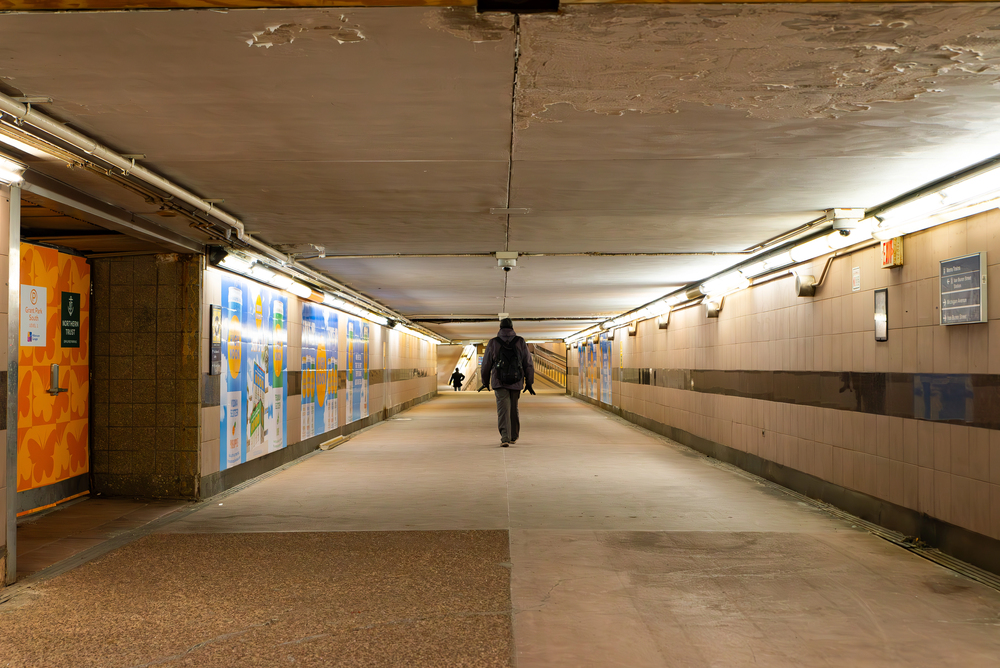
Chicago takes the practical approach to underground infrastructure, which makes sense for a city known for brutal winters. The Pedway system stretches across more than 40 blocks in downtown Chicago, connecting office buildings, hotels, shopping centers, and train stations through a maze of tunnels and overhead bridges. It covers roughly five miles total, though not all in a straight line. The system began in the 1950s and grew piecemeal over the decades, which explains why some sections feel modern and well-lit while others look like they haven’t been updated since the Nixon administration. During a January blizzard, the Pedway becomes a lifeline for commuters who’d rather not face windchill that could freeze exposed skin in minutes. Even so, Chicago’s underground story goes deeper—literally. Beneath the Pedway lies an older network of freight tunnels that once crisscrossed the city. Built by the Chicago Tunnel Company starting in the early 1900s, these narrow passages housed miniature electric trains that delivered coal, removed ashes, and even provided early air conditioning by pumping cool air from the tunnels into theaters and hotels. The system operated until 1959 and was mostly forgotten until 1992, when construction workers accidentally punctured a tunnel roof. Water from the Chicago River poured into the network, flooding basements across downtown and causing more than two billion dollars in damage. The tunnels remain sealed today, a hidden reminder that what lies beneath can still cause problems for what’s above.
New York City's Subterranean Complexity
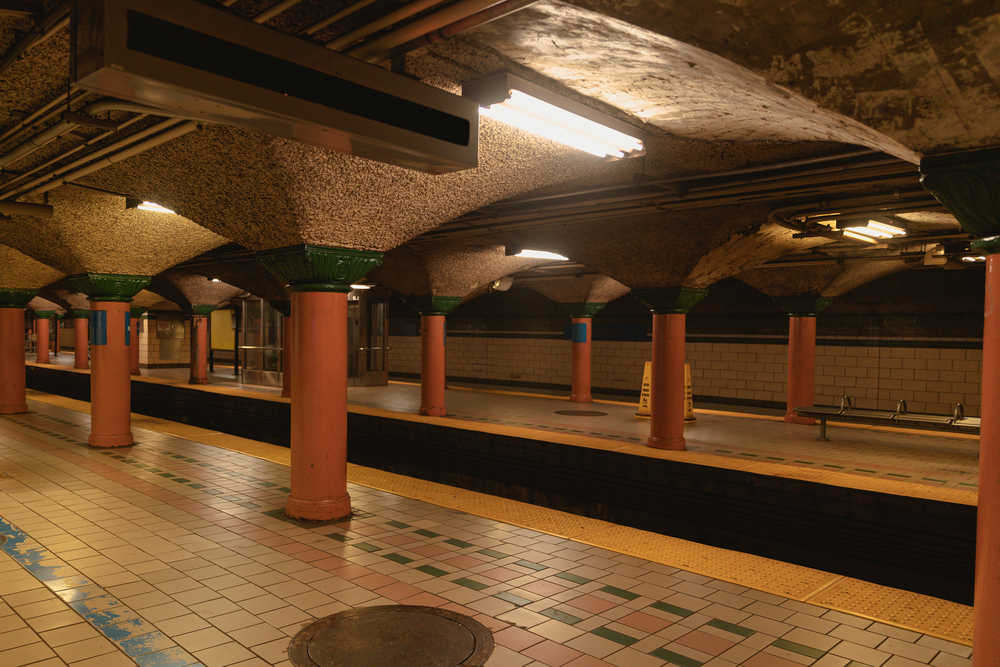
New York City’s underground world makes most other American cities look like amateurs. With more than 665 miles of active subway tracks, 100 miles of steam pipes, and three massive water tunnels carrying the city’s supply from upstate, the subterranean realm beneath Manhattan is staggeringly complex. But beyond the infrastructure everyone knows about, there are stranger spaces. Track 61, for instance, is an abandoned platform beneath the Waldorf Astoria Hotel that once allowed VIP guests to arrive and depart by private rail car. Grand Central Terminal alone hides multiple forgotten passages. Some were built as part of Terminal City, an early 1900s project that connected the station to nearby hotels through underground tunnels. Others lead to abandoned subway stations like the ornate City Hall station, which closed in 1945 because its curved platform couldn’t accommodate longer trains. The station still features decorative tiles, vaulted ceilings, and elegant chandeliers—an underground cathedral gathering dust. Transit Museum members can visit on special tours, but for everyone else, it remains locked away.
Los Angeles' Hidden Network
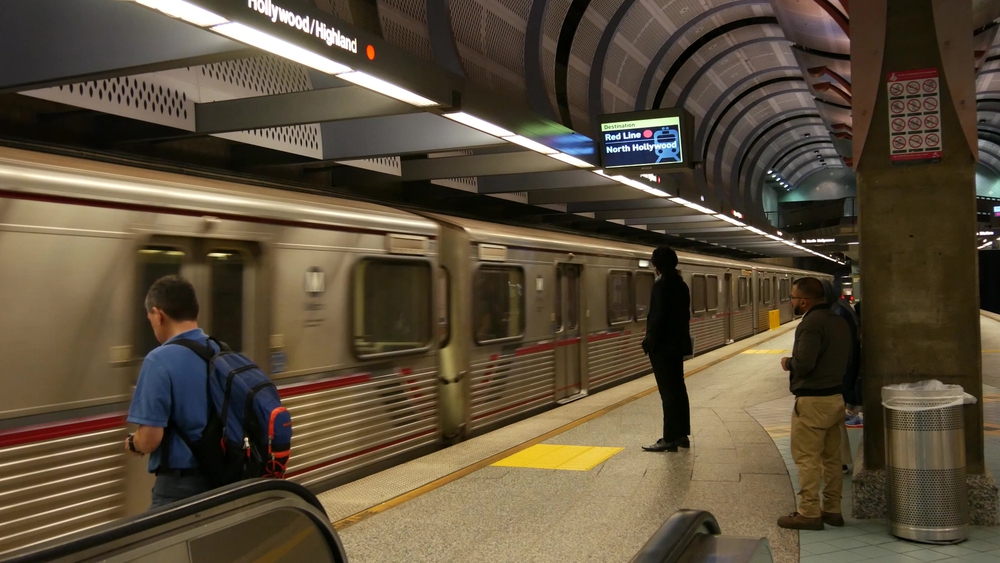
Los Angeles isn’t the first place most people imagine when picturing underground tunnels, but the city built an extensive network beneath downtown starting in 1901. The original purpose was practical—to ease traffic congestion by creating subterranean roads for streetcars and pedestrians. The Pacific Electric Red Cars had their own tunnel system, and smaller passages linked various buildings, including banks that needed secure routes for transporting cash. By the 1920s, many of these tunnels had fallen into disuse, their traffic-reducing mission a failure against the city’s explosive growth. That’s when opportunity knocked for a different kind of entrepreneur. During Prohibition, roughly 11 miles of these abandoned tunnels became the backbone of Los Angeles’ bootlegging operation. Speakeasies thrived in basements connected to the network, and corrupt officials—allegedly including the mayor’s office—ran the supply chain through underground routes that kept everything hidden from federal agents. The King Eddy Saloon, established in 1906, operated a basement speakeasy during the dry years while posing as a piano store at street level. Local officials conveniently ignored the sudden interest in music, and business boomed. When Prohibition ended in 1933, the tunnels lost their illicit purpose once again.
Houston's Underground Escape
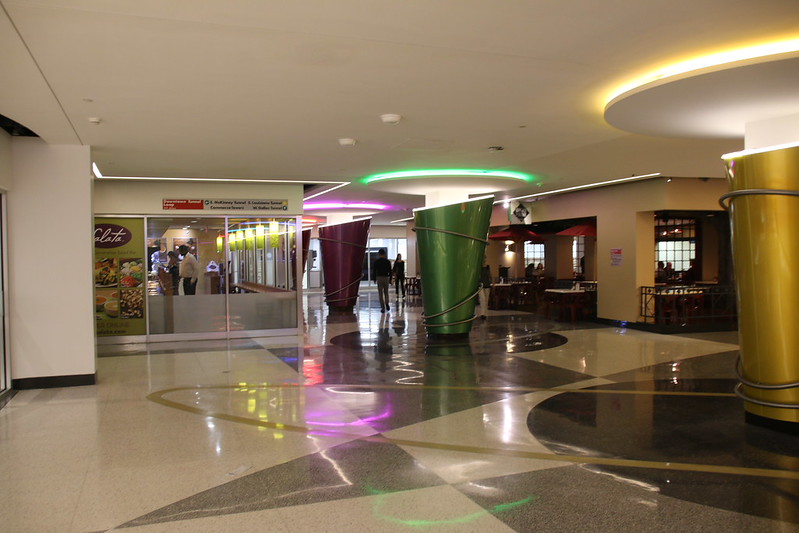
Houston seems like an unlikely candidate for extensive underground infrastructure—it’s flat, hot, and notoriously car-dependent. Yet the city has developed one of the largest pedestrian tunnel networks in the country, covering more than seven miles beneath downtown. The system started modestly in the 1930s as a link between two movie theaters, but it expanded dramatically over the following decades. Now it connects banks, office buildings, food courts, shops, and even barbershops, all hidden below street level where the Texas heat can’t reach. The tunnels operate only on weekdays, so tourists often miss them entirely, but for people working downtown, they’re an essential escape from summer temperatures that regularly top 100 degrees. The Houston tunnels serve a purely functional purpose—no bootleggers, no buried cities, no presidential escape routes. That makes them less dramatic than some of their counterparts elsewhere, but no less impressive in scope. Walking through them feels like discovering a parallel city, one that exists solely to make modern urban life more bearable. On that front, they succeed.
Indianapolis' Catacombs
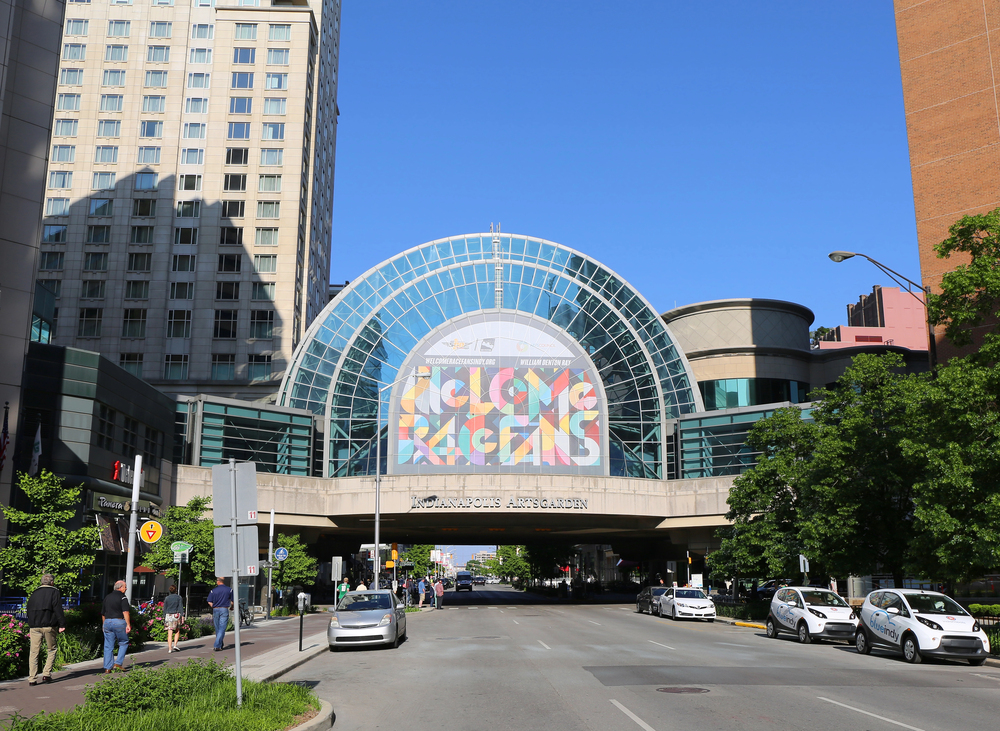
Beneath the Indianapolis City Market lies a network of catacombs that dates back to the late 1800s. These underground passages were originally constructed as the basement of Tomlinson Hall, a grand structure built in the 1880s that served as a public gathering space. The tunnels, featuring dirt floors and multiple supporting columns, were primarily used for storage, taking advantage of the naturally cool temperatures to keep food fresh for the market above. When fire destroyed most of Tomlinson Hall in 1958, the solidly built basement survived. What remains today is remarkably well-preserved, a maze of brick archways and tunnels that stretch for several blocks beneath the city. The Indianapolis catacombs have found new life as a venue for tours, special events, and even ghost tours. The eerie atmosphere—dim lighting, ancient brickwork, the sense of descending into forgotten history—makes them a natural fit. Unlike some tunnel systems that feel sanitized or overly commercialized, the Indianapolis underground retains a raw authenticity. You can see the age in the walls, feel the weight of the city pressing down from above. For visitors interested in experiencing a genuinely old underground space without the polish, this is one of the best options in the Midwest.
Dallas' Underground Walkways
Dallas developed its underground pedestrian network in the early 1970s with a specific goal: to connect downtown buildings and make the city center more walkable. The system now spans several miles, linking major office towers through a combination of tunnels and skywalks. Like Houston’s system, it features shops, restaurants, and services, creating a climate-controlled alternative to navigating the city at street level. Texas summers make this particularly appealing—stepping out of an air-conditioned office into 105-degree heat isn’t anyone’s idea of a pleasant commute. The tunnels solve that problem neatly. What sets the Dallas network apart is how integrated it became with the city’s professional culture. The tunnels aren’t just a convenience—they’re a central part of how people move through downtown during the workweek. Lunch crowds pack the underground restaurants, and morning coffee runs happen entirely below ground. It’s a testament to forward-thinking urban design, even if the result lacks the colorful history of bootlegging tunnels or buried cities. Sometimes good infrastructure is its own reward, even when there’s no dramatic story attached.
Washington D.C.'s Secret Passages
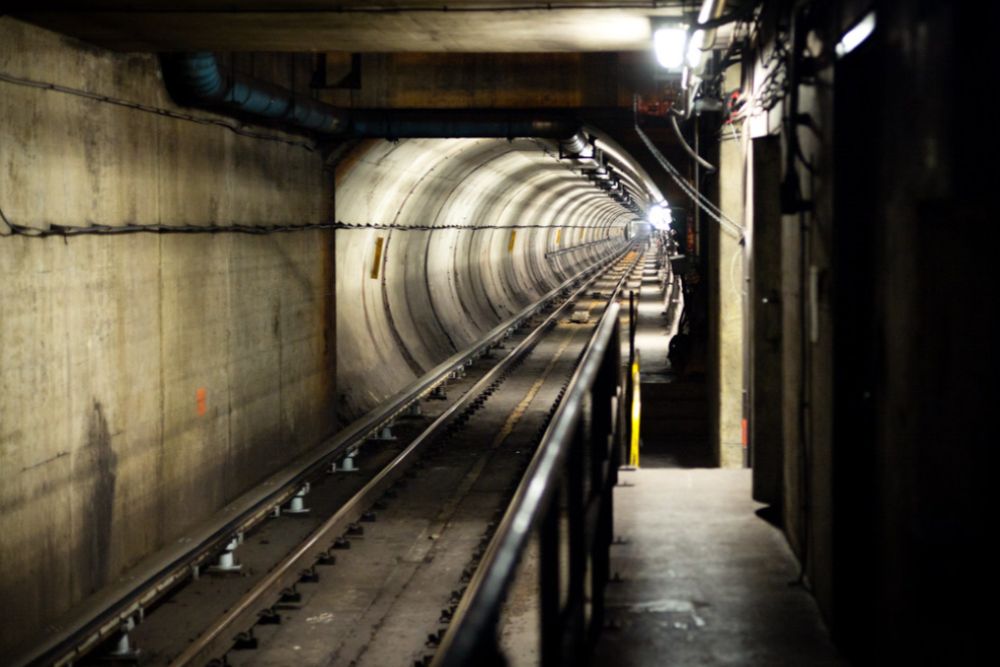
The nation’s capital predictably has its share of secret tunnels, many of them built for security rather than commerce or convenience. A narrow passageway connects the White House to the Treasury Department’s armored vaults, allowing secure movement of people and potentially valuables. Members of Congress have used tunnels to travel between Capitol Hill buildings for more than a century, staying out of sight from tourists, press, and Washington’s unpredictable weather. Some of these passages are still in active use, while others remain classified. The existence of Cold War-era bunkers beneath government buildings adds another layer to the underground landscape, though those details remain largely out of public view. That said, not everything underground in D.C. is off-limits. The Capitol Visitor Center, opened in 2008, incorporated parts of the tunnel network into its design, giving tourists a glimpse of how the complex connects below ground. It’s a sanitized version of the real thing, naturally—no one’s getting access to secure government tunnels through a public tour. But it acknowledges what everyone already suspected: Washington operates on multiple levels, and the most sensitive operations happen where cameras can’t reach.
Where the Past Meets Pavement
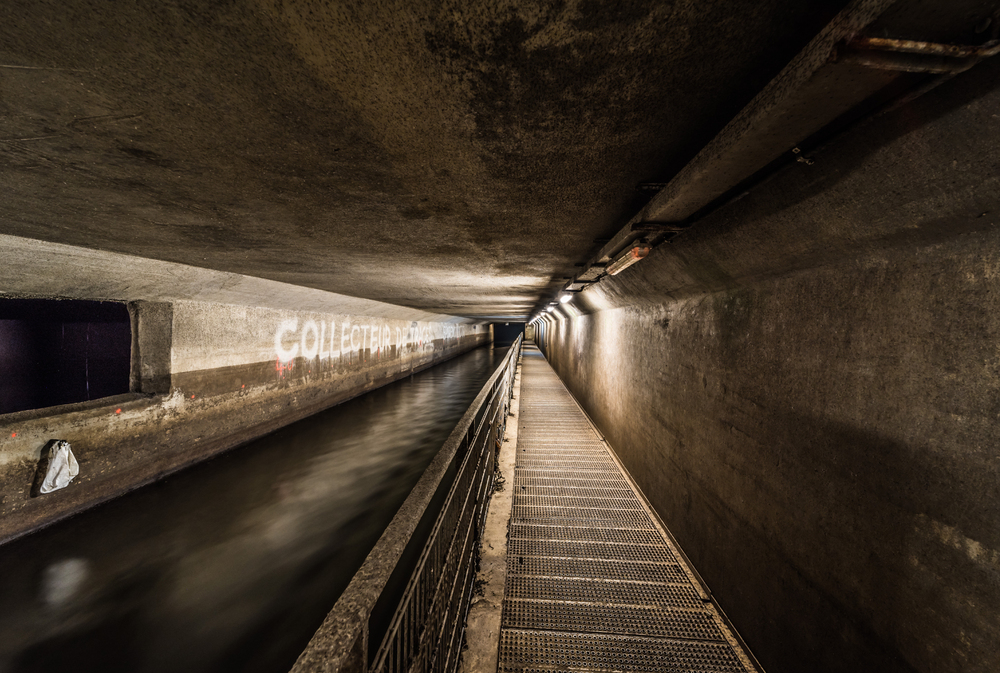
Subterranean tunnels reveal things that history on the surface usually glosses over. They show how cities coped with catastrophe, responded to their own geography, and sometimes imaginatively bent and broke the law. Seattle reconstructed itself on top of its own wreckage. Portland’s harbor prospered based on a reputation perhaps more mythical than actual. Chicago entombed its obsolete freight system and forgot about it until water flooded in. Los Angeles converted empty traffic tunnels into bootlegger roads. These aren’t the tales that find their way into official city marketing, but they’re the most human ones. What unites them all is the reminder that cities have depth, both physical and metaphorical. Each time you stroll down a city street, there’s a possibility that something overlooked lies directly at your feet, waiting for someone with enough curiosity to look down rather than up.


Post a Comment for "Hidden Tunnels Beneath American Cities"
Post a Comment