
How to Grow a Walnut Tree from Seed in 5 Steps
Growing a Walnut Tree from Seed: A Step-by-Step Guide
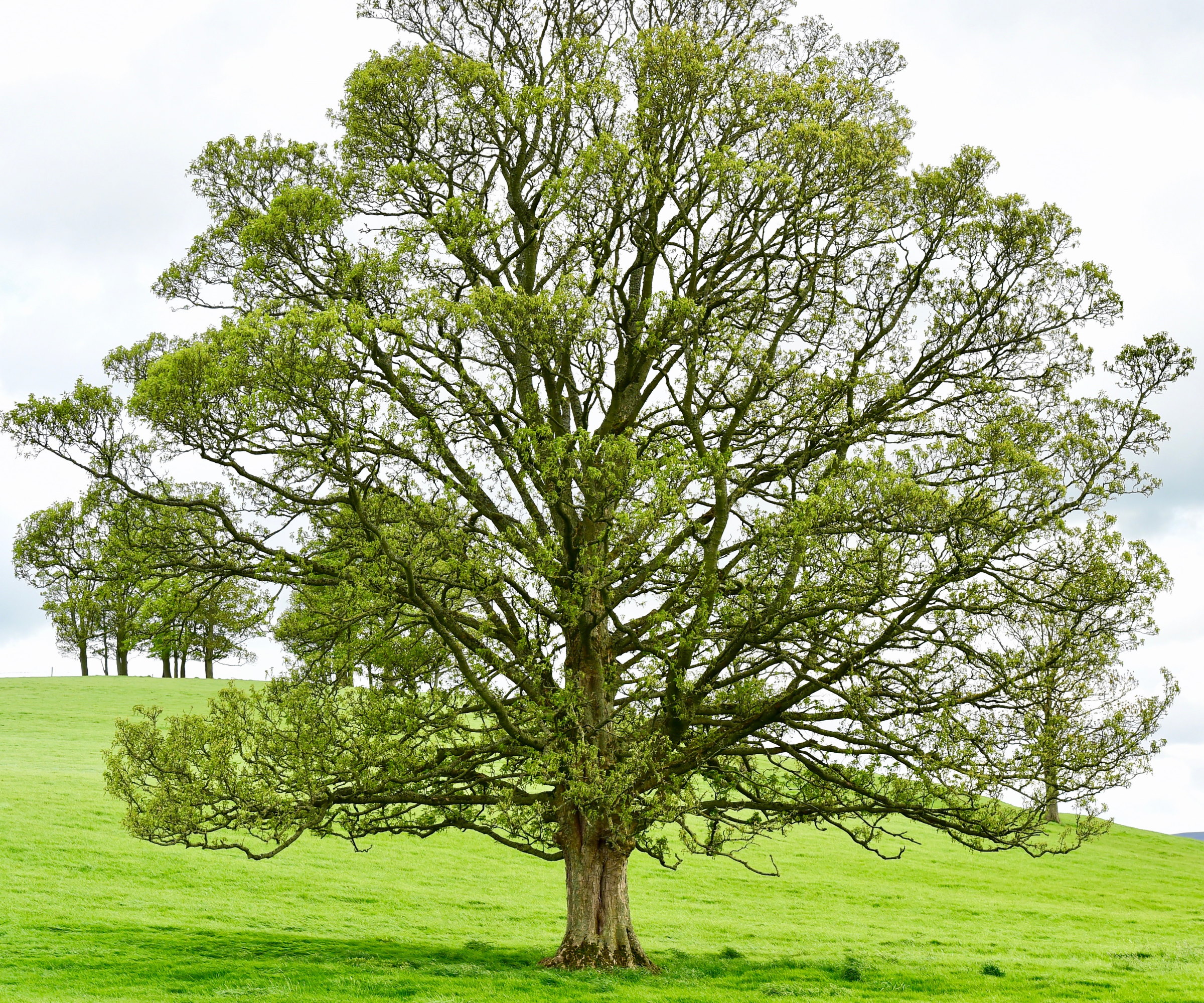
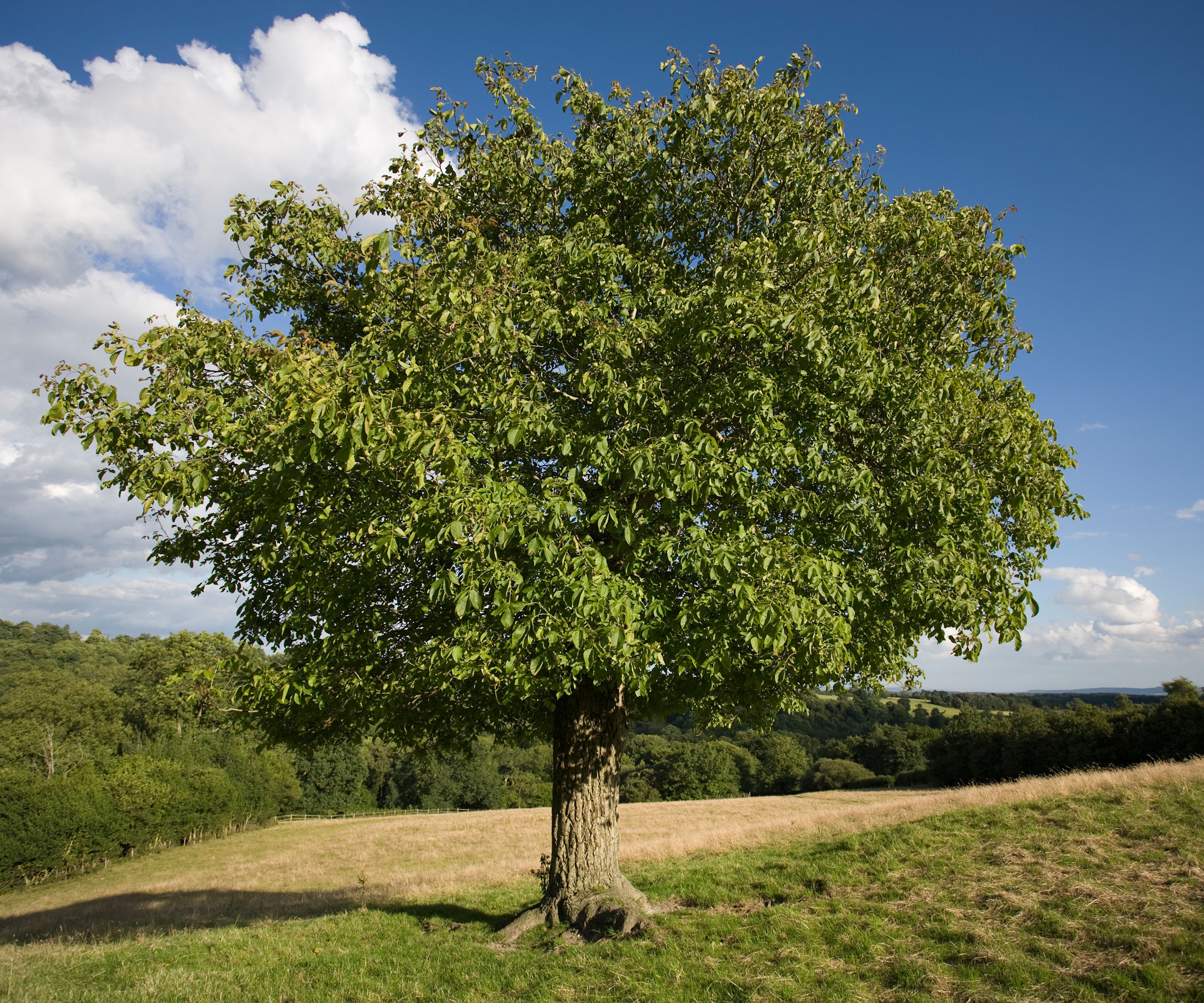
Walnut trees bring a unique charm to any yard, with their springtime yellow-green catkins and the bounty of delicious walnuts they produce in the fall. While growing a walnut tree may seem daunting at first, with a bit of patience and proper care, it can become a rewarding addition to your garden. One of the most exciting aspects is that you can grow a walnut tree from seed. However, be prepared for a long wait—walnut trees take time to mature and bear fruit.
It’s important to note that walnut trees are not the easiest fruit trees to grow. They require ample space, consistent moisture, and full sun to thrive. Once established, though, they become more low-maintenance as they mature. With the right steps and expert guidance, you can successfully grow a walnut tree from seed, whether you're cultivating an English walnut or harvesting black walnuts from your yard.
5 Steps to Grow a Walnut Tree from Seed
When growing a walnut tree from seed, there are several key steps to follow to ensure success. Here's a simplified guide:
-
Harvest Fresh Walnut Seeds
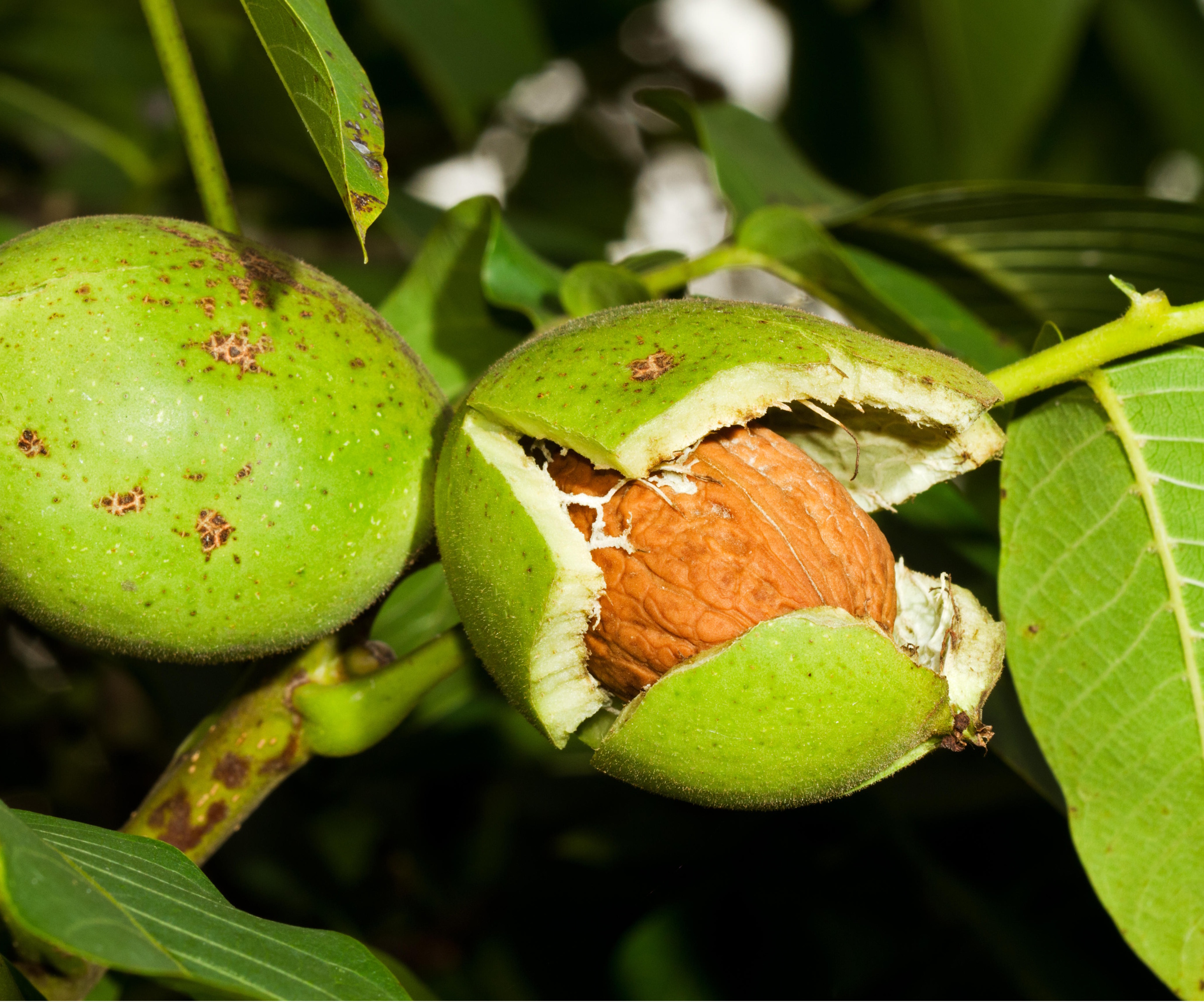
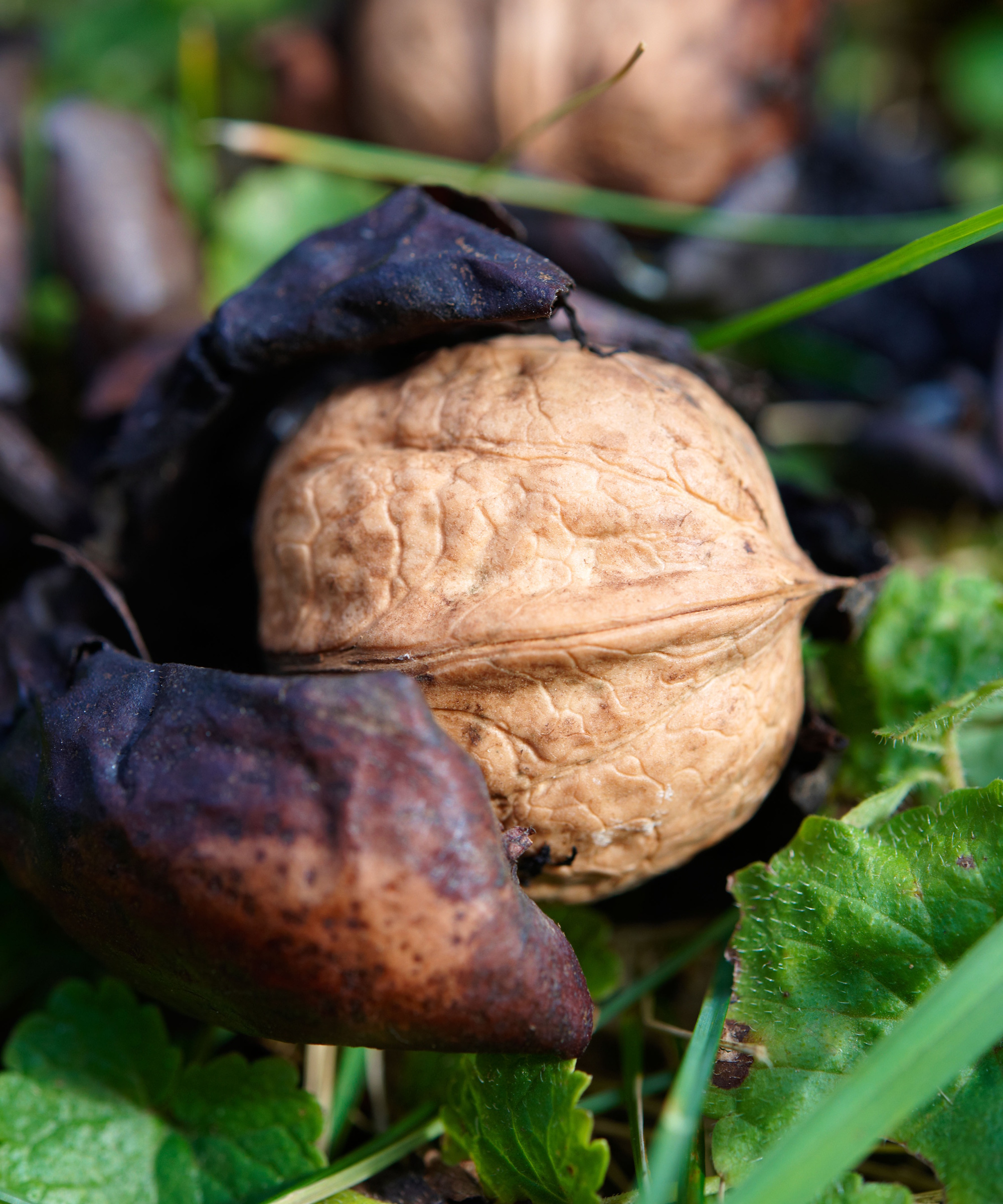
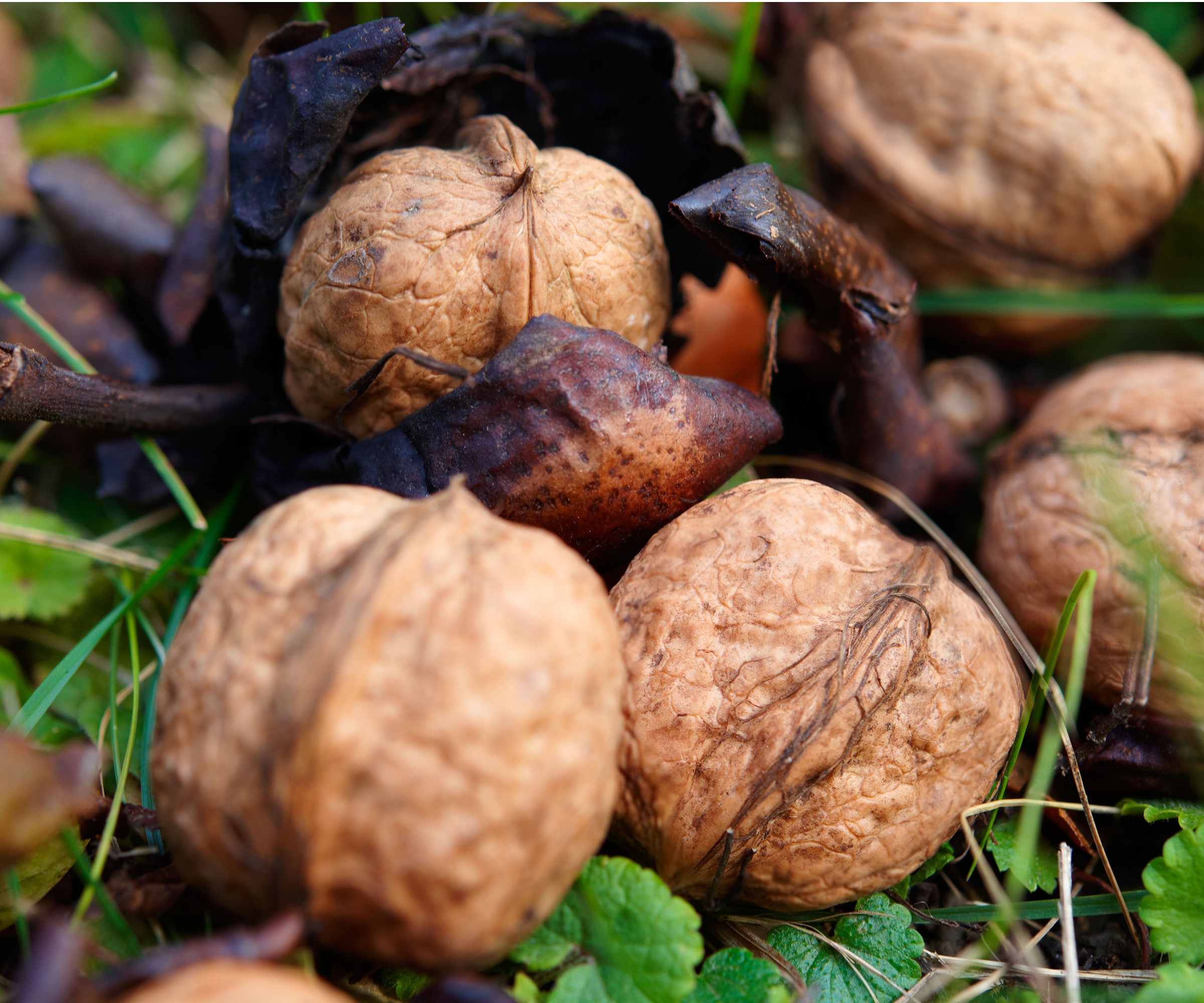
The process begins with collecting fresh walnut seeds. You can either gather them from an existing tree or purchase them from online retailers. The best time to harvest is in the fall when the outer green husks are dark and have split open. Remove the husk to access the hard shell, which is the actual seed. Ensure the seeds are whole, firm, and free of cracks or holes. Clean them thoroughly and soak them in water for about 24 hours to help soften the shell for germination. -
Stratify the Walnut Seeds
After soaking, the next step is stratification, which involves exposing the seeds to cold temperatures to break dormancy. Place the seeds in a sealed plastic bag filled with moist sand or vermiculite and store them in the refrigerator for three to four months. Check the medium regularly to keep it moist but not soggy, adding water if necessary. -
Plant the Seeds in a Sunny Location
When the stratification period ends, it’s time to plant the seeds. The ideal time for planting is early spring, either directly outdoors or indoors in a greenhouse. Choose a location that provides enough space for the tree to grow to its full height and spread. The area should receive six to eight hours of direct sunlight daily and have well-draining, moisture-retentive soil. Avoid areas prone to cold winds or frost pockets. -
Water the Seeds Well
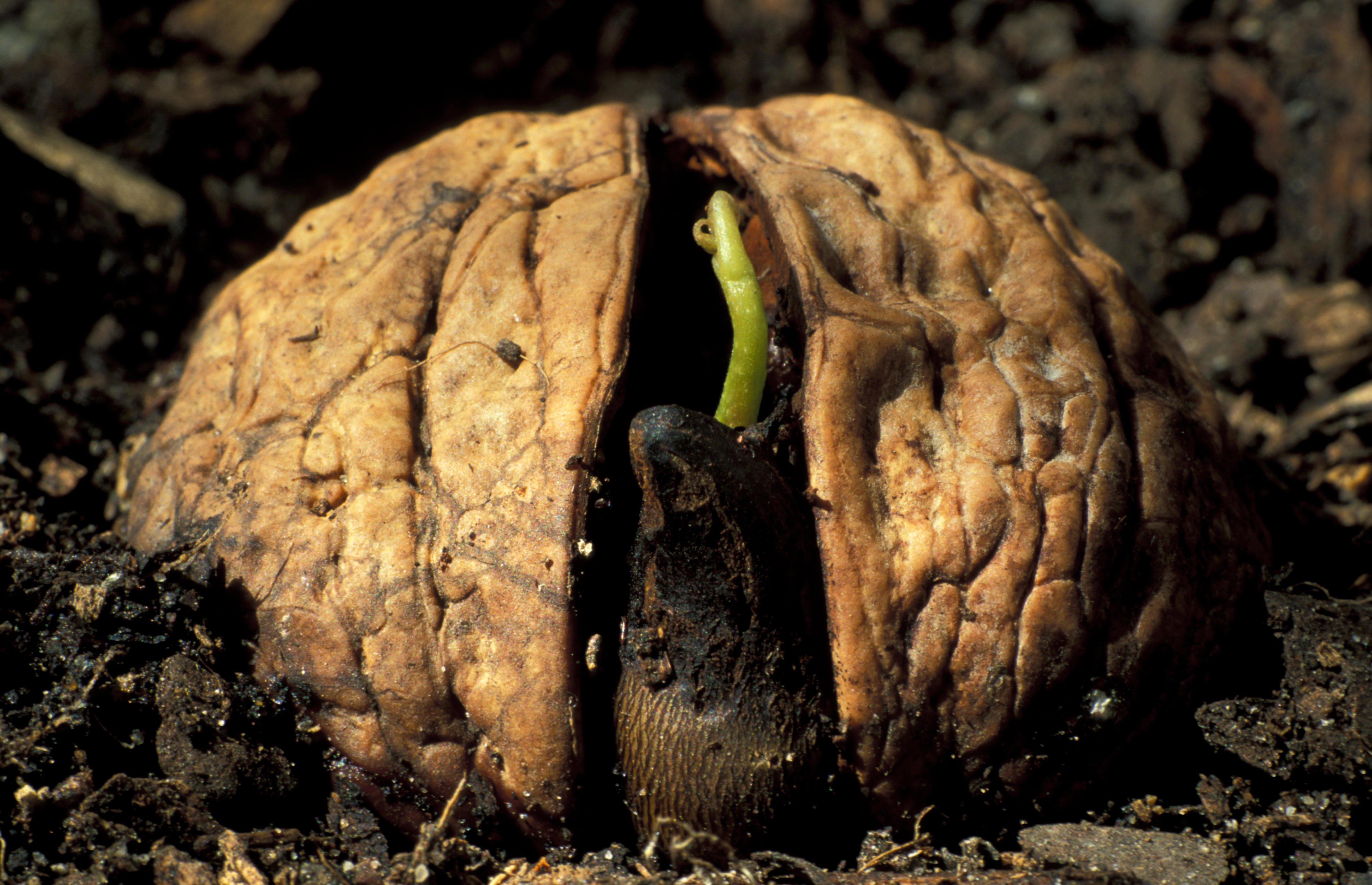
During the germination phase, the seeds need consistent moisture. Water them thoroughly after planting and monitor the soil to prevent it from drying out completely. A soil moisture meter can be helpful in maintaining the right level of hydration. As the seedlings emerge, consider mulching to retain moisture and suppress weeds. -
Transplant Seedlings Started Indoors
If you started the seeds indoors, transplant the seedlings outdoors once they have several sets of leaves and are around six inches tall. Before moving them outside, harden them off by gradually exposing them to outdoor conditions over a week. Transplant them after the last frost to increase their chances of survival. Handle the seedlings carefully to avoid damaging the roots, keeping as much soil around them as possible.
Additional Tips for Growing a Healthy Walnut Tree
One important consideration when growing walnuts is their production of juglone, a natural compound that can inhibit the growth of nearby plants. Black walnuts are particularly known for this, so it’s essential to choose plants that are tolerant of juglone.
Walnut trees are self-fertile, meaning they can produce nuts on their own. However, for a more reliable harvest, it’s recommended to plant a second tree nearby. Pruning is also crucial for maintaining the health of the tree. It should be done in late winter during dormancy, using clean pruning tools to make precise cuts.
With these steps and tips, you’ll be well on your way to growing a thriving walnut tree. Whether you’re looking for a bountiful harvest or simply enjoying the beauty of a mature tree, the effort will be well worth it in the long run.

Post a Comment for "How to Grow a Walnut Tree from Seed in 5 Steps"
Post a Comment