
How to Keep Mice Out of Your Home This Fall, Expert Tips
Preventing Mice from Entering Your Home
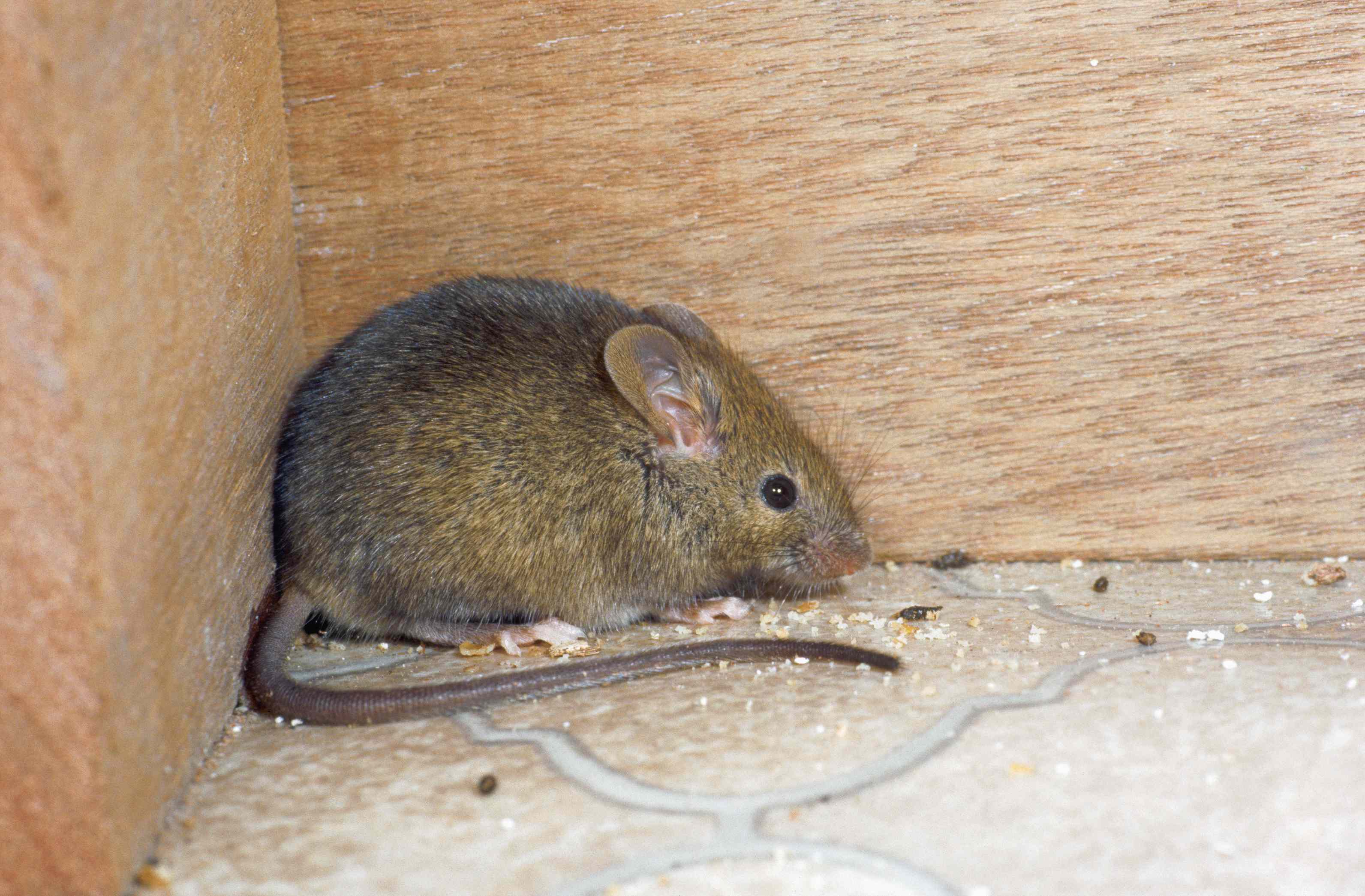
As the temperature drops, you're not the only one seeking a warm and comfortable place to spend the winter. Mice are also on the move, and they may decide to make your home their new residence. According to Robert Pierce, PhD, an associate professor and state extension fisheries and wildlife specialist at the University of Missouri, "Mice can come indoors year-round, but as the temperatures drop, they are looking for sheltered areas." The key things they need are protective cover and food.
Not only is it unpleasant to see a mouse scurrying across your kitchen floor, these pests can cause significant damage once inside. Sheldon Owen, PhD, a wildlife extension specialist at West Virginia University, explains, "They gnaw, contaminate food, and spread disease through their urine, saliva, and droppings." They can transmit illnesses such as hantavirus and leptospirosis, and they may be carrying ticks, which can then bite you or your pets.
Rodents are also highly efficient at reproducing, with 5 to 10 litters per year and 5 to 6 pups per litter. Gestation only takes a few weeks, and they’re ready to reproduce in just six weeks. "A population builds quickly with the right conditions," says Pierce.
While the house mouse (Mus musculus) is the most likely uninvited guest inside your home, other rodents such as the white-footed mouse (Pereomyscus leucopus) and deer mouse (Peromyscus maniculatus) also come indoors, especially if you live in more rural settings. In urban settings, you may deal with the black, or roof rat (Rattus rattus) and the Norway rat (Rattus norvegicus), says Owen.
How To Keep Mice Out
The most effective way to manage mice is to prevent them from getting indoors in the first place, as well as eliminating food and cover near your house. Here are some tips from Pierce and Owen for keeping them outdoors:
-
Seal holes and gaps
Mice can squeeze into holes that are ¼-inch across and rats can fit through ½-inch openings, so eliminate any spaces around windows, doors, fireplaces, dryer vents, and around plumbing, gas, and electrical lines. Use caulk, or stuff copper wool into large holes because it’s harder for them to chew through than steel wool. Don’t use wood, plastic, rubber or screens, which they can easily gnaw. -
Make sure screens are intact
Ditto for door sweeps and seals under your garage door. If you can see daylight around doors, there’s enough room for them to push inside. -
Trim back shrubs and limbs that touch the house
Mice and rats are good climbers and jumpers, so don’t make it easy for them to gain access to your house. -
Clean up clutter
Remove brush piles, cardboard boxes, and even low-growing ground cover near your house, which can hide rodent activity. -
Place the wood pile far away
Not on the front porch, patio or deck up against your house. You don’t want to provide a cozy habitat near your home. -
Keep birdseed and pet food in sealed containers
Opt for thick plastic or metal with tight-fitting lids. -
Make sure garbage cans are sealed
Also, clean them regularly to remove residues that attract mice and other pests such as ants and yellow jackets. -
Forget about “repellants” such as essential oils and ultrasonic devices
These products are not effective, but they are expensive. Why spend more money than you need to when a cheap snap trap can do the job?
How To Tell If You Have Mice
Once you know what to look for, it’s not that difficult to tell you have a rodent invasion, say Pierce and Owen. Because they’re mostly on the move at night, you may never actually see them, but telltale signs include:
-
Brown or black droppings that resemble grains of rice
Especially in drawers, under sinks or other areas out of view. -
Chewed up materials
Such as paper, insulation, fabric, and foam used to line a nest. -
A musty odor or brown, dirty smudges
Stains and smudges on walls indicate a frequently-used pathway. -
Rustling or squeaking noises
Especially in the walls or ceiling.
How To Get Rid of Mice
Don’t panic if you do see signs of mice indoors. They’ll go anywhere they can find food and shelter, so it’s nothing you did wrong. But you don’t have to put up with them! Here’s what to do:
-
Use a snap trap
"They’re cheap and effective," says Pierce. Small traps work for mice, but use rat-sized traps for larger rodents. -
Start by not baiting it
"Leave the trap baited but without setting the snap for a day or two so that the mouse gets used to it," says Pierce. "This prevents them from becoming trap-shy." -
Use a tiny smear of peanut butter
Put some on the trap so they have to work at it. If that doesn’t attract them, try cheese or dried fruit, says Pierce. -
Place your traps along walls
Mice like to travel up against linear edges. Space them out a few feet apart. Set them perpendicular to the wall with the trigger end against the vertical surface, or in small spaces, set two traps parallel to the wall, with the triggers facing in either direction, says Owen. -
Avoid using live-catch traps
This leaves you with a live mouse on your hands. If you let it go, it will just come back into your home. It’s also not legal in most states to relocate an animal. Glue traps also are a bad idea because they are inhumane and also expose you to a live animal, says Owen. -
Don’t use toxicants or baits
For starters, you expose any animal (including your pets) to the substance. Plus, any rodent that eats it may die inside your walls and leave you with a horrible odor. Or if the rodent doesn’t eat enough toxicant to die, it will get sick and become bait-shy, avoiding the bait after that, says Owen. -
Hire a professional
If you just don’t want to deal with any of this or you think you have a serious infestation, enlist the help of a professional pest control company. Get multiple bids, says Pierce.

Post a Comment for "How to Keep Mice Out of Your Home This Fall, Expert Tips"
Post a Comment