
Investors Respond to BOJ's Rate Decision
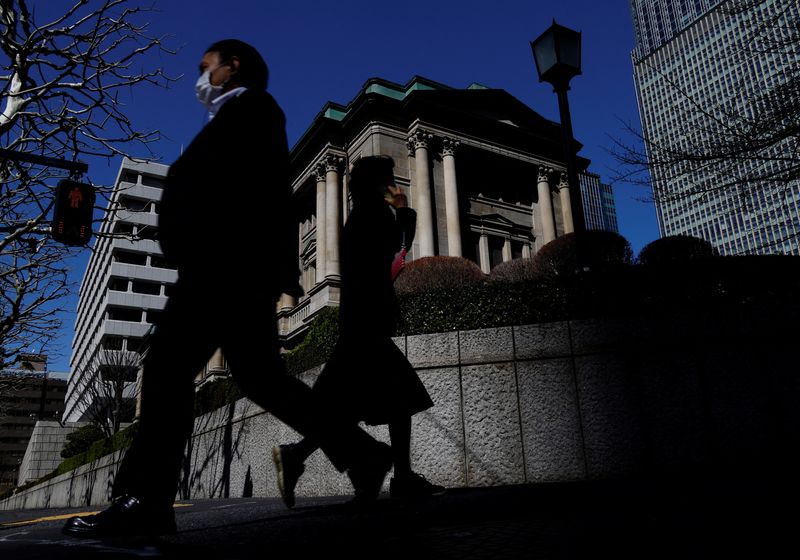
Bank of Japan Maintains Rates, Signals Potential Hike in December
The Bank of Japan (BOJ) has decided to keep interest rates unchanged on Thursday, maintaining the short-term rate at 0.5%. However, the central bank reaffirmed its commitment to increasing borrowing costs if economic conditions align with its projections. This move has prompted investors to anticipate a potential rate hike as early as December.
Despite keeping its long-term forecasts largely consistent, the BOJ provided more details about global risks that could impact Japan's recovery. This suggests a heightened focus on downside risks to growth. While the decision was widely anticipated, two board members—Naoki Tamura and Hajime Takata—chose to dissent, advocating for an increase to 0.75%.
Expert Commentary on the BOJ’s Decision
Norihiro Yamaguchi, Senior Japan Economist at Oxford Economics, noted that the key question is whether Governor Haruhiko Ueda will signal an imminent rate hike during the press conference. If Ueda assesses that the risks from tariff shocks have diminished, market expectations for an early hike may rise, leading to higher Japanese Government Bond (JGB) yields and a stronger yen.
Fred Neumann, Chief Asia Economist at HSBC, highlighted that the BOJ is "tip-toeing" towards a rate hike. With inflation remaining elevated and the economy performing well, the central bank is expected to raise rates eventually. However, the timing remains uncertain, depending on incoming data and the stance of new Prime Minister Sanae Takaichi.
Hirofumi Suzuki, Chief FX Strategist at SMBC, emphasized that the decision reflects the BOJ's own assessment rather than political pressure. He expects the central bank to continue a gradual pace of rate increases, with another hike likely at the December meeting.
Shoki Omori, Chief Desk Strategist at Mizuho Securities, pointed out that the announcement reinforces the authorities' commitment to a "gradual normalization" of policy. Key indicators such as Shunto wage negotiations, service-sector price movements, and external economic developments will be closely watched between now and December.
Christopher Wong, Currency Strategist at OCBC, noted that while the lack of a hawkish tilt disappointed some investors, the overall direction of BOJ policy remains toward hikes. The Fed-BOJ policy divergence could support the dollar/yen trend, though the slow pace of BOJ normalization may frustrate bears.
Political and Economic Considerations
Tohru Sasaki, Chief Strategist at Fukuoka Financial Group, mentioned that his forecast has shifted from an October hike to the next fiscal year due to Takaichi's leadership. He believes the market is pricing in a 40-50% chance of a rate hike by the next meeting, though this could change based on Ueda's press conference.
Keisuke Tsuruta, Senior Fixed Income Strategist at Mitsubishi UFJ Morgan Stanley Securities, noted that the presence of only two dissenters eased market concerns about a sudden shift toward a hawkish stance.
Charu Chanana, Chief Investment Strategist at Saxo, stated that the central bank remains cautious, making it difficult to argue for a higher probability of a December hike. Unless Ueda signals a more hawkish tone, the yen could face further pressure.
Sim Moh Siong, Currency Strategist at Bank of Singapore, observed that the yen is slightly weaker, partly due to the Fed's recent hawkish surprise. He emphasized the need for more clarity from Ueda, as the possibility of a BOJ rate hike before year-end remains live.
Global and Domestic Factors
Krishna Bhimavarapu, APAC Economist at State Street Investment Management, highlighted the increased likelihood of a rate hike within the next two policy meetings once global trade volatility is better understood. However, the BOJ is expected to proceed gradually.
Masato Koike, Senior Economist at Sompo Institute Plus, noted that Takaichi's election as prime minister influenced the BOJ's decision to delay the rate hike. He suspects the central bank avoided rushing into a hike prematurely due to her unclear stance. Should the U.S. implement rate cuts, the rationale for raising rates would diminish, potentially marking the end of the cycle in January.
Kazutaka Maeda, Economist at Meiji Yasuda Research Institute, pointed out that limited communication time with Takaichi made it challenging for the BOJ to make significant changes. However, he noted that Takaichi is not entirely opposed to a rate hike, and improved communication could lead to a December decision. Recent comments from U.S. Treasury Secretary Bessent may also provide support for a rate hike.

Post a Comment for "Investors Respond to BOJ's Rate Decision"
Post a Comment