
Longevity Doctor: Exercise, Tests, and Protein for Aging Well
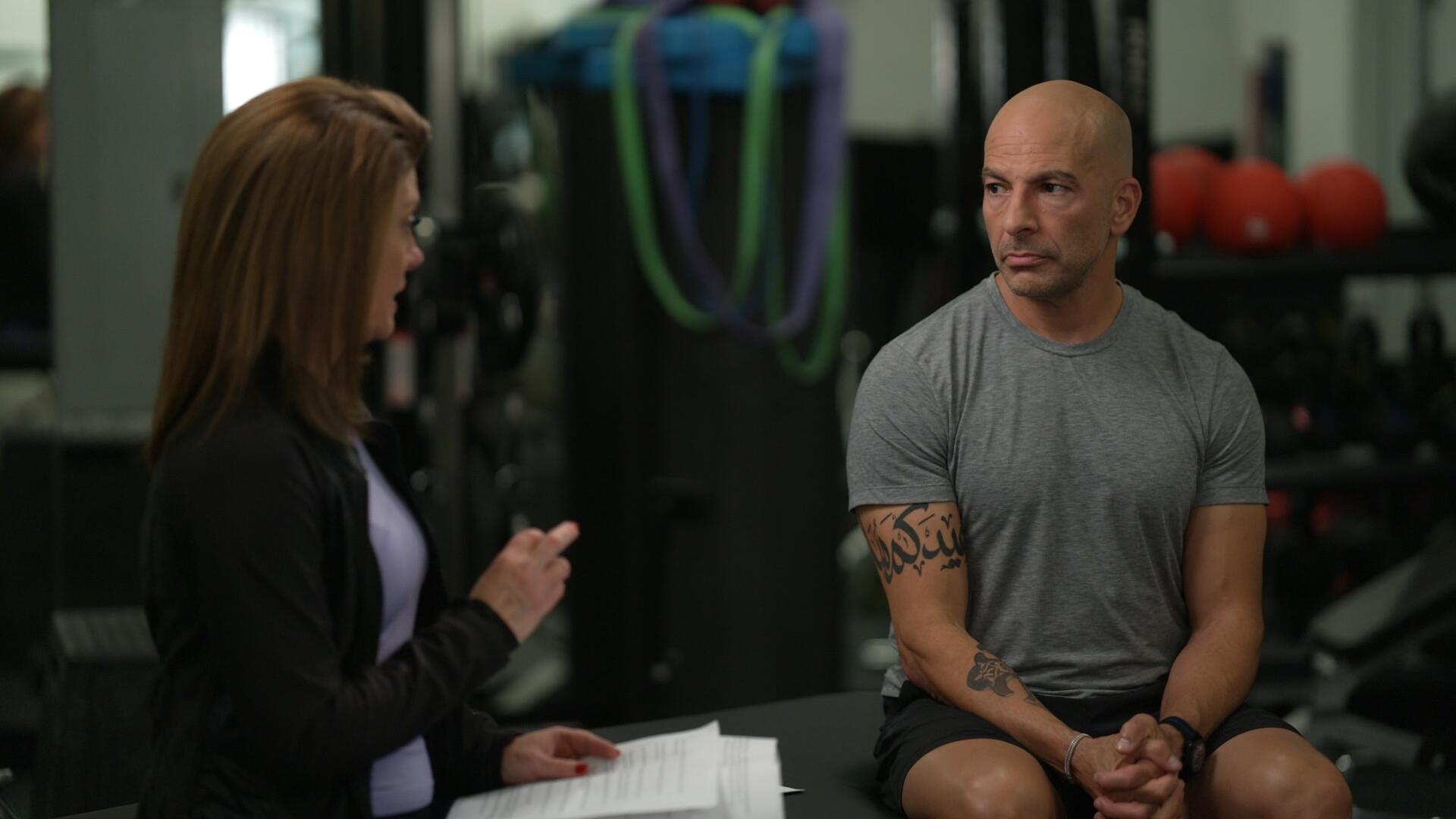
After becoming a father, Dr. Peter Attia embarked on a personal journey to redefine his approach to health and longevity. This new path led him to become a pioneer in the field of longevity medicine, where he focuses on preventing chronic diseases and enhancing quality of life in the later years.
The Concept of Medicine 3.0
Dr. Attia's "Medicine 3.0" model emphasizes prevention and patient-driven care, aiming to help individuals thrive during their final decade of life. This period is often marked by illness and reduced mobility, but Attia believes it can be made more enjoyable through proactive health strategies.
"We will all have a final decade of life," Attia explained. "My goal is to make that time as enjoyable as possible."
The Importance of Preparing for the Final Decade
According to the Centers for Disease Control and Prevention, over 90% of senior citizens in the United States suffer from at least one chronic disease. As people age, especially after 75, physical decline becomes more pronounced, with significant drops in activity levels and muscle mass.
Attia highlights the need for early intervention to slow this decline. He warns that without preventive measures, individuals may only operate at about 50% capacity both cognitively and physically in their final years.
The Work Behind Longevity
Attia's practice involves a small number of patients, some of whom are billionaires. His program is expensive, with fees ranging in the six figures. Despite the cost, he emphasizes the value of comprehensive health assessments.
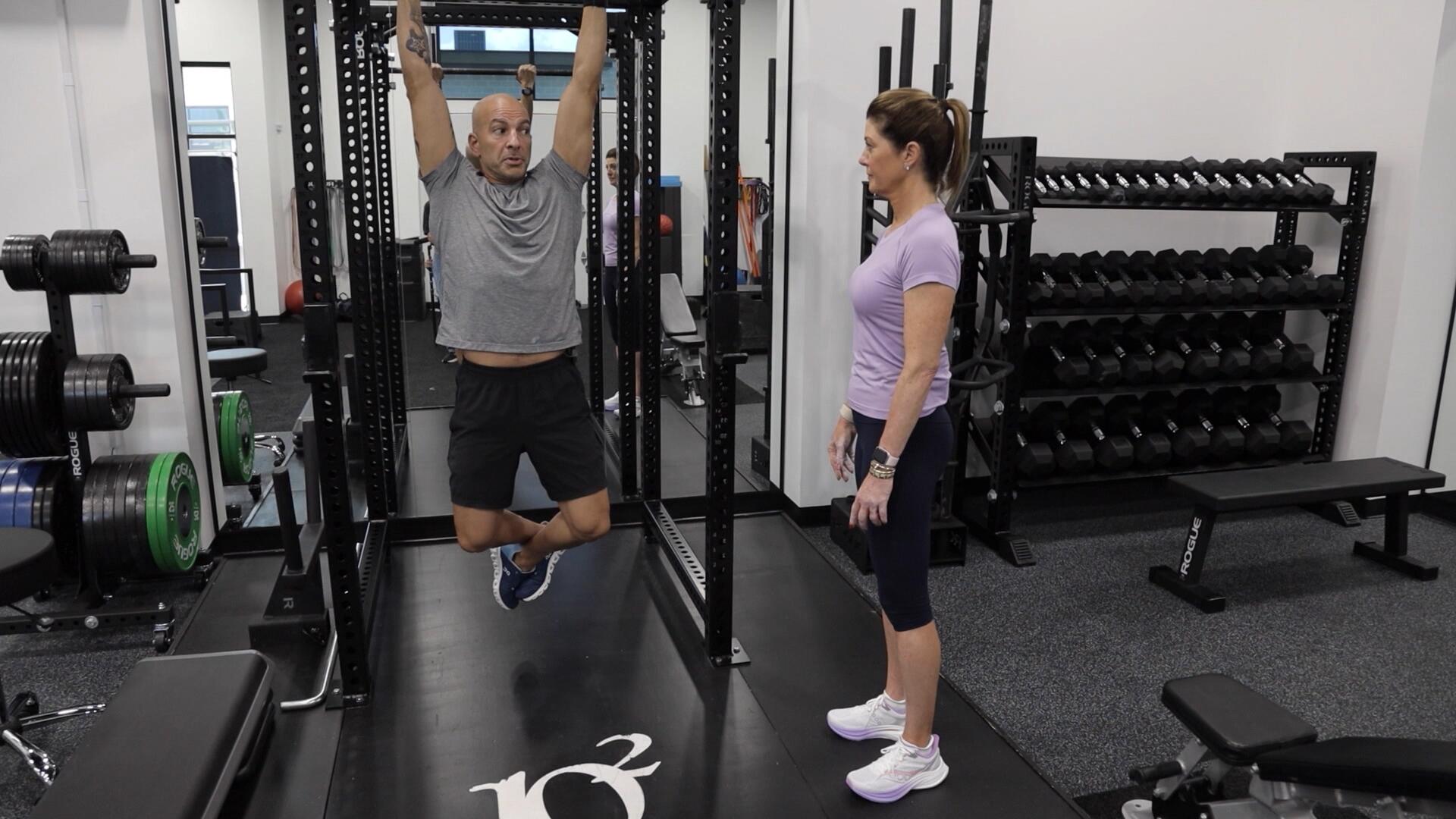
Patients begin with an intensive two-day evaluation in Austin, Texas. This includes tests measuring fitness, strength, and movement—factors that Attia believes are more predictive of lifespan than traditional bloodwork.
Key Health Indicators
One of the most important indicators of overall health and longevity is VO2 max, which measures the body's ability to use oxygen efficiently. Attia recommends regular exercise, including cardio, high-intensity intervals, and weightlifting, to maintain physical and cognitive function.
Diet also plays a crucial role. Attia advises his patients to consume about one gram of protein per pound of body weight daily, significantly higher than standard guidelines.
Diagnostic Tools and Testing
Attia utilizes existing diagnostic tools like DEXA scans to assess bone density, muscle mass, and body fat. These scans can detect early signs of osteopenia and visceral fat buildup, both of which increase the risk of serious health issues.
He also encourages full-body MRI scans as a preventative measure, despite concerns from medical authorities about their effectiveness and potential for false positives. Attia acknowledges the risks but believes early detection can improve treatment outcomes.
Additionally, he suggests testing for the APOE gene, which is linked to Alzheimer's disease risk. Some patients have also used Rapamycin, a drug approved for transplant recipients, though Attia has stopped using it due to side effects.
Benefits Beyond Physical Health
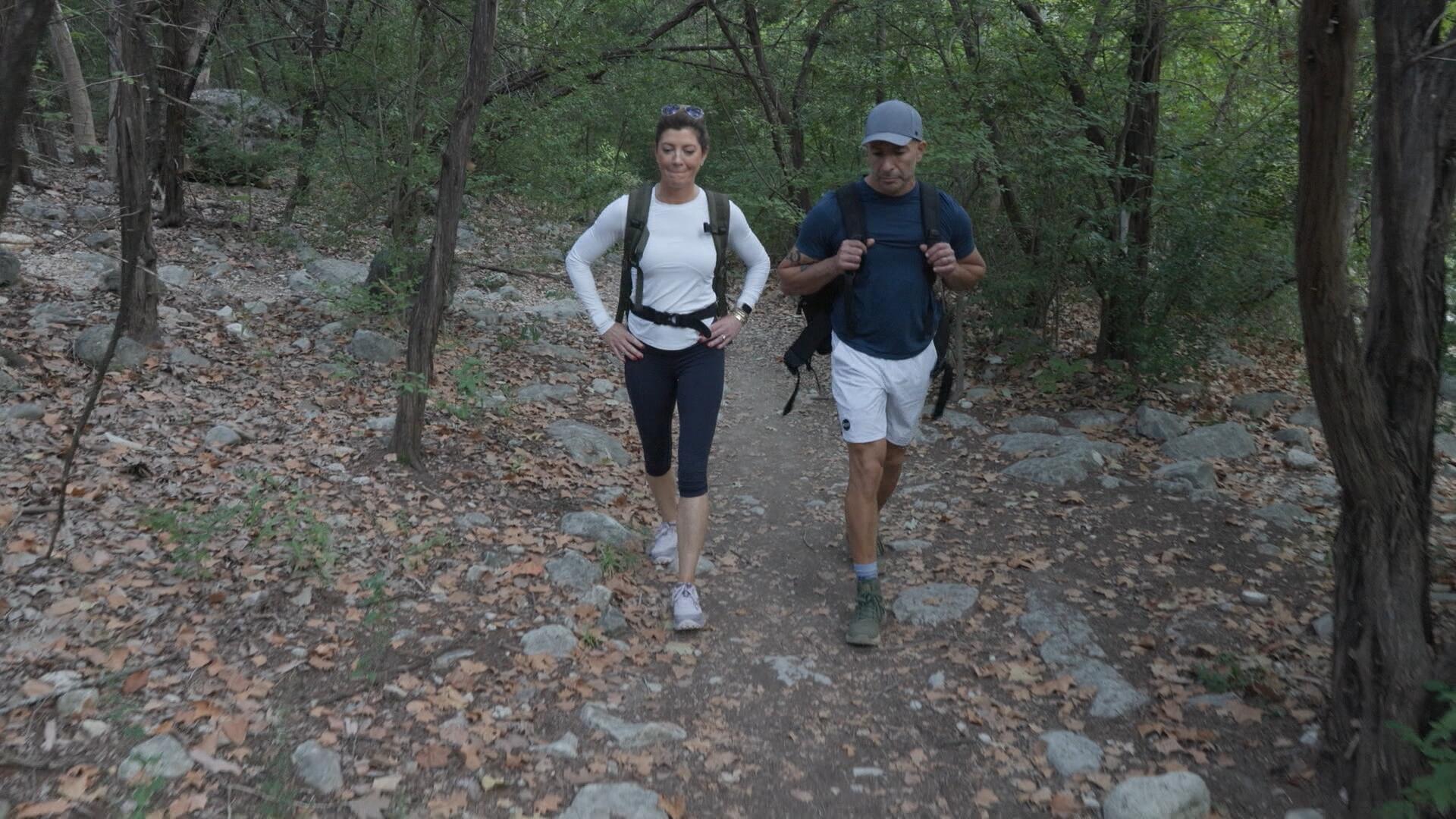
For Attia, exercise is not just about physical health. Activities like rucking provide opportunities for social interaction, mental clarity, and emotional well-being. He credits his wife, Jill, for her unwavering support, emphasizing the importance of strong relationships in longevity.
Multiple studies show that having meaningful connections with others can extend life, and Attia believes this connection is more than just a correlation—it has a causal effect.
Future Plans and Skepticism
Attia plans to launch a digital health app called Outlive next year, offering tools for nutrition, exercise, and sleep improvements. He insists that many aspects of his program do not require a physician and that it's never too late to start.
However, some physicians remain skeptical of his approach. Attia acknowledges these doubts but remains committed to his vision. He notes that during his time at Stanford University School of Medicine, exercise and nutrition were not part of the curriculum, suggesting that many doctors may lack the expertise to evaluate his methods.
Despite the challenges, Attia is determined to live into his 90s and enjoy a fulfilling relationship with his grandchildren. He sees the difference between being 80 and 90 as significant, and he is working hard to make the most of every moment.

Post a Comment for "Longevity Doctor: Exercise, Tests, and Protein for Aging Well"
Post a Comment