
Milei's New Chance: A Tough Path to Remake Argentina
A Resounding Victory and New Challenges for Argentina's President
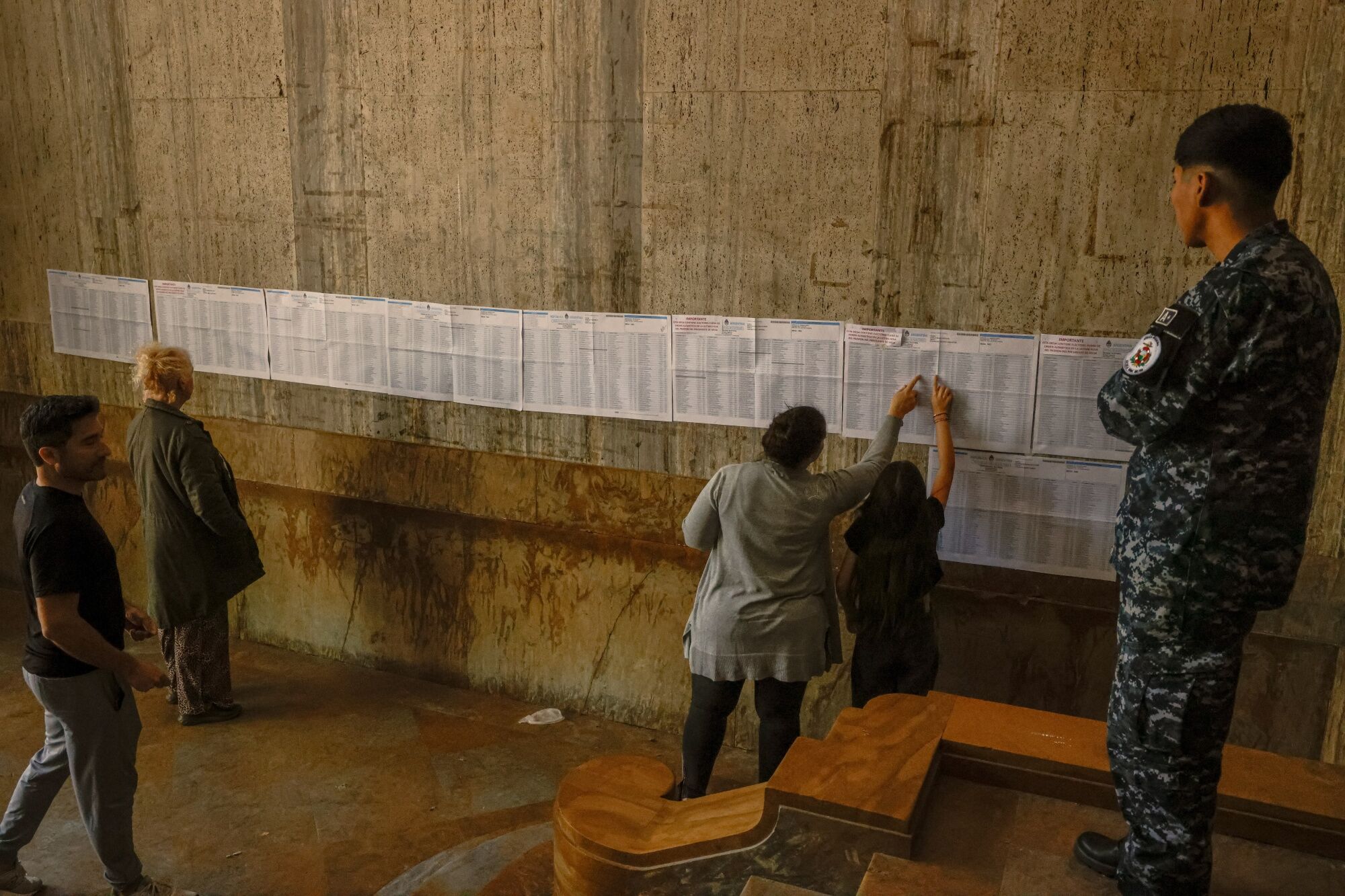
Javier Milei, the libertarian president of Argentina, has seen a significant boost in his political standing following a decisive win in the midterm elections. This victory, supported by a lifeline from the United States, has provided Milei with renewed momentum to pursue his ambitious agenda of transforming Argentina’s economy and breaking the cycle of debt, default, and crisis.
Milei now faces the challenge of capitalizing on this second chance. To do so, he must demonstrate his ability to build strong political alliances and avoid the pitfalls that have hindered previous reformist leaders—challenges that nearly cost him the election.
Just a month ago, voters in Buenos Aires province delivered a major setback to Milei, granting a landslide victory to the Peronist opposition in a local election. Investors interpreted this as a sign that the relief from Milei’s success in curbing inflation had given way to frustration over a sluggish economy, stagnant wages, and a lack of jobs.
A series of corruption scandals further complicated matters, and then Milei’s party’s standard-bearer withdrew from the race due to ties to a drug trafficker. The Argentine peso experienced a sharp decline, even after Donald Trump and Treasury Secretary Scott Bessent offered their support. Traders and families anticipated an imminent devaluation, causing Milei’s approval ratings to drop to their lowest level.
However, despite these challenges, Argentines chose to stick with Milei over the Peronists, who were responsible for the country’s most recent economic collapse. For now, they are willing to give Milei the opportunity to complete his project of dismantling the inefficient state machinery, cutting its budget, and implementing aggressive free-market reforms.
According to Milei’s own estimates, his party and allies will hold more than 100 seats in the lower house, far exceeding the 15% he currently holds and surpassing the one-third needed to protect his veto powers. He will also have 20 of the Senate’s 72 seats.
“Argentines demonstrated they don’t want to return to the model of failure,” Milei declared. “Over the next two years, we must strengthen the reformist path we began in order to turn Argentina’s history around once and for all.”
Argentina’s markets responded positively on Monday morning, with the peso jumping 10%, bonds rising across the board, and its stock index gaining 20% in early trading as investors took in Milei’s newly strengthened position to push forward with reforms.
US Support and Its Impact
The US interventions, including a $20 billion currency swap deal, an estimated $1 billion in peso purchases, and pledges to secure another $20 billion in financing from private banks, played a crucial role in supporting Milei. Despite facing criticism at home for delivering this aid, Treasury Secretary Scott Bessent’s actions were seen as pivotal in stabilizing the situation.
Benjamin Gedan, senior fellow and director of the Latin America Program at the Stimson Center in Washington, emphasized the significance of Trump’s rescue. “It is hard to imagine Milei would have performed this well amid an accelerating run on the peso, with the central bank running out of hard currency.”

One critical question remains: whether Milei’s victory will lead to any course correction at home. Two years ago, he promised to eliminate the “caste” he blamed for turning Argentina into a crisis-prone economy. Since then, he has often treated allies, including former President Mauricio Macri, as part of that group, labeling them and the Peronists as “traitors.”
To achieve the tax, labor, and pension reforms that investors believe are necessary for Argentina to achieve sustainable growth, Milei will need allies both in Congress and key governorships. Pilar Tavella, head of macro and sovereign strategy at Balanz Capital Valores SA, noted that the election could mark the beginning of a new political phase.
After a previously confrontational strategy, Milei reached out to the moderate opposition, particularly governors, to pass reforms in Congress by emphasizing collaboration.
What the Experts Say
Jimena Zuniga, a Latin America geoeconomics analyst, explained how Milei managed to pull off this victory. “The scare of the Sept. 7 election likely helped galvanize LLA’s support. Many Argentines who don’t fully embrace Milei’s government — and might have favored centrist options otherwise — probably voted to strengthen the president when they perceived the risk of a Peronist win or the macroeconomic fallout of a weaker administration.”
Financial markets will also be watching for a clear strategy to rebuild Argentina’s foreign reserves, especially through the government’s currency policy. Milei’s government had used those reserves and US assistance to prop up the currency, keeping it within a range established under its most recent $20 billion deal with the International Monetary Fund.
Before the vote, there was skepticism about whether Argentina could maintain this policy, given that many money managers considered the peso overvalued. The question now is whether the government will adjust the band system, devalue the currency, or make other changes—possibly with US support to help stabilize the peso.
However, Milei may need to convince the US to continue its aid. While many analysts expected the victory to bolster Washington’s financial support, Bessent suggested that the rescue package was a “bridge” to the period after the election.
“Now I think the market is going to take care of itself and it’s going to have a lot of confidence in his policies,” Bessent said. “They have some big refinancings next year, but the Argentinian people have spoken.”
Lessons from the Past
History suggests that the current respite could be short-lived if Milei isn’t careful. In 2017, Macri won midterm elections by a similar margin, defeating the Peronists and even knocking off Cristina Fernandez de Kirchner in a Senate race just two years after her presidency ended.
However, Macri’s administration faced a series of policy missteps, including mixed messaging, which led to a drought that hurt agricultural exports and sent the economy into recession. A record IMF bailout worsened his problems, and voters ultimately ousted him in 2019, sending markets into a freefall.
“The test now is whether Milei can stay pragmatic after a win that invites overconfidence,” says Mariano Machado, principal analyst for the Americas at global risk firm Verisk Maplecroft. “Domestic allies expect real power-sharing, especially in provinces where cooperation delivered votes. Abroad, Washington and other partners will be watching for steadiness and competence rather than slogans.”
Argentina’s economy remains fragile. Retail sales have fallen for six consecutive months, and the private sector hasn’t recovered more than 100,000 jobs lost since Milei took office. Foreign investment hasn’t driven growth, and currency controls remain in place for businesses. Argentines continue to buy dollars by the billions, fearing another false dawn.
Milei showed signs of change on Sunday night. He left his signature leather jacket behind, opting for a suit and tie instead. His trademark hair was neater than usual. Instead of boasting about giving Argentines their “best government in history,” he thanked allies and supporters both inside and outside his administration.
He commended the country’s governors for being rational and “pro-capitalist” while saying he’d seek consensus. He even expressed gratitude to Macri, with whom he had formed an alliance leading into the vote. Before that, the pair hadn’t spoken in over a year.
The former president, in turn, credited Milei with renewing hope in the country. He added a plea: “Let’s not waste this opportunity,” Macri said in a social media post, “and leave the past behind forever.”

Post a Comment for "Milei's New Chance: A Tough Path to Remake Argentina"
Post a Comment