
Mother of Trey Reed Leads Black Panthers in Delta State Lynching Protest
A Tragic Death and Alleged Cover-Up
The death of De'Martravion "Trey" Reed, a 21-year-old student at Delta State University, has sparked outrage and accusations of a cover-up. His mother, Sophia Reed, and members of the New Black Panther Party have publicly challenged the official narrative that his death was a suicide, instead alleging that he was lynched.
On September 15, Reed's body was discovered hanging from a tree on the Cleveland campus of Delta State University. Authorities initially ruled the death a suicide, citing no signs of foul play. However, this conclusion has been met with skepticism by those close to Reed and civil rights advocates.
The Rallies for Justice
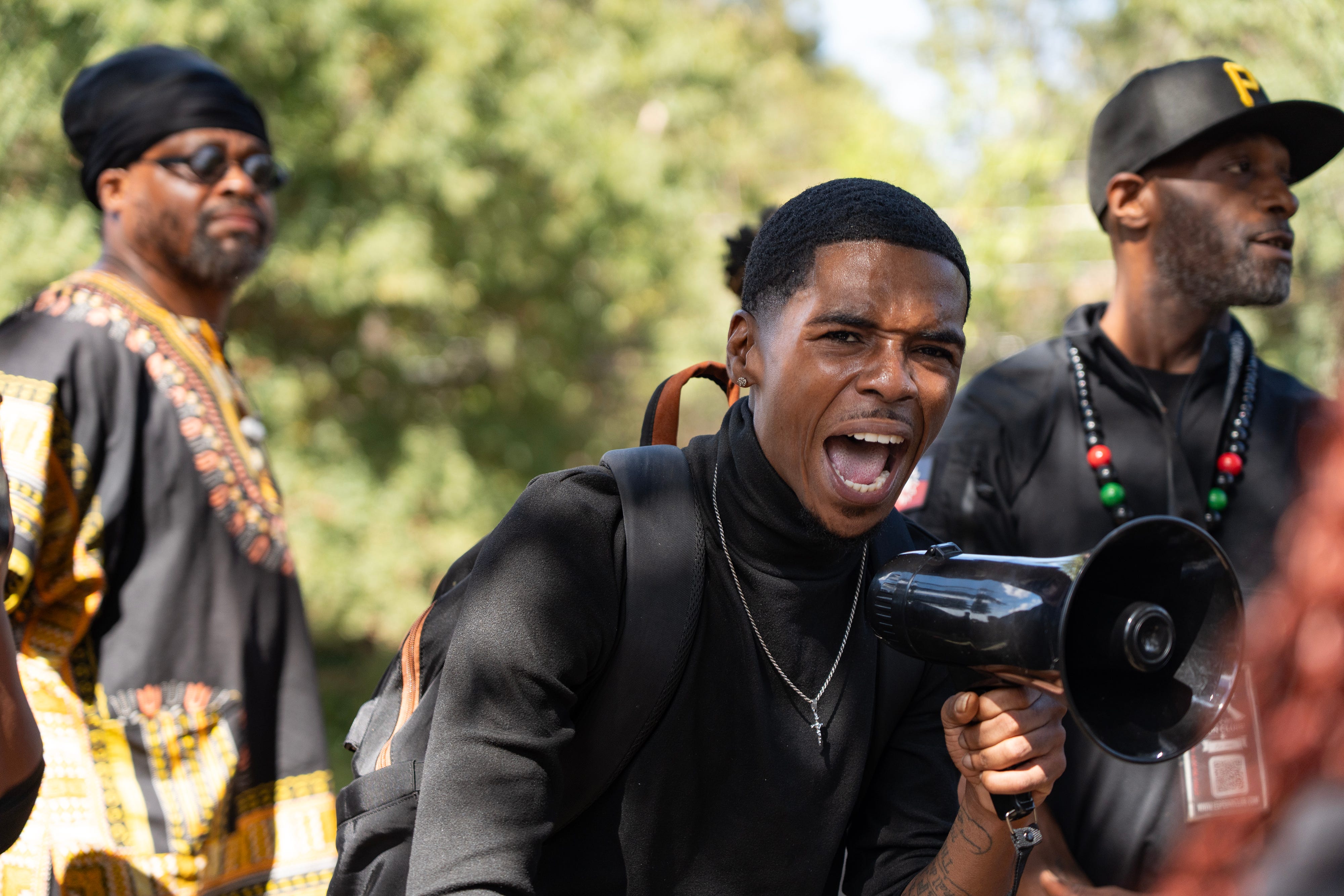
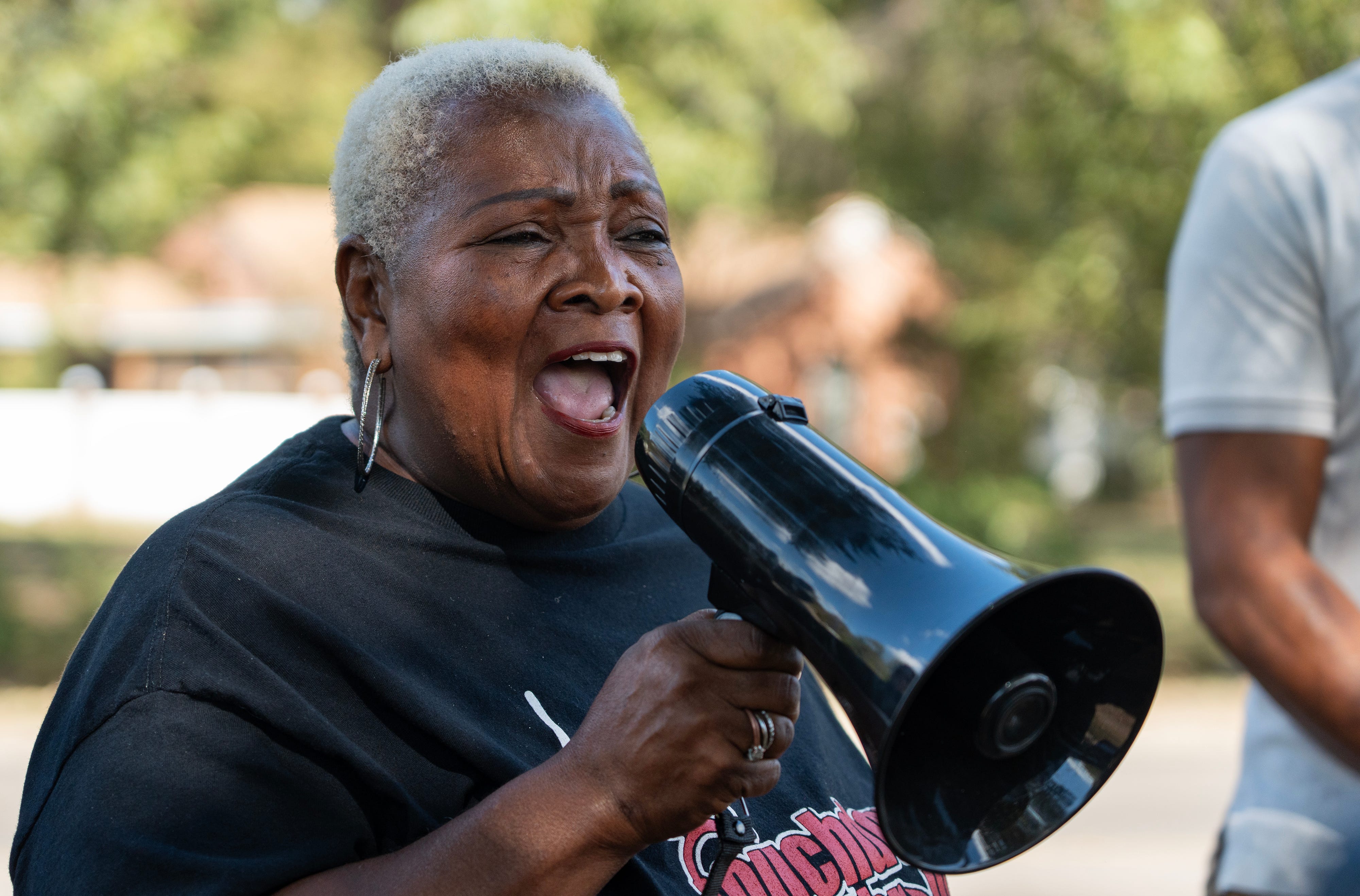
On October 18, a rally was held at Delta State University to demand transparency and justice for Trey. The event was attended by over 30 people, including members of the New Black Panther Party and other activists. The group accused authorities of failing to investigate thoroughly and suggested that Reed had suffered significant physical trauma before his death.
According to an independent preliminary autopsy conducted by attorneys hired by Reed's family, there were signs of "blunt force trauma to the back of his head," "bruises down his back and [on] his buttocks," "a broken leg," and a "sprained ankle." These findings contradict the official determination of suicide.
Despite these claims, the Clarion Ledger has not received a response from the organization regarding the preliminary report. Additionally, the legal team representing civil rights attorney Ben Crump, who arranged for the independent autopsy through the Colin Kaepernick "Know Your Rights Camp Autopsy Initiative," has not provided details about the findings. Dr. Matthias I. Okoye of Nebraska conducted the inspection before Reed's funeral on September 27, but no conclusive report has been released yet.
Community Response and Calls for Accountability
The rally featured chants of "No Justice, No Peace" and "Justice for Trey Reed." Attendees gathered under trees near the campus gates, expressing their frustration with the lack of transparency in the investigation. Some formed a single-file line, facing Sunflower Road and the campus, as speakers condemned the systemic issues affecting Black communities.
Passing drivers showed support by extending clenched fists from their vehicles, shouting "Black power" in solidarity. Sophia Reed, who attended the rally, described her son as a "humble" child who frequently attended church and loved sports, particularly football. She emphasized that Trey was not a troublemaker and had a "happy spirit."
Tiffany Hubbard, a long-time friend of Sophia, shared similar sentiments, describing Trey as a quiet person who never caused trouble. She expressed confidence that the truth would eventually come out, despite the pain of knowing such incidents still occur.
Historical Context and Ongoing Concerns
According to the Southern Poverty Law Center, there have been at least eight suspected hangings of Black men and teenagers in Mississippi since 2000. In most cases, local authorities have officially ruled these deaths as suicides, even though family members and civil rights activists have raised objections and cited suspicious circumstances.
Delta State football players were among the first to find Reed's body on the morning of September 15. During a news conference later that day, Delta State University Police Chief Michael L. Peeler stated that Reed died by suicide, noting there was no evidence of foul play. The Bolivar County Coroner's Office, Mississippi Bureau of Investigation, Bolivar County Sheriff's Office, and Cleveland Police Department also assisted with the investigation.
Despite these statements, the rally continued with demands for accountability. Tarsha Parker, president of the Washington County National Association for the Advancement of Colored People, accused the agencies involved of being "complicit in the cover-up" of Reed's death. She called for justice and highlighted the broader issue of systemic oppression against Black people.
The Search for Truth
Little information has been released by the university, but during a press conference on September 17, Peeler mentioned that "there are videos" in the hands of the Cleveland Police Department. However, he did not specify whether the footage came from university security cameras. The Clarion Ledger requested copies of the videos but was denied access by Delta State's legal team.
The university's legal team stated that the requested records are considered investigative records and cannot be disclosed due to ongoing proceedings. They emphasized that the exemption is intended to protect the integrity of investigations and the rights of those involved.
The Ongoing Struggle for Justice
The rally concluded with attendees marching from the campus gate to the tree where Reed was reportedly found. After a moment of silence, New Black Panther Party member Shaye Griffin addressed the crowd, highlighting inconsistencies in the official story. She noted that the family was initially told Reed was found in his dorm room before being informed of the tree location. Griffin questioned the use of a belt with a "broken buckle" or rope and repeatedly asked, "What is true?"
Bettersten Wade Robinson, mother of Dexter Wade who was killed by an off-duty police officer in Jackson, also attended the rally. She shared her experience of the system failing to provide answers, emphasizing the need for transparency and accountability.
As the community awaits the conclusive report, the search for truth continues. For many, the case of Trey Reed represents a larger struggle against systemic injustice and the need for real change. The voices of those demanding justice will not be silenced.

Post a Comment for "Mother of Trey Reed Leads Black Panthers in Delta State Lynching Protest"
Post a Comment