
NASA's Bold Moon Plan Sparks Expert Concerns
The Race to the Moon: A Complex and Uncertain Path
Calls for the United States to return astronauts to the moon before the end of the decade have grown louder, with bipartisan lawmakers and science advocates pushing for action. However, beneath this momentum lies a complex web of challenges that could jeopardize the mission.
NASA’s plan to use SpaceX’s Starship — the largest rocket system ever built — for a key part of the lunar journey is ambitious but fraught with uncertainty. While the vehicle shows promise, it has yet to meet several critical testing milestones. So far, parts of the vehicle have failed in dramatic fashion during six of its 10 test flights, and another prototype recently exploded during ground testing. The next test, Flight 11, is set to launch as early as 7:15 p.m. ET on Monday from SpaceX’s South Texas facilities.
One of the biggest hurdles is figuring out how to top off Starship’s fuel while it sits in orbit around Earth. This step is necessary given the vehicle’s size and design, but no spacecraft has attempted this before. Additionally, there is no clear estimate of how many fuel tankers SpaceX will need to launch for a moon-landing mission planned for mid-2027.
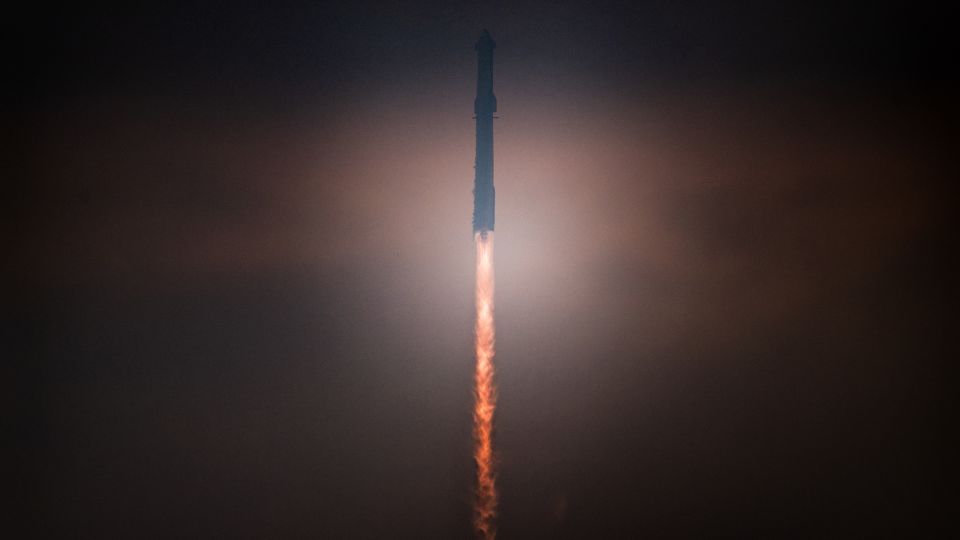
A SpaceX executive estimated in 2024 that the number would be “10-ish.” However, more recent estimates from NASA engineers suggest that a single moon landing could require over 40 fuel tankers, depending on the version of Starship being used. This discrepancy highlights the uncertainty surrounding the project.
Jim Bridenstine, former NASA administrator, described the path chosen by NASA as “extraordinarily complex.” He noted that no previous NASA administrator would have selected Starship had they had the choice. Acting NASA administrator Sean Duffy responded to criticism during a town hall, stating that the agency is determined to beat China to the moon.
Why NASA Isn’t Repeating Apollo
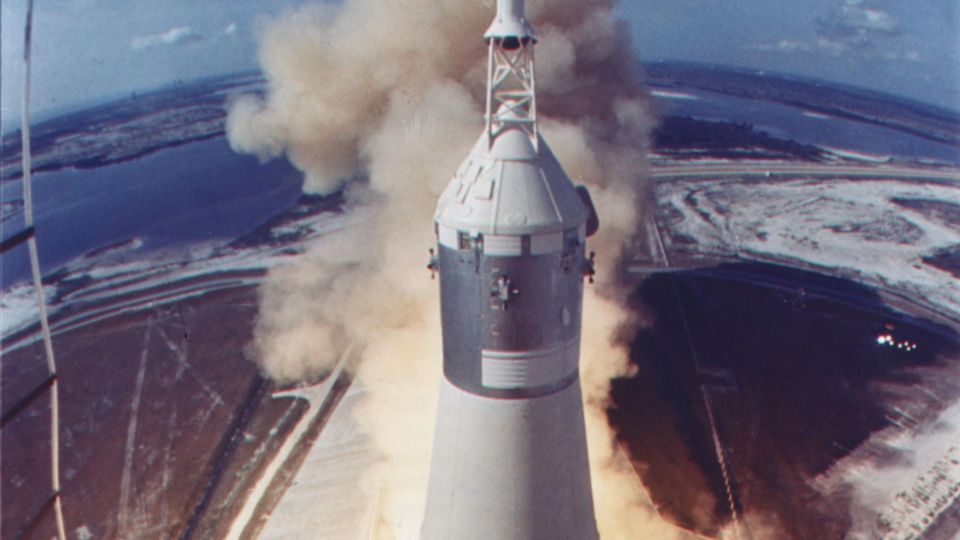
The Artemis III mission, which aims to land astronauts on the moon, is significantly more complicated than the Apollo missions of the 20th century. During those missions, NASA launched a single rocket — the Saturn V — that carried everything needed for the trip, including the crew capsule and lander.
Today, NASA is not repeating this streamlined approach due to several factors. The supply chains, construction methods, and institutional capabilities that built the Apollo rockets no longer exist. Even if NASA could recreate those rockets, the space agency has made it clear that such an approach wouldn’t align with its goals.
NASA hopes the Artemis program will accomplish more difficult missions, including exploring the moon’s south pole region, where water ice is believed to be present. This area is more challenging to land in due to rough terrain and energy requirements. However, the presence of water could allow for a permanent crewed operation on the moon.
Former NASA Administrator Bill Nelson emphasized that the research required at the south pole necessitates a larger and more versatile lunar lander. “You just simply can’t take everything with you,” he said, noting the constraints imposed by physics.
Artemis III: A Twisted Path
Under the current plan for Artemis III, the mission begins with a single Starship vehicle serving as a refueling depot. Additional Starships will then launch to provide fuel, a process that must be completed quickly to prevent fuel from boiling off. The cryogenic fuels required are extremely sensitive and must be kept at super-cold temperatures.
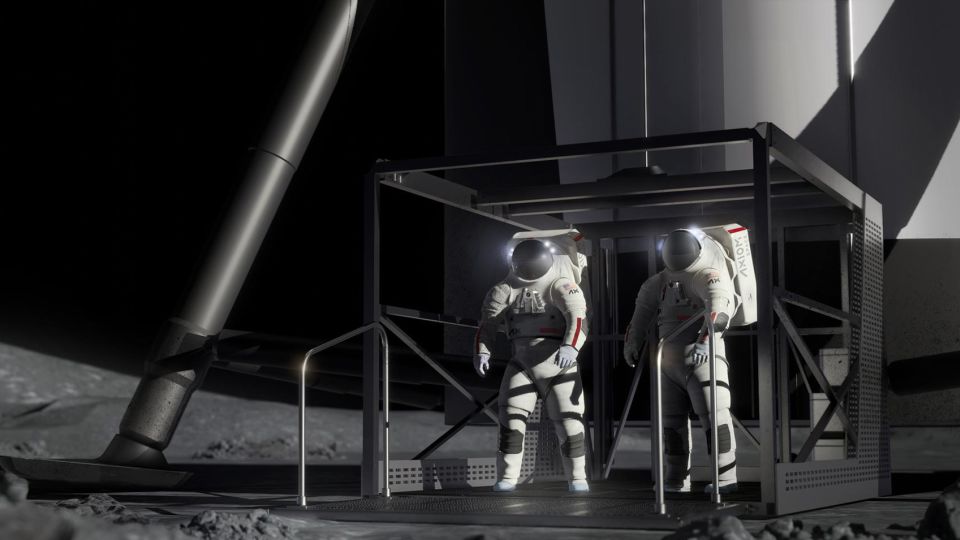
Once the refueling depot is filled, a Starship equipped with life-support systems will launch to carry astronauts. After docking with the depot, the Starship will travel to the moon, where two astronauts will descend to the south pole. They will spend about a week on the surface before returning to orbit, where they will rejoin the Orion spacecraft and return to Earth.
If successful, this mission could beat China’s goal of landing astronauts on the moon by 2030. However, the complexity of the plan has raised concerns among experts.

The Politics of Starship
Despite the challenges, NASA remains confident in SpaceX. Former NASA associate administrator Doug Loverro, who resigned over communication issues, described the plan as “incredibly hard” and likely a decade away from reality. He believes that while SpaceX may eventually deliver, it is unlikely to be ready before China lands astronauts on the moon.
SpaceX’s decision to use Starship was based on technical evaluations and cost considerations. While the company faced legal challenges from Blue Origin, a judge upheld NASA’s decision. Later, additional funding allowed Blue Origin to join as a second contractor.
‘Figuring Out We Have a Problem’
Despite growing concerns, few stakeholders are willing to publicly criticize the plan or suggest a change in course. Sen. Ted Cruz of Texas argued that any drastic changes to NASA’s architecture would threaten U.S. leadership in space.
Behind closed doors, however, some industry leaders have expressed deep concerns. Loverro suggested that the gravity of the issue may not have fully sunk in. “We’re really at step one of the 12-step process of figuring out we have a problem,” he said.
While some remain optimistic, pointing to SpaceX’s track record, others believe the timeline for Starship is “significantly challenged.” Despite delays, many still believe SpaceX has the capability to succeed.
For more updates, visit The News Pulse.

Post a Comment for "NASA's Bold Moon Plan Sparks Expert Concerns"
Post a Comment