
Shrinkflation Strikes Essential Goods, Study Reveals
The Shrinking Reality of Everyday Products
Every year, consumers notice that the size of their favorite products is getting smaller. This phenomenon, known as shrinkflation, has become increasingly common across various product categories. From chocolate tubs to toothpaste and breakfast items, many everyday essentials are being reduced in size without a corresponding drop in price.
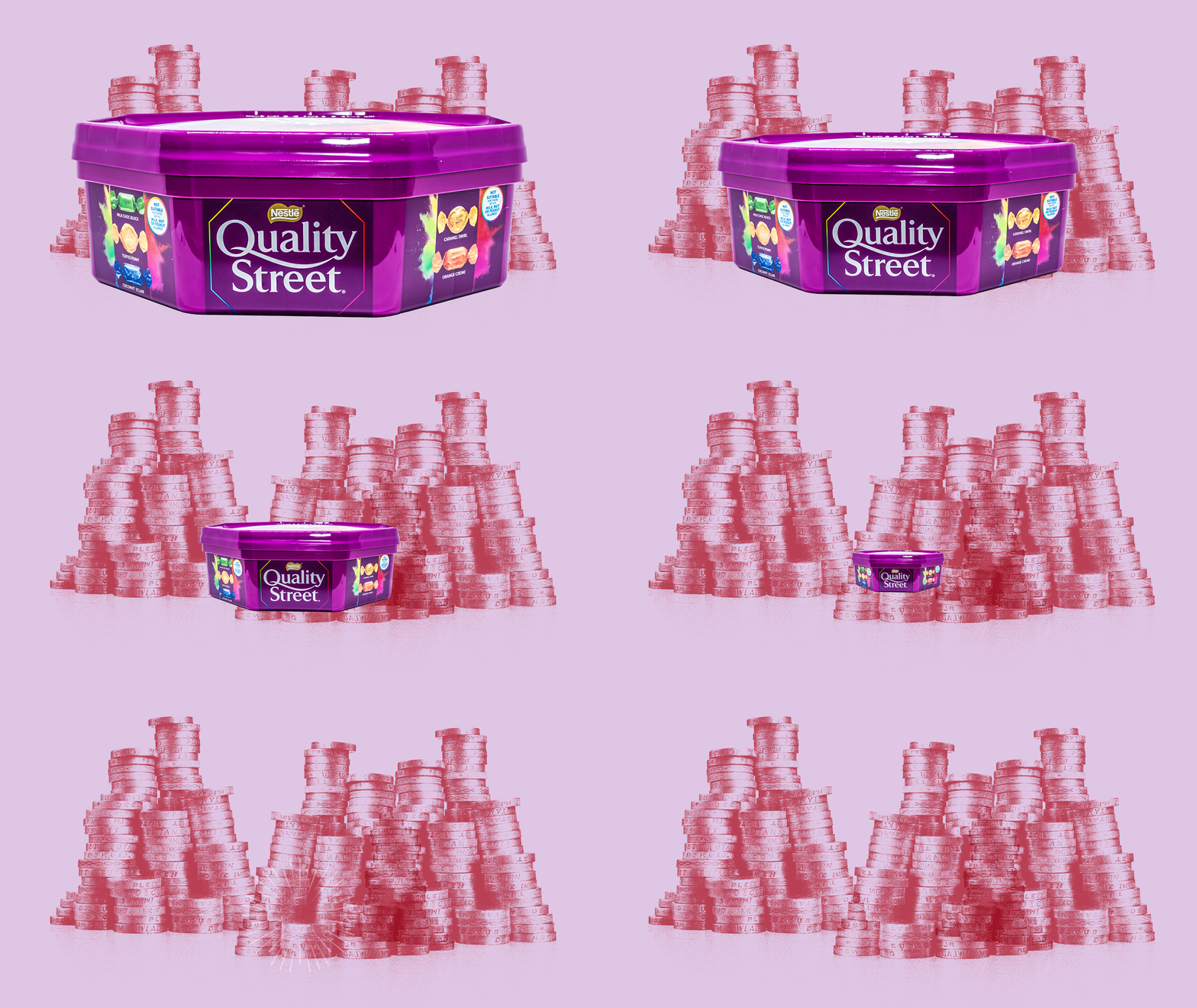
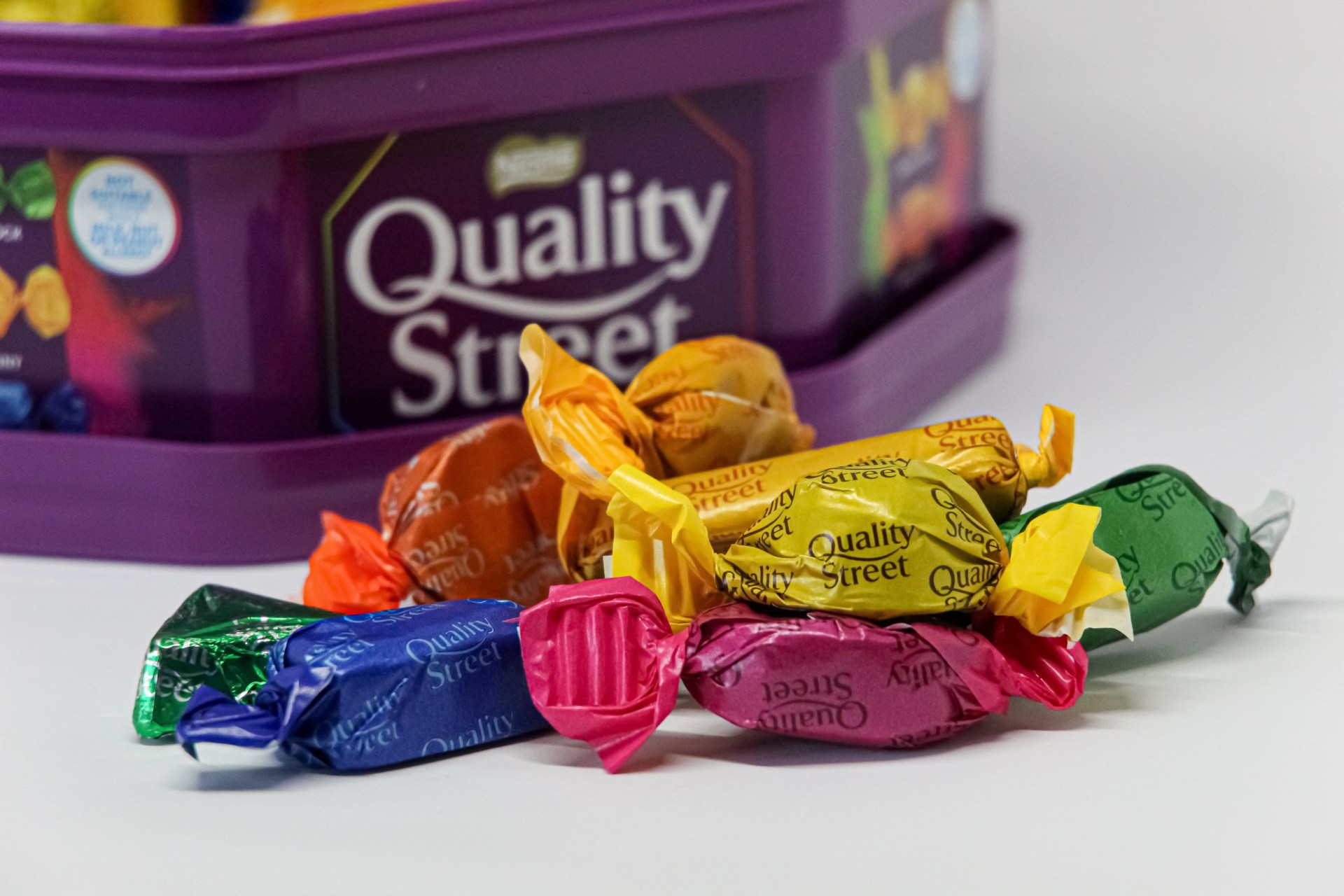
Shoppers are facing a double challenge this year: shrinking products and rising prices. A recent investigation by consumer group Which? highlights that numerous basic essentials are getting smaller, with some using cheaper ingredients to cut costs and maximize profits. For example, Quality Street chocolate tubs have been reduced from 600g to 550g, while the price at Morrisons increased from £6 to £7. One family even created an 18-year breakdown of their yearly purchase of the confectionary tub to illustrate the gradual decline in both the number and variety of chocolates.
Professor Sarah Montano, a Retail Marketing expert at Birmingham Business School, emphasized that many consumers have already started trading down on branded items or changing where they shop. She noted that as people prepare for Christmas, they are finding that their favorite chocolate tubs have shrunk further, with some now weighing as little as 500g. Montano advised shoppers to look for ways to save money, such as shopping around, using loyalty card discounts, and reducing food waste, which can save an average of £250 per person annually.
The Impact of Shrinkflation and Skimpflation
Shrinkflation, where the size of a product decreases but the price remains the same, and skimpflation, where the quality of the product is reduced by using cheaper ingredients, have become more noticeable. Clare Moffat, a tax and pensions expert at Royal London, pointed out that food price inflation has decreased from over 19% in March 2023 to 4.4% in May 2024. However, even at these lower rates, the increases are still being felt by consumers.
According to Royal London's latest Financial Resilience Report, households were spending an average of £148 more per month on food in February 2025 compared to the previous year. Many individuals are struggling financially, with one in five people reporting less than £100 in cash savings and nearly the same number saying they have nothing left or are overdrawn at the end of the month.
Examples of Shrinking Products
It’s not just holiday treats that are affected by shrinkflation; even basic essentials like toothpaste and breakfast items are experiencing reductions. Aquafresh Complete Care Original Toothpaste has increased in price from £1.30 for 100ml to £2 for 75ml at major retailers. Bottles of Gaviscon Heartburn and Indigestion Liquid have also shrunk by 100ml, while the price at Sainsbury’s remained at £14. Sainsbury’s Scottish Oats have halved in size from 1kg to 500g, yet the price has gone up from £1.25 to £2.10.
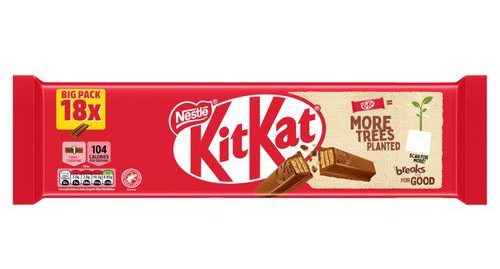
For those who enjoy a cup of Nescafe Original Instant Coffee, the package has shrunk from 200g to 190g in Tesco, Morrisons, and Asda, representing a 5% increase per 100g. Similarly, multipacks of chocolate bars have seen significant reductions in size, with KitKat Two-Finger Milk Chocolate Bar multipacks dropping from 21 bars to 18, and prices rising from £3.60 to £5.50 at Ocado.
Adjustments in Recipes and Ingredients
The cost of raw ingredients for confectionery has surged, leading to changes in product formulations. Which? found that Nestle has reduced the amount of cocoa butter in its White KitKats to less than 20%, making them no longer eligible to be marketed as white chocolate. A Nestle spokesperson stated that rising cocoa costs have forced adjustments to recipes to maintain reasonable pricing for consumers.
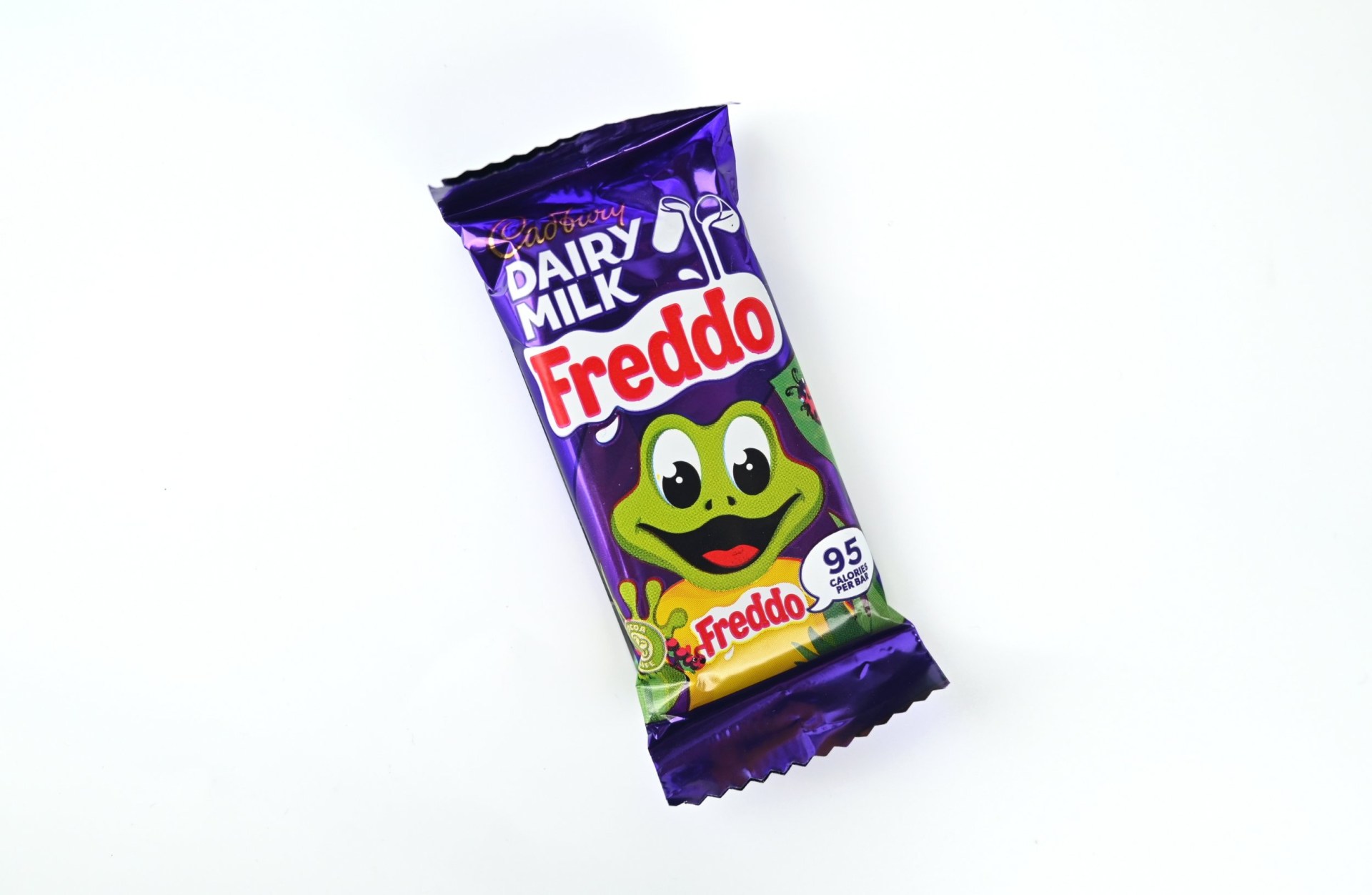
Similarly, McVitie’s white digestives do not contain any cocoa butter, and Penguin and Club bars cannot be legally sold as chocolate biscuits due to higher levels of palm and shea oil. Cadbury’s Freddo, a beloved frog-shaped bar, has also fallen victim to shrinkflation, with multipacks reducing from five to four at several retailers.
Consumer Tips for Managing Costs
Clare Moffat provided several tips for consumers to manage rising food costs:
- Don’t panic – While food inflation may cause concerns, it doesn’t necessarily mean everything will become significantly more expensive all at once.
- Rework your monthly budget – Prioritize essential expenses like rent, bills, food, and transport, and consider cutting or pausing non-essentials such as streaming subscriptions.
- Switch and save on essentials – Use comparison sites to find the best deals on energy and phone providers, and take advantage of supermarket apps for discounts and deals.
- Ask for help early – If you fall behind on payments, don’t hesitate to reach out to your energy provider, bank, or landlord for support or repayment plans.
- Check your benefit eligibility – You might qualify for assistance through benefits, depending on your circumstances. Use resources like the Gov.co.uk website or a free benefits calculator from Turn2us to explore options.
- Consider side hustles – Look for opportunities to boost income, such as selling old clothes online, monetizing hobbies, or using platforms like Rover for dog sitting.
Additional Measures for Consumers
Consumers can also explore other strategies to reduce their expenses. For instance, using apps like Too Good To Go can provide cost-effective food options, while the Rent a Room Scheme offers a way to generate additional income. By staying informed and proactive, shoppers can navigate the challenges of shrinkflation and manage their budgets effectively.
Industry Perspectives
The Food and Drink Federation highlighted that cocoa prices have risen sharply, reaching a 45-year high. Alongside other increasing costs, such as national insurance hikes and a new packaging tax, manufacturers are paying nearly 40% more for ingredients and energy than they did in January 2020. These factors have led to necessary adjustments in product formulations to keep prices reasonable for consumers.
Final Thoughts
As shrinkflation continues to impact everyday products, consumers must remain vigilant and adaptable. By making informed choices and exploring available resources, individuals can better manage their finances and cope with the rising costs of living.

Post a Comment for "Shrinkflation Strikes Essential Goods, Study Reveals"
Post a Comment