
Spot Hidden Pet Toxins in Your Kitchen
Understanding Common Pet Toxins in the Kitchen
Your kitchen is a place filled with everyday items that can seem harmless, but they can actually be dangerous or even fatal to your pets. What's safe for humans isn't always safe for dogs and cats, and many pet owners are unaware of how many common foods and household items pose real dangers. A single grape on the floor, a lick of xylitol-sweetened batter, or a trip through the trash can quickly turn into an emergency vet visit or even a tragic poisoning.
The problem is that toxic products don't come with warning labels for pets, and some of the most dangerous items are things we use daily without thinking about it. Knowing what's poisonous and keeping these items away from your pets can prevent serious accidents that happen more often than people realize.
Here’s how to identify and manage the pet toxins that may lurk in your kitchen.
Search for Xylitol in Sugar-Free Products
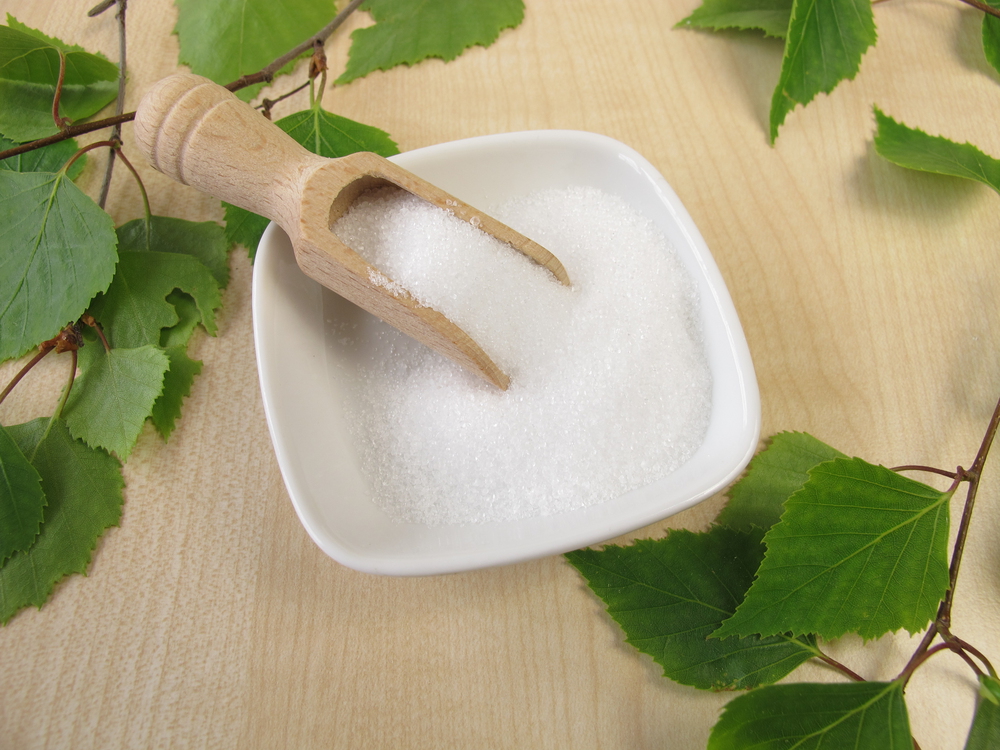
Xylitol is a man-made sweetener found in sugar-free gum, candies, peanut butter, baked goods, and certain medications. It is highly toxic to dogs, causing rapid insulin release that leads to life-threatening drops in blood sugar and potential liver failure. Even small amounts can be lethal.
Always check ingredient labels on any food labeled as "sugar-free" before bringing it into your kitchen. Keep these foods out of reach of pets at all times. If you suspect your pet has ingested xylitol, seek immediate veterinary care.
Keep Chocolate Strictly Off Limits
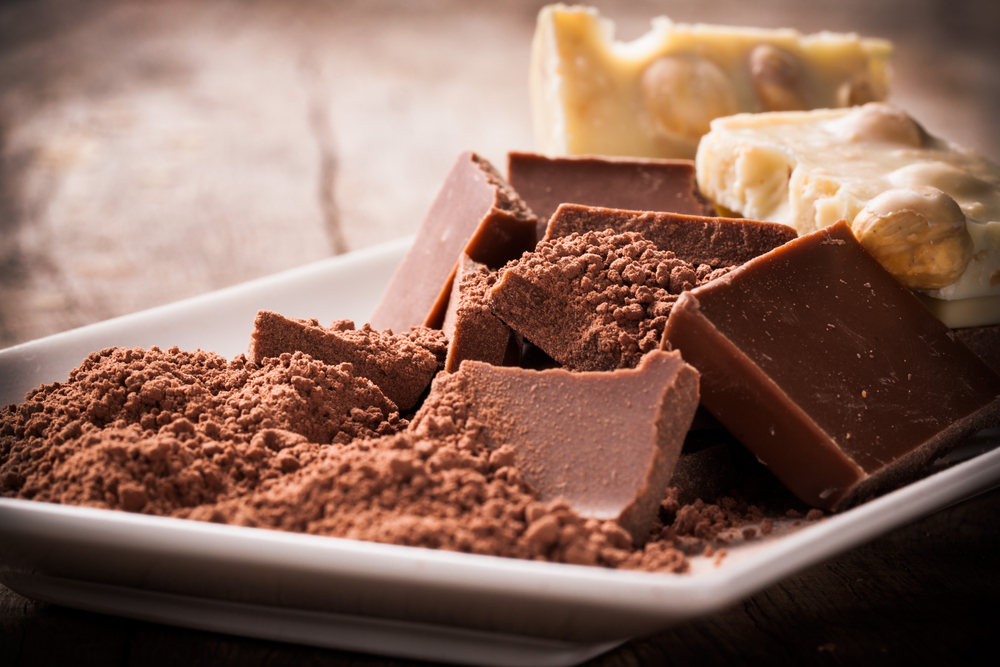
Chocolate is well-known as toxic to dogs, but many people don’t realize just how severe the danger can be. The darker and more concentrated the chocolate, the more dangerous it is—especially baking chocolate and cocoa powder. Chocolate contains theobromine, which pets metabolize slowly, leading to vomiting, diarrhea, rapid heart rate, seizures, and even death if left untreated.
Store chocolate in sealed containers in high cabinets, and avoid leaving it on countertops where pets can access it.
Avoid Grapes and Raisins Altogether
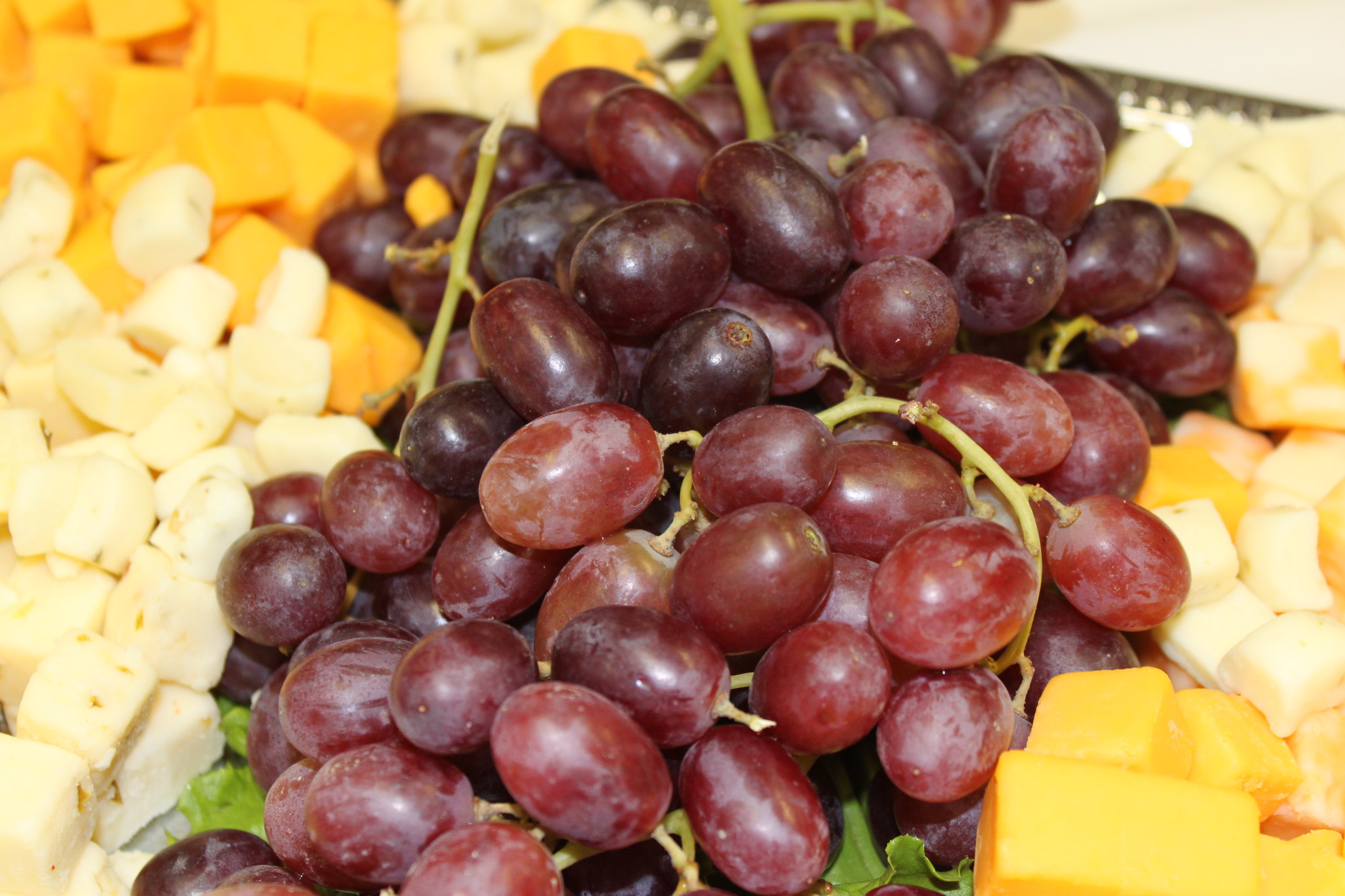
Grapes and raisins can cause kidney failure in dogs, though scientists still don't fully understand why or how much is toxic. Some dogs can eat grapes without issue, while others may suffer kidney failure from just a small amount. Since it's impossible to know which dogs are at risk, it's best to keep grapes and raisins completely out of reach.
This includes trail mix, baked goods, and snack foods containing raisins. Even tiny amounts are too risky to ignore.
Understand Onion and Garlic Hazards
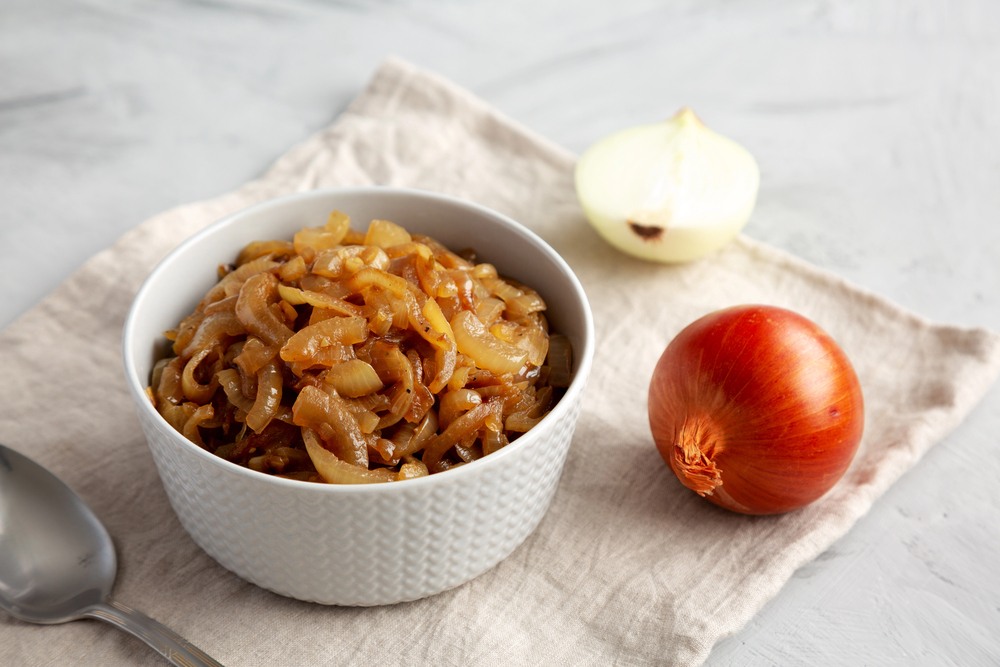
Onions, garlic, leeks, chives, and shallots—all part of the allium family—can damage red blood cells in both dogs and cats, leading to anemia. These ingredients are harmful whether fresh, cooked, powdered, or dried. Garlic is especially potent and thus more toxic than onions.
The effects aren’t immediate but accumulate over time, making even minor, repeated exposure dangerous. Avoid feeding pets table scraps that contain these ingredients and don’t let them lick plates or pans used for cooking alliums.
Locking Lids on Trash Cans
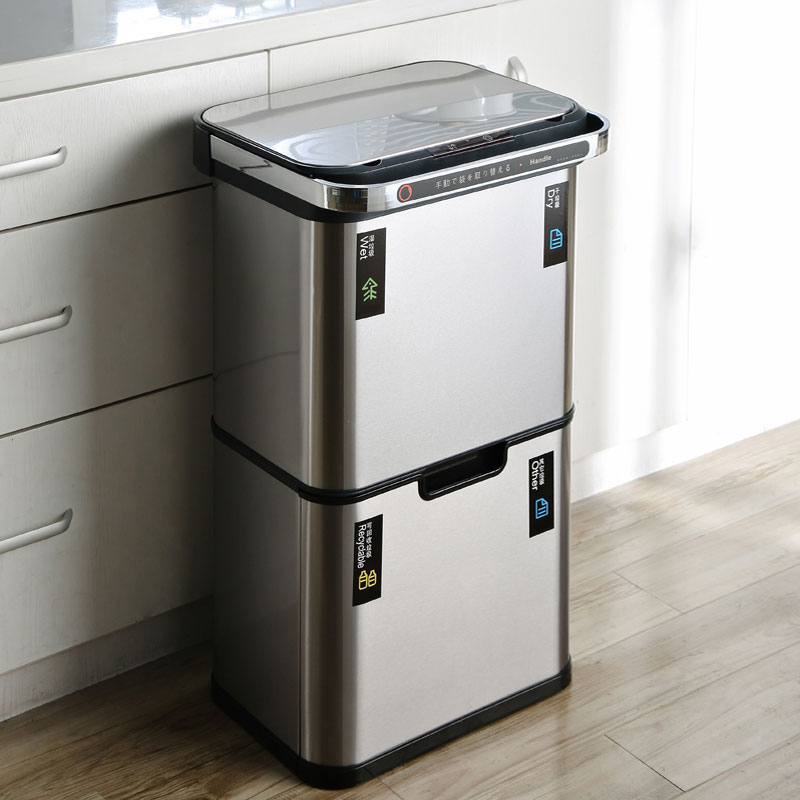
Kitchen garbage can be dangerous for pets. Rotten food, chicken bones, and wrappers can cause illness, choking, or intestinal blockages. Coffee grounds and other substances may also contain toxic elements.
Dogs, in particular, are known to dig through trash when given the chance. Use trash bins with locking lids or store them in cabinets that pets cannot access. Dispose of waste regularly to reduce the chances of pets getting into harmful materials.
Keep Avocados Away from Pets
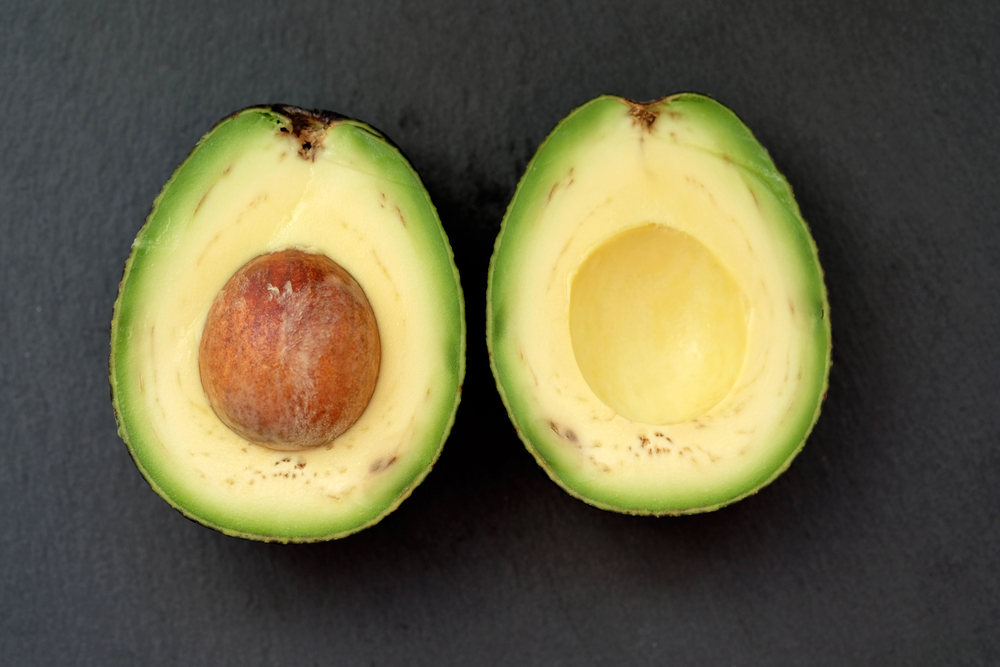
Avocados contain persin, a toxin that affects most animals but not dogs and cats. However, the high fat content can lead to pancreatitis, and the large pit poses a choking hazard or risk of intestinal obstruction.
Keep avocados on elevated surfaces or refrigerate them, and dispose of the pits in a secure trash can. While the toxicity varies by species and amount, it's safest to avoid feeding avocados to pets altogether.
Store Macadamia Nuts Properly
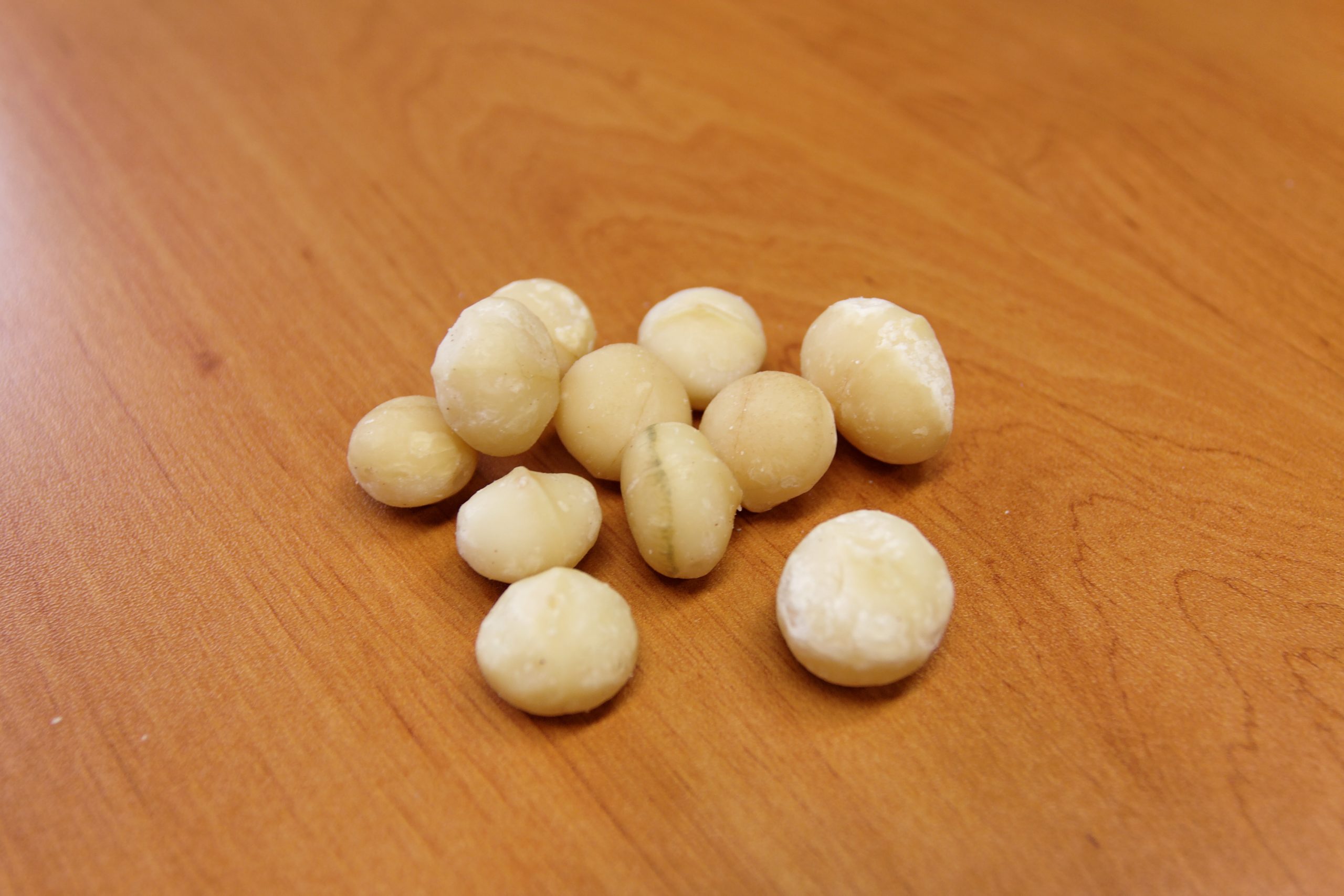
Macadamia nuts can cause weakness, vomiting, tremors, and hyperthermia in dogs. The exact mechanism of toxicity is unclear, but symptoms can last up to 48 hours. Small amounts—as few as six nuts—can trigger these issues.
These nuts are often hidden in cookies, trail mix, and baked goods, so always check ingredient lists and store such items out of reach of dogs. Cats may be less affected, but caution is still necessary.
Handle Alcohol and Raw Dough Carefully
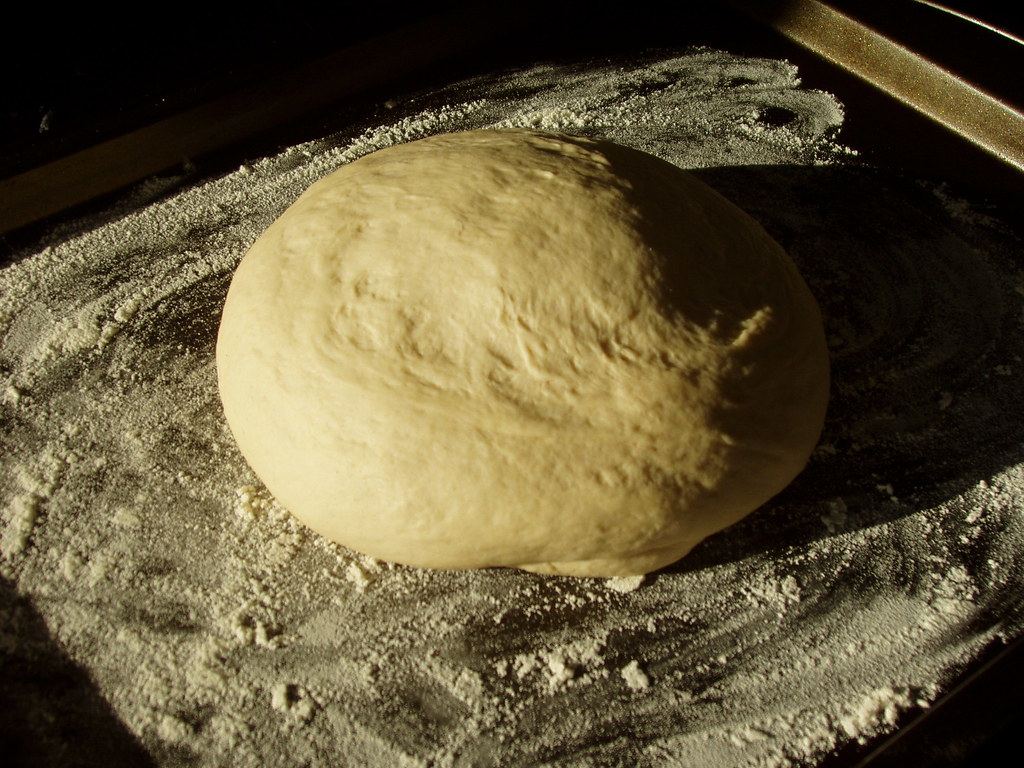
Alcohol is toxic to pets, even in small amounts. It affects them more rapidly than humans. In addition to obvious sources like beer and wine, raw bread dough is also dangerous. The yeast in raw dough can ferment in a pet’s stomach, causing bloating and alcohol poisoning.
Avoid giving pets any alcoholic beverages or raw dough. Keep these items securely stored away from pets.
Lock Up Cleaning Products and Chemicals
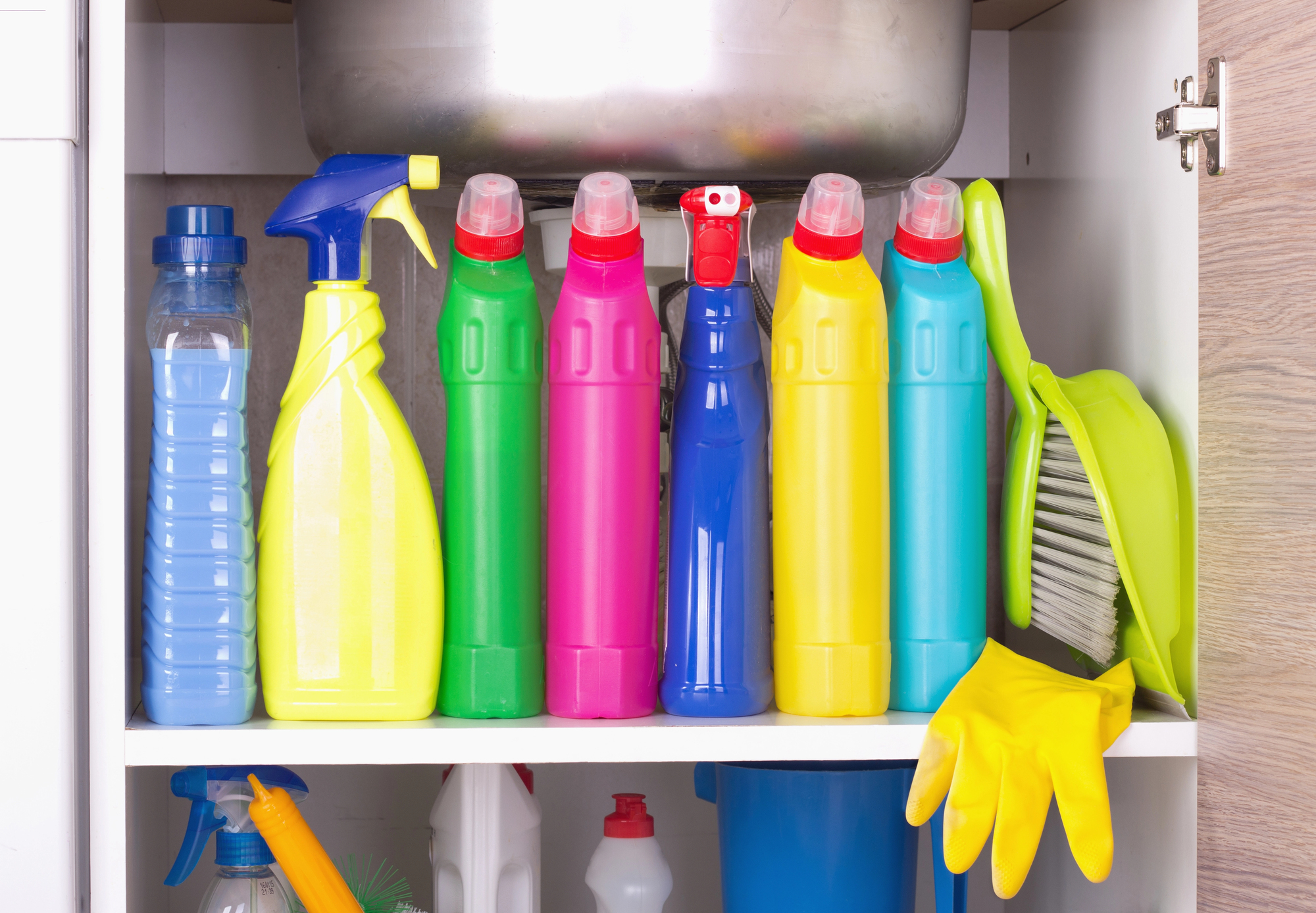
Cleaning products, dishwasher soap, and other chemicals can burn, poison, or harm pets if swallowed or inhaled. Store these items in locked cabinets or on high shelves, out of reach of pets.
Be especially cautious with concentrated packets that resemble toys, as they contain highly toxic chemicals. Residue on freshly cleaned floors can also be harmful if licked by pets.
Protect Pets from Caffeinated Items
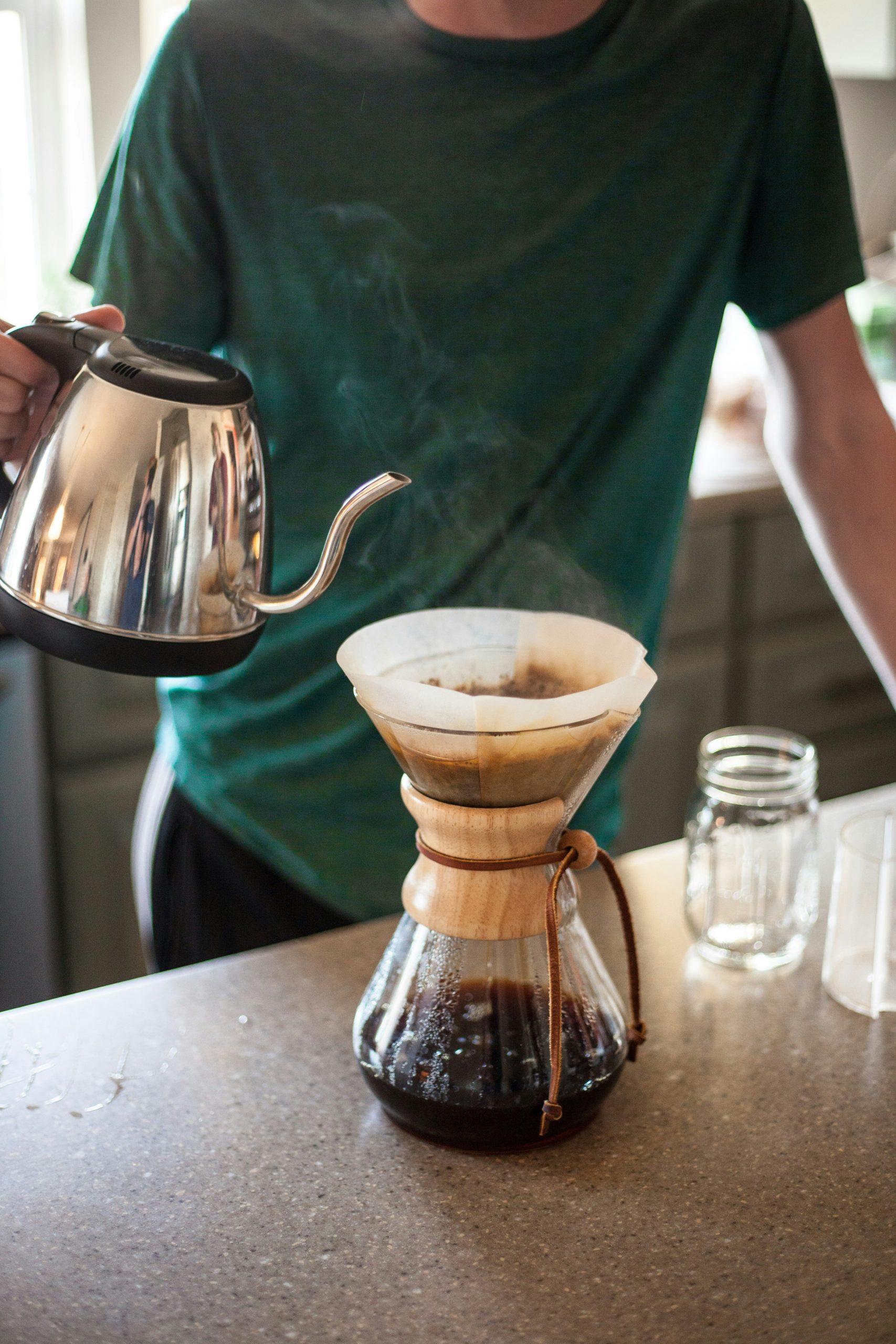
Coffee, tea, energy drinks, and caffeine tablets all contain methylxanthines, which can be toxic to pets. Caffeine causes a racing heart, restlessness, seizures, and even death. Pets may be attracted to used coffee grounds in the trash or compost.
Keep caffeinated substances out of reach, clean up spills immediately, and properly dispose of used coffee grounds. Smaller pets are more vulnerable, requiring only small amounts to cause serious harm.
Monitor Storage of Medication and Supplements
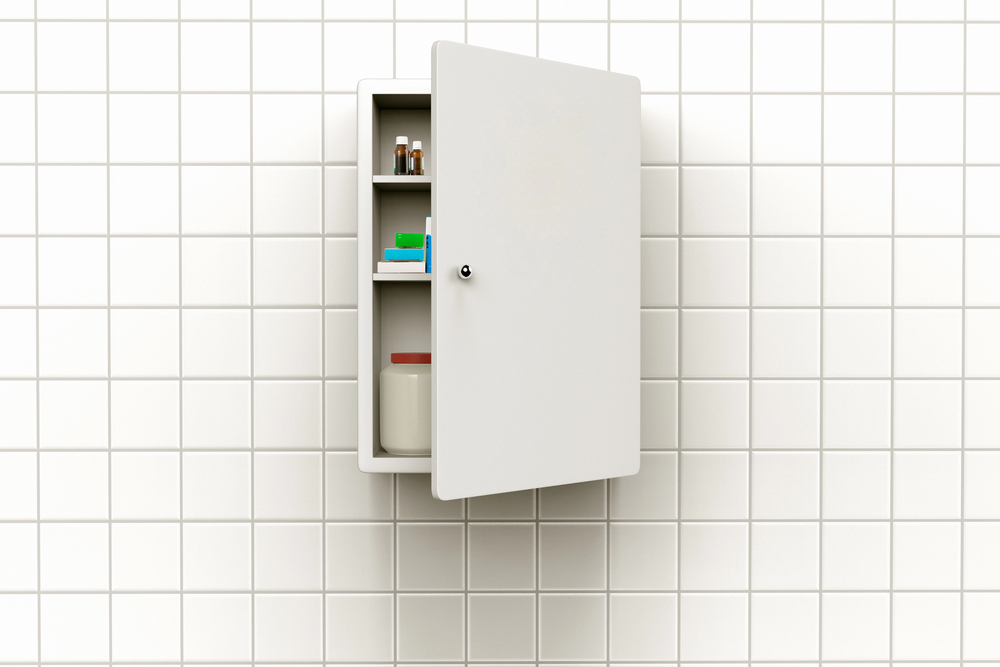
Human medications and supplements—such as painkillers, vitamins, diet pills, and antidepressants—are major causes of pet poisoning. Pills left on countertops or in purses can be easily accessed by pets.
Even medicines that are safe for humans can be toxic in the wrong dose. Store all medications in locked cabinets and never leave pills out in the open. A single ibuprofen or acetaminophen can cause catastrophic damage to pets.
Identify Poisonous Plants and Herbs
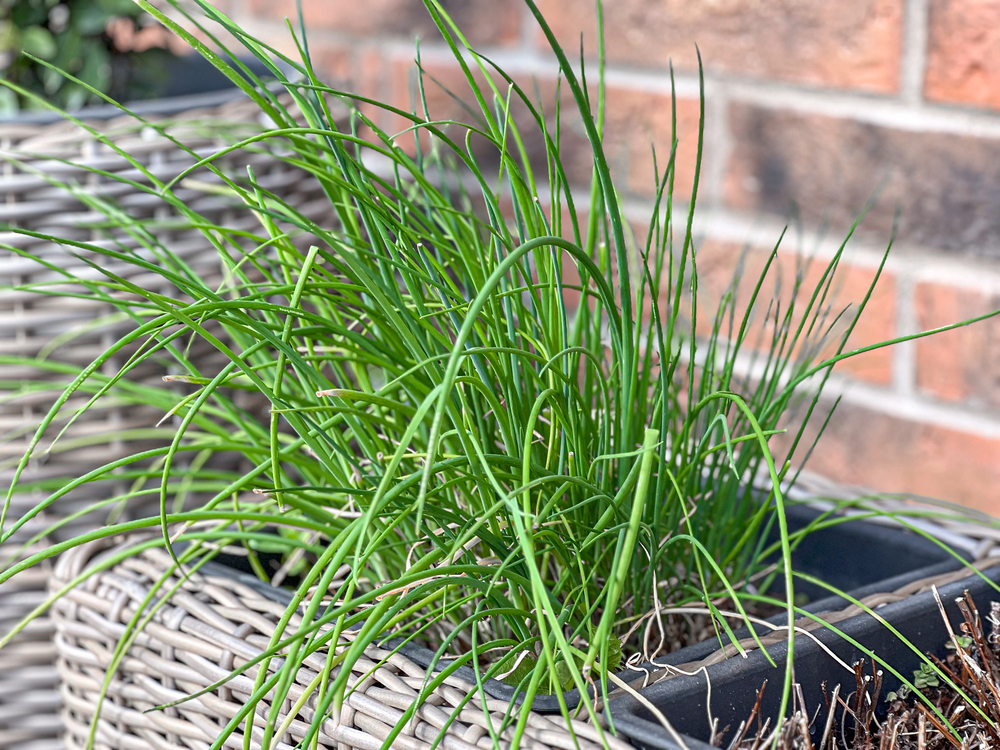
Common kitchen herbs and houseplants can be toxic. Chives, for example, are part of the allium family and can cause anemia in pets. Many popular houseplants—like pothos, philodendrons, and lilies—can make pets sick if chewed.
True lilies are particularly dangerous to cats, potentially causing kidney failure. Before adding any plant to your home, research its safety and keep poisonous ones out of reach or replace them with pet-friendly alternatives.
Treat Fish and Raw Meat with Care
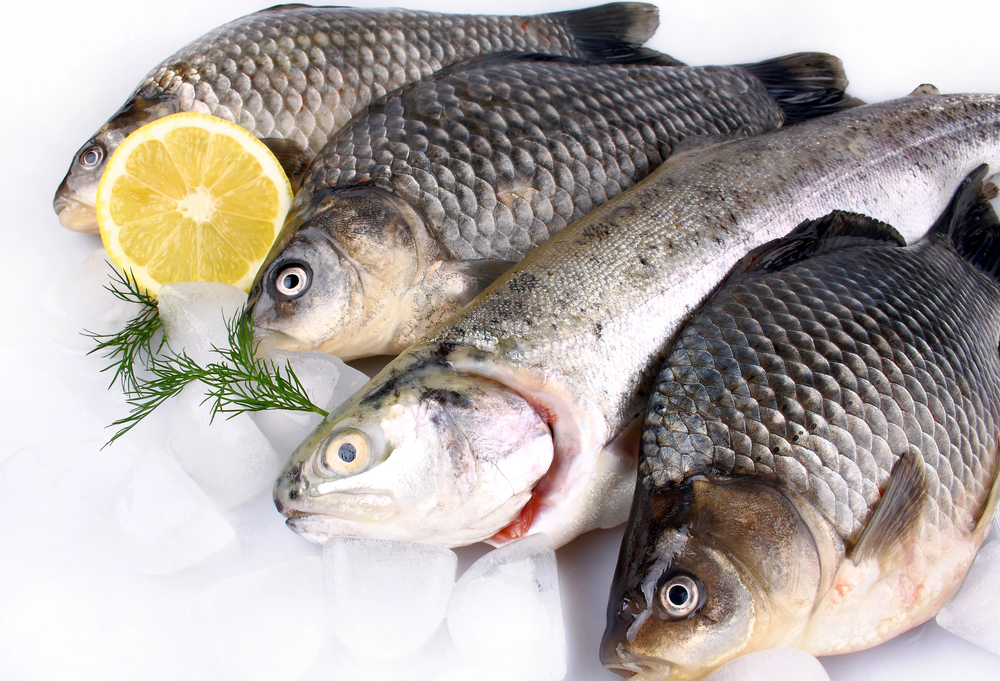
Raw meat, fish, and eggs carry bacteria like E. coli and Salmonella that can infect pets. Certain raw fish can also break down thiamine, leading to deficiency. Cooked bones can splinter and cause choking or intestinal perforation.
If you're not following a deliberate raw diet, avoid feeding raw proteins to pets. Always store raw meat safely and clean surfaces thoroughly after handling.
Be Aware of Sneaky Toxins in Familiar Foods
Some poisonous foods can hide in familiar places. Nutmeg can cause tremors and seizures. Excessive salt intake can lead to sodium poisoning. Yeast and baking powder are also toxic. Artificial sweeteners other than xylitol may also be hazardous.
Before offering any human food to your pet, research its safety. When in doubt, stick to food specifically made for pets to avoid making an uninformed decision.
Prevention Saves Lives
Pet poisoning is almost always preventable with the right information and simple precautions. Your kitchen doesn’t need to be off-limits to your pets, but it must be managed with their safety in mind.
By storing poisons safely, keeping countertops free of temptation, using pet-proof trash cans, and knowing which foods to avoid, you can help protect your pets from unnecessary suffering. Those few seconds spent securing something dangerous are nothing compared to the potential disaster of pet poisoning.
Your pets rely on you to recognize threats they cannot understand and to protect them from the dangers that surround them every day.
More from Home As We Make It

14 Flooring Trends We’ve Moved On From
17 Thrift Store Finds Worth Big Money
20 Items You Should Never Throw Away Because They Could Become Valuable Collectibles
18 Forgotten Snacks from the ’80s and ’90s
20 Things That Make a House Look Cleaner Than It Is

Post a Comment for "Spot Hidden Pet Toxins in Your Kitchen"
Post a Comment