
Tea Time: Green, Fruity, or Something Else? Health Benefits by Brew
There’s never a bad time to have a cup of tea—especially when you start appreciating the hot drink's numerous health benefits. Studies have shown that this British staple, made by steeping ground tea leaves in boiling water, can help lower blood pressure, reduce the risk of diabetes, and manage anxiety.
Tea's health benefits largely come from its rich supply of natural compounds called polyphenols—plant-based antioxidants that protect the body's cells from damage. These compounds are found in both green and black teas and have anti-inflammatory properties that can help prevent chronic illnesses.
Speaking about the topic, Dr. Tim Bond, an expert on the tea advisory panel, said: "Drinking three or four cups of tea a day is one of the easiest health hacks out there."
Green tea, in particular, is high in catechins, a form of polyphenol linked to improved blood vessel function and reduced cholesterol. Regular tea drinkers may also benefit from the way these antioxidants support the body's defenses at a cellular level.

Studies suggest that polyphenols can influence gut bacteria, blood sugar control, and even brain health, helping slow cognitive decline as we age. A 2019 meta-review of 96 studies by Chinese researchers found that two or three cups a day reduces the risk of all-cause mortality and cardiovascular disease.
However, Dr. Bond warned that the way millions of Britons take their tea might be canceling out its health potential. The classic breakfast tea we love is often served with milk and sugar, whereas people in other countries tend to drink teas of all kinds—with hot water only.
Considering the average Briton drinks three cups a day, that much milky, sugary tea can add a hundred extra calories to your diet, bringing with it the potential for tooth rot and Type 2 diabetes.
With that in mind, Dr. Bond has crafted a daily routine to 'teamaxx' and get the most from the beverage—sugar and milk optional.
Morning - Black Tea
Kicking off his teamaxxing plan is a traditional cuppa, which is usually a blend of black tea. Black tea contains the highest concentration of flavonoids—subgroup of polyphenols behind the host of health benefits—when it comes to traditional teas, research suggests.
It is also a great way to start the day as it has a high concentration of caffeine. A cup of black tea contains around 47mg of caffeine, while a cup of green tea contains about 33mg of caffeine (a can of Diet Coke, by comparison, contains 46mg of caffeine).
Consumption of anything up to 400mg of caffeine per day—equivalent to about eight cups of black tea—is considered to be safe.
"Our research shows that around 60 per cent of Brits say that a cup of black tea helps get them going in the morning," says Dr. Bond.
"This is good for a number of reasons, of course you have the caffeine but for many—and particularly older people—tea is a great source of hydration as it has the same effect as a glass of water. We often wake up dehydrated so that morning cup of tea can help us feel sharp, hydrated and ready to get on with the day."
He added that it can be taken with or without milk, but be mindful of adding (too much) sugar.

Lunch - Green Tea
Green tea is one of the most beneficial teas for health, according to experts. It contains an enormous range of catechins, a kind of polyphenol known to be especially good for protecting your heart and boosting your brain health.
The most potent of the catechins in green tea is known as epigallocatechin gallate (EGCG), and some research indicates that a diet rich in it could ward off both Alzheimer's disease and Parkinson's disease.
There is an added health benefit though, which means that Dr. Bond thinks the ideal time to drink green tea could be after lunch.
"Green tea is great for oral health as it has anti-bacterial properties," says Dr. Bond.
"So it can help give your breath an instant freshness, so having a cup after lunch in the office can also be a good idea."
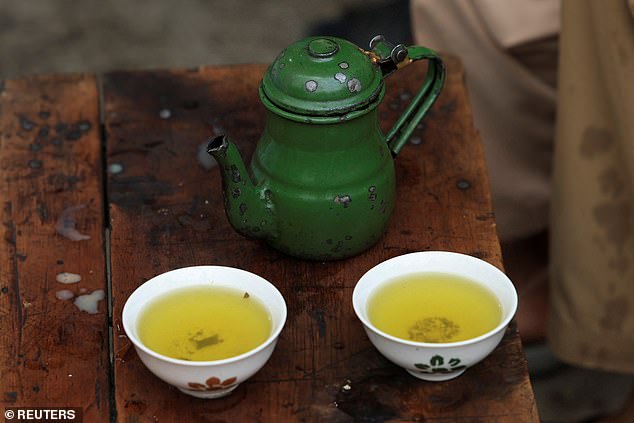
Mid Afternoon - Jasmine Tea
Floral and fragrant, jasmine tea is one of the world's oldest and most soothing brews. Traditionally made by layering freshly picked jasmine blossoms over green tea leaves, the flowers are replaced several times until the leaves have absorbed their scent.
The result is a lightly perfumed cup that combines the calming aroma of jasmine with the well-researched health benefits of green tea.
Studies suggest that the aroma of the blossoms themselves may have a relaxing, mood-boosting effect, lowering heart rate and promoting a sense of calm—a reason the tea is often sipped to ease stress.
Jasmine tea contains a significant amount of L-Theanine, an amino acid that can make some people feel more calm and relaxed without having a sedative effect. According to Dr. Bond, this molecule means tea can give drinkers the caffeine boost without the rush of drinking coffee.
This is why it makes the perfect mid-afternoon beverage—and it smells so nice, your colleagues will envy you.

Dinner - Oolong
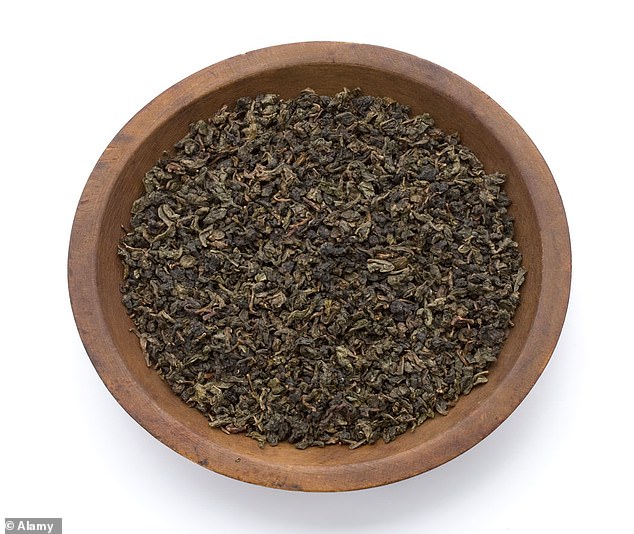
Somewhere between green and black, oolong tea is the halfway house of the tea world—and many experts think it offers the best of both. Originating in China, oolong leaves are only partly oxidized, giving the tea its warm amber color and a flavor that sits between the grassy freshness of green tea and the richness of black tea.
Research has also linked regular oolong tea drinking to better blood sugar control. The tea's polyphenols appear to improve insulin sensitivity and slow the absorption of glucose, helping to stabilize energy levels and reduce spikes after meals.
One study even suggests that people with Type 2 diabetes who drink six cups of oolong tea a day for 30 days may find their blood sugar levels reduced.
"Oolong tea can help regulate blood sugar levels," says Dr. Bond.
"So it is great to have during or immediately after a meal, particularly if it is carb-heavy."
Before Bed - Chamomile
Made from the dried flowers of the Matricaria chamomilla plant, it's one of the oldest herbal remedies in the world, prized for its calming, sleep-promoting effects and subtle, apple-like aroma.
It acts as a mild sedative by working on the brain's benzodiazepine receptors, which are responsible for muscle relaxation, and is why many people drink it before bed to help them sleep.
Chamomile is rich in antioxidant flavonoids, particularly apigenin, a compound that binds to certain receptors in the brain to help reduce anxiety and encourage relaxation.
A recent review of studies found that chamomile tea has been shown multiple times to help people get to sleep, and stay asleep too.
With no caffeine, no calories and a naturally sweet, floral taste, chamomile tea offers an easy way to unwind—a soothing ritual that supports relaxation, digestion, and steady energy all at once.
"Ideally consumed at least an hour before bed, traditional teas like chamomile or lavender will help you get a good night's sleep," says Dr. Bond.


Post a Comment for "Tea Time: Green, Fruity, or Something Else? Health Benefits by Brew"
Post a Comment