
The Lost Sports Coupe No One Purchased
The 1980 Pontiac Sunbird Sport Hatch: A Missed Opportunity
In the 1980s, Pontiac learned a painful lesson that looking impressive and generating profit don’t always align. As car enthusiasts know, there are times when an automaker releases a vehicle that looks like it should be a hit. The design is eye-catching, promising something bold behind the wheel. Unfortunately, dreams often don't match market realities, and reality can quickly set in.
Beneath the surface, the engineering may not live up to the hype, performance can fall short, and buyers move on. These are the cars that fade into history, the ones that aimed high but never delivered. One of Pontiac's most notable failures is the 1980 Sunbird Sport Hatch, a vehicle that didn’t quite meet expectations.
The 1980 Pontiac Sunbird Sport Hatch Flopped Spectacularly
When people think of Pontiac flops, the Aztek or the Fiero with its fire-prone reputation might come to mind. However, the 1980 Pontiac Sunbird Sport Hatch stands out as an underrated example of a misstep. The Sunbird nameplate first appeared in 1976 as a badge-engineered version of the Chevrolet Monza, Buick Skyhawk, and Oldsmobile Starfire. Over time, Pontiac added performance features like "Formula" trims, sporty graphics, and the hatchback body style to give it a more sporty identity.
By 1980, Pontiac was positioning the Sport Hatch as a compact, fun alternative to rising Japanese hatchbacks. However, this model year marked the end of the first-generation Sunbird run. The V8 option was dropped, leaving only the Buick-sourced V6 as the largest engine choice. The wagon version was also eliminated, and styling changes were minimal, making the 1980 Sport Hatch feel like an afterthought rather than a confident evolution.
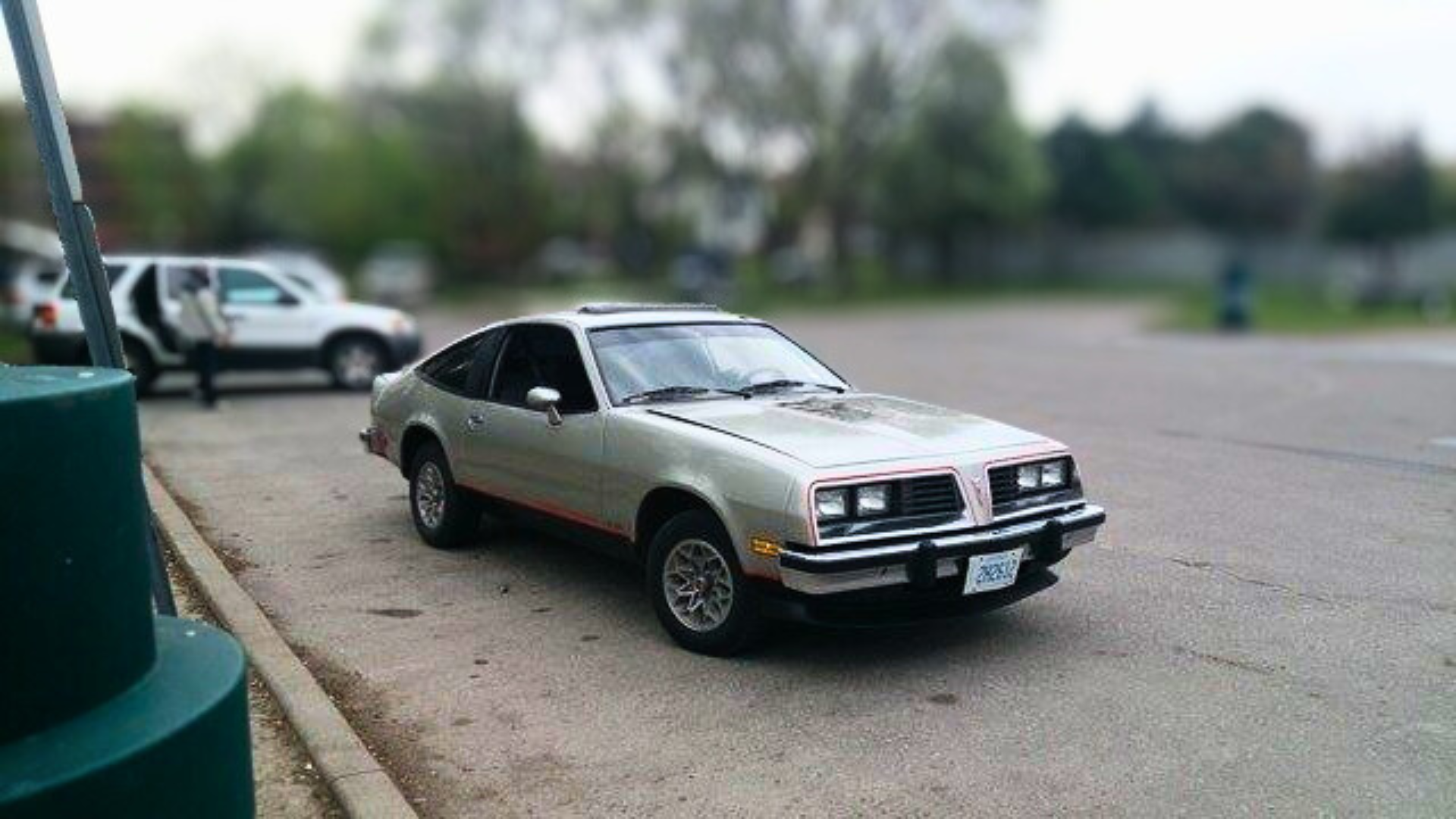
The total production numbers for the final model year are unclear, but according to the Automobile Catalog, only 52,952 units of the 2-door Hatchback Coupes were produced in 1980, with even fewer being the Sport Hatch variation. Buyers were already shifting toward better-engineered imports like the Volkswagen Rabbit and Toyota Celica, and the Sport Hatch couldn't keep up in performance, refinement, or build quality. As a result, it failed to make an impression and has been largely forgotten today.

A Look Under The Hood Of The 1980 Pontiac Sunbird Sport Hatch
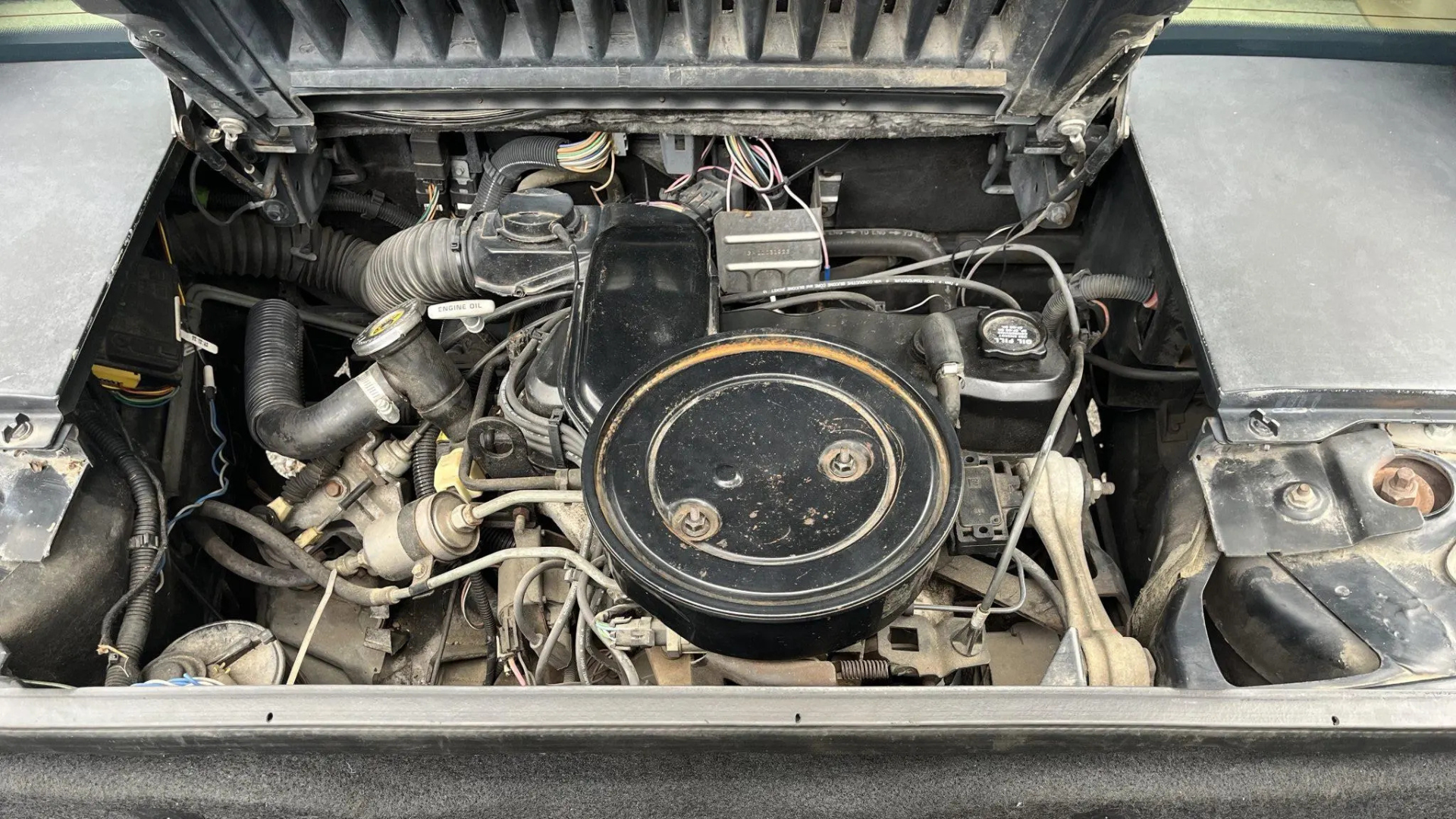
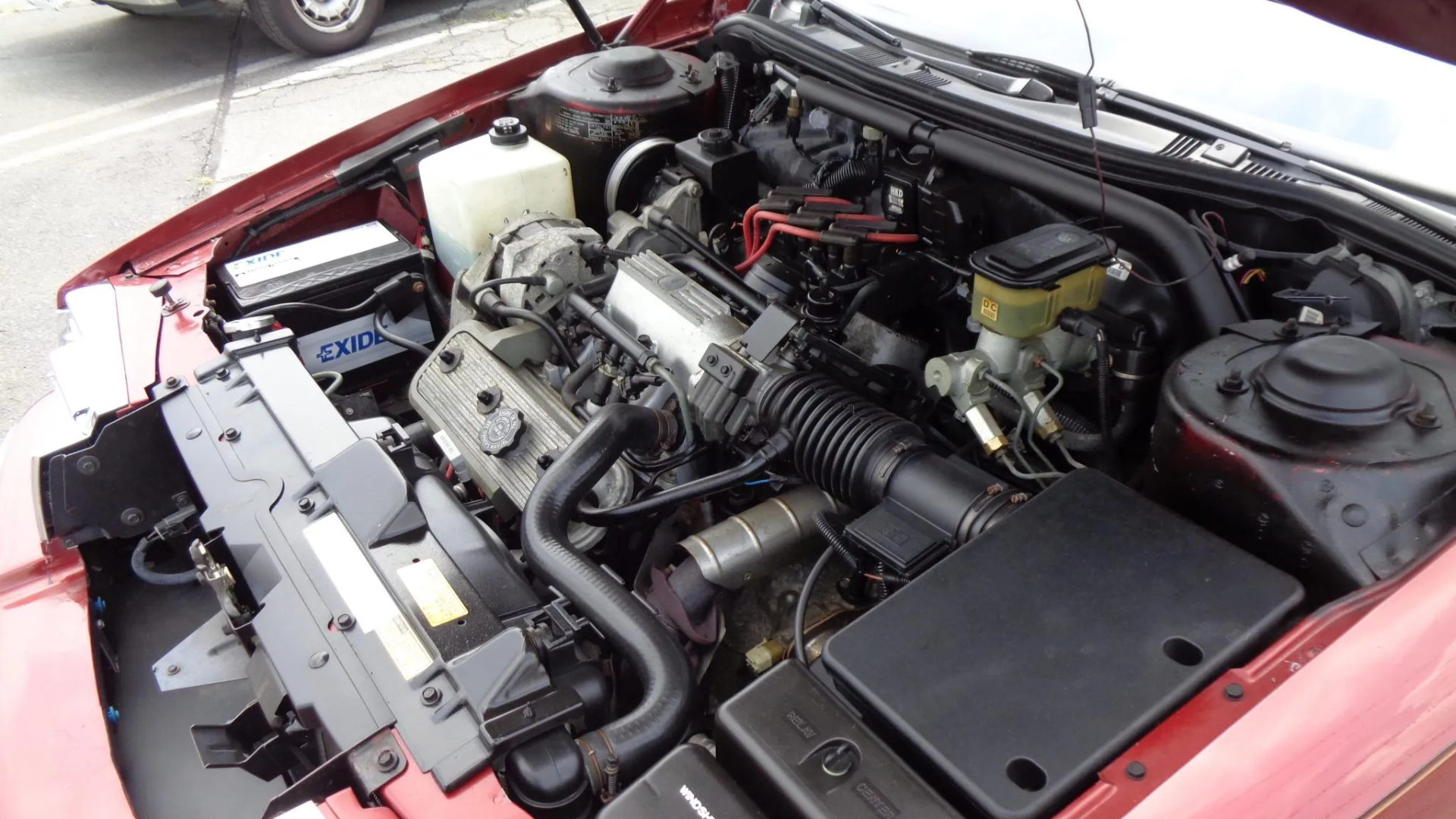
Under the hood, the 1980 Pontiac Sunbird Sport Hatch had a mechanical setup that belied its sporty marketing. As part of the GM H-body family, the Sunbird used a rear-wheel-drive layout shared with the Monza, Skyhawk, and Starfire. However, the engine options were modest.
The base engine was a 2.5-liter Tech IV inline-4, producing around 90 hp. For those seeking more torque, the 3.8-liter Buick V6 was available, rated at about 115 hp. Despite these options, the Sport Hatch felt underpowered and ultimately failed due to the mismatch between its styling and performance.
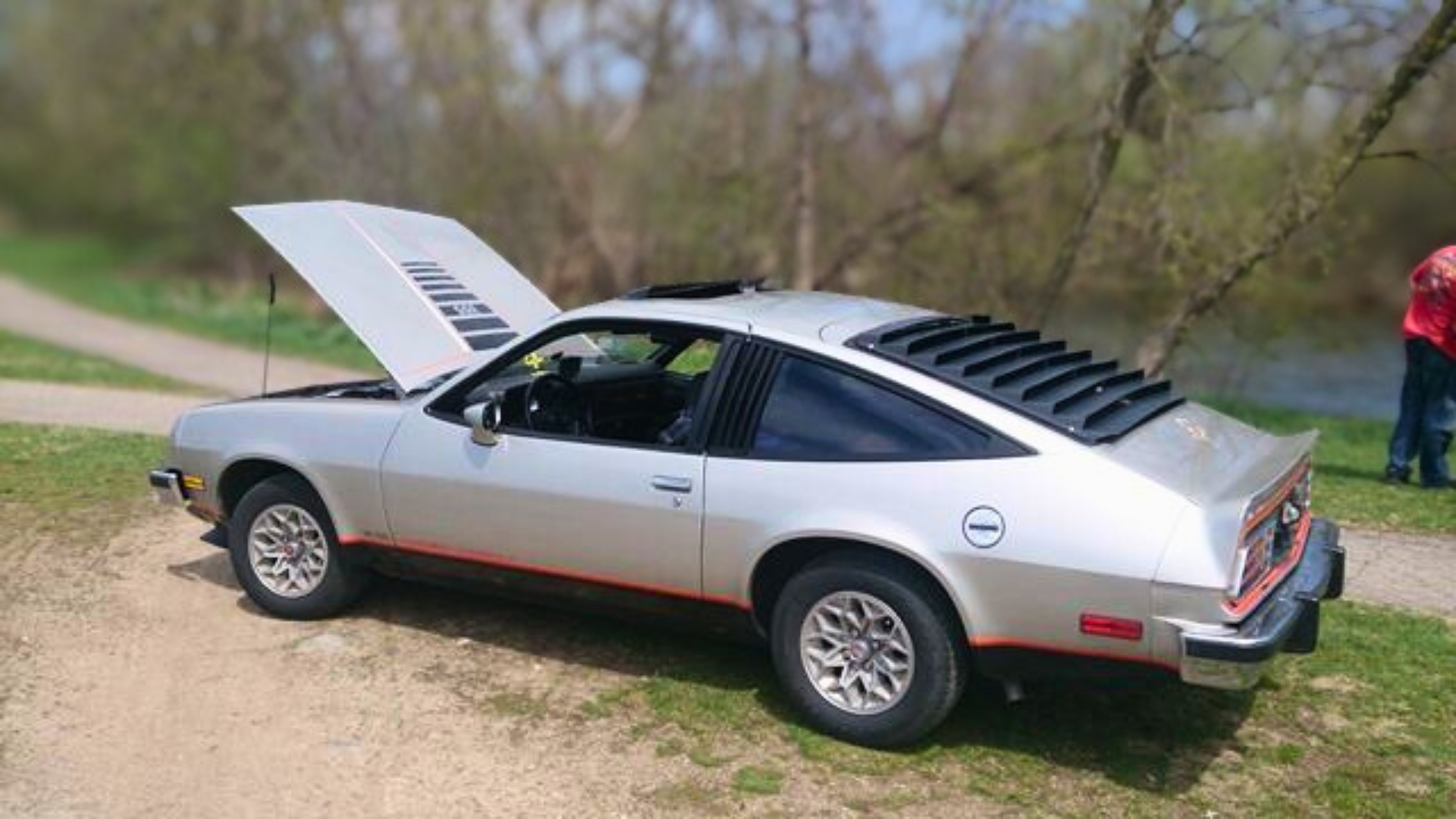
The sporty graphics, spoilers, and fastback design promised something more aggressive, but the reality was a car that lacked real performance. Without a V8 and with only mediocre horsepower from the V6, it couldn't deliver excitement. Plus, the ride was unrefined, noisy, and built with compromises that made the "sport" label feel hollow.
How Much Does A 1980 Pontiac Sunbird Sport Hatch Cost Today?
With very few Sport Hatch models produced, finding one on the open market today is rare. If you do come across one, be prepared for a hefty price. When it was new, the Sport Hatch started at $4,731, which equates to about $18,600 today. The Formula Package version, featuring a V6 engine and manual transmission, was even rarer, making up just 1% of total production.
According to Classic.com, the average auction price for a 1980 Pontiac Sunbird is around $6,000, but this includes all body styles. J.D. Power lists the average retail price at $4,775. While the Sport Hatch is rare, there are other Sunbird models available. For example, a 1986 Pontiac Sunbird Turbo Convertible sold for $5,995, and a 1980 Sunbird Coupe went for $6,000.
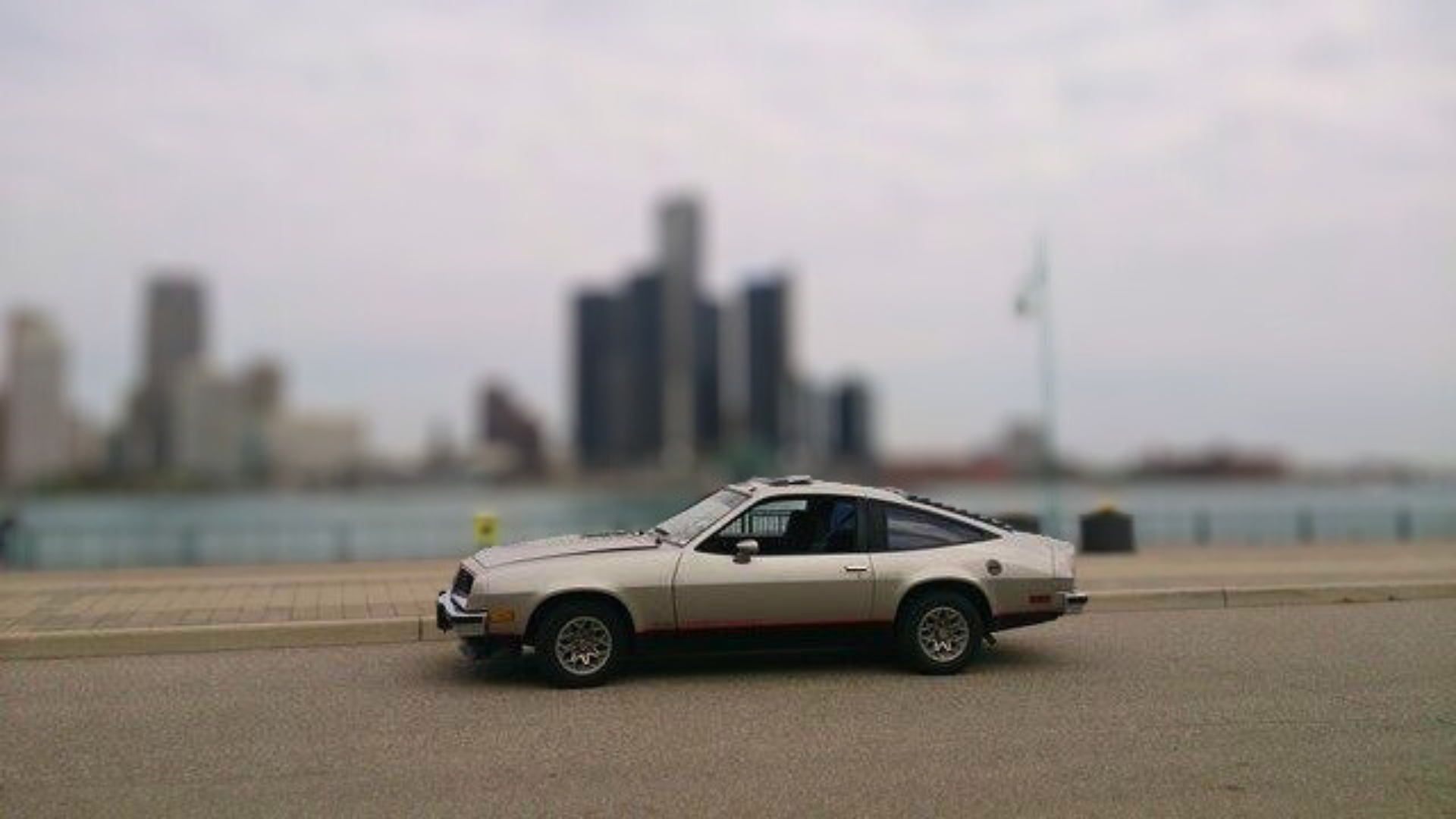
Finding a Sport Hatch on the used market is challenging, so if you're interested in a Sunbird, consider a more common body style like a sedan, coupe, or wagon.
Other American Machines That Flopped Big Time
While the Sunbird Sport Hatch was a major flop for Pontiac, it’s far from the only automotive disaster. Two other notable examples are the Cadillac Cimarron and the Ford Edsel.
Cadillac Cimarron (1982–1988)
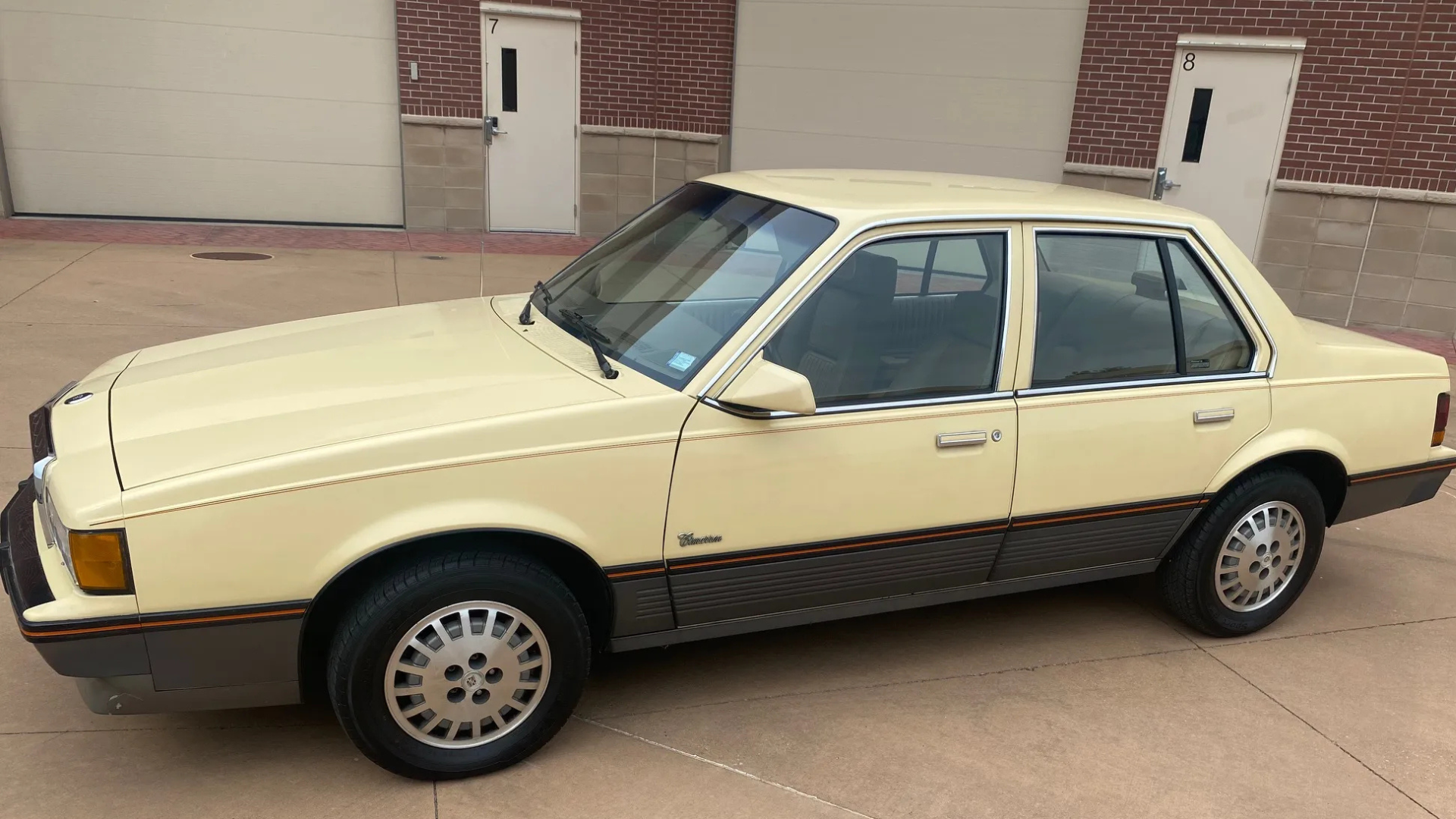
Launched in 1982, the Cadillac Cimarron was meant to capture younger buyers by downsizing and competing with BMW and Mercedes. However, it was essentially a dressed-up Chevrolet Cavalier with a 1.8-liter four-cylinder engine producing just 88 hp. It was underpowered, overpriced, and a poor fit for Cadillac’s luxury image. Despite selling around 132,499 units, it fell far short of expectations and became a punchline in the automotive world.
Ford Edsel (1958–1960)
The Ford Edsel is another infamous failure. Introduced in 1958 with its controversial "horse collar" grille, the Edsel was supposed to revolutionize the mid-market. Instead, it faced timing issues, poor styling, and quality problems. Production lasted just three years, with only 118,287 units built. It became a textbook example of how not to launch a new car.

Both the Cimarron and the Edsel joined the Sunbird Sport Hatch in the annals of automotive history as vehicles that promised much but delivered little. Each left a lasting mark on their respective brands.

Post a Comment for "The Lost Sports Coupe No One Purchased"
Post a Comment