
Top 10 Political Films to See
Movies That Explore the Political Landscape
If you're looking for a way to engage with the world of politics through film, there are several movies that offer unique perspectives. These films not only entertain but also provide insight into the complexities of political systems and human behavior.
The Ides of March
Directed by George Clooney, The Ides of March is an adaptation of Beau Willimon's play. It follows Ryan Gosling as a campaign staffer who uncovers the hidden truths about his idealistic presidential candidate. Clooney originally planned to make the film earlier, but he felt the timing wasn't right for a cynical political movie. Now, with the return of cynicism, the film feels more relevant than ever.
Clooney and co-writer Grant Heslov focused on the characters rather than the politics themselves. Heslov explained their approach: "For us, the film was sort of less about politics than it is about moral dilemmas that people face when they're in those kinds of situations."
Mr. Smith Goes to Washington
This classic film offers a different take on politics, focusing on idealism and the power of one individual to challenge a corrupt system. Mr. Smith Goes to Washington features a marathon filibuster by the protagonist, which caused outrage among politicians at the time. Despite the backlash, the film remains a powerful commentary on government and its flaws.
In the Loop
Armando Iannucci's In the Loop is a British satire that lampoons British-American politics, particularly the lead-up to the Iraq War. The film is known for its biting humor and ridiculous scenarios. Iannucci emphasizes that he isn't driven by a specific brand of political satire but by a genuine interest in how people use rhetoric to obscure meaning.
The Candidate
Robert Redford stars in The Candidate, a film that explores the transformation of an idealistic lawyer into a politician who compromises his principles. Screenwriter Jeremy Larner drew from his experience as a speechwriter for Eugene McCarthy's 1968 campaign. He emphasized the importance of getting close to the real thing when writing about politics, suggesting that filmmakers should interview campaign workers and observe political events.
Election
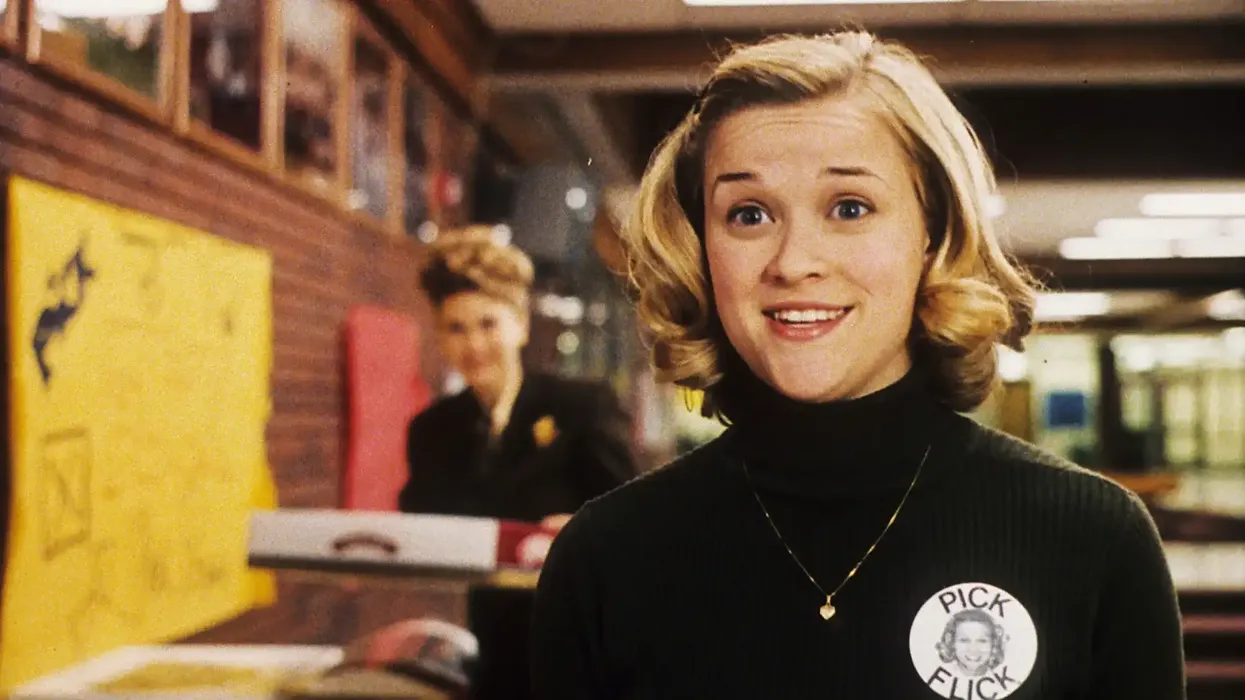
Alexander Payne's Election is a satire that follows a high school student and her teacher as they navigate the politics of a student council election. While it appears to be a teen comedy, the film delves into themes of ambition and political maneuvering. Payne approached the film as a human comedy set in a political arena, highlighting the importance of character over platform.
Vice
Adam McKay's Vice is a darkly comedic biopic about Dick Cheney and his rise to power during the George W. Bush administration. Christian Bale's portrayal of Cheney is chilling, showcasing his cold calculation. McKay aimed to understand Cheney as a character, even if the audience might not sympathize with him. Understanding your characters, even if they aren't likable, is essential for creating compelling stories.
Frost/Nixon
Ron Howard's Frost/Nixon follows David Frost's interviews with Richard Nixon, addressing issues of accountability and political scandal. Peter Morgan, the writer, met with David Frost to gather insights for the film. He emphasized the importance of balancing factual accuracy with editorial independence, navigating the complex relationship between the filmmaker and the subject.
Lincoln
Daniel Day-Lewis stars as Abraham Lincoln in this Steven Spielberg historical drama. The film focuses on the passage of the Thirteenth Amendment and Lincoln's struggles during the end of his presidency. Spielberg spent years convincing Day-Lewis to take the role, and the actor took a year to prepare for the part. The film highlights the importance of finding the right actors and building strong relationships with them.
Jackie
Pablo Larraín's Jackie is a psychological drama about First Lady Jacqueline Kennedy following the assassination of President John F. Kennedy. Natalie Portman plays the First Lady, and the film presents politics from a unique perspective. Larraín emphasized the importance of using primary sources and historical context to fill in the gaps with creative storytelling that feels inevitable based on character and context.
Thirteen Days
Thirteen Days is a political drama that follows the Cuban Missile Crisis, capturing the gravity and personal struggles of the characters involved. The film compresses events to fit within a tighter narrative while maintaining the authenticity of the historical story. This approach is often necessary when adapting historical events for the screen, allowing filmmakers to convey the essence of the story without losing its impact.

Post a Comment for "Top 10 Political Films to See"
Post a Comment