
Trump Exploits 'Loophole' to Demolish White House East Wing
The Controversial Demolition of the White House East Wing
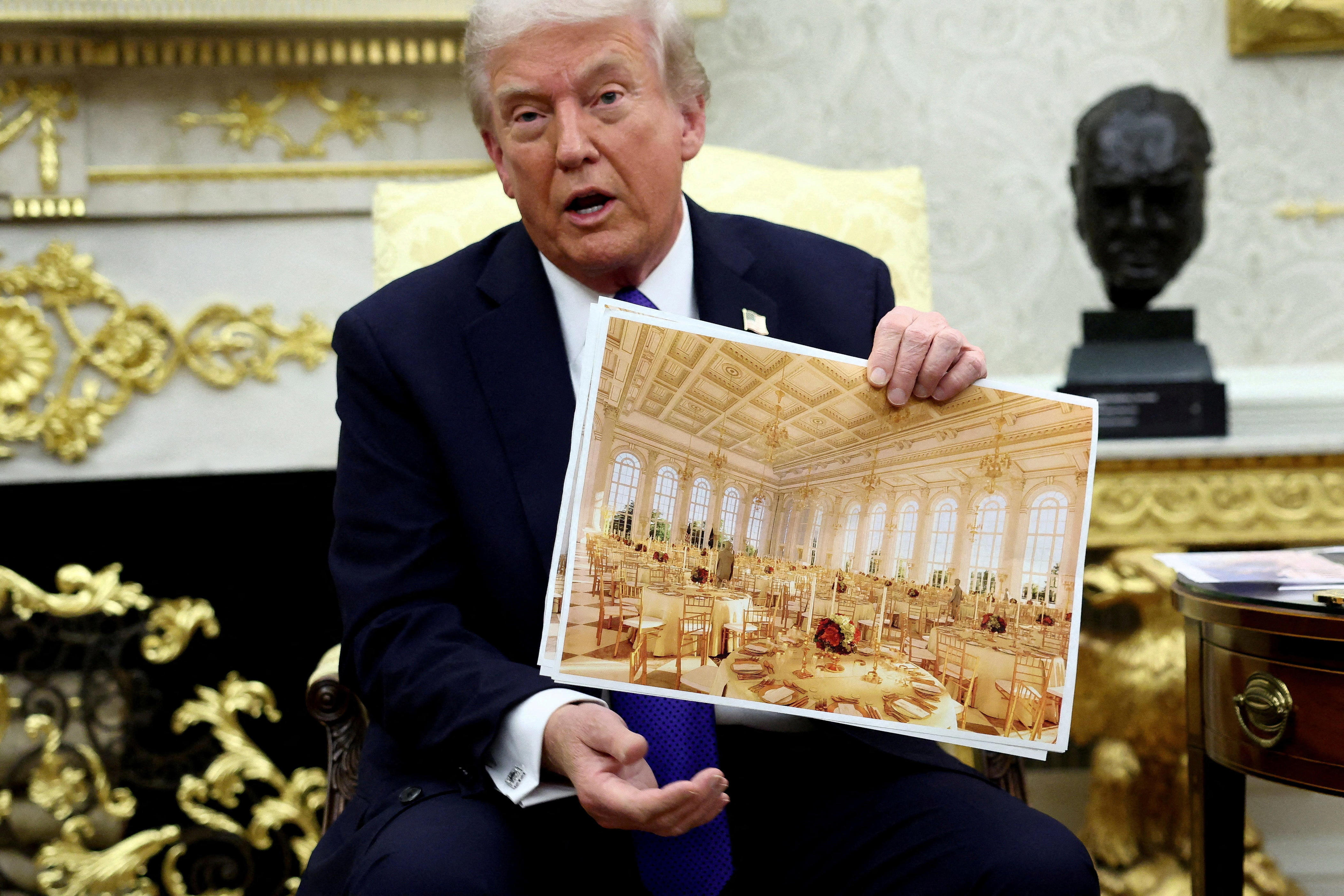
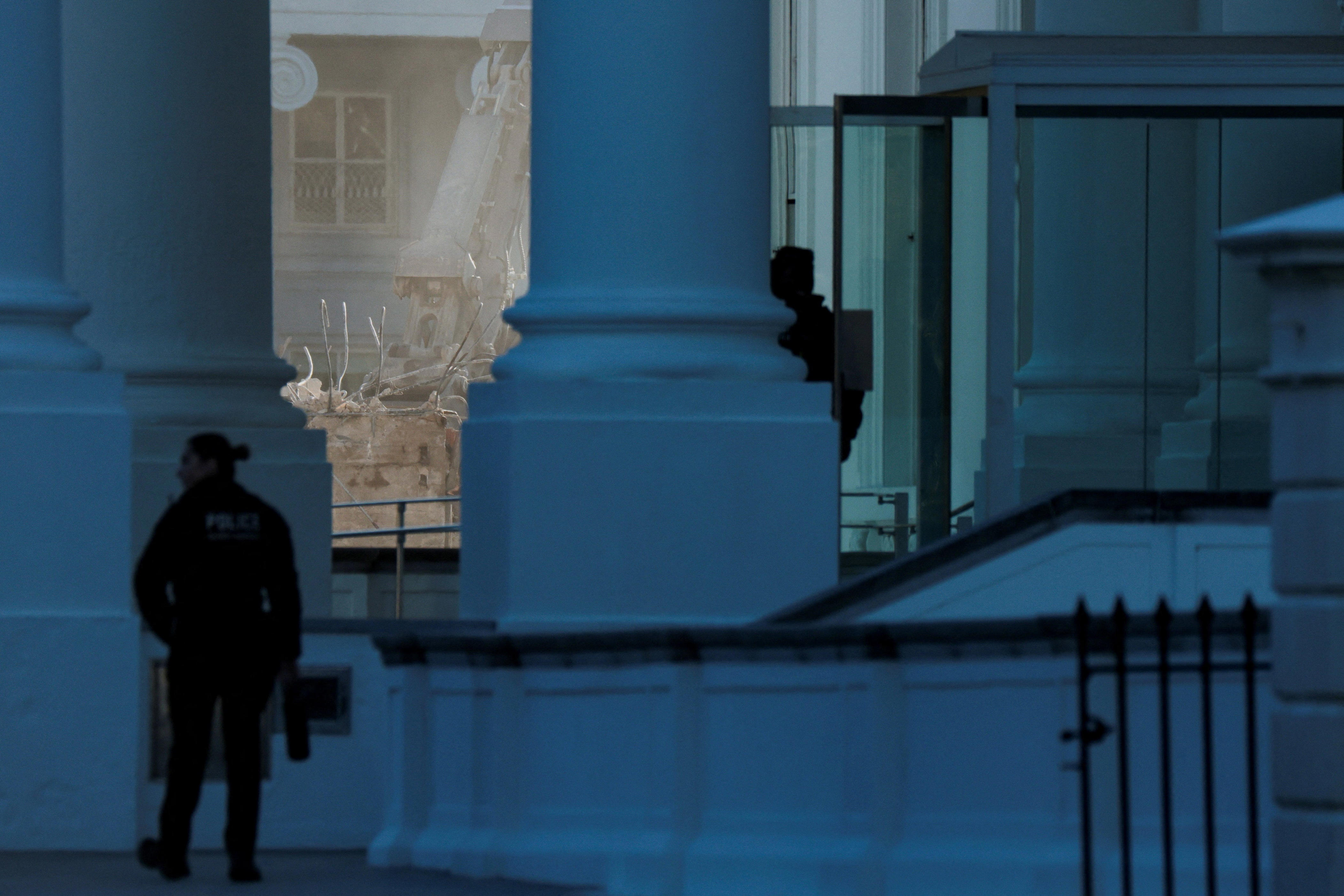
President Donald Trump has sparked significant controversy with the demolition of the East Wing of the White House, a move that has drawn criticism from historic preservationists and Democratic opponents. The project, aimed at constructing a $300 million ballroom, is being funded entirely by private dollars. The demolition began on October 20, starting with the east entrance of the East Wing, which had historically served as office space for the first lady and her staff. The full demolition is expected to be completed in the coming days, with construction set to continue throughout most of Trump's second term.
This development has raised questions about whether Trump has the legal authority to unilaterally demolish a significant portion of "The People's House" and construct a 90,000-square-foot structure that will tower over the main White House building.
Ownership and Legal Considerations
The White House, built between 1792 and 1800, is owned by the American people and overseen by the National Park Service. The East Wing, originally known as the East Terrace, was constructed in 1902 and significantly expanded in 1942. It also contains a bunker underneath the facility, the President Emergency Operations Center, which is expected to be modernized.
While the National Historic Preservation Act of 1966 requires reviews of projects affecting most historic buildings, the White House, Supreme Court building, and U.S. Capitol are exempt. Priya Jain, chair of a heritage conservation committee at the Society of Architectural Historians, noted that past renovations, even minor ones, have gone through public review procedures, even if not required. However, this has not been the case with Trump's ballroom plans, which she describes as exposing a "loophole" in federal law.
Review Processes and Planning Commission
Construction projects on the White House campus typically go before the National Capital Planning Commission, a central planning agency since 1952. The White House had planned to submit the ballroom construction plan to the commission but proceeded with the East Wing demolition before doing so. The White House argues the commission does not have jurisdiction over demolition of a federal building, only construction. Will Scharf, the Trump-appointed chair of the commission, stated that the commission deals with vertical build, not demolition or site preparation.
Even if the ballroom eventually goes before the National Capital Planning Commission, the panel lacks clear authority to reject projects from the White House. Under the 1952 law that created the commission, if the federal agency requesting the project disagrees with the commission's views, it may proceed as per its legal responsibilities. The commission is also stacked with Trump loyalists, raising concerns about impartiality.
Public Reaction and Concerns
Some historic preservationists and past members of the National Capital Planning Commission argue the ballroom designs should have been submitted for review before the teardown began. Bryan Green, who served on the commission during the Biden administration, emphasized that demolition cannot be separated from the new construction that follows. He noted that the shock of the demolition could have been avoided had plans been formally submitted earlier.
Trump has also broken an earlier commitment not to touch the existing White House structure. He claimed the East Wing needed to be torn down to accommodate the ballroom after consulting with "some of the best architects in the world." A White House official stated that the plan was always subject to vary as the process developed, and a thorough preservation process was conducted to remove and relocate historic items.
Size, Costs, and Funding
Historic preservationists are alarmed by the size of Trump's ballroom, which is expected to be 90,000 square feet—nearly twice the size of the main part of the White House. The National Trust for Historic Preservation expressed concern that the massing and height of the proposed new construction would overwhelm the White House itself.
The project has also seen an increase in cost, from $200 million when announced in July to $300 million. Trump claims he will pay for the ballroom himself with private dollars raised by supporters, corporations, and other donors. The White House has released a list of 37 donors, including major tech and corporate entities.
Why Does Trump Want a Ballroom?
Trump has long complained about the lack of a ballroom for large events at the White House. He has often claimed his predecessors have talked about the lack of a ballroom for "at least 150 years," though it's unclear whom he is referencing. The ballroom has been a personal priority for Trump, who described the current setup as inconvenient and unsightly.
Trump's Mar-a-Lago resort in Florida has a 20,000-square-foot ballroom. During the 2016 campaign, he offered to pay $100 million of his own money to construct a ballroom, but the Obama White House rejected the offer.


Post a Comment for "Trump Exploits 'Loophole' to Demolish White House East Wing"
Post a Comment