
Trump's special ed cuts hit close to home for senator in shutdown battle
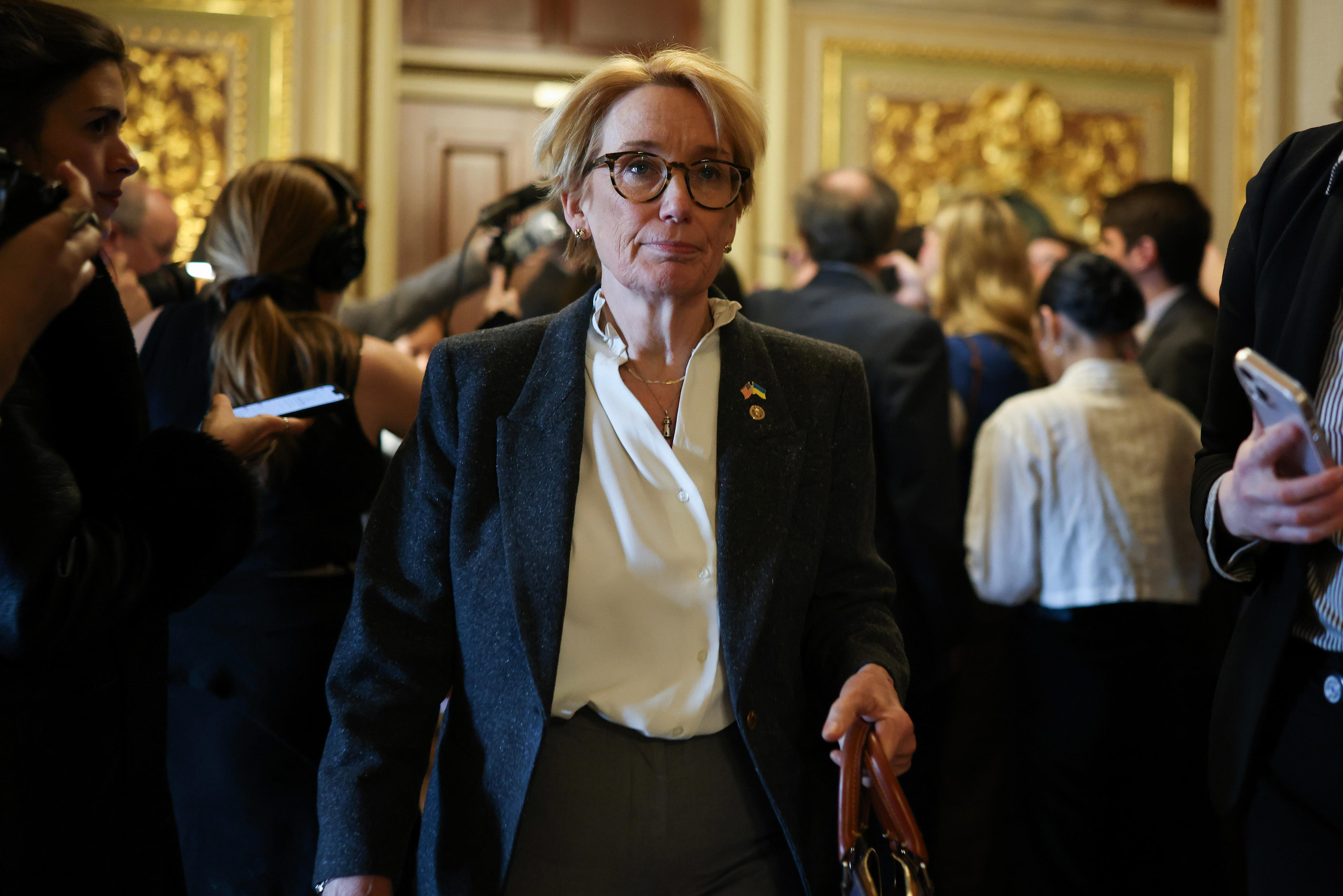
WASHINGTON – For New Hampshire Sen. Maggie Hassan, the recent layoffs at the U.S. Department of Education hit close to home. Watching more than 120 jobs tied to special education disappear during the government shutdown felt deeply personal to her. As a second-term senator and former governor, she has a unique perspective on the issue, especially given that her now-adult son, Ben, was born with cerebral palsy nearly four decades ago. His early years in school relied on the very programs now under threat.
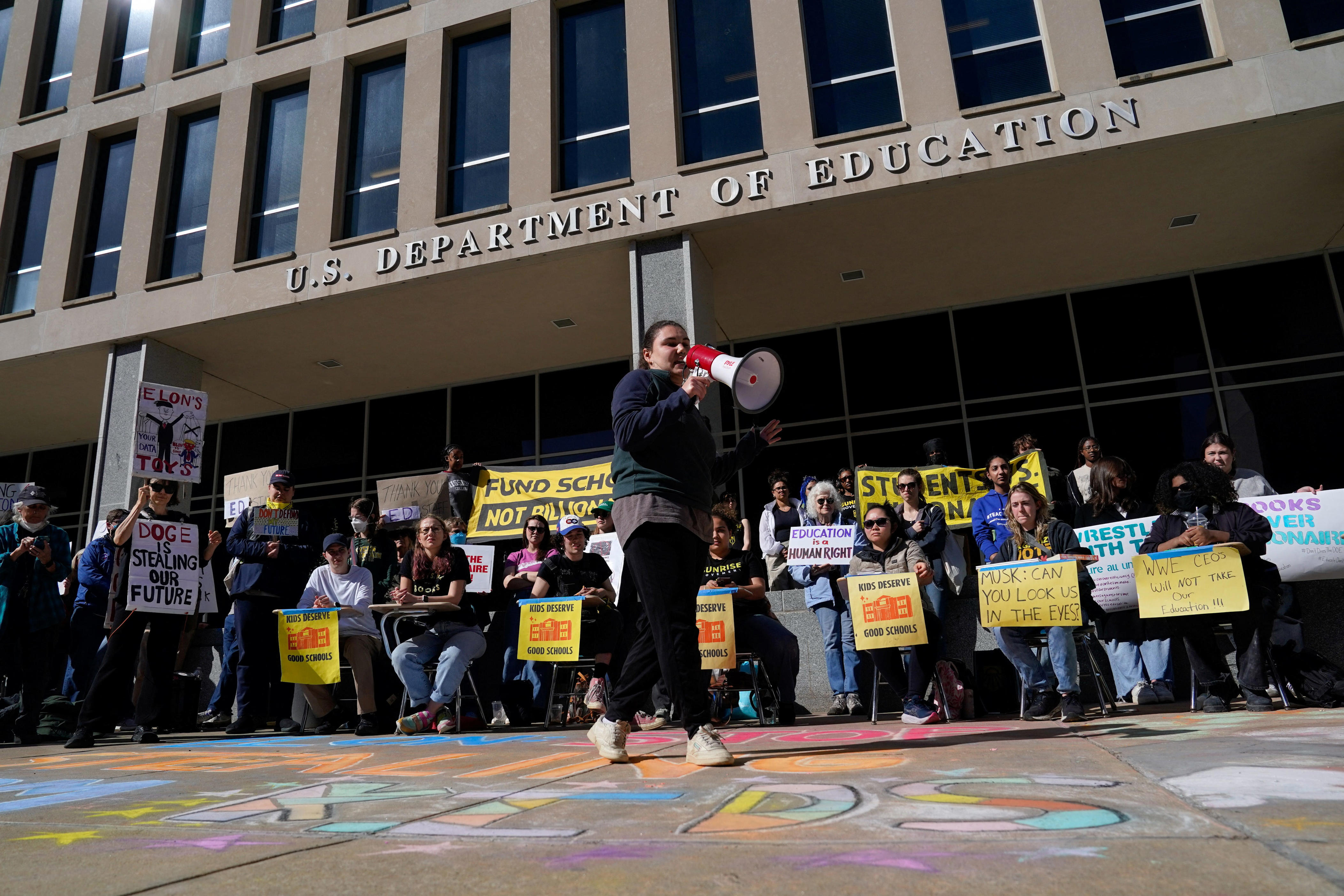
The federal government's decision to lay off roughly a fifth of its workforce, including nearly everyone in the special education division, has sparked widespread concern among families and educators. These cuts were made as part of an effort by President Donald Trump to pressure Democrats into ending the budget crisis. The move has raised serious questions about the future of special education services for millions of students across the country.
"This is a real blow to children and families all across the country," Hassan said in an interview with USA TODAY. "I don’t have constituents asking me to shut the door on kids with disabilities."
Her concerns are echoed by many families nationwide, highlighting the real-world impact of the shutdown. The special education layoffs, which were temporarily paused by a federal judge, have caused anxiety among parents and teachers. Special education advocacy groups report being overwhelmed with inquiries from concerned families.
 Lawmakers, too, were caught off guard by the administration’s actions. Sen. Tim Kaine, D-Virginia, called the move "outrageous." He expressed surprise at how high-profile the decision was.
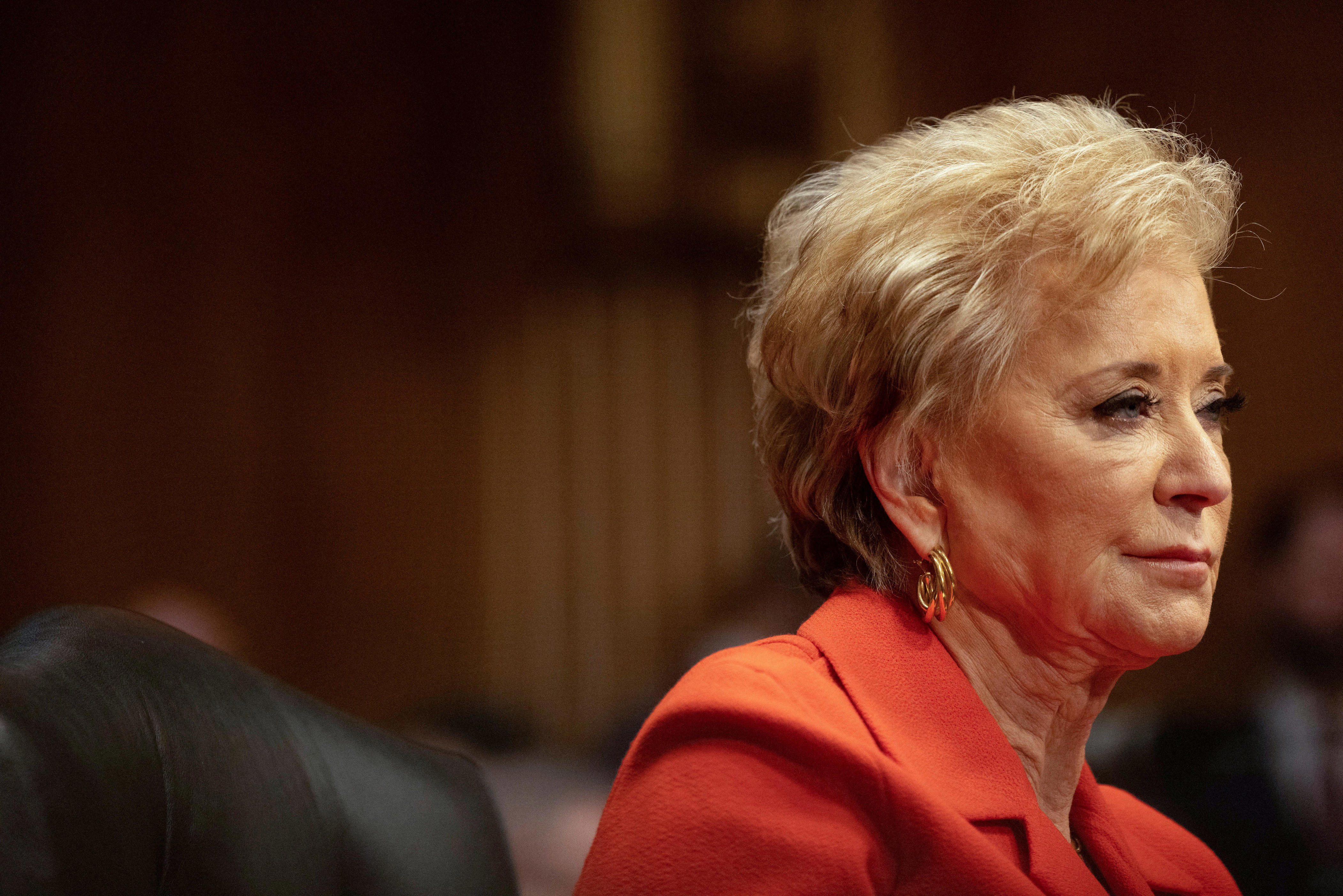
Education Secretary Linda McMahon, who has been largely silent on the issue, initially claimed that special education funding would not be affected by the staffing changes. However, her statements have been met with skepticism, especially after the recent layoffs.
 During her confirmation hearing in February, McMahon agreed with several senators, including Hassan, about the importance of special education services. While she suggested they could be better managed by another agency, she still emphasized her commitment to ensuring students with special needs receive the support they require.
Despite this, Hassan feels misled. "By taking the actions they have, it indicates to me that she wasn’t being truthful in her testimony," she said. "Or she didn’t understand the full scope of special education services."
 According to government data, between seven and eight million students receive special education services through the Individuals with Disabilities Education Act (IDEA). This law provides billions of dollars annually to states and school districts to support these students.
For Hassan’s son, IDEA funding made it possible for his school to connect him with the right resources, such as an occupational therapist and alternative communication devices. These tools helped his teachers better assess his learning progress, even though he couldn't speak.
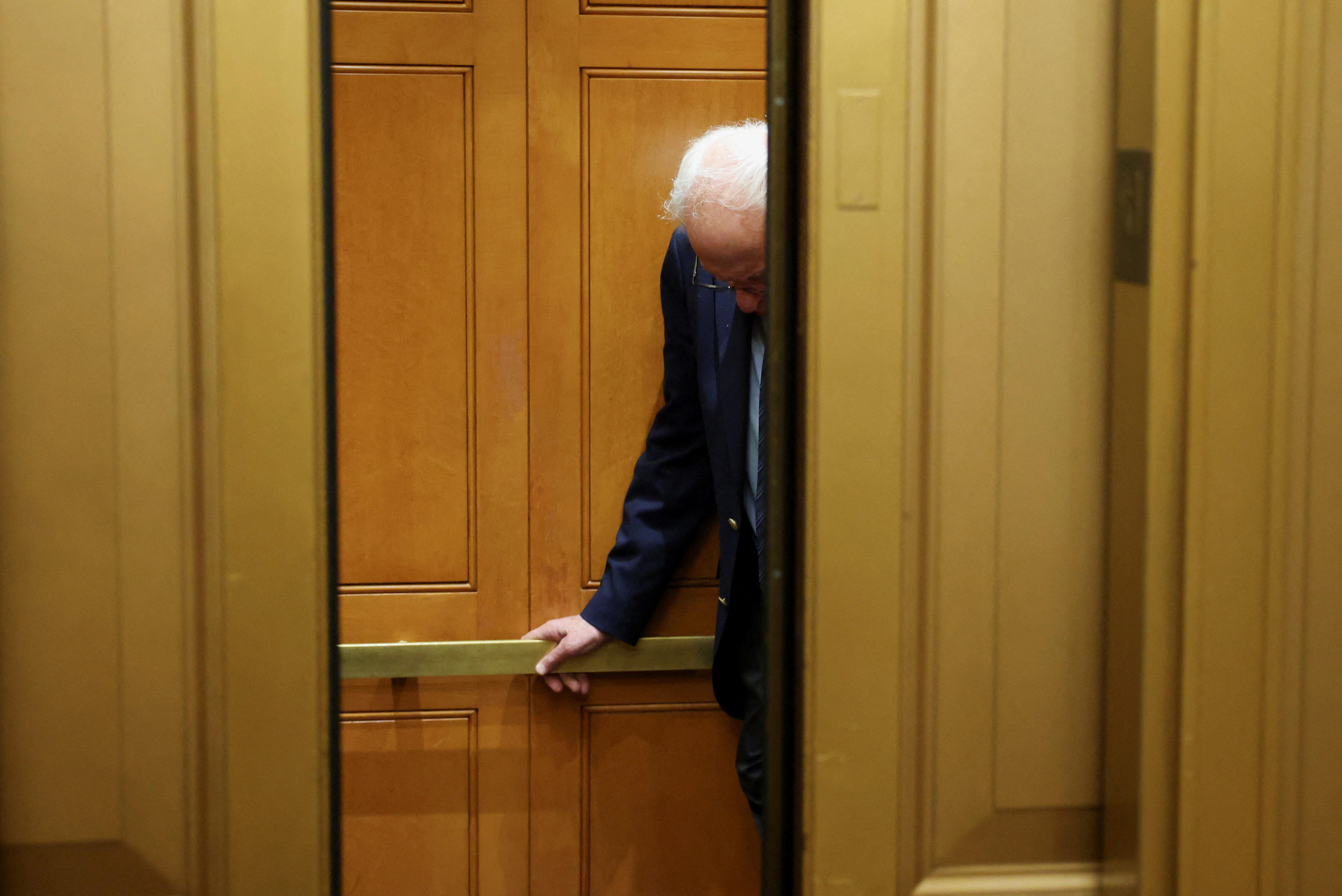 "The idea that we're undercutting those people is unacceptable," said Sen. Bernie Sanders, I-Vermont. He emphasized the importance of maintaining oversight for these critical programs.
Most of the laid-off staffers are currently furloughed, unable to perform their usual duties. Schools and parents may face challenges in accessing support or resolving issues related to IDEA.
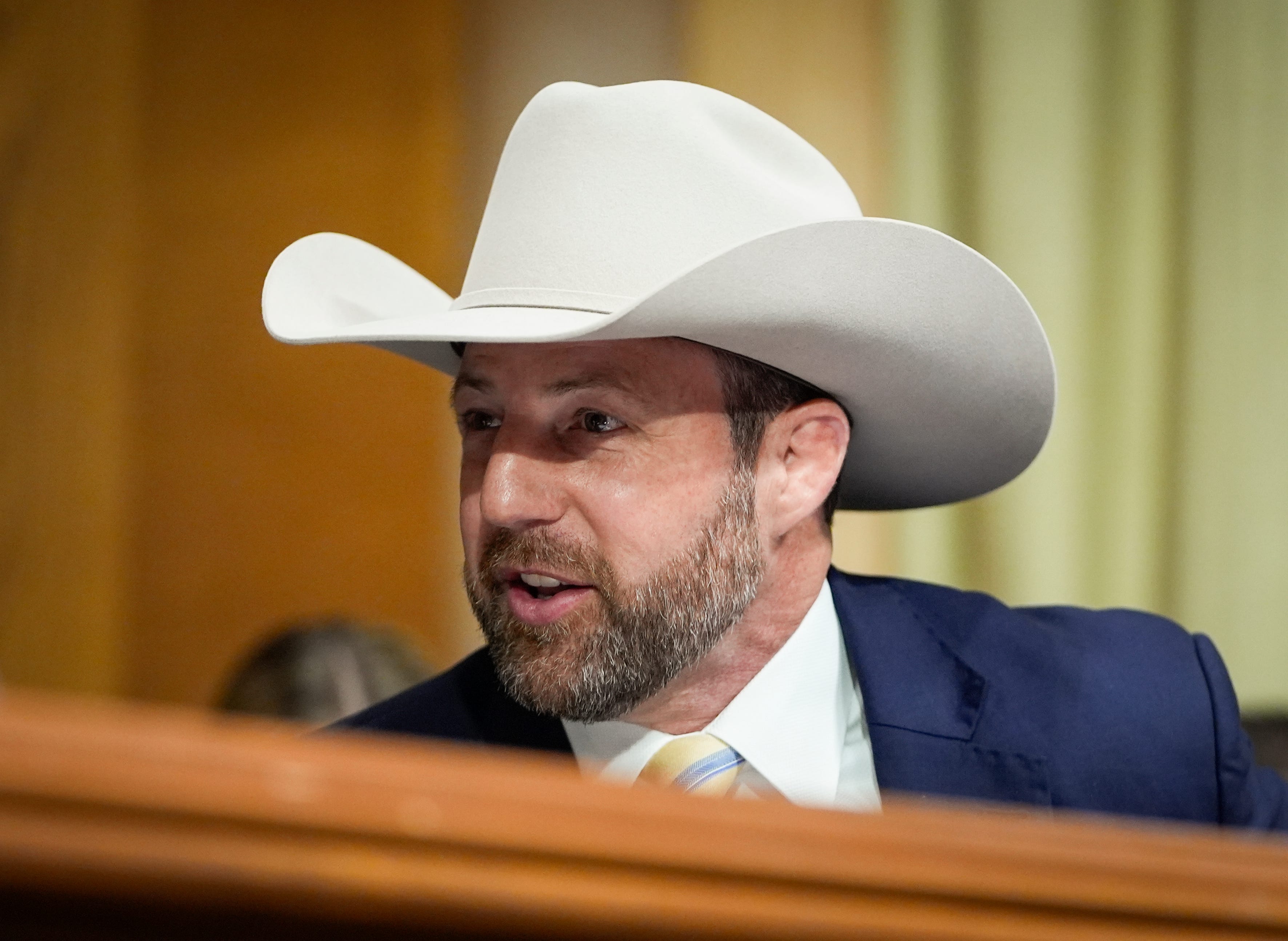 Hassan isn't the only senator with strong ties to special education. Sen. Markwayne Mullin, a Republican from Oklahoma, also has a deep connection to the field. He supports the latest Education Department layoffs, arguing that special education systems need reform.
Other Republicans have echoed similar sentiments, emphasizing the need to reduce bureaucracy in the education system. They blame Democrats for the shutdown, rather than the White House.
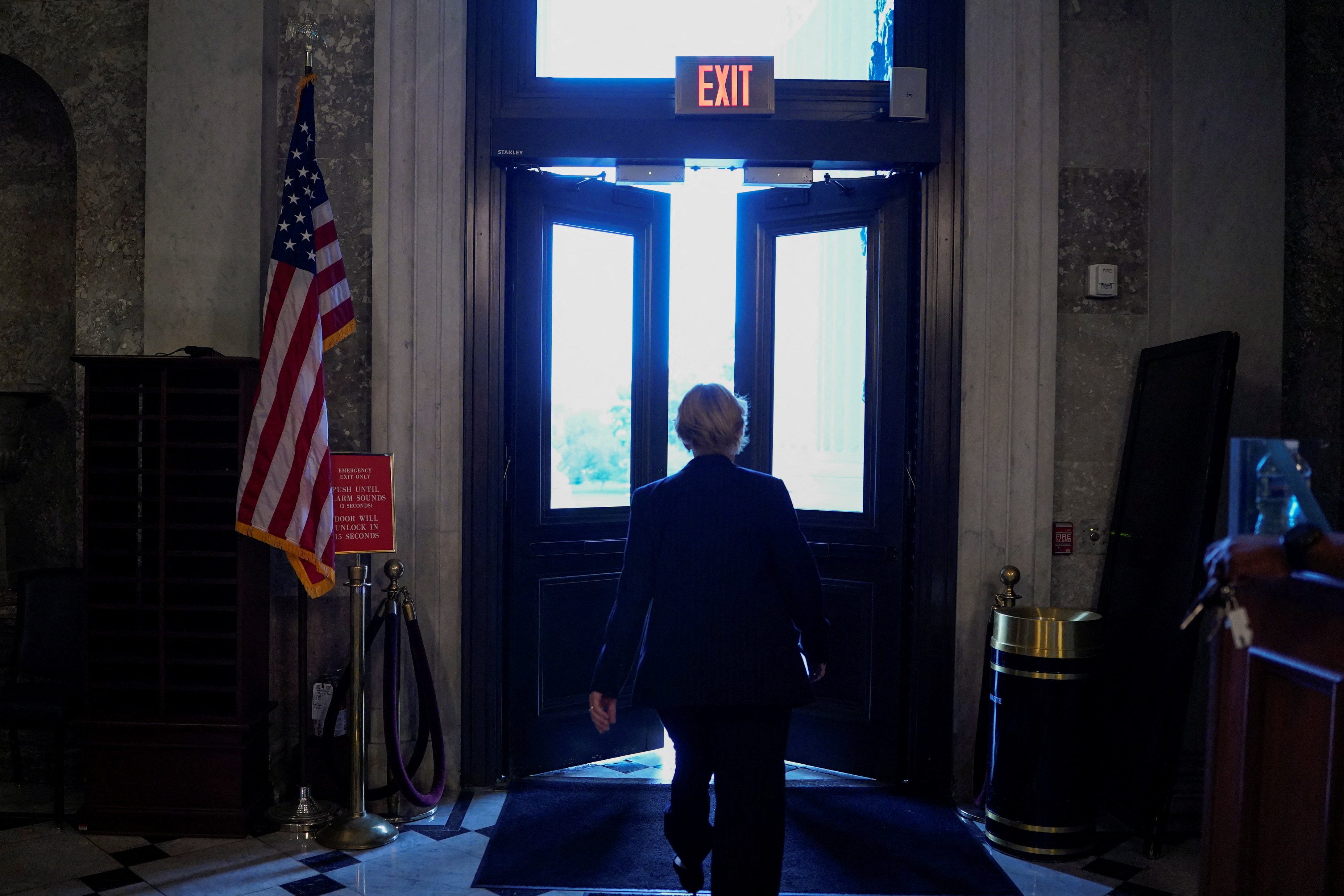 The political dynamics of the shutdown have left senators like Hassan in a difficult position. Despite voting with Republicans to keep the government funded in March, she remains committed to protecting vulnerable communities.
 The prolonged shutdown has become one of the longest in American history. If it continues, it will surpass the record set in Trump's first term. Despite bipartisan efforts, there has been no significant movement toward resolution.
In the week following the special education layoffs, Hassan continued to oppose Republican funding bills. She emphasized that the administration's actions are part of a long-term trend, not just a response to the shutdown.

Post a Comment for "Trump's special ed cuts hit close to home for senator in shutdown battle"
Post a Comment