
Unseen Threat: First Glimpse of the F-47's Stealth Bomber Capabilities
Key Features of the 6th-Generation F-47
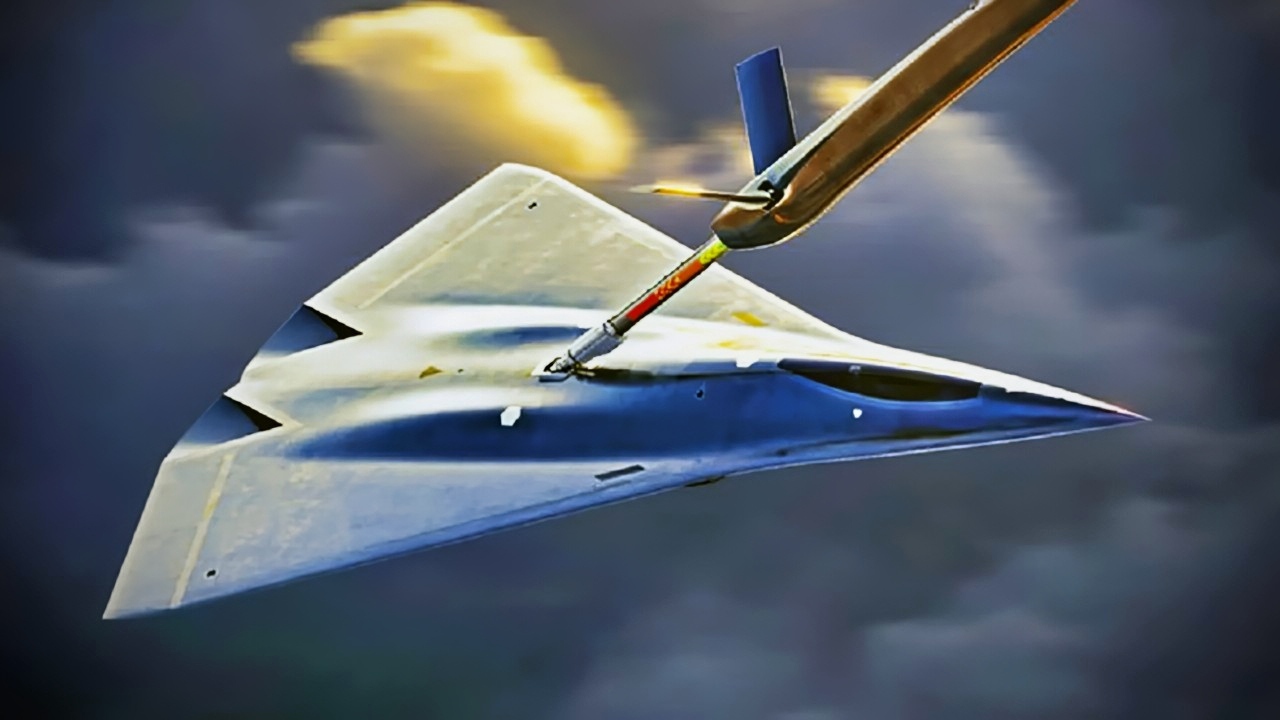
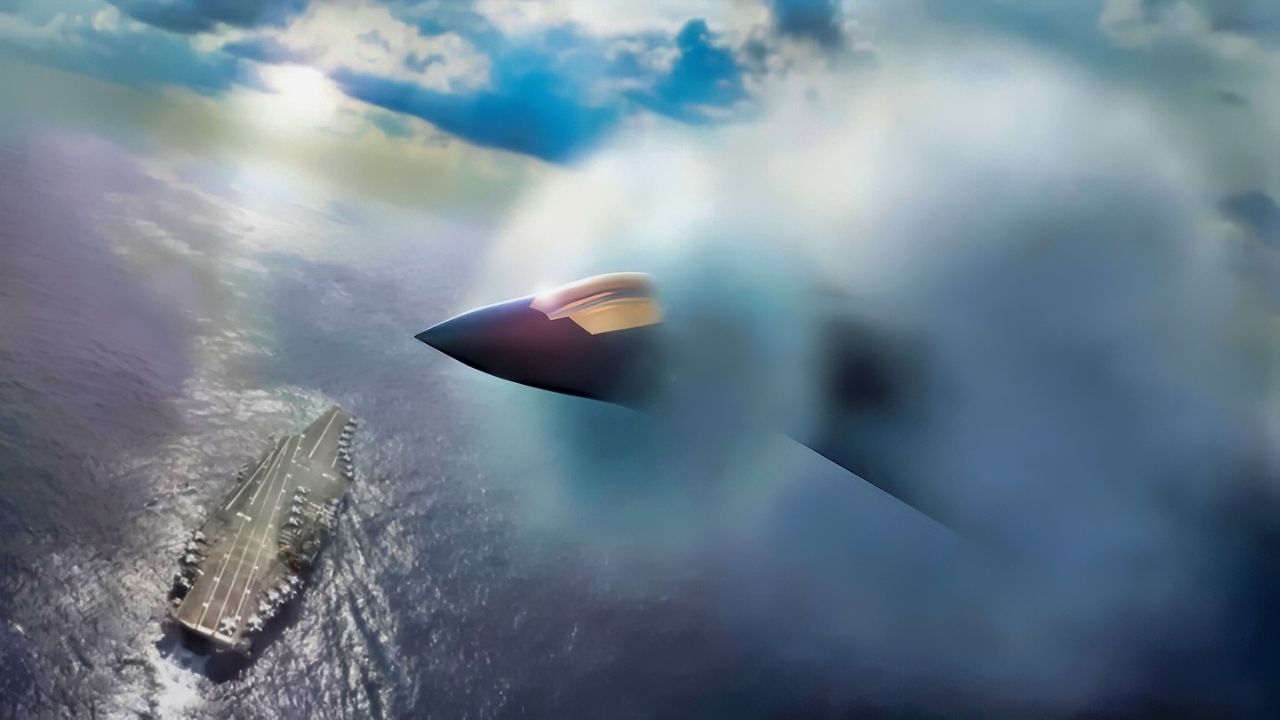
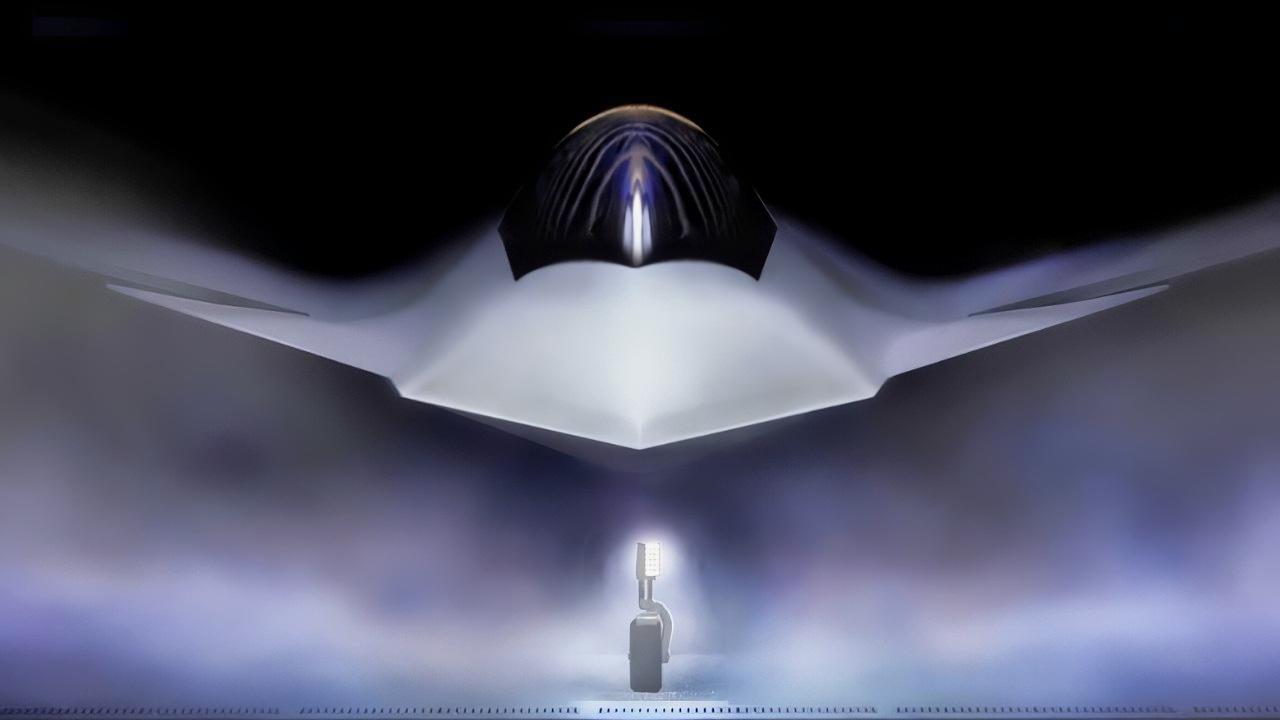
The 6th-generation F-47 is being developed with a focus on "stealth supremacy," incorporating a "paradigm-changing" blended wing-body design that eliminates vertical tails, resembling a stealth bomber. This innovative configuration allows the aircraft to blend the stealth characteristics of a bomber with the speed and agility of a fighter jet.
- The F-47 is designed to have F-22-like agility for dogfighting, but its advanced sensors and AI could make close combat obsolete by enabling it to "see first, verify first, shoot first, and kill first."
- Its ability to operate inside the enemy's OODA loop (Observe, Orient, Decide, Act) gives it a significant advantage in air combat scenarios.
A New Era of Air Combat
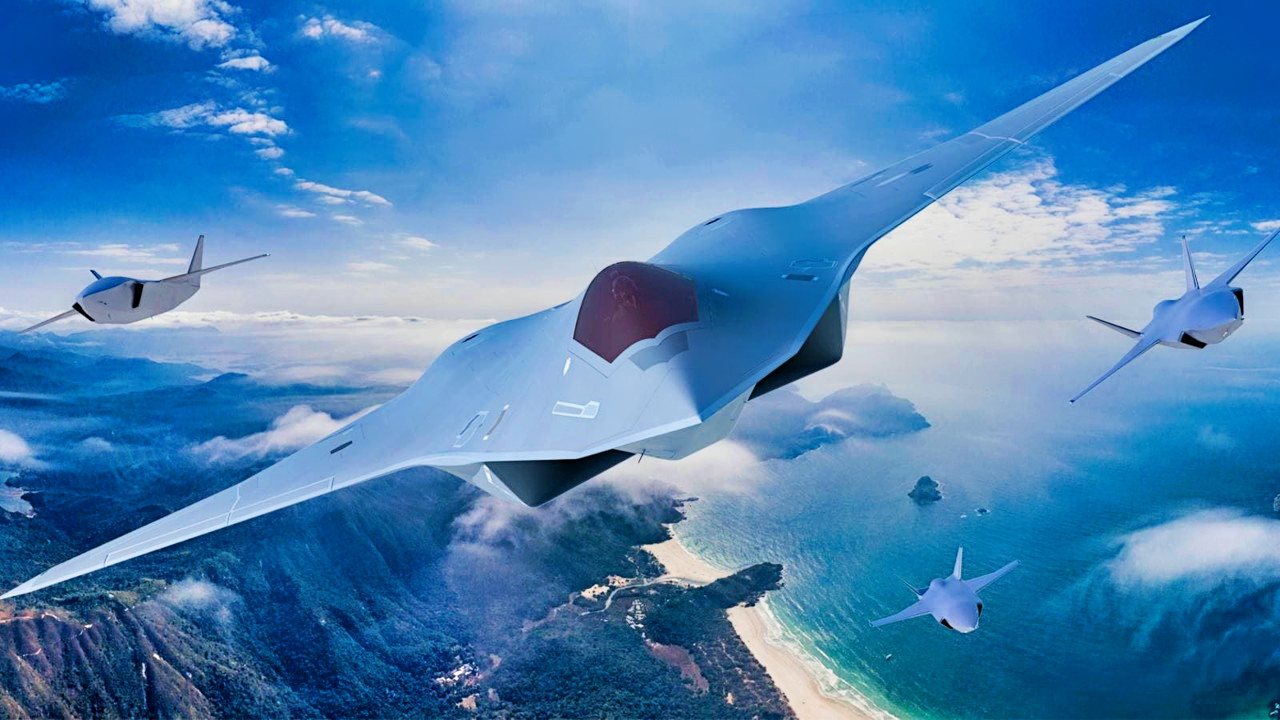
The F-47 is also envisioned as a "mothership," capable of operating at a safe standoff distance while controlling multiple "Loyal Wingman" drones (CCAs) in contested airspace. This makes it a versatile platform for long-range weapons delivery, stealth operations, and acting as a flying sensor node or command and control center in the air.
Developers are working to achieve an optimal balance between full broadband stealth, pure speed, and aerial agility. Breakthroughs in fighter jet vectoring, thermal management, thrust reduction, and radar signature reduction are expected to play a crucial role in the F-47’s development.
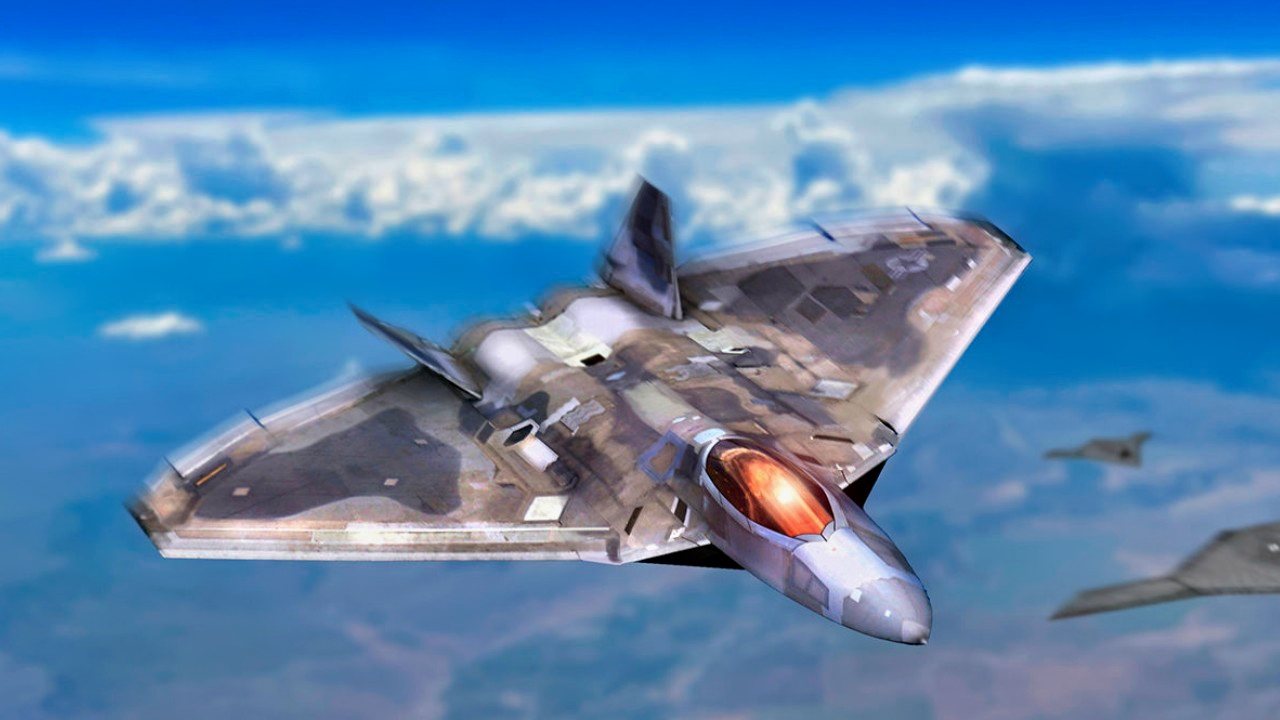
Stealth Supremacy
The absence of vertical structures in the F-47’s design suggests that developers have found a way to combine the stealth of a bomber with the speed and agility of a fighter jet. The smooth, rounded horizontal surface of the fuselage indicates a potential breakthrough in stealth technology.
Ground radar faces significant challenges in determining the shape, size, speed, or flight path of the F-47. This means that potential enemies may not detect the aircraft until it is too late. Publicly, the airframe is said to be capable of Mach 2 speeds and nearly double the range of an F-35 or F-22.
Special rubber-like coatings and radar-absorbent composite materials further enhance the F-47's stealth performance. These materials absorb rather than reflect electromagnetic pings from enemy radar, making the aircraft appear like a small bird on radar screens.
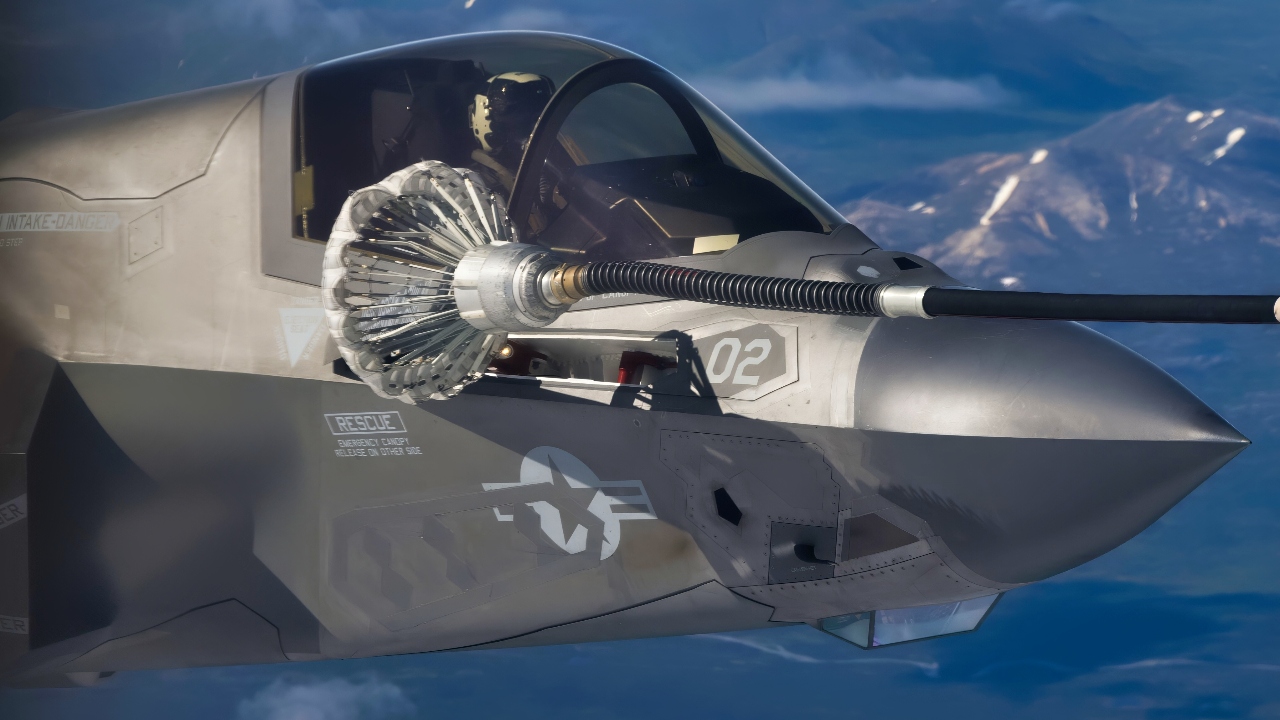
The Future of Dogfighting
While the F-47 will likely establish air superiority through advanced dogfighting capabilities, thrust-vectoring, and a strong thrust-to-weight ratio, new sensing technologies may render traditional dogfighting somewhat obsolete. High-fidelity long-range targeting, powerful AESA radar, and AI-enabled computing could allow the F-47 to prevail without needing to engage within striking range of an adversary.
With advancements in air-to-air weapons such as the PLA's JL-15 and the US Air Force-Navy AIM-260, the range-detection disparity may become a decisive factor in air-to-air combat. The F-35 has already demonstrated this capability in Red Flag wargames, where it could detect and destroy 4th-generation aircraft from undetectable ranges.
The F-47 must be equipped with unparalleled long-range, high-resolution sensing and precision weapons that can outrange enemy weapons and resist jamming.
Thermal Management
The F-47 aims to lead in thermal management, using internally buried engines, exhaust emission controls, cooling technologies, and IR suppressors to minimize its heat signature. The goal is to ensure the aircraft operates at a temperature similar to the surrounding atmosphere, preventing detection by infrared sensors and heat-seeking weapons.
Loyal Wingman
The F-47 will rely on advanced AI-enabled computing, sensing, and command-and-control capabilities to process and analyze data from various sources quickly. This will enable it to outpace an enemy's decision-making process, allowing it to see, verify, shoot, and kill first.
This AI-driven system will also allow the F-47 to control the flight path and payload of multiple drones from the cockpit. A manned F-47 can operate at a safe distance while deploying forward drones and Combat Collaborative Aircraft to penetrate contested areas, test, jam, or attack enemy air defenses.
Additionally, the F-47 can function as a multi-domain aerial sensor node, forming part of a combat cloud or air-sea-land-space combat network.
About the Author
Kris Osborn is the President of Warrior Maven – Center for Military Modernization. He previously served at the Pentagon as a highly qualified expert in the Office of the Assistant Secretary of the Army—Acquisition, Logistics & Technology. Osborn has also worked as an anchor and on-air military specialist at national TV networks. He has appeared as a guest military expert on Fox News, MSNBC, The Military Channel, and The History Channel. He also holds a Masters Degree in Comparative Literature from Columbia University.
More Military News
- The Air Force Only Has 19 B-2 Spirit Stealth Bombers
- Why the U.S. Navy Needs Lasers for an ‘Infinite Magazine’
- U.S. Navy F/A-18 Super Hornet Fighter: How Hard Is It To Fly?
- Unstoppable: Delta Force Is the Very Best Special Forces Unit on Planet Earth
- Could a U.S. Navy Nuclear Aircraft Carrier Tip Over In a Storm?

Post a Comment for "Unseen Threat: First Glimpse of the F-47's Stealth Bomber Capabilities"
Post a Comment