
Vilnius Turns Green Living into Economic Power
Vilnius: A Green Capital Leading the Way in Sustainable Urban Living
Vilnius, the capital of Lithuania, has proven that it doesn’t need the grandeur of an Olympic event to make its waters swimmable. While Paris invested billions to clean up the Seine for a dramatic opening, the rivers and lakes in Vilnius have long been open for swimming whenever the weather allows. This commitment to environmental cleanliness is just one of many ways the city has embraced sustainability, earning it the title of European Green Capital of the Year 2025.
Now, Vilnius authorities are leveraging these green credentials to enhance their global economic competitiveness. Mangirdas Sapranauskas, a senior department head at Go Vilnius, which oversees foreign direct investment (FDI) and international talent attraction, notes that the Green Capital title has put Vilnius on the map. “One of the biggest challenges we need to fight is the lack of awareness of Lithuania and of Vilnius,” he says. Foreigners now make up over 12% of the city’s population, with global companies such as Moody’s, Nasdaq, and Thermo Fisher having offices there.
Sapranauskas realized how impressive Vilnius is when executives who relocated there shared their experiences. Nearly everyone in the city lives within 300 meters of parks or other green spaces, and Vingis Park, a forest, is within walking distance of the Parliament.
A People-Oriented Approach to Sustainability
Anton Nikitin, Vilnius’s chief sustainability officer, emphasizes that being green is more than just about clean air and water. “We have to become more people-oriented, and that’s the very important social part of sustainability,” he explains. The city aims to be livable, safe, and resilient, focusing on quality of life for its residents.
This citizen-first approach extends to the country’s advanced digitalization of public and private services, which 77% of Lithuanians believe makes their lives easier. Vilnius also encourages participation in policy debates through citizen assemblies, fostering a sense of community and engagement.
A Booming Startup Scene
Sustainability and quality of life are proving to be competitive advantages for Vilnius in attracting talent and investment. The city ranks second-fastest on the IMD smart cities index, and Dealroom.co highlights its tech ecosystem for per capita venture capital, enterprise value creation, and unicorn numbers.
Notable startups include Nord Security, the $3 billion company behind Nord VPN, and Vinted, the second-hand marketplace that recently achieved a €5 billion valuation. These companies have inspired a wave of new startups, with twenty Vinted alumni already founding new ventures. Nord’s parent company, Tesonet, is a major investor in Cyber City, a vibrant tech complex that includes startups like nexos.ai.
Entrepreneur Tomas Okmanas, cofounder of Nord and now of nexos.ai, describes Vilnius as a “super safe and green city” with great talent and English-speaking professionals. “I believe being in Lithuania is really an advantage,” he says.
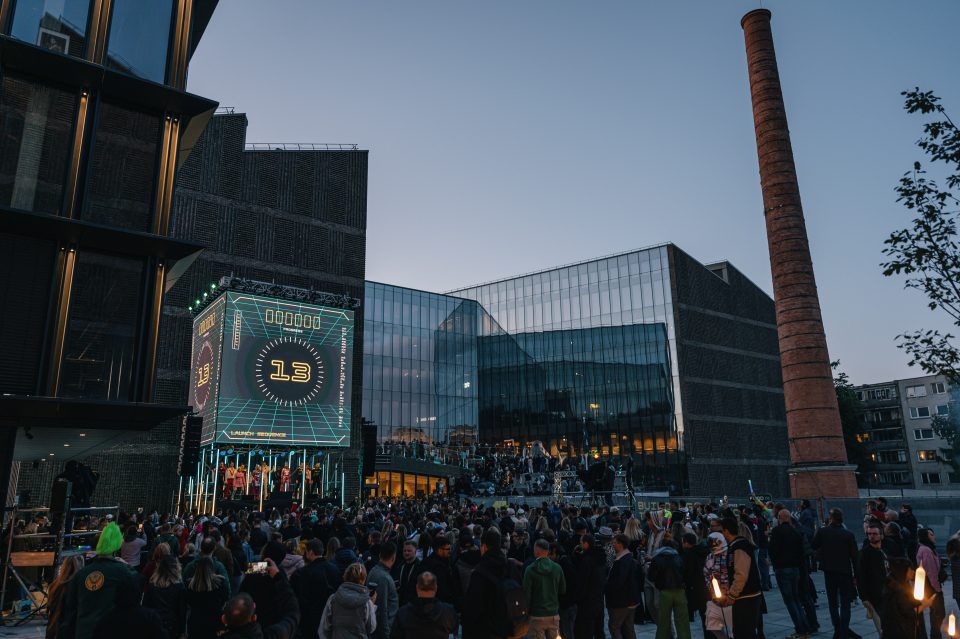
Tech Zity: Transforming Industrial Spaces into Green Hubs
Tech Zity, a startup hub, is transforming an industrial area of Vilnius into a $110 million tech campus set to open in 2026. Darius Žakaitis, founder of Tech Zity, explains that the project includes four large courtyards designed as outdoor extensions of offices, offering spaces for working, events, and relaxation. “We see greenery not as decoration but as infrastructure for productivity and well-being,” he says.
Larger companies face restrictions on preferential tax incentives due to EU regulations, but soft factors like environmental policy and digital public services play a crucial role. Initiatives like International House Vilnius help newcomers feel at home, while the availability of talent remains a key consideration.
Talent and Livability Drive Economic Growth
While average monthly salaries in Vilnius have tripled from €797 in 2014 to €2,536 in 2024, the city still offers competitive wages, partly due to its desirability as a place to live. Vlada Musvydaitė-Vilčiauskė, founder of Lithuanian walking app Walk15, notes that younger generations value sustainability in their daily lives, making Vilnius an attractive option.
Walk15, with 1.1 million users, enables over 2,000 companies to encourage employees to walk more and exchange steps for rewards. Musvydaitė-Vilčiauskė, who splits her time between Berlin and Vilnius, praises the city for its balance—offering the culture, international community, and tech scene of a major European capital, but with a greener, more relaxed environment.
Conclusion
Being a green and pleasant place to live isn’t necessarily the key to economic competitiveness, but Vilnius’s experience shows that it helps. Smaller cities and countries can find ways to compete with major metropolises by leaning into their strengths, and Vilnius is proof that sustainability and quality of life can drive growth and attract talent.

Post a Comment for "Vilnius Turns Green Living into Economic Power"
Post a Comment