
What Foods Are Safe for a Gallbladder Diet?
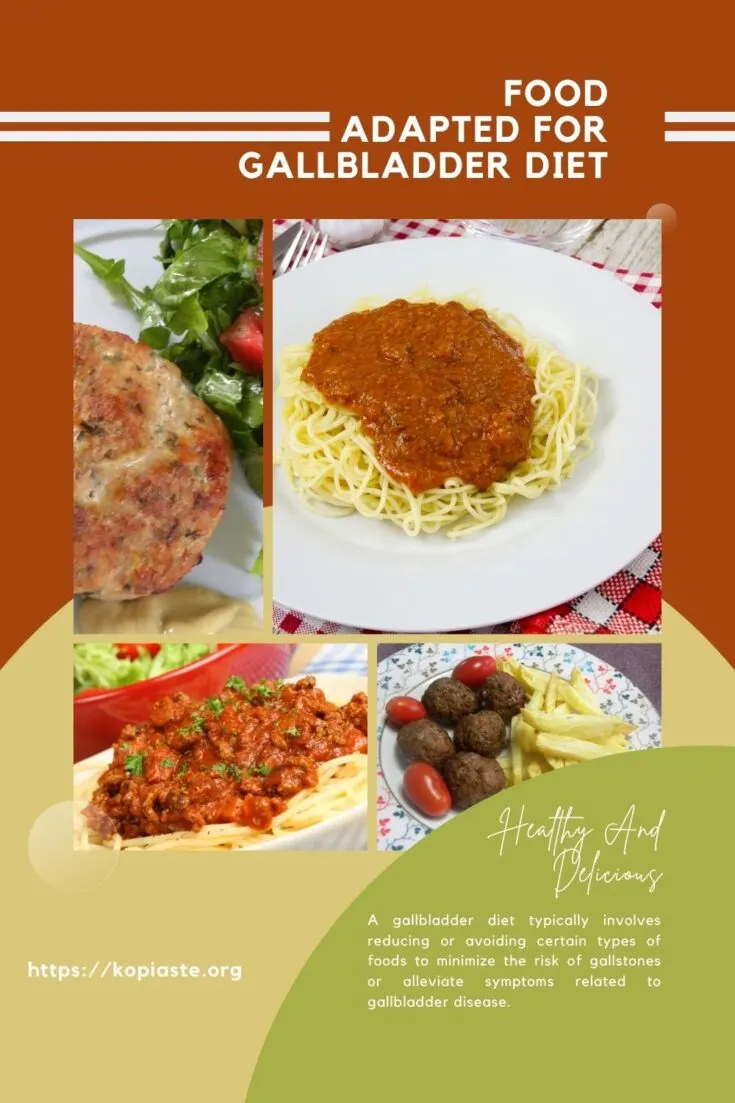
Understanding Gallbladder Health and the Role of Diet
Most people don’t often think about their gallbladder, the pear-shaped organ located under the liver that plays a crucial role in digestion by releasing bile. However, when gallbladder pain occurs, it can be a sign of underlying issues, such as gallstones. These are most commonly formed from hardened cholesterol and can cause discomfort or even severe complications.
Genetic factors may influence the risk of developing gallstones, but lifestyle choices, particularly diet, also play a significant role. Research has shown that certain dietary habits can increase or decrease the likelihood of forming gallstones. For example, diets high in saturated fats may raise the risk, while fiber-rich foods and lean proteins may help prevent them.
Can High Cholesterol Lead to Gallbladder Problems?
Gallstones typically form from either bilirubin (a pigment in bile) or cholesterol, with the latter being far more common. However, this is not directly related to the blood cholesterol levels your doctor monitors, according to MedlinePlus. While high cholesterol in the blood doesn't necessarily lead to gallstones, the composition of bile can contribute to their formation.
Many people with gallstones experience no symptoms at all, but approximately 10% may develop pain within five years. This type of pain, often referred to as a gallbladder attack, can include symptoms like:
- Pain lasting several hours
- Abdominal pain after eating
- Nausea or vomiting
- Fever or chills
- Light-colored stool
- Brownish-colored urine
- Yellowing of the whites of the eyes or skin
If symptoms become severe, medical intervention might be necessary. Treatments can range from endoscopic procedures to remove stones blocking ducts to surgical removal of the gallbladder (cholecystectomy). Fortunately, the body can function without a gallbladder, as the liver continues to produce bile for digestion.
3 Diet Changes to Support Gallbladder Health
There are no specific foods that directly cause gallstones, but certain dietary patterns are linked to an increased risk. Studies suggest that diets high in refined sugars and saturated fats, and low in fiber, may contribute to gallstone formation. Harvard Health Publishing notes that reducing saturated fat intake can help maintain a healthy weight, which may lower the risk of gallstones.
However, rapid weight loss can also increase the risk of gallstones, so gradual changes are recommended. If you're at higher risk, consulting a healthcare provider or registered dietitian can help tailor a plan that supports gallbladder health.
Here are three key dietary adjustments that may help:
1. Cut Down on Fatty Meats
Reducing consumption of high-fat meats like beef and bacon can help lower cholesterol buildup in the gallbladder. For example:
- A 3-ounce ground beef patty with 70% lean meat contains about 202 calories, 13.2 grams of fat (5.17 grams from saturated fat), and 71.4 milligrams of cholesterol.
- Three ounces of pan-fried cured bacon have around 460 calories, 35.5 grams of fat (11.6 grams from saturated fat), and 93.5 milligrams of cholesterol.
The American Heart Association recommends limiting saturated fat to less than 6% of daily calories. Keeping a food diary can help identify areas where reductions can be made.
2. Choose Low-Fat Meat Options
Opting for leaner cuts of meat, such as turkey and chicken, can help reduce saturated fat intake. Examples include:
- A 3-ounce broiled beef patty with 97% lean meat has about 130 calories, 3.79 grams of fat (1.88 grams from saturated fat), and 26.4 grams of protein.
- Three ounces of 93% lean ground turkey contain roughly 176 calories, 9.69 grams of fat (2.52 grams from saturated fat), and 22 grams of protein.
- Skinless white-meat chicken provides about 123 calories, 3.07 grams of fat (1.01 grams from saturated fat), and 24 grams of protein.
The American Heart Association suggests choosing meat products with 15% or less saturated fat. Trimming visible fat before cooking can also help reduce intake.
3. Add Seafood and Vegetarian Proteins
Incorporating seafood and plant-based proteins into your diet can support gallbladder health. For instance:
- A 3-ounce serving of cooked sockeye salmon has about 133 calories, 4.73 grams of fat (less than 1 gram from saturated fat), 51.8 milligrams of cholesterol, and 22.5 grams of protein.
- Cooked shrimp offers 84.2 calories, less than 1 gram of fat, 161 milligrams of cholesterol, and 20.4 grams of protein.
Vegetarian options like beans, tofu, legumes, and peas are also excellent sources of protein that are low in fat and cholesterol. The National Heart, Lung, and Blood Institute recommends these as part of a balanced diet.

Post a Comment for "What Foods Are Safe for a Gallbladder Diet?"
Post a Comment