
Who Gains From the MAHA Anti-Science Movement?
The Rise of the Make America Healthy Again Movement
Two advisers to U.S. Health and Human Services Secretary Robert F. Kennedy Jr. addressed an audience at a natural products industry trade show in California this spring. The event, which drew tens of thousands of attendees from food brands, investment banks, supplement sellers, and other companies, highlighted the growing influence of the Make America Healthy Again (MAHA) movement. Their message was clear: aligning with MAHA’s goals could benefit business interests.
Del Bigtree, a prominent figure associated with MAHA Action, expressed his excitement about the potential for the movement to boost the supplement and holistic health industries. His remarks, captured in a video obtained by The Associated Press, reflected the movement's broader strategy of positioning itself as a grassroots effort while being driven by well-funded national groups. These groups often promote anti-science policies that can be financially beneficial to their members.
Financial Incentives Behind Anti-Science Policies
The push for anti-science legislation is not just ideological; it has real financial implications. Activists are finding ways to profit from their advocacy, whether through career advancement or increased sales. One method involves state legislation, where supporters argue that passing bills can help businesses, such as dairy farmers, increase profits.
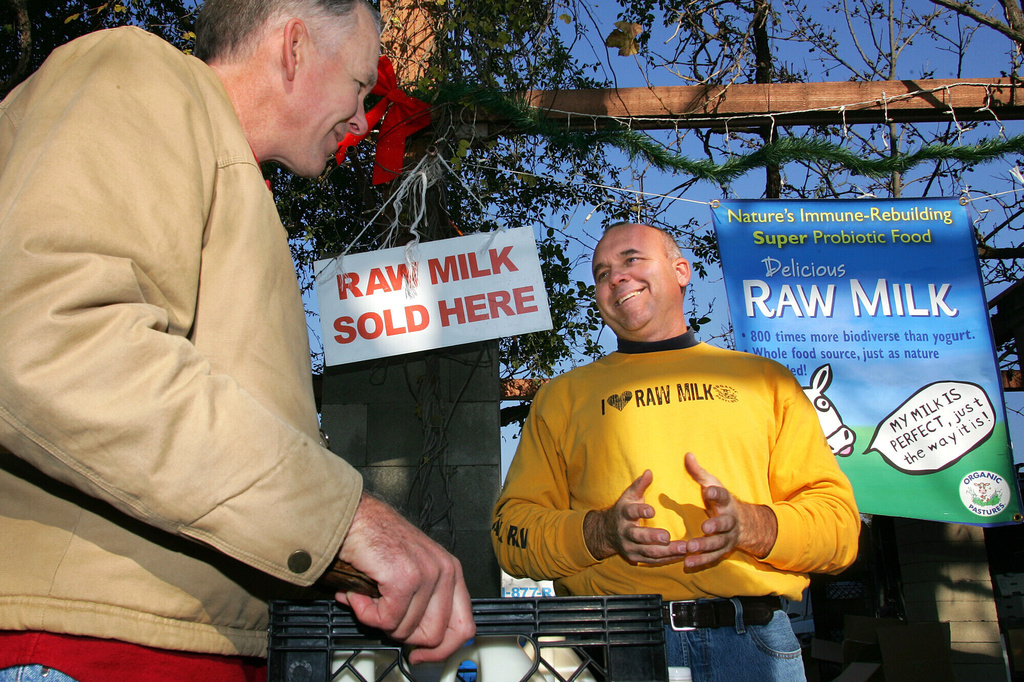
In Delaware, a bill legalizing raw milk sales included language suggesting it could boost profits for local dairy producers. Farmers testified in favor, citing economic opportunities. However, the bill also raised concerns about public health, as pasteurization is crucial for eliminating harmful bacteria.
Raw Milk and the Controversy Surrounding It
Mark McAfee, founder of the Raw Milk Institute, has been a vocal advocate for raw milk. His company, Raw Farm LLC, is the world’s largest producer of raw milk. Despite a history of recalls related to contamination, McAfee continues to promote raw milk as a safe alternative. His operation has seen significant growth, with sales increasing from $8 million in 2012 to an expected $32 million this year.
However, McAfee’s farm has faced scrutiny. A salmonella outbreak linked to his products sickened at least 165 people, though he disputed the number and claimed the recalls were not related to illness. During a Delaware hearing, McAfee did not mention the outbreak, despite testifying on behalf of the Raw Milk Institute.
Scientific Backing and Funding Concerns
Microbiologist Peg Coleman, who testified against federal recommendations against raw milk, has received financial support from the Raw Milk Institute and the Weston A. Price Foundation. She defended her findings, stating there was no scientific basis for the recommendations. Her testimony highlighted the complex relationship between funding and scientific research.
Delaware’s law allowing raw milk sales became effective last fall. Shortly after, a California man reported that his pet cats died after consuming raw milk from McAfee’s farm. McAfee stated he was unaware if his milk caused the deaths.
Gaining from Activism
Many individuals involved in groups pushing anti-science bills have built lucrative careers around their stance. Del Bigtree, for example, has earned significant income from his work with Kennedy’s presidential campaign and other affiliated groups. His companies received payments totaling over $700,000 in recent years.
After Kennedy was appointed as health secretary, he transferred the MAHA trademark to a company managed by Bigtree. While Kennedy claimed no compensation for the transfer, he had previously earned $100,000 in licensing fees.
Bigtree also leads the Informed Consent Action Network (ICAN), which paid him over $234,000 in 2023. He has encouraged supporters to contribute to ICAN’s infrastructure, including purchasing bricks for a terrace at its offices.
The Role of Media and Publishing
Tony Lyons, who runs MAHA Action and other groups supporting Kennedy, is also the publisher of Skyhorse, a company that has published numerous anti-vaccine books. Lyons defends his publications as presenting “a responsible argument based on rigorous research,” rejecting the label of “anti-vaccine” as a pharmaceutical company talking point.
Lyons has organized Zoom calls with activists, where administration officials, including Calley Means, engage with supporters. These efforts highlight the interconnected nature of media, publishing, and political activism within the movement.
The Supplement Industry's Perspective
At the ExpoWest event, Calley Means emphasized the potential for the supplement industry to benefit from MAHA’s goals. He argued that promoting nutritious food and supplements could shift focus away from pharmaceuticals, creating new opportunities for businesses.
“The entire discussion was around a moment to put healthy food at the top of the national agenda,” Means said, highlighting the movement’s broader vision.

Post a Comment for "Who Gains From the MAHA Anti-Science Movement?"
Post a Comment