
Why California's Housing Law Ignites New Activist Battles
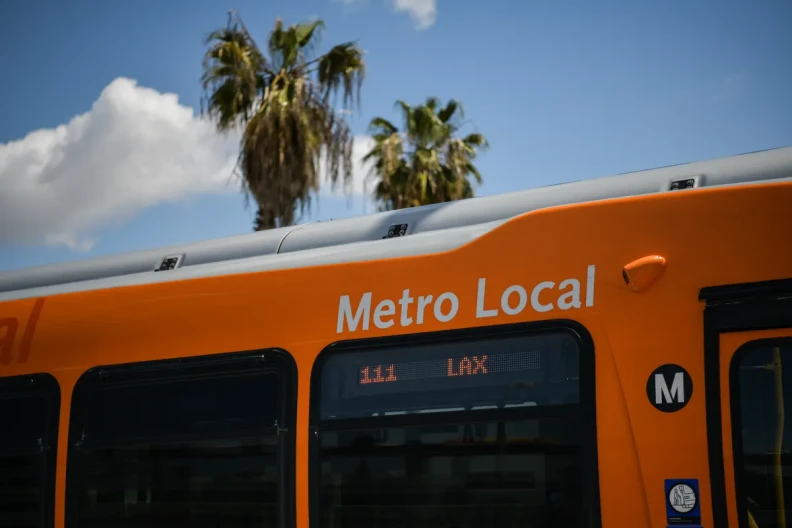
The Battle Over a Bus Line and the Future of Housing
For years, residents, business owners, and elected officials in Burbank have been locked in a dispute over a plan to introduce a high-speed bus line through the heart of the city. The North Hollywood to Pasadena Bus Rapid Transit (BRT) project aims to create a dedicated bus-only corridor that connects the eastern edge of the San Fernando Valley with the western extent of the San Gabriel Valley. This route will link two of Los Angeles County’s busiest rail lines. However, the plan involves removing a traffic lane and numerous parking spaces along an 18-mile stretch, including much of the four-lane downtown Burbank area.
Since the project was first proposed in 2017, a vocal group of local residents has protested, petitioned, and even attempted to sue to block or delay the plan. Now, with Governor Gavin Newsom's recent signing of a new law, this long-standing conflict has escalated into a broader debate about housing, local control, and the future of single-family neighborhoods.
The law allows for apartment buildings to be constructed within a half-mile of major public transit stations, including select bus routes that have frequent service, priority at traffic lights, and their own lanes. While the goal of the law is to encourage new housing near public transportation to reduce traffic, pollution, and climate impact, it also applies to future transit projects that are further along in the planning process — including the NoHo to Pasadena BRT.
A New Stakes in the Game
Susan O’Carroll, a planning and environmental consultant and Burbank resident, has long opposed the bus plan. With the potential for a neighborhood-wide zoning change, she now sees the bus as a threat to the single-family homes on either side of the route. “The only way to stop the apartments now is to stop the bus,” she said.
This battle is an unintended consequence of Senate Bill 79, a law that many pro-housing advocates, transit supporters, and environmentally conscious urbanists hailed as a breakthrough for sustainable planning. The law represents a shift in California policy, allowing for more affordable housing and accessory dwelling units near transit lines while reducing minimum parking requirements.
However, even supporters of transit-oriented development acknowledge that the law can sometimes create "perverse" political incentives. Amy Lee, a transportation researcher at UC Davis, noted that opponents of new housing may respond by trying to reduce transit options. This could mean scrapping a project altogether or slowing down a commuter rail system to avoid triggering rezoning.
The Politics of Transit and Zoning
Local governments may also exploit ambiguities in the law. For example, if a bus route only has a dedicated lane on part of its route, like the one planned for Burbank, it raises questions about whether rezoning would apply to all stops, none, or just those where the bus has its own lane.
This intertwining of housing and transportation has intensified local disputes, turning them into even more contentious battles over zoning. “It’s chummed the waters,” said Lee.
A Barrier to LA's Transit Boom?
Backers of the new law anticipated these challenges. The statute limits rezoning to projects already included in a regional transportation improvement plan — a shortlist of projects with short- to medium-term funding commitments. Projects not yet on this list, such as a potential streetcar from Fullerton to Disneyland, would not be eligible.
While the pipeline of such projects is not especially full in most of California’s major metro areas, the Los Angeles region is a notable exception. In 2016, county voters approved a sales tax hike to fund public transit improvements. With limited existing transit infrastructure, LA Metro has a significant number of subway, light rail, and BRT projects in its planning pipeline. These projects could trigger rezoning under the new housing law, potentially leading to NIMBY politics around housing.
Beyond Burbank
Opponents of the NoHo to Pasadena project, including O’Carroll, have called for a new environmental review of the bus line. The original review in 2020 did not consider rezoning, leaving significant land-use changes unexamined.
Burbank’s city council has repeatedly urged LA Metro to keep the bus in regular traffic flow along its route through the city. However, construction is scheduled to begin before next summer, and the 2028 Olympics could make further delays difficult.
LA Metro spokesperson Missy Colman stated that the agency will continue to coordinate with cities as it finalizes the design. The approved route includes a bus-only lane, and the board would need to take an unprecedented step to halt the project once it begins.
The Broader Implications
With so many transit projects in the pipeline across Los Angeles County, the heated politics of the Burbank bus line may be a preview of what’s to come. Massive plans include new rail lines from the San Fernando Valley to UCLA, a subway extension from Hollywood, and a BRT line connecting South Los Angeles to neighborhoods east of Hollywood. Each of these projects faces its own controversies, and the prospect of new apartment buildings could add another layer of resistance.
Cities may slow down permitting if Metro does not address their concerns, according to Nick Andert, a documentary filmmaker and public transportation advocate.
A Long-Term Outlook
Supporters of the new zoning law hope that such conflicts will be isolated and temporary. They argue that it will take years for developers to start converting single-family homes into apartment buildings, and significant densification could take decades in any given location.
“I think the general public will understand that housing is not the end of the world and that development happens on a really long time frame,” said Marc Vukcevich, state policy director for Streets For All.
However, for residents along the NoHo to Pasadena bus line, the fight is far from over. Lisa Cusack, a Glendale homeowner and local GOP activist, only recently realized the full implications of the bus line after the law passed. She launched a petition and website to “save Glenoaks,” the main thoroughfare for the route. “People are only now starting to find out,” she said.

Post a Comment for "Why California's Housing Law Ignites New Activist Battles"
Post a Comment