
Why Candy Corn Tastes Like Wax and Sadness, According to Science
The Science Behind Candy Corn's Polarizing Popularity
Candy corn has long been a staple of Halloween, but its reputation is anything but sweet. Known for its divisive flavor and texture, candy corn has become a symbol of both nostalgia and controversy. While some people adore its chewy, honeyed sweetness, others find it waxy, gross, or even reminiscent of crayons. But beneath the surface of these strong opinions lies a fascinating story of sugar science, sensory psychology, and the power of memory.
A History of Sweet Controversy
The origins of candy corn date back to the late 19th century, when it was first created by the Goelitz Confectionery Company. Originally called "chicklet" candies, they were designed as a more affordable alternative to traditional hard candies. Over time, the candy evolved into the familiar three-colored kernels we know today. What began as a simple confection has now become one of the most polarizing treats in American culture.
Despite its long history, candy corn has never been considered a culinary masterpiece. Instead, it has maintained a unique place in the hearts (and mouths) of many. Its simplicity—almost entirely made of sugar, corn syrup, and gelatin—has led to a wide range of reactions, from love to loathing.
The Texture Engineering of Candy Corn
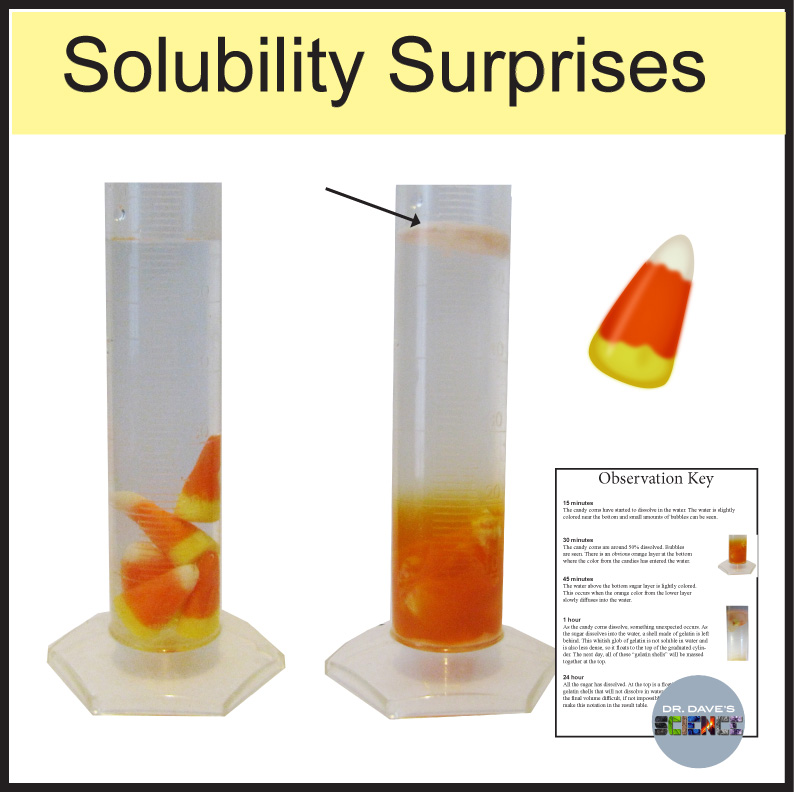
One of the main reasons people dislike candy corn is its texture. The glossy coating is made from carnauba wax, a natural substance used to give foods a shiny finish. Beneath this layer is a soft, chewy center known as mellowcreme, which is a combination of fondant and marshmallow. This texture is achieved through a careful balance of sucrose and corn syrup, which creates a semi-crystalline structure that remains soft and fudge-like.
However, if stored improperly, candy corn can lose moisture and develop a chalky or waxy texture. This is why many people who hate candy corn are actually reacting to poor storage conditions rather than the candy itself.
The Science of Candy Corn's Sweetness
Candy corn is nearly 90% sugar by weight, making it one of the sweetest treats on the market. This intense sweetness triggers a surge of dopamine in the brain, creating a powerful reward response. However, this same intensity can lead to sensory adaptation, where the taste buds become desensitized after a few bites. This is why the second or third piece of candy corn often feels less appealing.
For supertasters—people with a higher density of taste buds—candy corn can be overwhelming. Their tongues experience an intense sweetness and a strong aftertaste of vanilla and honey, which can feel aggressive. For others, those same notes may evoke a sense of comfort and nostalgia.
The Texture-Color Mismatch
Another factor contributing to candy corn’s polarizing nature is the mismatch between its appearance and its flavor. The bright yellow-orange-white stripes suggest something citrusy or tangy, but what you actually get is a honey-vanilla sweetness. This discrepancy can confuse the brain, leading to a moment of "disconfirmation" where the expected flavor doesn't match the actual taste.
Even the shape of the candy plays a role. The kernel-like form might make people expect a crunchy, buttery texture, but instead, they get a soft, smooth fondant. This sensory confusion adds to the candy's unique appeal—or aversion.
Candy Corn and Nostalgia
For many, candy corn is more than just a treat; it's a connection to childhood memories. The brain's hippocampus and amygdala are responsible for processing taste and emotional memory, and they light up when we recall a favorite food. For those who grew up with candy corn, the experience is not just about sweetness—it's about a seasonal ritual.
However, negative experiences can also leave a lasting impression. A single bad encounter with stale or overly sweet candy corn as a child can create a lifelong aversion. This shows how deeply our sensory experiences are tied to our emotions and memories.
The Psychology of Candy Corn
Ultimately, candy corn's success lies in its ability to trigger both pleasure and disgust. It’s a sugar delivery system so efficient that it can elicit strong reactions from different people in different ways. Whether you love it or hate it, candy corn has managed to carve out a unique place in American culture.
So this Halloween, when someone says candy corn is gross, they might be right—but they're also proving its power. It’s impossible to ignore, and that’s exactly what makes it unforgettable.

Post a Comment for "Why Candy Corn Tastes Like Wax and Sadness, According to Science"
Post a Comment