
AI Could Deepen School Inequalities – Teachers Hold the Key
The Role of Generative AI in Modern Education
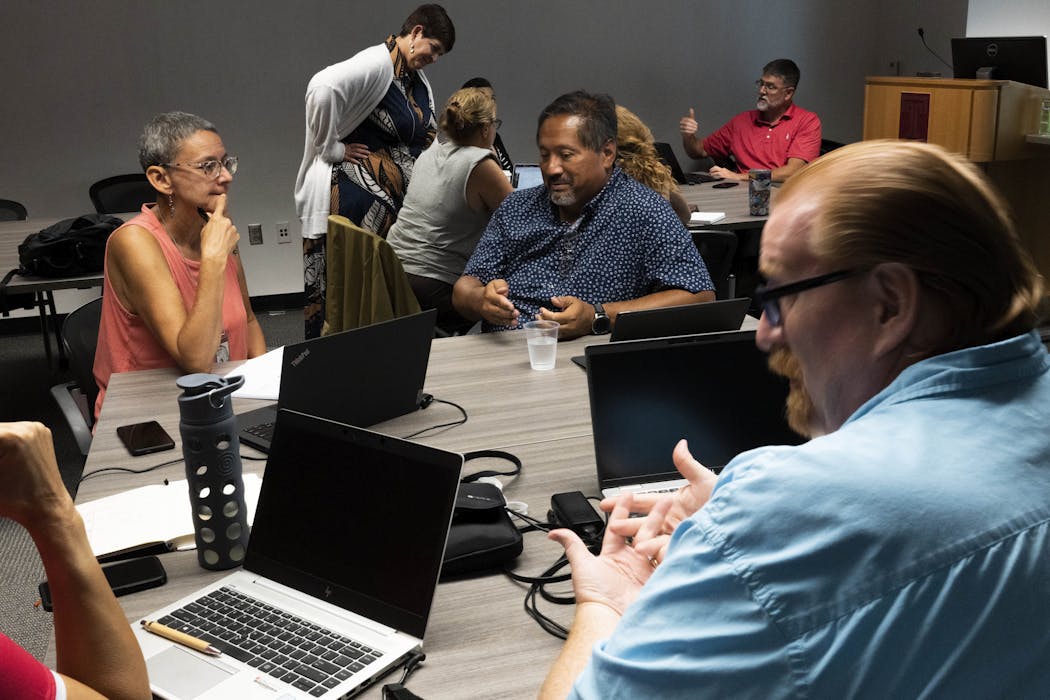
Today’s teachers are navigating a complex landscape shaped by the rapid integration of generative AI into education. New tools are emerging at an unprecedented pace, with many being adopted quickly by schools and educators. These tools range from personalized tutors for students to lesson plan generators and automated grading systems for teachers. While this technological advancement offers potential benefits, it also presents challenges, especially in a field that has traditionally been slow to adapt.
The integration of AI comes at a time when teachers are already grappling with numerous challenges. Limited resources, tight schedules, and increasing expectations for both academic and social-emotional student development have led to high levels of burnout. Many educators are leaving the profession, which raises concerns about the long-term stability of the teaching workforce.
Teacher quality is a critical factor in student achievement, particularly for those who are most disadvantaged. How teachers use or choose not to use AI could significantly impact whether these technologies help bridge or widen existing educational gaps.
Research on Teacher Perceptions of AI
Our research focuses on how public school teachers perceive generative AI technologies. Initial findings, currently under review, reveal a mix of enthusiasm and concern among educators. The study highlights the importance of proper training and clear communication, as these factors can either support or hinder equitable access to AI tools.
As part of a broader project examining AI integration in education, we interviewed 22 teachers from a large U.S. school district known for its early adoption of AI. The district serves a diverse population, with over 160 languages spoken and three-quarters of students eligible for free or reduced-price lunch.
These teachers represent various grade levels and subjects, including science, technology, engineering, mathematics, social studies, special education, and culturally and linguistically diverse education. We asked them about their experiences with AI, how they use it, and the changes they’ve observed in their schools. Their responses provided valuable insights into the opportunities and challenges of integrating AI into the classroom.
Benefits of AI for Teachers
One of the most significant benefits reported by teachers is the time saved through the use of AI. For example, AI tools can assist with creating lesson plans and assessments, freeing up time for both teachers and students. This added space allows teachers to focus more on individualized instruction and student engagement.
A high school teacher with over 11 years of experience shared:
“The most significant benefit that AI has brought to my life as a teacher is having work-life balance. It has decreased my stress 80-fold because I am able to have a thought partner. Teachers are really isolated, even though we work with people constantly … When I’m exhausted, it gives me support and help with ideas.”
This sentiment reflects a growing trend where AI is seen as a supportive tool rather than a replacement for human teachers.
The Importance of Training and Support
Despite these benefits, not all teachers feel adequately prepared to use AI effectively. Many expressed concerns about the lack of professional development opportunities. An elementary school teacher noted:
“It’s just a lack of time. We don’t really get much planning time, and it would be a new tool to learn, so we would have to take the time personally to learn how to use it and where to find everything.”
This highlights a critical issue: without proper training and support, the potential of AI in education may not be fully realized. Research shows that under-resourced schools often struggle to provide the necessary support for teachers to integrate new technologies effectively.
Well-resourced schools are better positioned to offer time, support, and encouragement for teachers to experiment with AI and determine its usefulness in their classrooms.
The Human Element in Teaching
While AI can provide information and support, it cannot replace the relational aspects of teaching. A middle school social studies teacher emphasized:
“A machine can give you information, but most students we know are not able to get information from something that’s just printed out for them and put it into their heads. You need a relationship. Some kids can do online school or read a book and teach themselves, but that’s like 2%. Most kids need a social environment to do it.”
This insight underscores the importance of maintaining the human connection in education, even as technology becomes more prevalent.
Looking Ahead
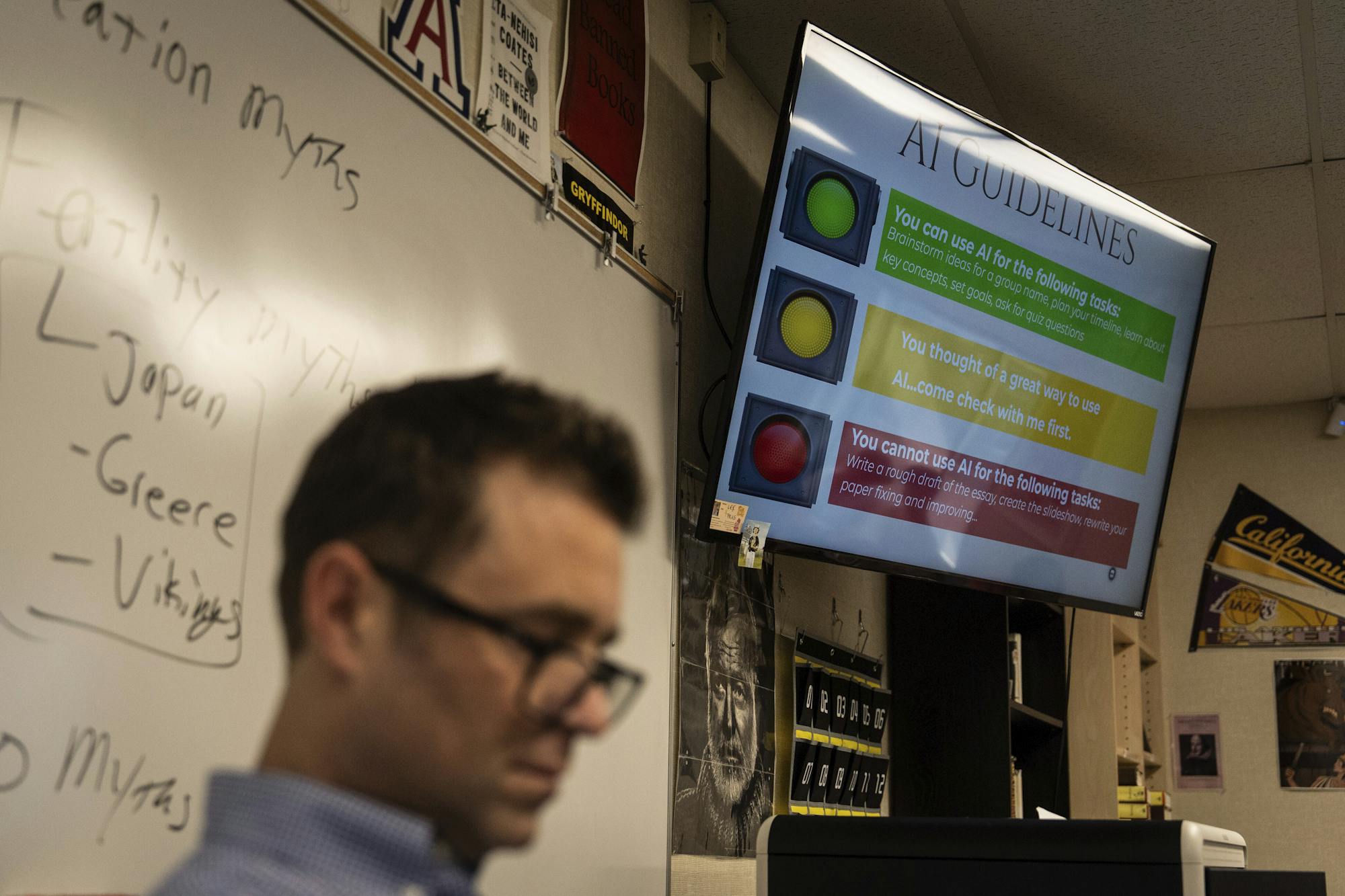
As AI continues to shape the educational landscape, it is essential to examine how these technologies influence teaching practices and relationships. Teacher input is crucial in developing strategies that empower educators and enhance student learning.
This requires institutional support at the school and district levels, as well as a commitment to listening to the real experiences of teachers and students. Rather than relying solely on the promises of technology companies, it is important to base decisions on practical, classroom-based insights.
By focusing on these areas, we can ensure that AI is used in ways that support, rather than undermine, the quality of education for all students.

Post a Comment for "AI Could Deepen School Inequalities – Teachers Hold the Key"
Post a Comment