
Can Trump's Plan to Pay Americans for Health Care Work?
Trump Proposes Direct Subsidies to Americans Instead of Insurance Companies
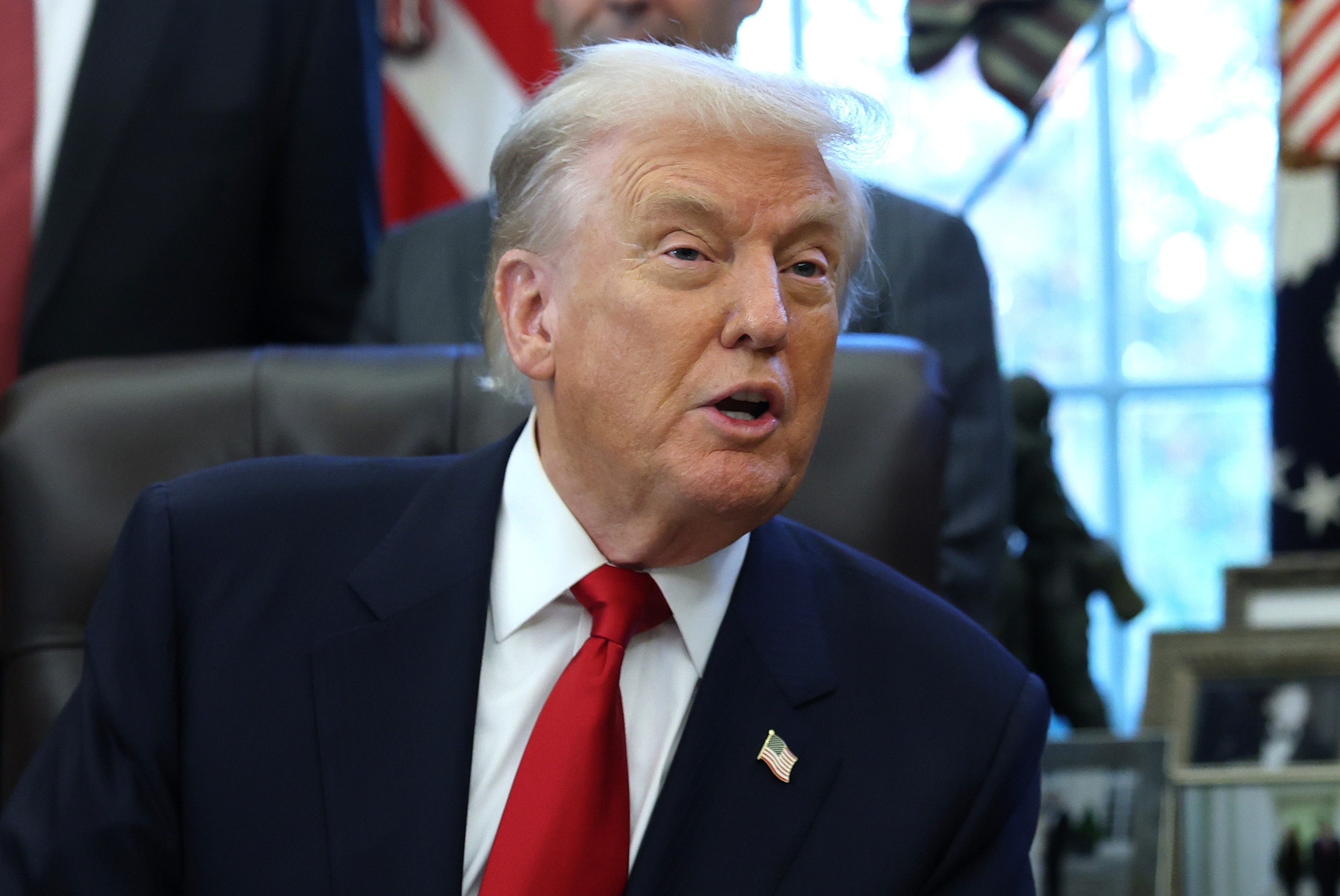
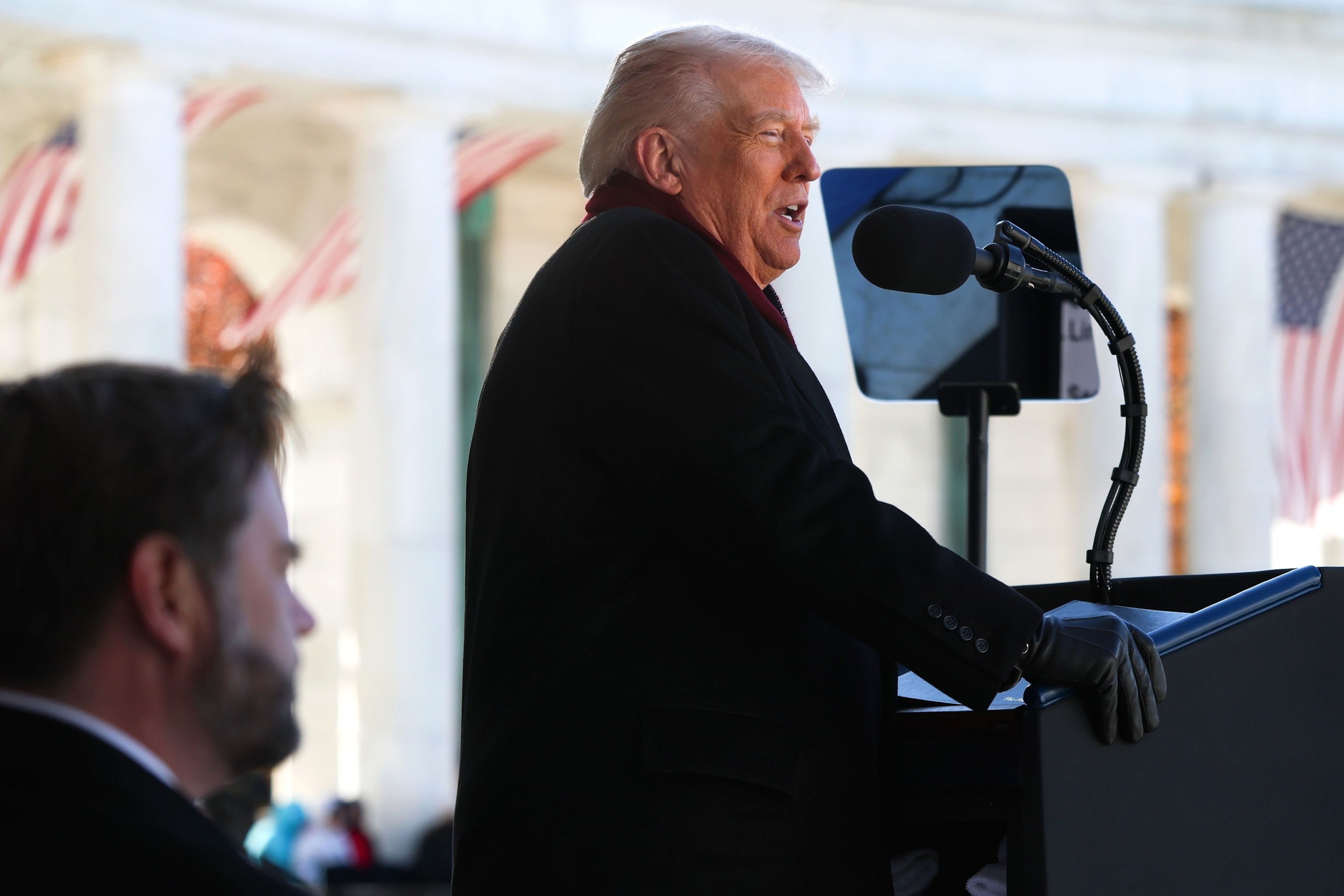
During the weekend, former President Donald Trump proposed a new approach to how subsidies under the Affordable Care Act (ACA) should be distributed. He suggested that instead of the federal government providing financial support to insurance companies, these funds should be given directly to American citizens. This idea was shared through a social media post, where he stated, "I am recommending to Senate Republicans that the Hundreds of Billions of Dollars currently being sent to money sucking Insurance Companies in order to save the bad Healthcare provided by ObamaCare, BE SENT DIRECTLY TO THE PEOPLE SO THAT THEY CAN PURCHASE THEIR OWN, MUCH BETTER, HEALTHCARE, and have money left over."
This statement marked one of Trump's first public comments since the September 2024 presidential debate, during which he expressed interest in replacing the ACA and mentioned having "concepts" for a new plan.
The Role of ACA Subsidies
Currently, approximately 90% of individuals enrolled in ACA plans receive subsidies, or tax credits, to help offset their monthly premiums. These subsidies are typically paid directly to insurance companies by the government. The subsidies were introduced as part of the original ACA during the Obama administration and were expanded in 2021 to provide more financial assistance to eligible individuals and to broaden eligibility. However, these subsidies were not included in the megabill signed into law by Trump in July and are set to expire at the end of the year.
Reactions from Health Policy Experts
Health care policy experts have raised concerns about the feasibility of Trump’s proposal. According to Leighton Ku, a professor and director of the Center for Health Policy Research at George Washington University, the details of the plan are unclear, making it difficult to determine if it would lead to higher health care costs. Ku also noted that there is a possibility that insurance companies could retain more of the premium money under this proposal.
"The president's idea is sort of a poorly fleshed out idea," Ku said. "Frankly, I think he was just stumbling around to say he has something to offer."
The Department of Health and Human Services did not immediately respond to requests for comment on the matter.
Potential Scenarios and Impacts
Gerald Anderson, a professor at Johns Hopkins University, outlined two possible scenarios resulting from Trump's proposal. In the first scenario, ACA policyholders would receive money to pay for health care services directly, which might have little impact on health insurance. In the second scenario, Americans could use the funds to purchase any type of insurance they choose, potentially outside the ACA marketplace. This could have significant consequences, as the ACA was designed to ensure that insurance packages on the exchange meet certain standards.
"If that's the scenario, that could have a profound effect on the ACA and the system because the ACA was set up to make sure that the insurance packages that were on the exchange were valid and provided services to the people," Anderson explained.
He also warned about the potential for a "death spiral," where rising premiums lead to fewer people enrolling in insurance, further increasing costs for those who remain.

Effects on Older Americans and Those with Chronic Conditions
Ku pointed out that Trump's plan may benefit younger, healthier individuals but could disadvantage older Americans or those with chronic conditions. For example, a $1,000 subsidy might cover the cost of insurance for a young, healthy person, but it could be insufficient for someone with diabetes or heart disease.
"The ACA marketplace was designed to provide people with similar levels of coverage, which protects patients from getting charged differently by insurance companies based on their health needs," Ku said.
Impact on Insurance Companies
Trump’s proposal could have both positive and negative effects on insurance companies, according to experts. Anderson noted that the government currently pays subsidies to insurers for low-income individuals. If people received large lump sums, they might not use the money to buy insurance, leaving insurers concerned about losing revenue.
Ku also highlighted a structural issue with the plan: it does not account for the medical loss ratio, which ensures that a significant portion of premium revenues is spent on health care costs. Under the ACA, 80% of individual plan premiums must go toward medical expenses, while the remaining 20% covers administrative costs. If people opt for individual coverage instead of group plans, they may face less financial protection, making Trump’s proposal structurally flawed.

Post a Comment for "Can Trump's Plan to Pay Americans for Health Care Work?"
Post a Comment