
CDC Website Adds Misleading Claim About Autism and Vaccines
The Controversial Change to the CDC Website
A recent modification to a page on the Centers for Disease Control and Prevention (CDC) website has sparked significant controversy. The page, which previously stated that "no links have been found between any vaccine ingredients and Autism spectrum disorder," was altered to claim that "'Vaccines do not cause autism' is not an evidence-based claim." This change has been widely criticized by experts and advocacy groups as misinformation that contradicts established scientific research.
Multiple CDC officials have indicated that the update was made by political appointees within the Department of Health and Human Services (HHS), without consultation with agency staff who specialize in the topic. According to sources, HHS political appointees directed an employee within the office of acting CDC Director Jim O’Neil to implement the change.
Autism is a developmental disability caused by differences in the brain, characterized by a wide range of symptoms such as delays in language, learning, and social or emotional skills. The National Institutes of Health (NIH) has invested hundreds of millions of dollars annually into studying the condition and understanding its causes.
The debunked theory linking the measles, mumps, and rubella (MMR) vaccine to autism originated from a 1998 study that was later found to be fraudulent and retracted. Since then, independent researchers across seven countries have conducted over 40 high-quality studies involving more than 5.6 million people, all of which have found no evidence of a link between vaccines and autism.
Scientific Consensus and Concerns
Dr. Sean O’Leary, chair of the American Academy of Pediatrics’ (AAP) Committee on Infectious Diseases, warned that the CDC website change could be dangerous for children's health. He emphasized that "we are at a very dangerous moment for the health of America’s children."
Research consistently shows no increased rates of autism among vaccinated individuals compared to those who are not. Vaccines undergo rigorous safety testing, and genetic factors play a significant role in autism diagnoses. The NIH identifies possible risk factors such as prenatal exposure to pesticides or air pollution, extreme prematurity or low birth weight, certain maternal health conditions, or parents conceiving at an older age.
Dr. Mandy Cohen, a former CDC director, criticized the change, stating that it undermines the agency's scientific integrity. "This change risks endangering children by driving down vaccination rates and leaving kids vulnerable to preventable diseases like measles and whooping cough," she said.
In response to the controversy, HHS communications director Andrew Nixon defended the update, claiming it aligns with the agency’s commitment to transparency and gold standard science. He noted that while the claim "vaccines do not cause autism" is not supported by comprehensive evidence, some research suggesting potential biologic mechanisms has been ignored or dismissed by public health agencies.
Advocacy Groups and Political Influence
Leading autism advocacy groups strongly dispute this interpretation. The Autism Science Foundation (ASF) called the change "appalled" and highlighted decades of research that exonerate vaccines as a cause of autism. Alison Singer, co-founder and president of the ASF, emphasized that "science has answered" whether vaccines cause autism.
Despite the updated statement, a subhead saying "Vaccines do not cause autism" remains on the CDC website with an asterisk next to it. The bottom of the page explains that the header remains due to an agreement with Louisiana Republican Sen. Bill Cassidy, a physician and chair of the Senate Health, Education, Labor, and Pensions Committee. Cassidy has expressed support for HHS Secretary Robert F. Kennedy Jr., though he has also criticized the changes.
Cassidy stressed the importance of vaccines being safe and effective, stating that any claim to the contrary is "wrong, irresponsible, and actively makes Americans sicker." He highlighted recent outbreaks of whooping cough and measles and called for more research into the real causes of autism.
Broader Implications and Public Health Risks
Other health agency pages about autism and vaccines had not been changed as of early Thursday afternoon. However, concerns remain about the influence of political figures like Kennedy, who has repeatedly promoted the discredited claim that childhood shots cause autism. President Trump has also falsely suggested vaccines could be linked to rising autism rates, though experts attribute the increase to factors such as increased awareness and diagnostic changes.
O’Leary warned that the website changes could scare parents and further stigmatize individuals with autism. "These falsehoods are coming from our federal government," he said, emphasizing the need to continue promoting scientific evidence.
Experts have raised concerns about Kennedy reviving debunked theories about the cause of autism. In April, Kennedy announced a "massive testing and research effort" to find out what causes the disorder, hiring David Geier, a man known for his claims linking vaccines and autism, to lead the initiative. However, other health officials later pushed back on the timeline for the research.
Dr. Fiona Havers, an infectious disease physician and former CDC official, noted that the website change showed scientists who previously vetted scientific information have been sidelined. Former CDC chief science and medical officer Dr. Debra Houry, who resigned earlier this year, echoed these concerns, stating that the CDC should be a data-driven agency based on science, not ideology.
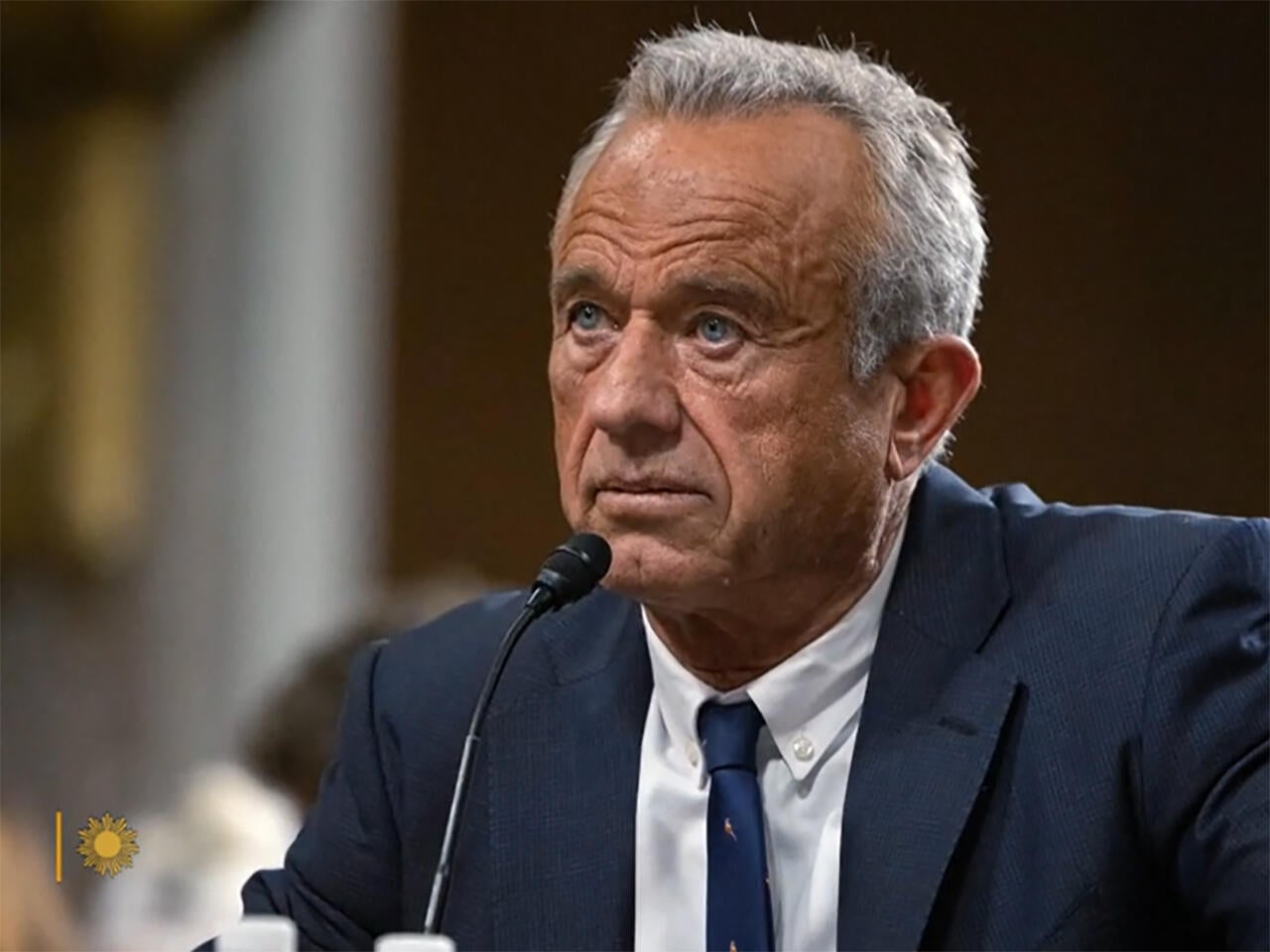
The controversy underscores the critical importance of maintaining scientific integrity in public health messaging. As the debate continues, the focus remains on ensuring that accurate, evidence-based information reaches the public to protect children's health.

Post a Comment for "CDC Website Adds Misleading Claim About Autism and Vaccines"
Post a Comment