
China Constructed Fake U.S. Aircraft Carriers in the Desert for a Real Military Strategy
The Hidden Arsenal: China's Desert Mockups and the U.S. Naval Challenge
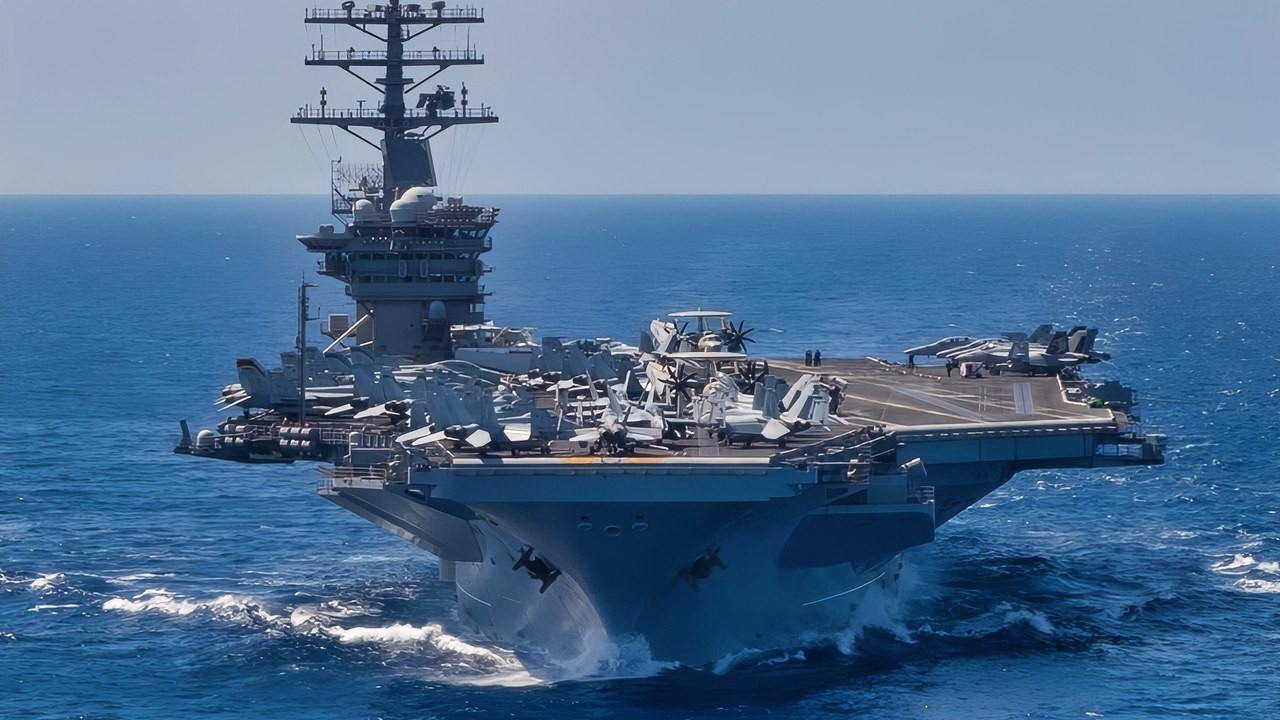
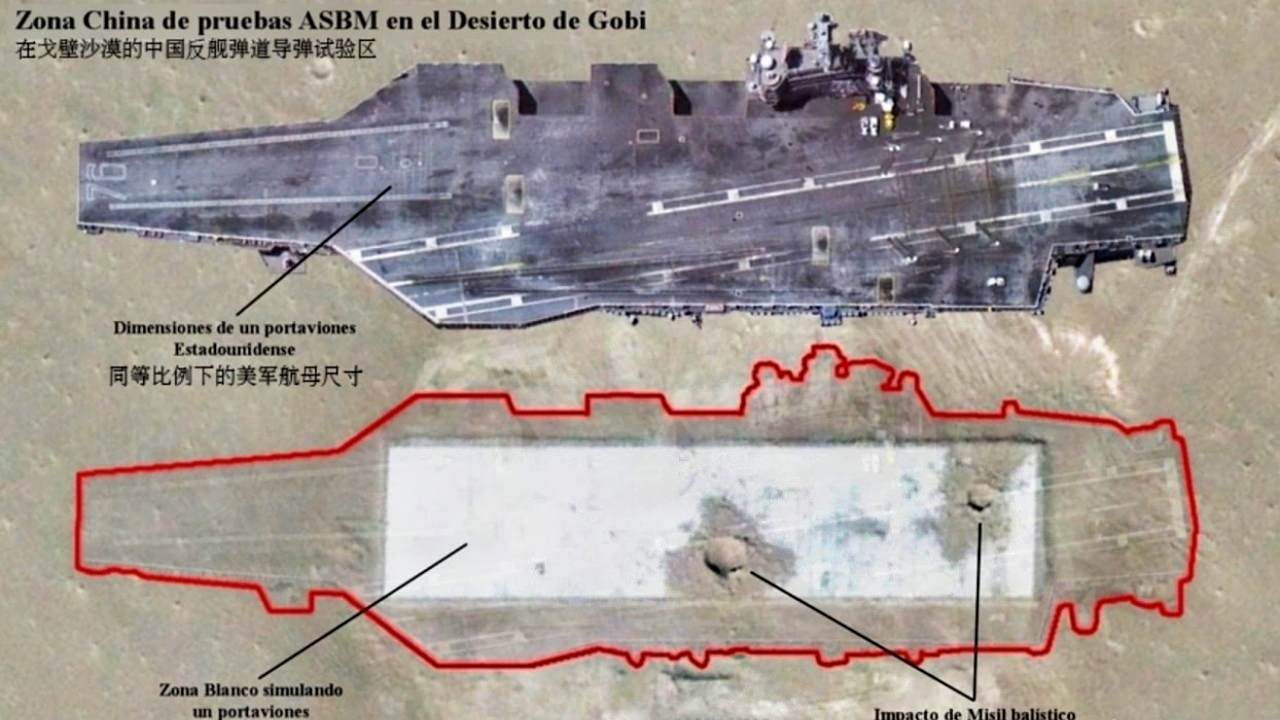
In the vast, remote deserts of China, there lies a secret that has raised eyebrows among military analysts and strategists around the world. These are full-scale mockups of U.S. aircraft carriers and destroyers, built on rails to simulate movement. These structures serve as precision target labs for Beijing’s growing anti-ship arsenal, allowing China to test its most advanced weapons in controlled environments.
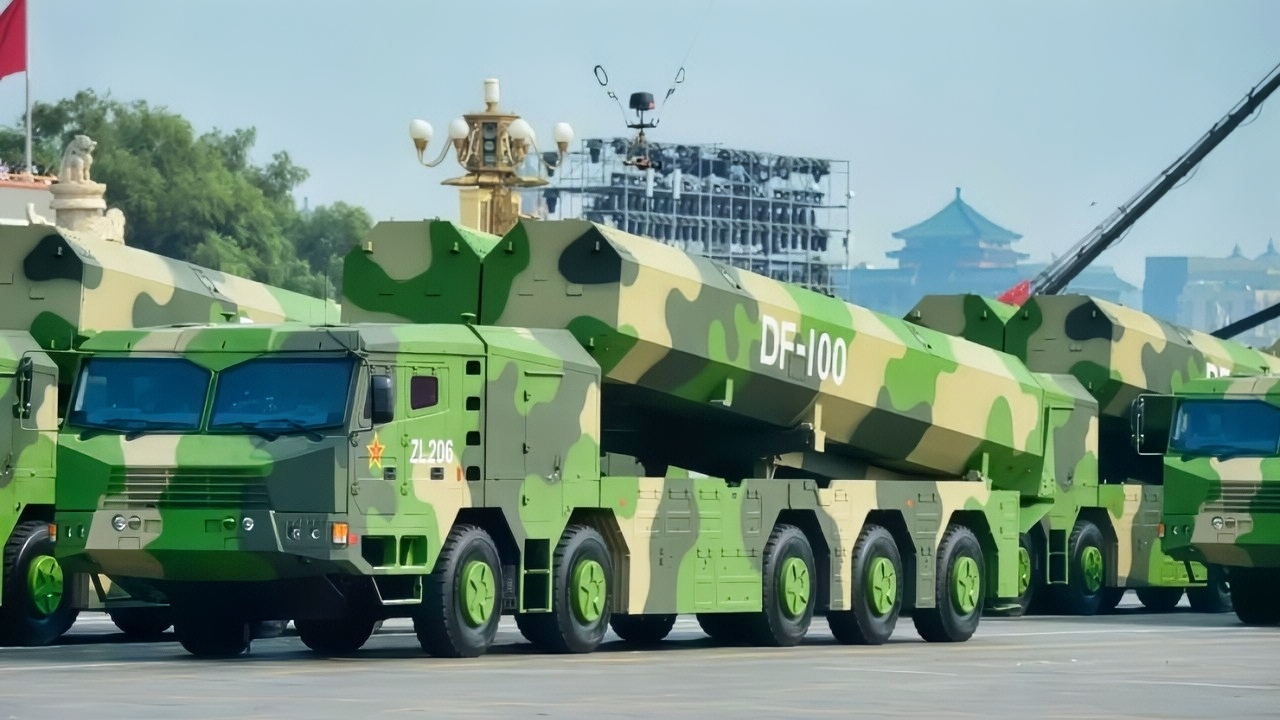
The primary purpose of these mockups is to refine the accuracy and effectiveness of China's long-range missiles, such as the DF-21D and DF-26, often referred to as "carrier killers." These weapons are central to China’s broader Anti-Access/Area Denial (A2/AD) strategy, which aims to prevent U.S. carrier strike groups from operating within the first island chain, particularly near Taiwan.
Testing Realism in the Desert
These mockups allow engineers to test tracking and strike capabilities against moving targets, simulating real-world conditions. By replicating the radar signature of an actual carrier, they provide a realistic platform for evaluating missile guidance systems. This includes satellite navigation, radar seekers, and possibly infrared sensors, all of which are critical for ensuring precise terminal guidance during the final phase of a missile's flight.
Impact tests also help gather data on missile performance, warhead effectiveness, and penetration capabilities. While hitting a static desert target is far easier than defeating a defended carrier at sea, these tests are essential for refining the technology that could one day be used in a real conflict.
Strategic Implications and Regional Tensions
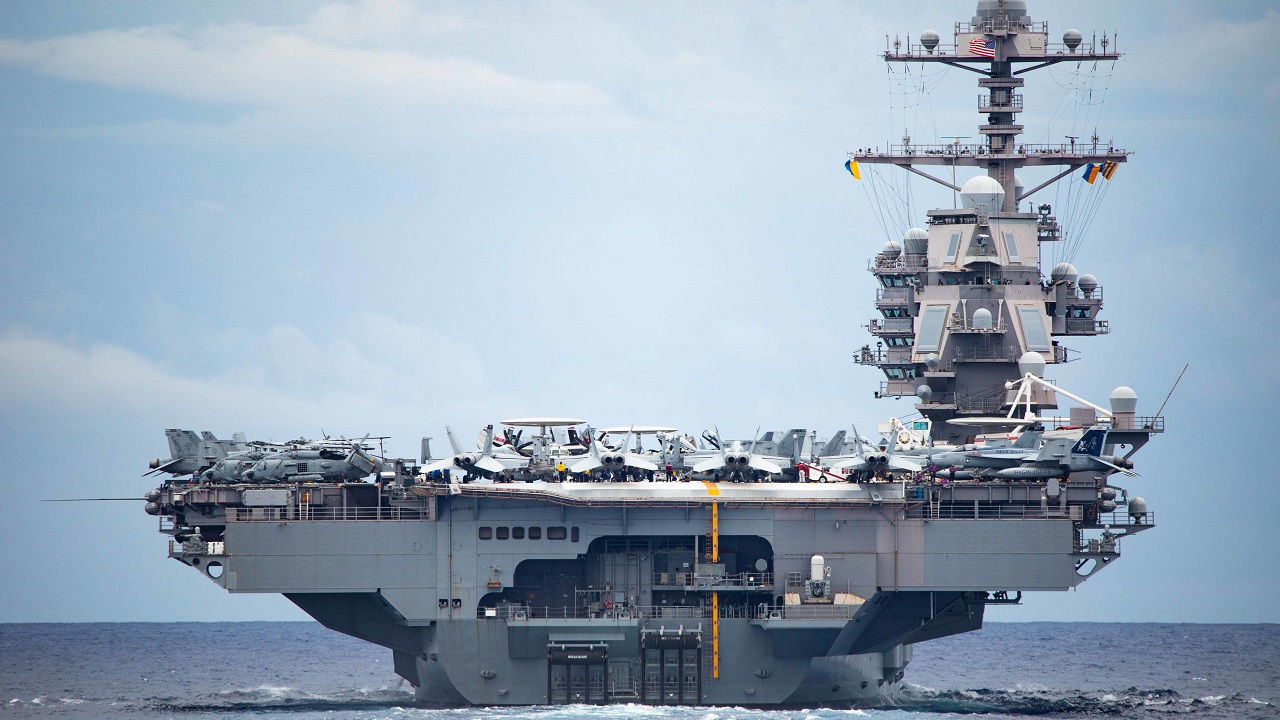
China’s deserts, especially those in Xinjiang and Gansu provinces, offer ideal conditions for testing. The isolation of these regions minimizes the risk of foreign surveillance and civilian interference, while the flat terrain allows for precise measurement of missile trajectories and impact points.
The existence of these mockups highlights several key aspects of China’s military strategy. First, it underscores Beijing’s understanding that it cannot match the might of the U.S. Navy in the near term. Instead, China focuses on denying U.S. forces access to critical regions through long-range missiles. The DF-21D has a range of about 1,500 kilometers, and the DF-26 can reach up to 4,000 kilometers, making them powerful tools in China’s A2/AD strategy.
Second, the mockups suggest that China is preparing for potential high-end conflicts against the United States, particularly over Taiwan. Neutralizing carriers would be a priority in such a conflict. Third, these structures may also be used to test emerging technologies beyond ballistic missiles, such as hypersonic glide vehicles, which are faster and harder to intercept than traditional missiles.
A Broader Military Strategy
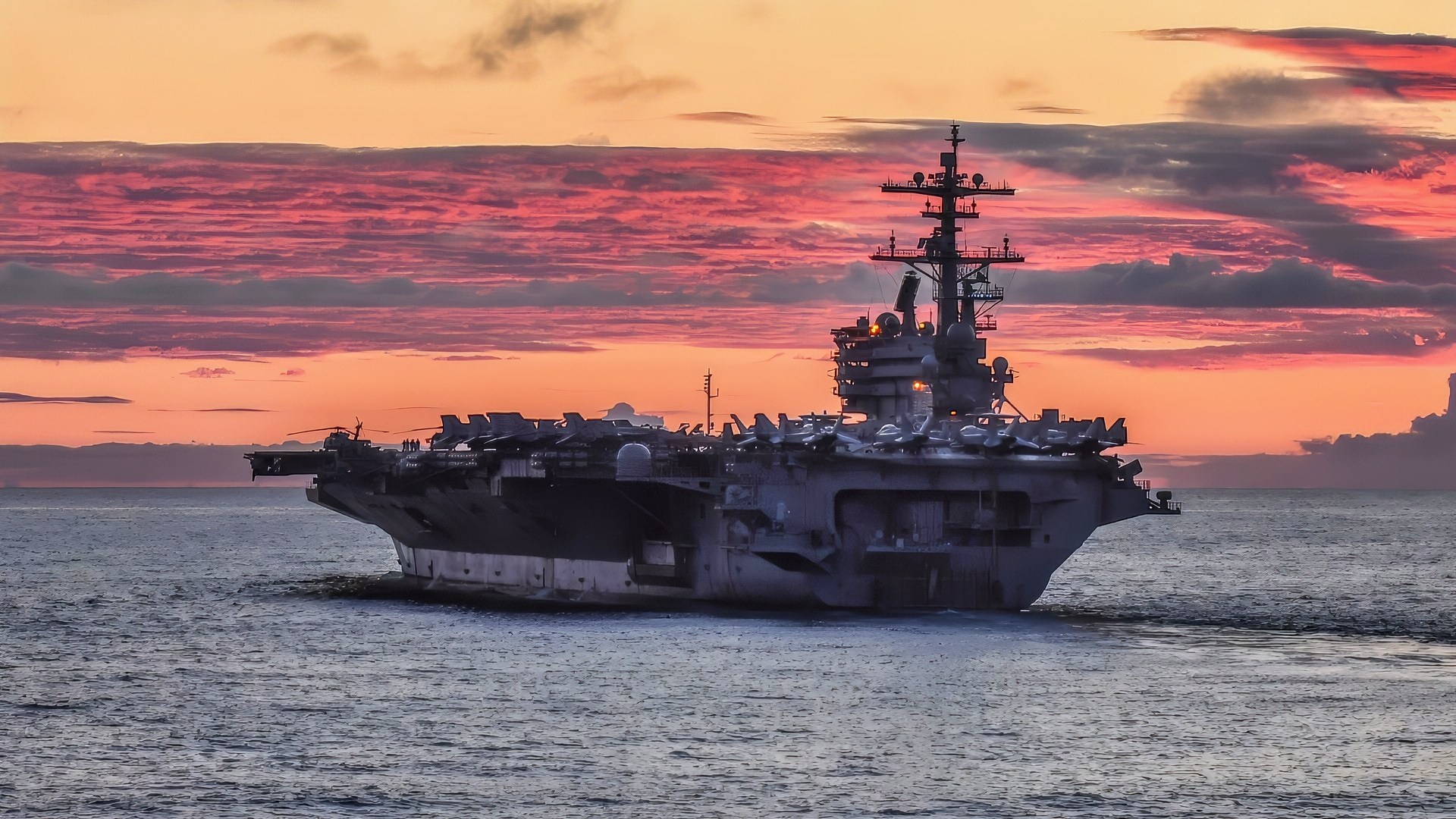
China’s efforts must be viewed within the larger U.S.-China strategic competition. The United States seeks to maintain freedom of navigation and deter aggression through carrier deployments, while China aims to push U.S. forces farther from its shores. This dynamic has led to increased investments in advanced technologies by all sides, including hypersonics, missile defense, and cyber warfare.
Over the past two decades, China has embarked on one of the most ambitious military modernization programs in history. The People’s Liberation Army Navy has evolved from a coastal defense force into a blue-water navy capable of projecting power far beyond China’s shores. This transformation is driven by several factors, including securing maritime periphery, protecting trade routes, and maintaining regional dominance.
The Arms Race and Its Risks
While these mockups demonstrate China’s intent, the tests are still a far cry from recreating real naval conditions. Targeting a carrier in combat is far more complex than striking a stationary mockup in the desert. Carriers operate with escorts, electronic countermeasures, and layered defenses, making them difficult to hit. Accurate targeting requires real-time data, which is vulnerable to disruption through cyber attacks or electronic warfare.
Developing carrier-killer capabilities could provoke an arms race and heighten tensions in the Indo-Pacific, increasing the risk of miscalculation and escalation. As regional powers like Japan, Australia, and India enhance their own capabilities, the security environment becomes increasingly dynamic and potentially volatile.
Lessons from the Past
China is not the first nation to build mock targets for military testing. During the Cold War, the Soviet Union constructed mockups of Western assets for missile development. Similarly, the U.S. military uses target ships and mock facilities for its own weapons testing. However, the scale and specificity of China’s carrier mockups underscore its focus on countering U.S. naval power in a way that is both technologically sophisticated and strategically deliberate.
As the U.S. and China continue to vie for influence in the Indo-Pacific, the implications of these developments remain significant. The future of maritime security in the region will depend on how both nations navigate this complex and evolving landscape.

Post a Comment for "China Constructed Fake U.S. Aircraft Carriers in the Desert for a Real Military Strategy"
Post a Comment