
Classic Road Maps and Their Cultural Legacy
The Origin and Evolution of Road Maps
Early Navigation Tools
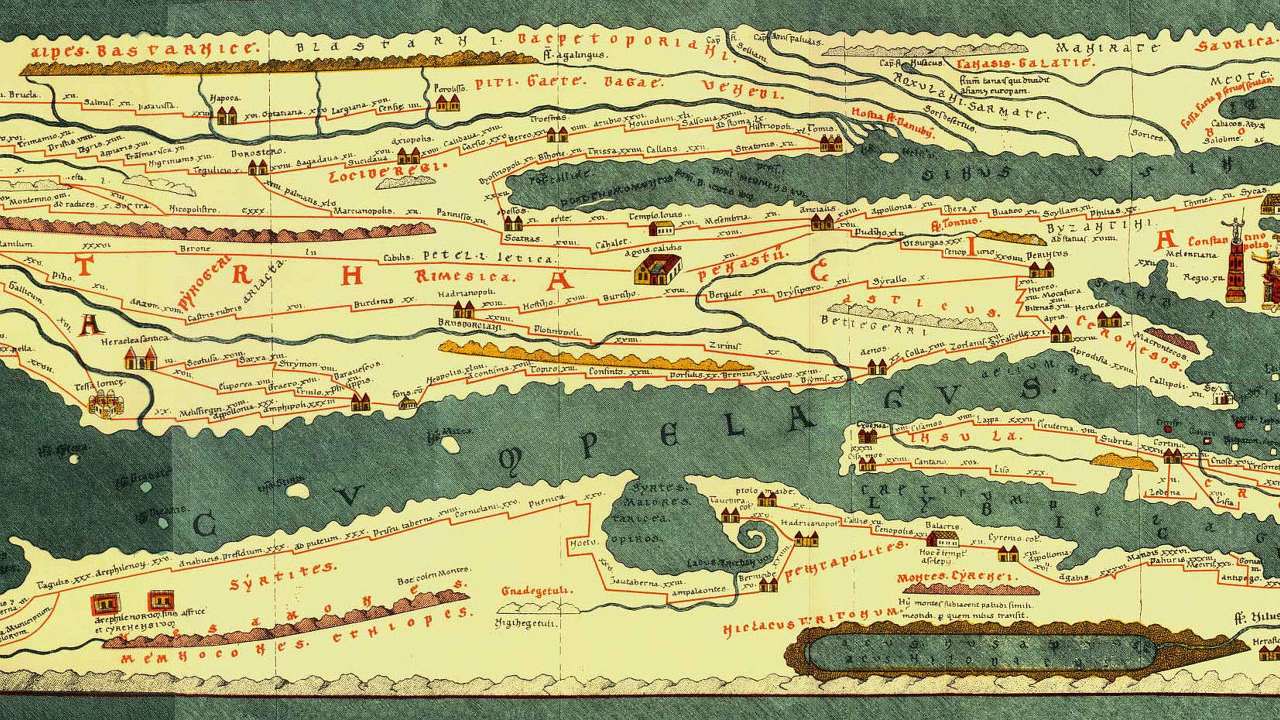
The journey of road maps begins with the rudimentary navigational aids used by early travelers. Ancient civilizations relied on basic maps and landmarks to guide their voyages, often integrating mythology and local lore into their cartography. As trade routes expanded and exploration became more widespread, the need for more accurate and detailed maps grew. By the 16th and 17th centuries, mapmaking had evolved into a sophisticated science, paving the way for the road maps we recognize today.
The Rise of the Automobile
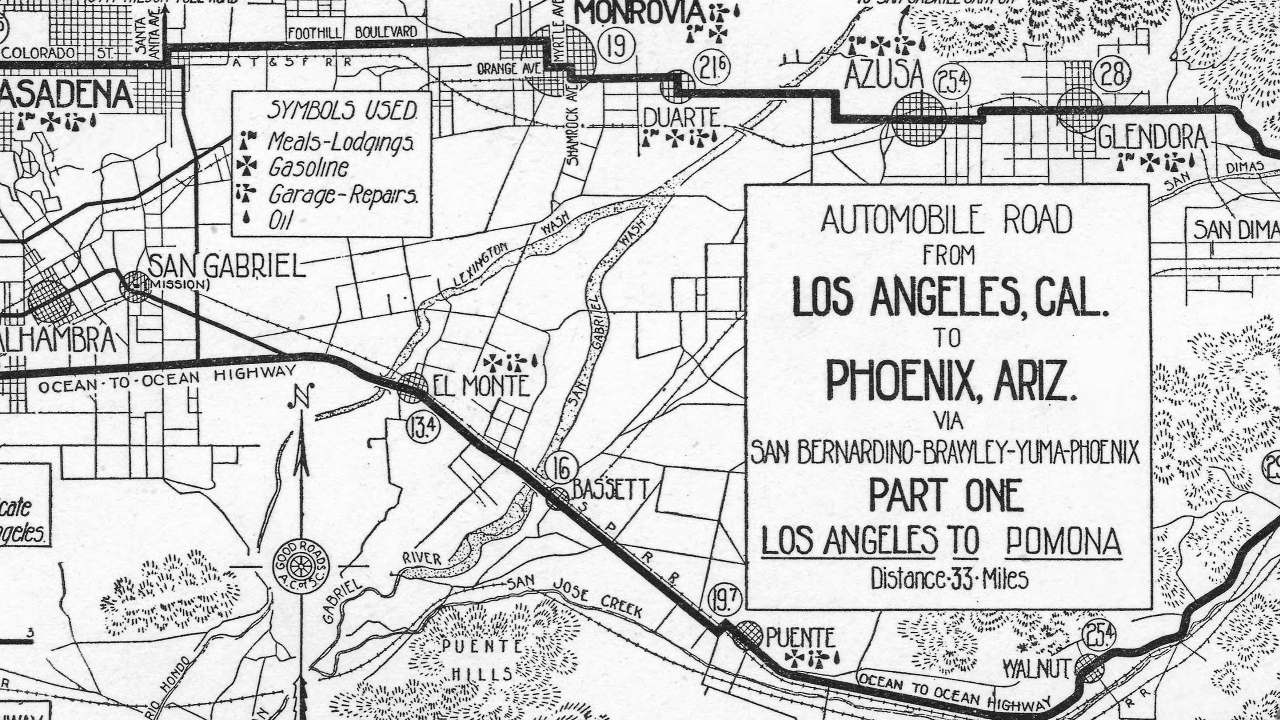
The early 20th century marked a turning point with the advent of the automobile. The mass production of cars, exemplified by the Ford Model T in 1908, revolutionized personal travel and created a demand for reliable road maps. As highways and roads developed, companies like Rand McNally and AAA began producing detailed maps to assist motorists. These maps not only provided directions but also highlighted tourist attractions and amenities, transforming road travel into a leisure activity.
Technological Advances
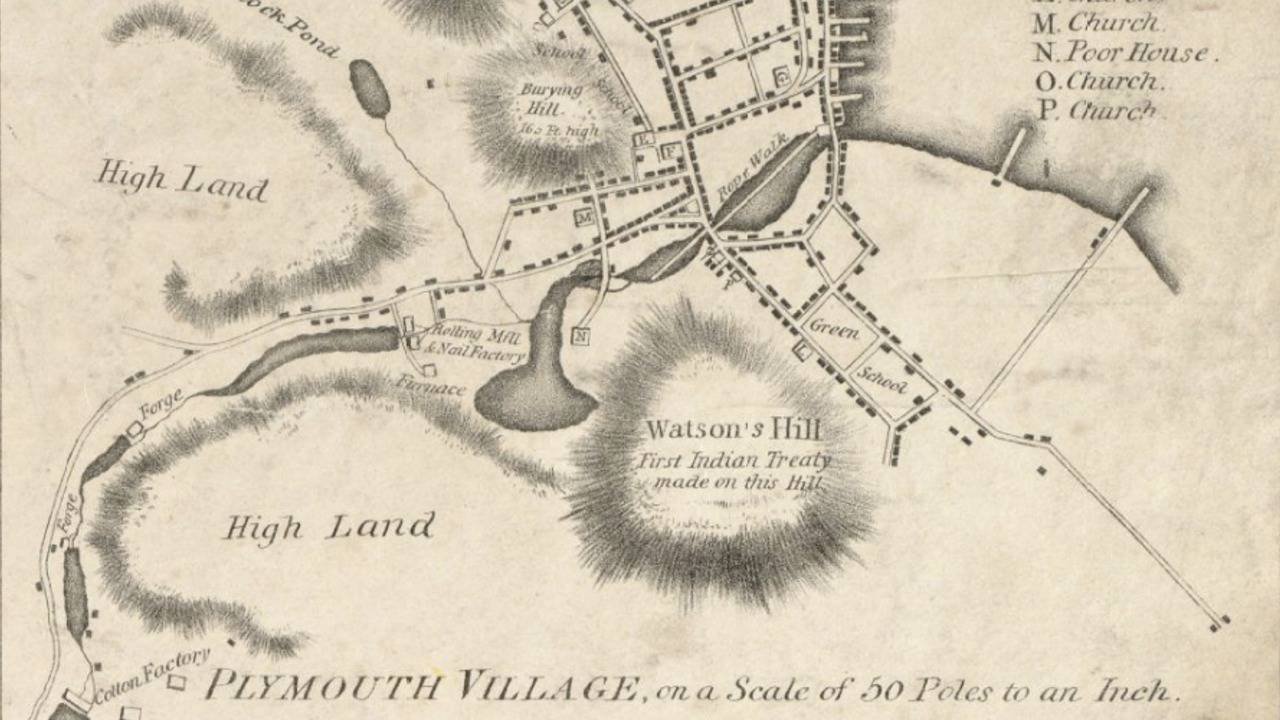
The evolution of road maps was significantly influenced by advancements in printing technology and cartographic techniques. The introduction of lithography and later offset printing allowed for the mass production of maps with improved accuracy and detail. Cartographers could now depict complex road networks and geographical features with precision. These technological leaps made road maps more accessible to the general public, further embedding them into the fabric of everyday life.
Cultural Significance of Vintage Road Maps
Reflecting Societal Changes
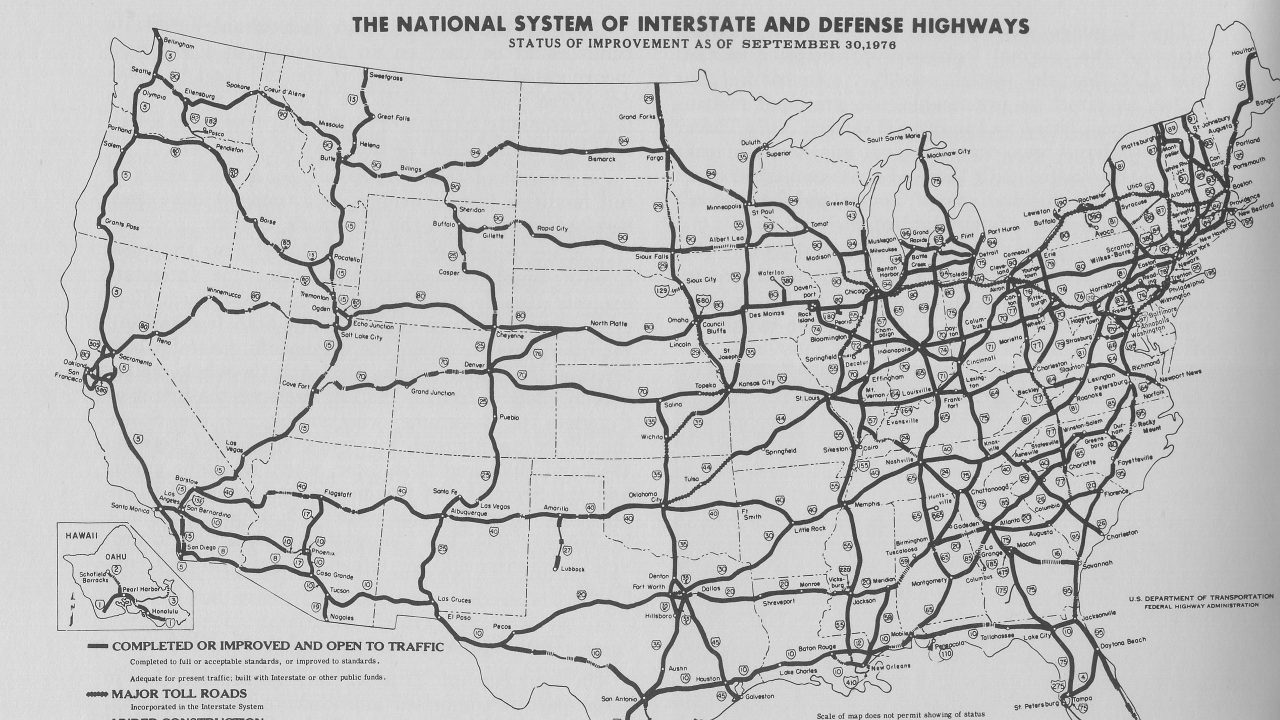
Road maps are not just practical tools; they are cultural mirrors reflecting societal transformations. During periods of urbanization and economic growth, maps documented the expansion of cities and infrastructure. The development of the Interstate Highway System in the United States during the 1950s and 1960s is a prime example, illustrating the nation’s post-war prosperity and the government’s commitment to connectivity and mobility.
Art and Design
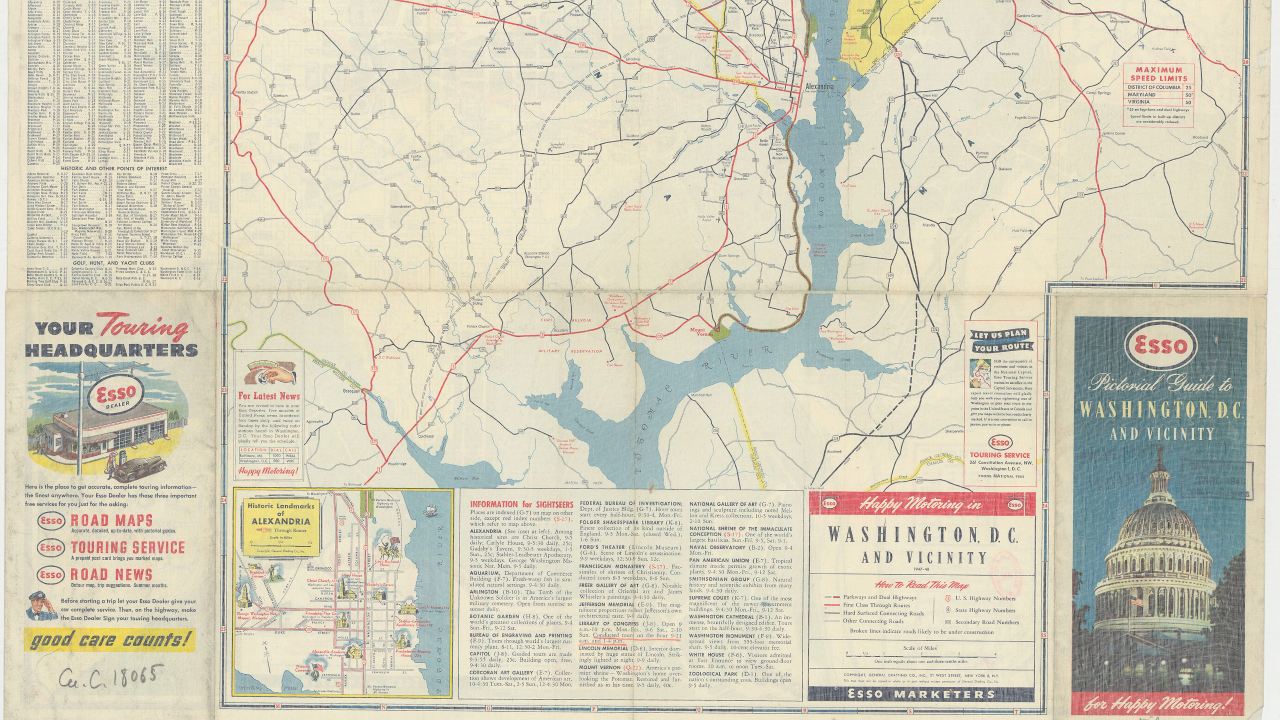
Beyond their functional purpose, vintage road maps are celebrated for their artistic qualities. The vibrant colors and intricate illustrations found on maps from companies like Shell and Esso demonstrate the creativity and skill of mapmakers. These elements elevate mapmaking to an art form, appealing to collectors and design enthusiasts alike. The aesthetic appeal of vintage maps adds a layer of beauty to their historical significance, making them cherished artifacts.
Marketing and Commercial Influence
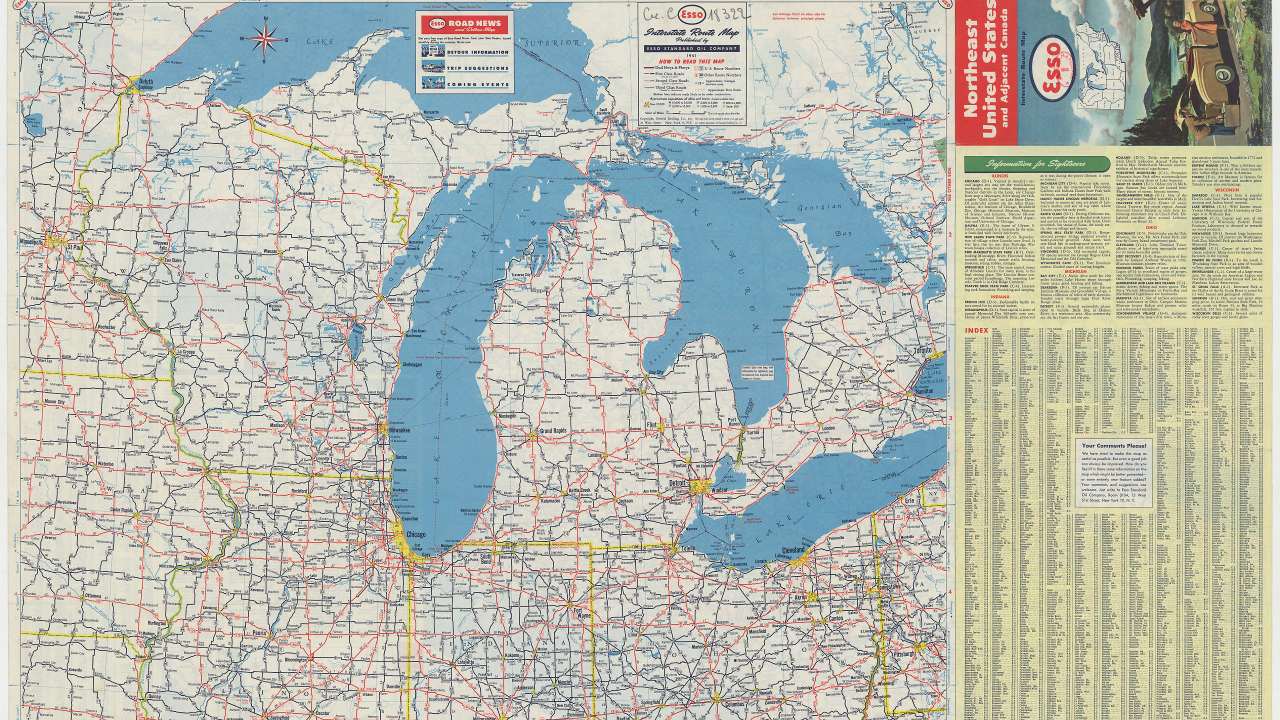
In the mid-20th century, companies recognized the potential of road maps as marketing tools. Gas stations and oil companies produced branded maps to promote their services, often using them as giveaways to attract customers. This commercial strategy not only increased brand visibility but also established a lasting connection between companies and consumers. The use of road maps in advertising exemplifies the intersection of commerce and cartography during this era.
Collecting and Preserving Vintage Road Maps
Why Collect Vintage Maps?
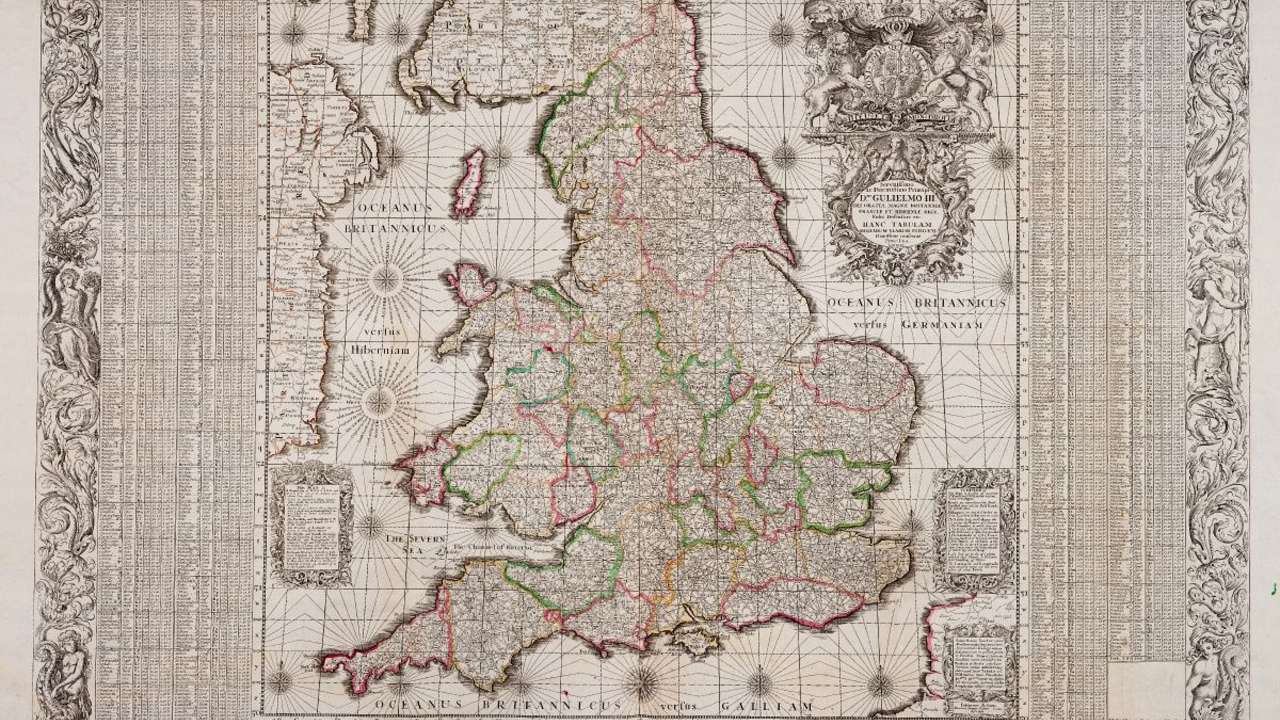
For collectors and enthusiasts, vintage road maps offer a unique blend of historical value and aesthetic appeal. Each map tells a story of a bygone era, capturing the zeitgeist of its time. Collectors are drawn to the nostalgia and craftsmanship inherent in these maps, as well as their ability to evoke a sense of adventure and exploration. The allure of vintage maps lies in their ability to connect the past with the present, offering a tangible link to history.
Preservation Techniques
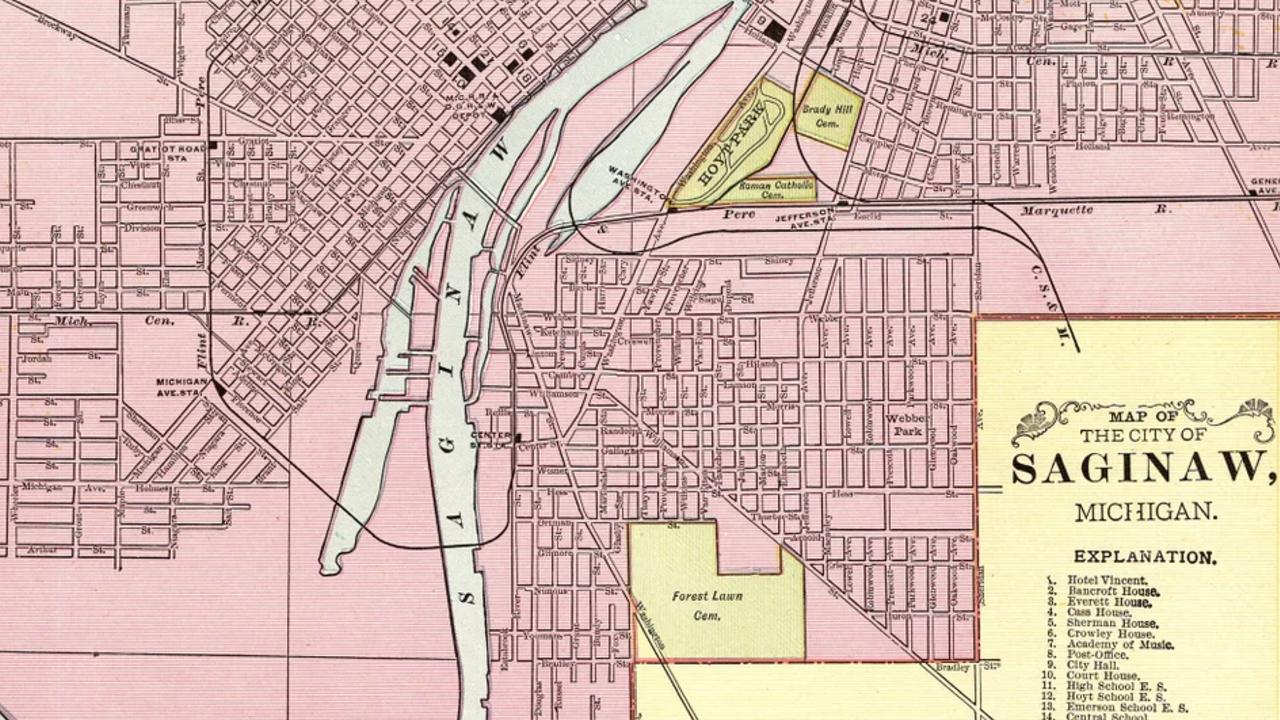
Preserving vintage road maps requires careful attention to detail and an understanding of archival practices. Exposure to light, humidity, and handling can damage these delicate artifacts over time. To maintain their condition and value, collectors often store maps in acid-free sleeves and boxes, away from direct sunlight. Professional restoration services can also repair tears and restore faded colors, ensuring that these maps remain vibrant and intact for future generations.
Notable Collections and Exhibitions
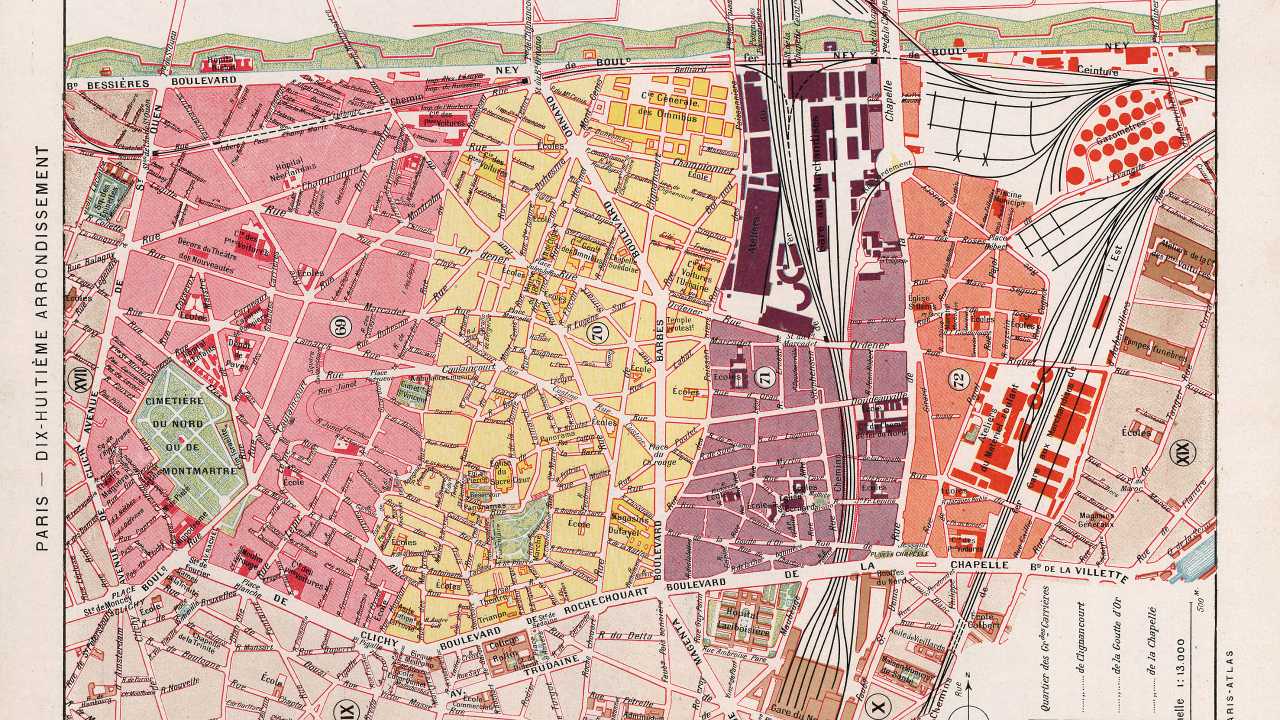
Several significant collections and exhibitions showcase the diversity and beauty of vintage road maps. Institutions like the Library of Congress and the David Rumsey Map Collection house extensive archives, offering insight into the evolution of cartography. Exhibitions such as “America on the Move” at the National Museum of American History highlight the cultural and historical impact of road maps, celebrating their role in shaping national identity and travel.
The Future of Road Maps in a Digital World
Digital Transformation

The advent of digital mapping applications like Google Maps and GPS technology has transformed the way we navigate the world. While digital maps offer unparalleled convenience and real-time updates, they lack the tactile and visual charm of their vintage counterparts. The shift towards digital navigation raises questions about the future of physical road maps and their place in a rapidly evolving technological landscape.
Nostalgia and Revival
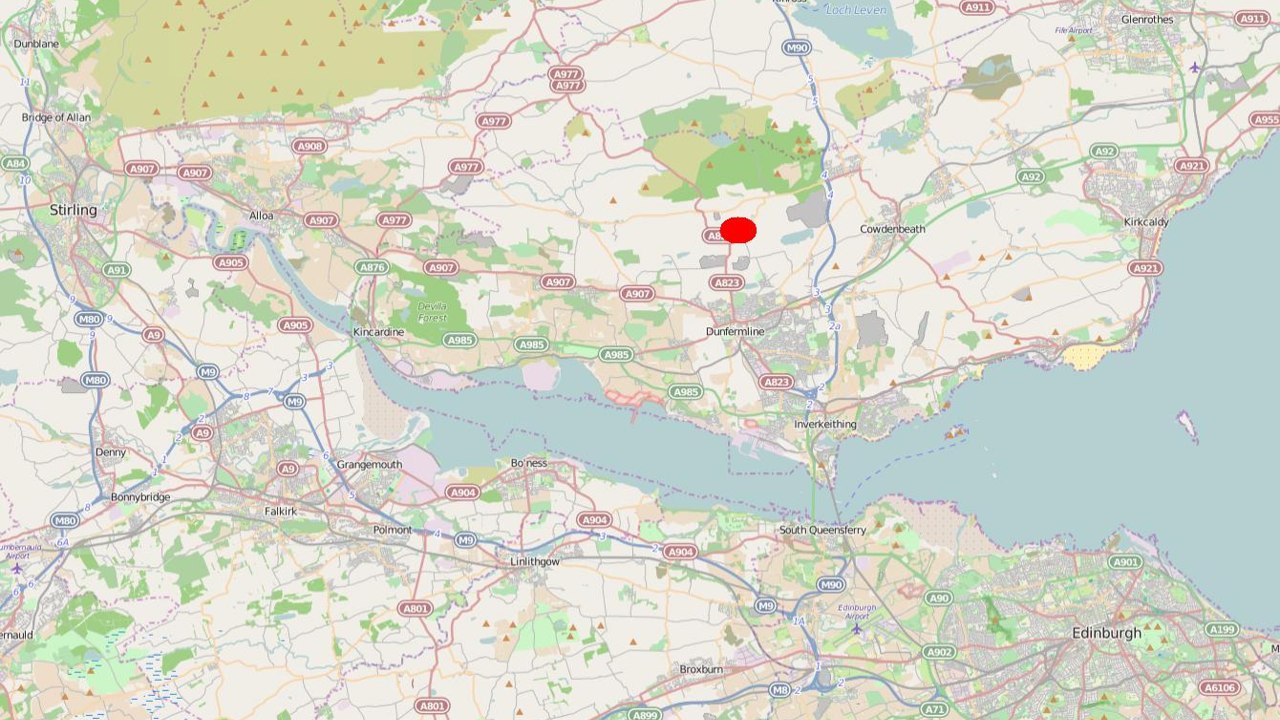
Despite the dominance of digital maps, there is a resurgence of interest in vintage maps, driven by nostalgia and a desire for authenticity. Designers and artists incorporate vintage map aesthetics into contemporary projects, from home decor to fashion. This revival reflects a broader cultural trend of valuing the past while embracing modernity, suggesting that vintage road maps will continue to hold a special place in our hearts and homes.
Road Maps as Educational Tools
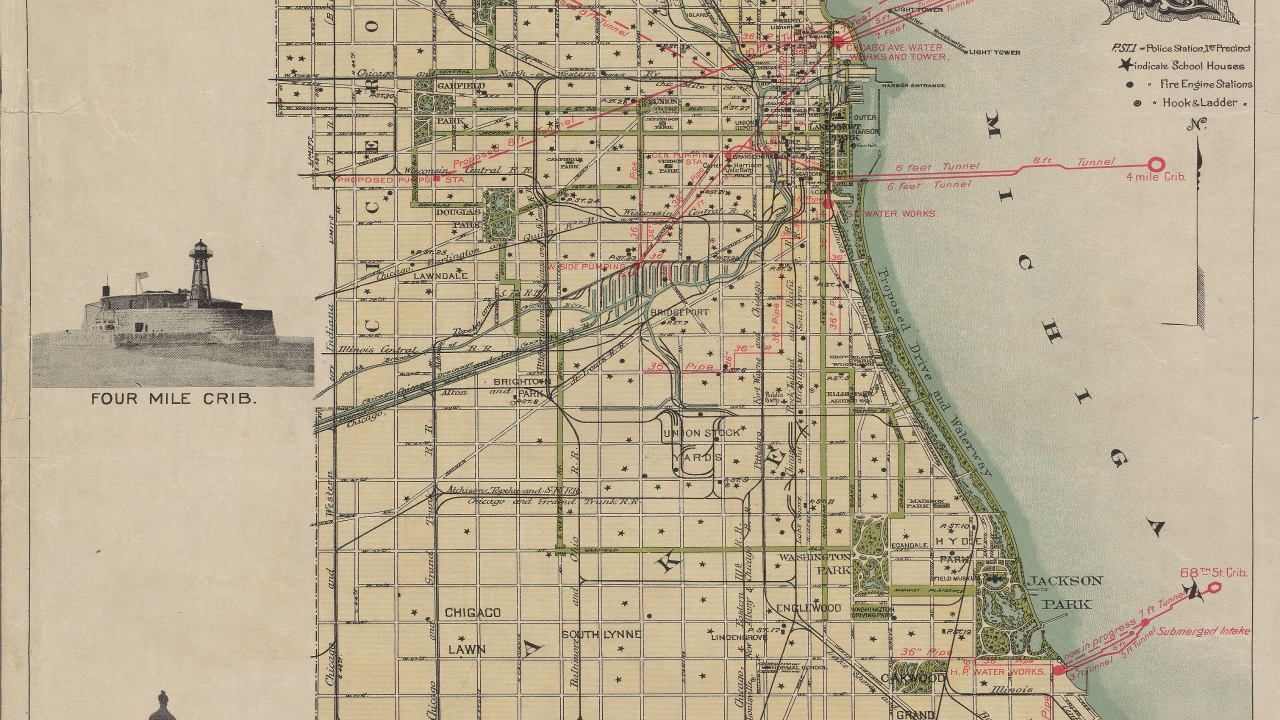
Vintage road maps offer valuable educational opportunities, serving as resources for teaching geography, history, and art appreciation. In classrooms, these maps can spark curiosity and provide a hands-on learning experience, allowing students to explore historical contexts and geographic changes. By preserving and sharing these artifacts, educators can inspire future generations to appreciate the rich cultural heritage embodied in vintage road maps.

Post a Comment for "Classic Road Maps and Their Cultural Legacy"
Post a Comment