
Dr. Ben Carson's Message to UVU: Prayer, Resilience, and Charlie Kirk's Legacy
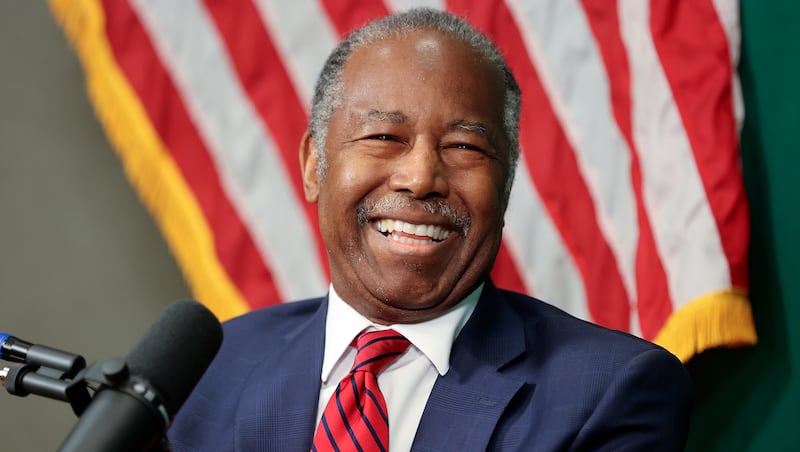
When Dr. Ben Carson was a young medical student, he struggled greatly on his first set of comprehensive exams, which led to a meeting with his academic counselor. The counselor reviewed Carson's records and suggested that there were many paths to a successful life outside of medicine. After offering this advice, the counselor concluded with a discouraging statement: "You're just not cut out to be a doctor."
Carson was deeply upset and returned home, where he knelt in prayer, seeking guidance. Inspired by this moment, he changed his approach, spending less time in lectures and more on reading and research. His determination paid off as he graduated from the University of Michigan Medical School and went on to have a world-renowned career. At the age of 33, he became the director of pediatric neurosurgery at Johns Hopkins Hospital.
Years later, he returned to the same medical school as its commencement speaker. In a humorous moment, he recalled wanting to tell his former counselor, "You're just not cut out to be a counselor."
Most people know Carson for his work beyond neurosurgery. A Republican, he ran for president in 2016 but lost the nomination to Donald Trump. Following Trump's victory, Carson was appointed as the 17th secretary of Housing and Urban Development (HUD). He is also a bestselling author and serves as a national adviser for nutrition, health, and housing at the U.S. Department of Agriculture.
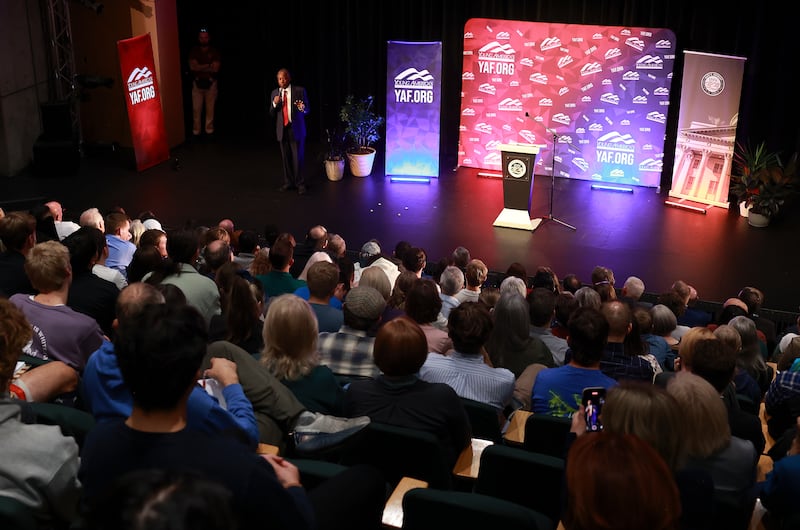
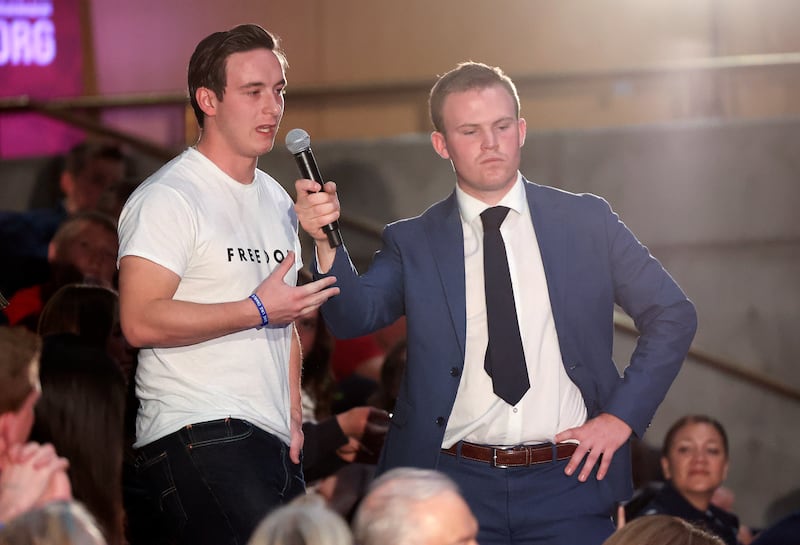
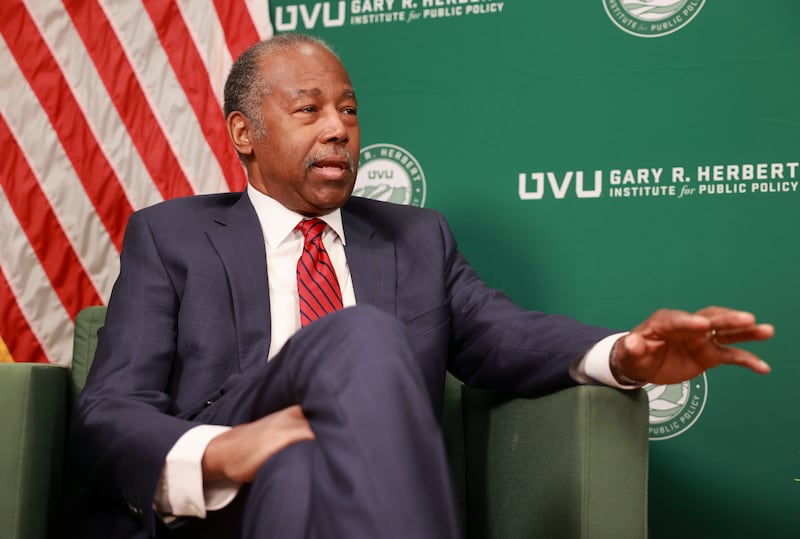
Carson's appearance at Utah Valley University (UVU) came during a time of healing after the tragic death of conservative activist Charlie Kirk, who was shot while speaking to a large crowd. Justin Jones, the Herbert Institute’s executive director, highlighted the timing of Carson's visit, calling him a voice of reason in both personal and political life.
How 'reasonable people' find solutions
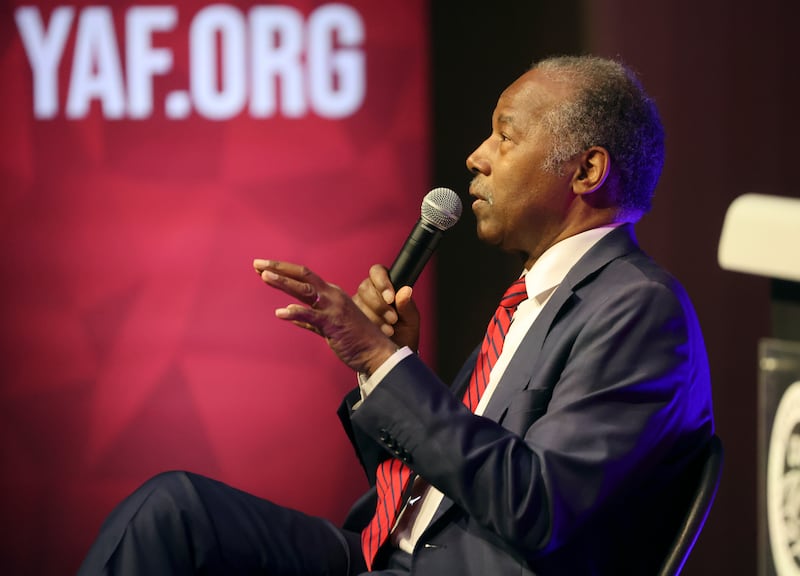
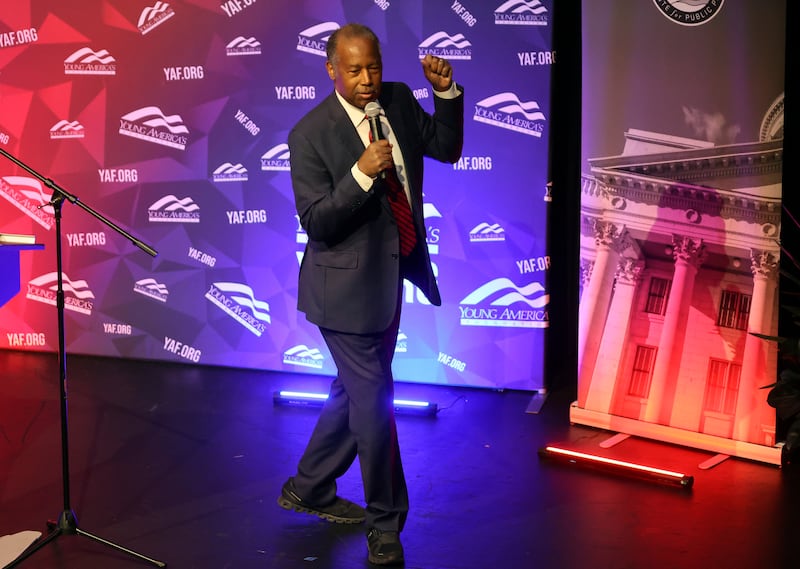
In a lecture covering faith, prayer, resilience, the promise of America, and finding common ground, Carson shared his journey from childhood poverty to becoming a renowned figure across multiple communities. He began by honoring Kirk, calling him an antidote to radical leftism. Carson emphasized that the radical left is concerned when people listen to alternative viewpoints, as seen in Kirk's efforts to counter indoctrination among young people.
He noted that even the most extreme left and right individuals agree on 80% of their beliefs, but the remaining 20% often leads to division. Carson urged the audience to focus on this common ground, starting with relationships and then discussing differences. He warned against the "my way or the highway" philosophy, emphasizing that reasonable people can find solutions together.
Overcoming a violent temper through prayer, scripture
Carson explained that he wasn't always calm, recalling a time when he had a violent temper as a youth in Detroit. He would lash out, even assaulting others. Realizing that his behavior could lead to jail or worse, he prayed for help, read the Bible, and found Proverbs 16:32, which taught him about controlling his spirit. This experience led him to develop a relationship with God and improve his academic performance.
Carson: Great racial progress happening in the U.S.
Carson shared a story about a teacher who criticized his white classmates for being outperformed by a Black student from a broken family. However, the students didn't buy the teacher's argument, recognizing that people are equal. He challenged the notion that the U.S. has made little racial progress, citing examples such as Black admirals, generals, and CEOs. He emphasized that while there is still work to be done, significant progress has been made.
Drawing upon Charlie Kirk’s convictions
Carson spoke about the lessons he learned from performing brain surgery, including the separation of conjoined twins. He stressed the importance of faith and trusting God, noting that challenges can lead to success. He praised Kirk for emphasizing the unique American belief system, which values loving neighbors rather than canceling them.
The nation’s strength, Carson concluded, lies in its unity. If the country understands this, it will be difficult for any other nation to overcome it.
A conversation with Dr. Ben Carson
Before his UVU speech, Carson spoke to the Deseret News about various topics. He mentioned that his visit to UVU coincided with the aftermath of Kirk's murder, highlighting the importance of unity and choosing how to react to situations. He discussed how pain and adversity can foster personal growth, using the metaphor of an oyster creating a pearl from irritation.
On home ownership, Carson believed there is a pathway to the American Dream, though regulations hinder affordable housing. He also addressed the homeless crisis, suggesting that many individuals could become functional with proper care and medication.
Thoughts on where "Making America Healthy" begins
Carson emphasized that healthy food starts with the soil and includes the entire process from farming to consumption. He pointed out that life expectancy in the U.S. has stagnated or declined, unlike in other industrialized countries. He attributed this to excessive food processing and artificial additives, advocating for whole foods and natural ingredients.

Post a Comment for "Dr. Ben Carson's Message to UVU: Prayer, Resilience, and Charlie Kirk's Legacy"
Post a Comment