
Eyes: The Window to Your Health
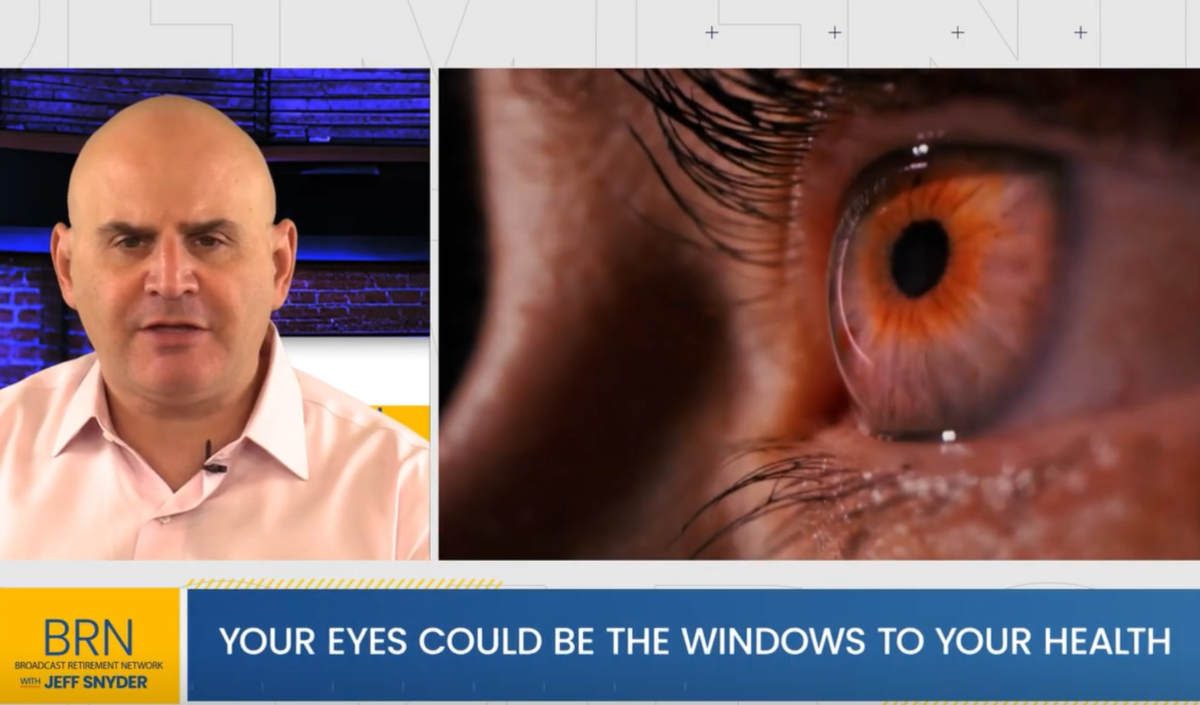
The Eyes: A Window to Overall Health
The eyes are often referred to as the "window to the soul," but they also serve as a critical window to our overall health. This connection was highlighted in an interview with Dr. Amita Vadada, a spokesperson for the American Academy of Ophthalmology, who discussed the importance of routine eye exams and how they can reveal underlying health issues.
Why Eye Exams Matter
Dr. Vadada explained that the eyes are unique in that they provide an unobstructed view of blood vessels, nerves, and connective tissue without requiring surgery. This makes them a valuable tool for detecting various health conditions. She mentioned that eye exams can help identify issues such as:
- Brain aneurysms
- Brain tumors
- Skin and tissue cancers
- Diabetes
- Heart disease
- High blood pressure
- Autoimmune diseases
These conditions may not show symptoms in their early stages, but the eyes can often detect changes before other symptoms appear. For example, Dr. Vadada shared a case where a patient's undiagnosed diabetes was first identified through bleeding in the eye's blood vessels during a dilated exam.
What to Expect During an Eye Exam
For those concerned about what an eye exam entails, Dr. Vadada provided insight into the process. A typical exam includes:
- Vision testing to determine if glasses or contact lenses are needed
- Administration of eye drops to dilate the pupils, allowing a clear view of the retina and other structures at the back of the eye
Dilating drops can cause blurry vision for several hours, especially when reading, but the procedure itself is generally painless. The exam usually takes about 15 to 20 minutes to complete, and patients often find it comfortable and straightforward.
Eye Exams for Children
Parents may wonder when to start bringing their children in for eye exams. Dr. Vadada noted that while pediatric ophthalmologists specialize in treating children, most children should begin with a general vision screening by their pediatrician. If there are concerns, such as difficulty reading an eye chart or differences between the two eyes, a referral to a pediatric ophthalmologist may be necessary.
She emphasized that early detection is crucial for addressing vision problems and ensuring healthy development. Vision screenings are typically part of routine checkups and do not always require a specialist.
Accessing Eye Care Without Insurance
For individuals without health insurance, accessing eye care can be challenging. However, Dr. Vadada mentioned that there are programs available to help. While she suggested consulting the American Academy of Ophthalmology's website for specific resources, she confirmed that assistance exists for those in need.
She stressed that eye exams are not just about vision; they offer a glimpse into overall health. This makes them essential for everyone, regardless of insurance status.
Final Thoughts
Dr. Vadada concluded by highlighting the importance of regular eye exams as a proactive step toward maintaining good health. Whether for children or adults, these exams can uncover hidden health issues and lead to early treatment.
As the conversation ended, the message was clear: taking care of your eyes is an investment in your overall well-being. With the right care and attention, you can ensure that your eyes continue to serve as a vital indicator of your health.

Post a Comment for "Eyes: The Window to Your Health"
Post a Comment