
Flu Surge, NYC Overdose Drop, and Mental Health Shift
Infectious Disease 'Weather Report'
As we prepare for the upcoming holiday, it's crucial to stay informed about the current state of public health in New York City and across the state. The following is a comprehensive overview of key infectious diseases and public health initiatives.
Flu
The flu is on the rise, with cases and hospitalizations increasing by 78% and 53%, respectively, in the state. In New York City, emergency department visits for the flu have surged by 104%. Earlier this week, reports highlighted a new flu virus mutation that could lead to a severe flu season in the United States. While the exact impact remains uncertain, the best line of defense remains vaccination.
RSV
Respiratory Syncytial Virus (RSV) is also on the rise, particularly among children under four years old. Statewide, hospitalizations due to RSV have increased by 70%, while emergency department visits in New York City have risen by 40%.
Covid-19
In contrast, cases and hospitalizations for Covid-19 are decreasing in both New York City and across the state. As Thanksgiving approaches, it's important to take precautions to prevent the spread of illness. Consider wearing a mask in indoor crowded spaces and avoid contact with others if you're feeling unwell.
Good News: Overdose Deaths Are Declining in NYC — But Progress Is Uneven
For the first time in years, New York City has seen a significant drop in overdose deaths, with a 28% decrease from 2023. However, this still results in 2,192 deaths, which is far too high.
Last year, 78% of overdose deaths involved an opioid, down from 83% in 2023. Fentanyl remains the leading driver, involved in 73% of deaths, but this is down from 80% in 2023.
Staten Island saw the steepest drop in overdose deaths, attributed to a hot-spotting strategy that identified areas with high overdose rates and deployed peer counselors with naloxone, support services, and treatment referrals. A similar program was launched in the Bronx this summer, as the borough still has the highest overdose death rate.
Despite these positive developments, overdose deaths remain a leading cause of premature death in New York City, with significant disparities among racial groups. Overdose deaths among Black and Latino New Yorkers are about twice as high as those among white New Yorkers.
To continue reducing the risk of overdose death, consider the following actions:
- Carry naloxone (Narcan): All New Yorkers can receive free naloxone and training from registered Opioid Overdose Prevention Programs.
- Health Department vending machines: Locations can be found on this page.
- Over-the-counter naloxone at pharmacies: Available without a prescription at most major chains.
- Most insurance providers will cover all or part of the cost of naloxone, and New York state will cover copayments of up to $40.
- Hotline for support: Call or text 988, or visit the 988 website for 24/7, confidential support.
Changes to the B-HEARD Program
Mayor Eric Adams recently announced changes to the B-HEARD program, which responds to mental health emergencies with trained medical and mental health teams. Under the new model, teams will consist of one nurse, a social worker, and an ambulance driver instead of two EMTs and a social worker.
These teams respond to nonviolent but urgent behavioral health crises, such as suicidal ideation, substance misuse, and acute mental health episodes. Calls are routed based on safety and risk criteria, and the program operates in Northern Manhattan, the Bronx, Central and South Brooklyn, and Western Queens from 9 a.m. to 1 a.m.
Why Does This Program Exist?
Historically, mental health 911 calls were often handled by the NYPD, sometimes alongside EMS responders. Critics argue that this approach lacks the necessary de-escalation skills and follow-up care. Evidence suggests that when police are first responders in a mental health crisis, outcomes can be worse, with individuals feeling criminalized and reluctant to seek help.
B-HEARD aims to reduce unnecessary police involvement, provide more appropriate care, and connect people to community-based follow-up.
Has B-HEARD Been Effective So Far?
A city comptroller audit found the program promising in concept but difficult to evaluate due to limited data and implementation gaps. Key findings include:
- Between fiscal years 2022 and 2024, B-HEARD covered 96,291 mental health-related 911 calls during operating hours.
- Only about 25% (just over 24,000 calls) resulted in a B-HEARD response.
- Around 60% were deemed ineligible, some due to safety concerns or lack of available EMS operators.
- Even among eligible calls, 35% never received a response for unknown reasons.
- Critical process steps were often incomplete or not documented.
However, among clients surveyed, the results were strong: * 99% said they were treated with respect. * 96% said the team helped them.
Why the Change?
New York faces a shortage of EMTs and paramedics, along with long ambulance response times. By freeing up EMTs for broader medical emergencies, the city hopes to improve ambulance response times across the city.
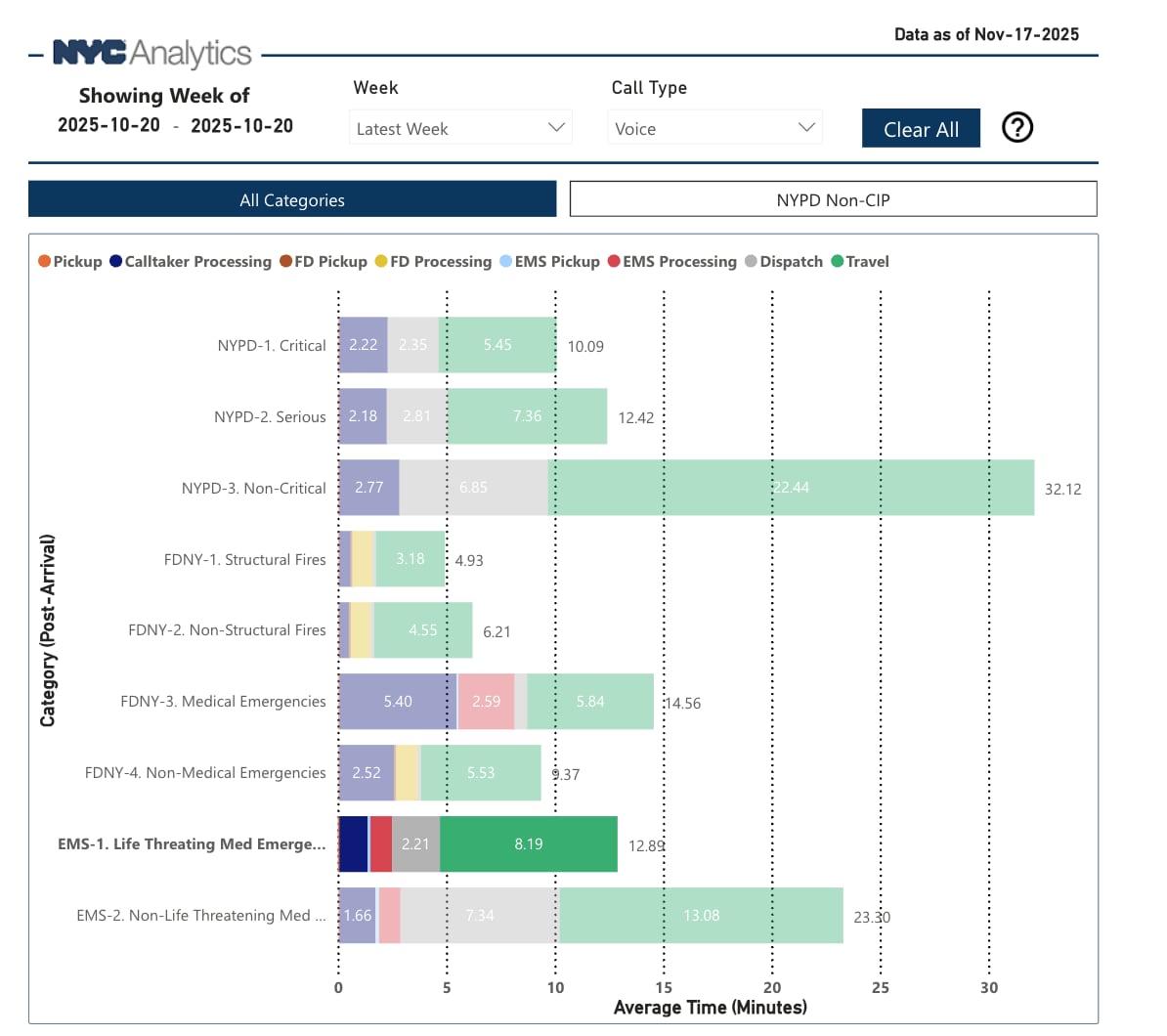
Importantly, during a behavioral health crisis, if additional medical backup is needed, the driver/nurse team can summon an ambulance. The nurse offers stronger clinical capacity on-site than EMTs alone, potentially improving care and triage.
Looking Ahead and My Thoughts
With longer ambulance wait times, it's logical to free up EMTs to shorten response times. If there are enough nurses at NYC Health + Hospitals to redirect some to B-HEARD teams without disrupting hospital operations, having advanced medical support on the response teams could be beneficial. However, the bigger question remains how effective this program has been at responding to mental health issues while maintaining safety for those experiencing crises and for first responders.
The timing of this change is also critical. Mayor-elect Zohran Mamdani has signaled plans to expand B-HEARD city-wide and fold it into a new Department of Community Safety. Will these changes hold in his administration? If not, will shoring up EMTs in New York City for one month make any real difference in ambulance wait times? Will the program go through another overhaul, further limiting our ability to assess its effectiveness? These are the things I'll be looking out for over the coming months.
Bottom Line
As we head into the holiday, I'm feeling especially grateful for New York's public health champions — the heroes and systems working behind the scenes to keep us safe. The encouraging decline in opioid deaths, expanded mental health outreach, and strong infectious disease surveillance systems are testaments to that.
To everyone working toward a healthier state: Thank you for all you do. Your work makes New York better, every single day.
I’m wishing everyone a restful Thanksgiving — indulge in that pie, wear those stretchy pants, and I’ll see you after our break next week!
Love, Your NY Epi

Post a Comment for "Flu Surge, NYC Overdose Drop, and Mental Health Shift"
Post a Comment