
Foods to Skip When Renting a Vacation Home
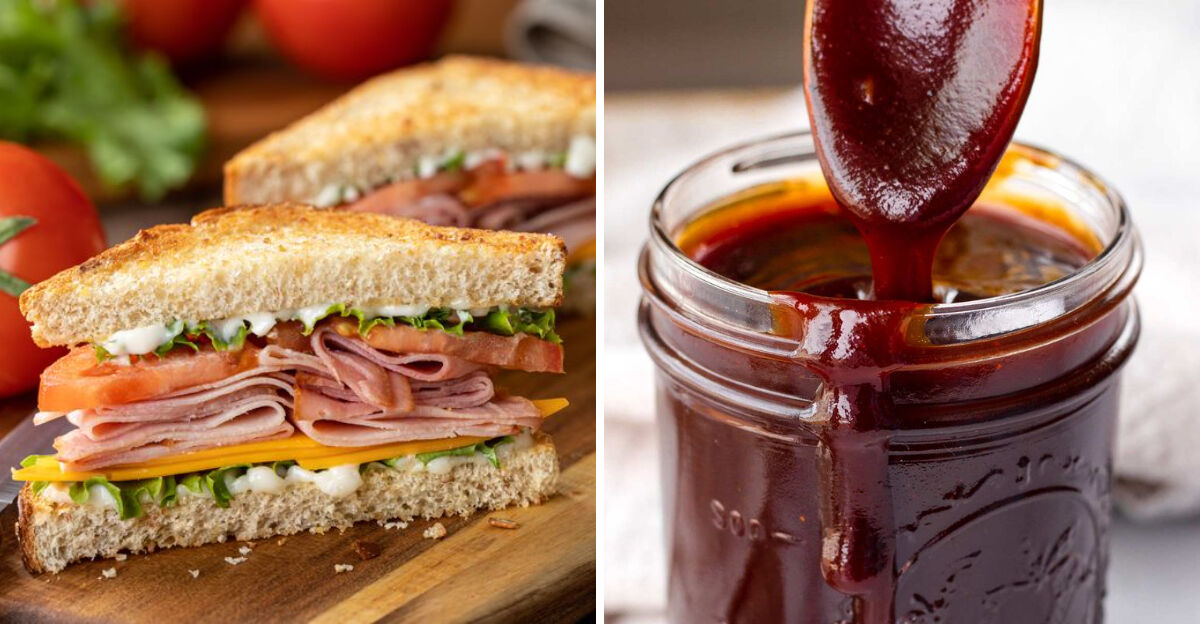
Vacation rentals offer a unique way to experience new places while enjoying the comforts of home. One of the biggest perks is the ability to cook your own meals, but not all food choices are ideal for a temporary kitchen. With limited cookware, unfamiliar appliances, and unpredictable sanitation standards, some dishes can pose serious risks. Before you start unpacking groceries or lighting the stove, it’s important to understand which foods are best avoided to keep your trip safe, enjoyable, and stress-free.
Understanding Food Safety in Vacation Rentals
Vacation rental kitchens vary widely in terms of cleanliness, equipment, and refrigeration capabilities. These differences can significantly impact food safety. While this guide offers general advice on what to avoid when cooking in such spaces, it is not a substitute for professional health or safety guidance. Always consider local regulations and the specific conditions of the property you’re staying in. If anyone in your group has a weakened immune system, is pregnant, young, or elderly, it’s especially important to follow strict food safety practices.
Foods to Avoid in Vacation Rental Kitchens
-
Raw Seafood
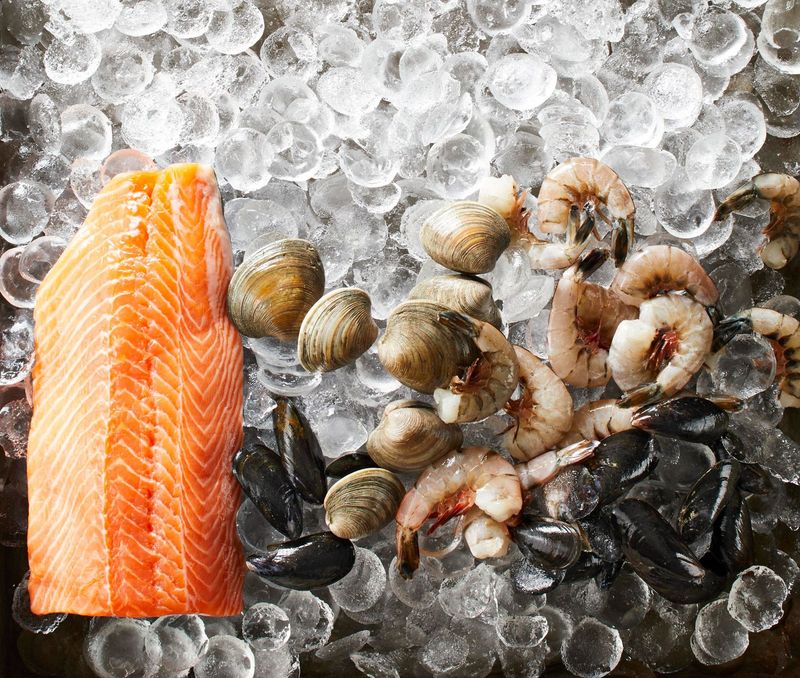
Sushi cravings may be tempting, but raw seafood requires precise handling and immediate consumption to prevent foodborne illness. Most vacation rental kitchens lack the proper knives and storage facilities needed for safe preparation. -
Pre-Cut Salad Mixes
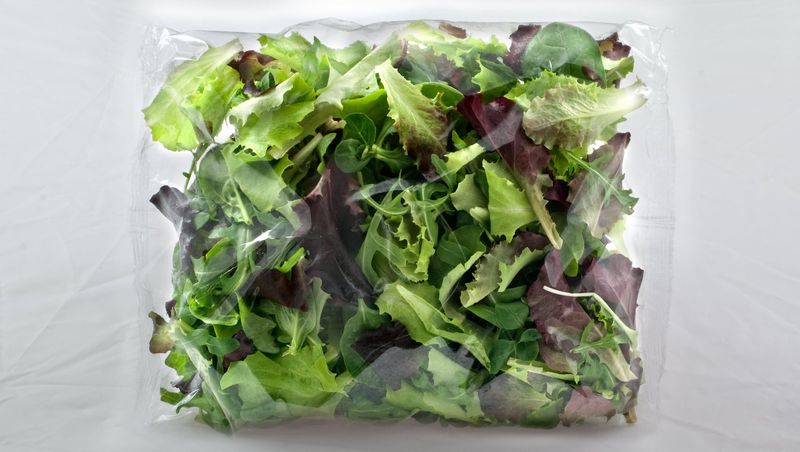
Pre-cut salads may seem convenient, but they can quickly become breeding grounds for bacteria once cut. Many have been recalled due to contamination. Opt for whole vegetables instead, which give you more control over washing and freshness. -
Unwashed Fresh Berries
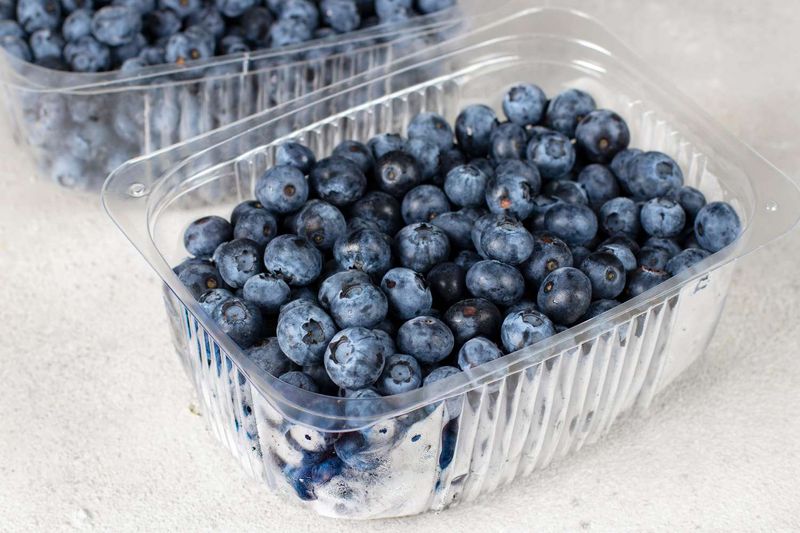
Berries are known for high pesticide levels and can harbor dirt, bugs, and chemicals. Without proper washing tools, they pose a risk. Frozen berries are a safer alternative when fresh options aren’t ideal. -
Deli Meats
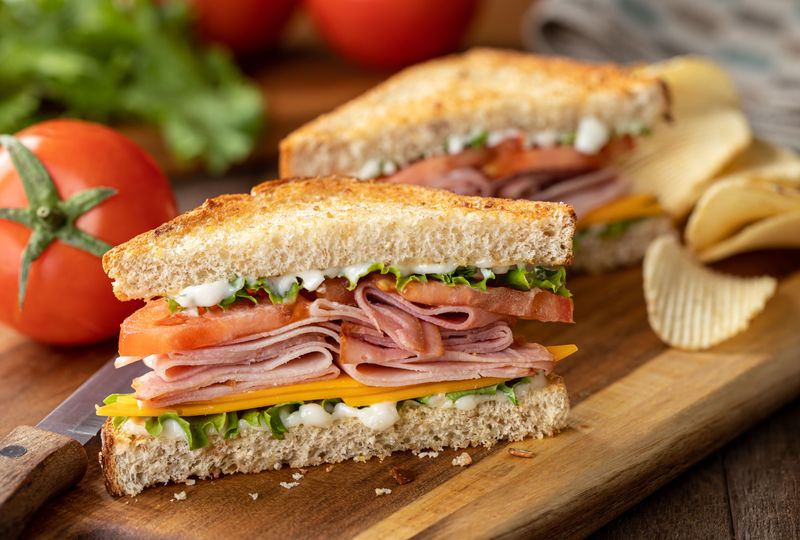
Deli meats spoil quickly, especially if stored in a rental fridge that may not maintain consistent temperatures. The risk of listeria increases in these conditions. Consider eating cold cuts at restaurants instead. -
Soft Cheeses
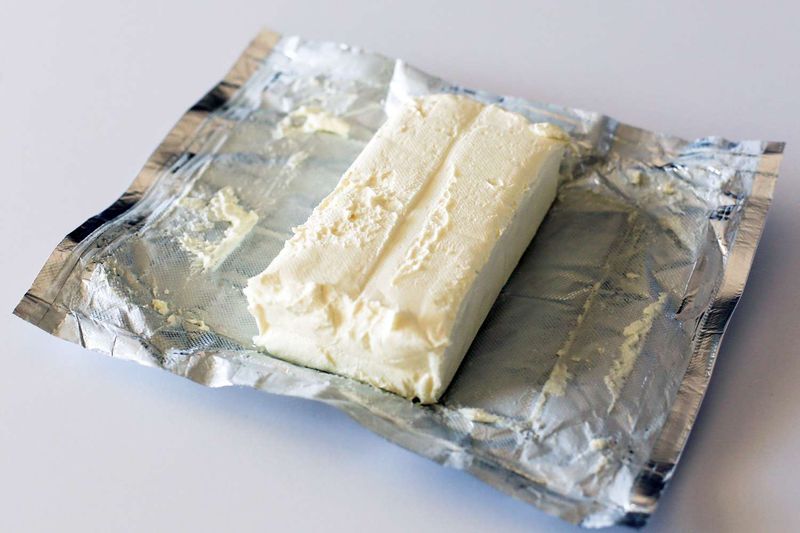
Brie, camembert, and blue cheese require careful storage and quick consumption. Inconsistent fridge temperatures in rentals can lead to spoilage. Harder cheeses are more forgiving in less-than-ideal conditions. -
Pre-Packaged Sushi
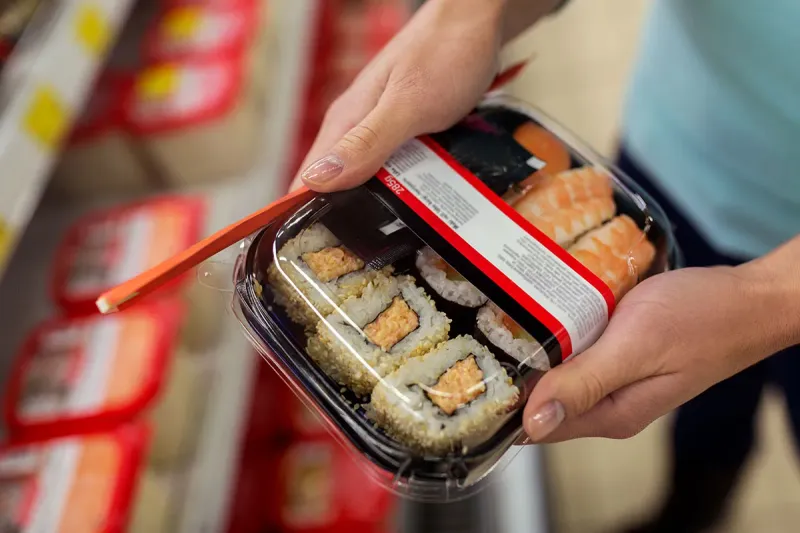
Store-bought sushi may sit at room temperature for extended periods, creating a bacterial hazard. It’s safer to enjoy sushi at reputable restaurants where handling protocols are controlled. -
Unpasteurized Juices
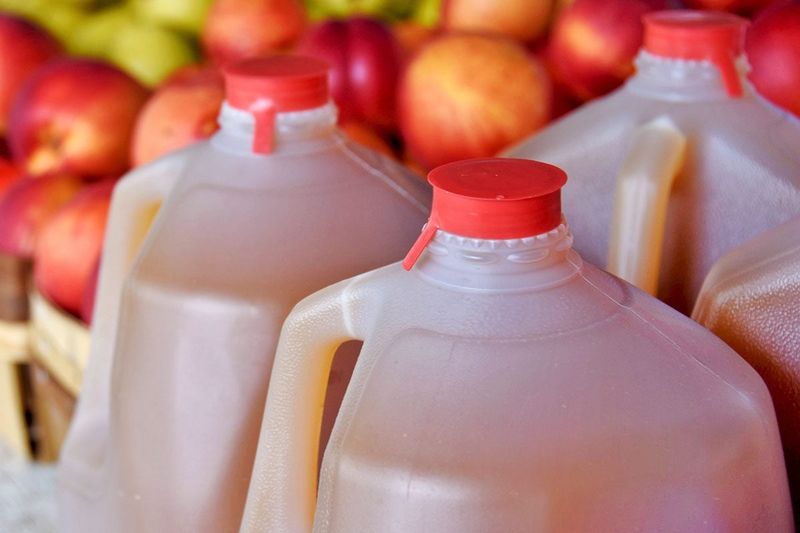
Unpasteurized juices can carry dangerous pathogens like E. coli and Salmonella. Stick to pasteurized options, especially if you or someone in your group is vulnerable to illness. -
Fresh Herbs Without Washing
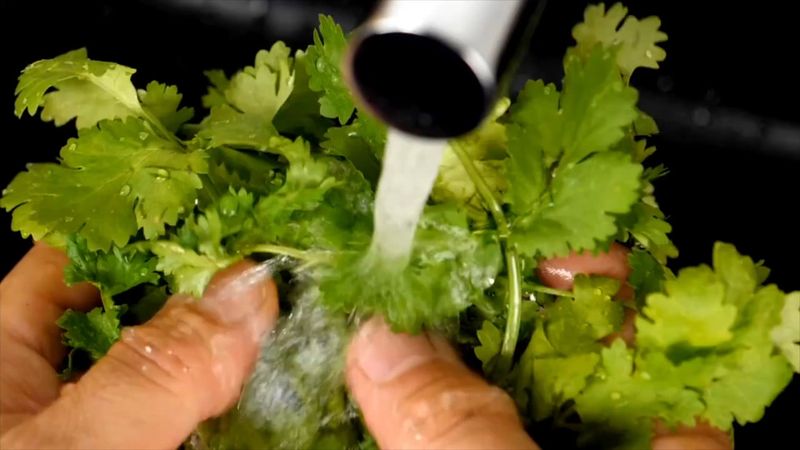
Leafy herbs often grow close to the ground, picking up dirt and bacteria. Without proper washing tools, they can be risky. Dried herbs or pastes are better alternatives for vacation use. -
Uncooked Sprouts
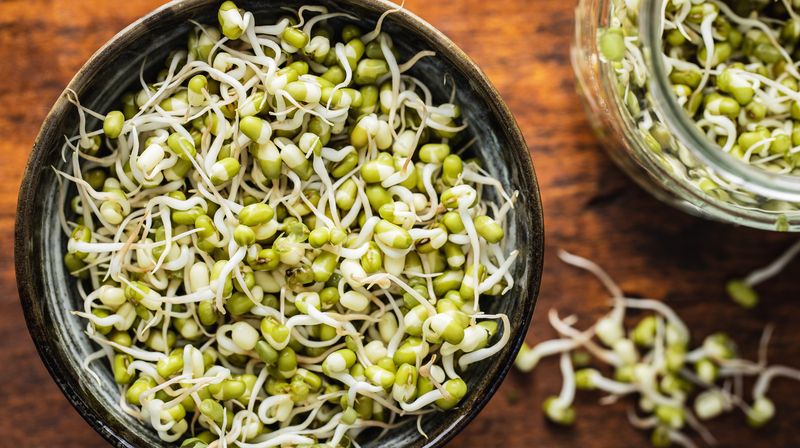
Sprouts like alfalfa and bean sprouts are high-risk due to their growing conditions. Even thorough washing can’t eliminate all dangers. Cooking them reduces risk, but many prefer to skip them altogether. -
Pre-Made Dips
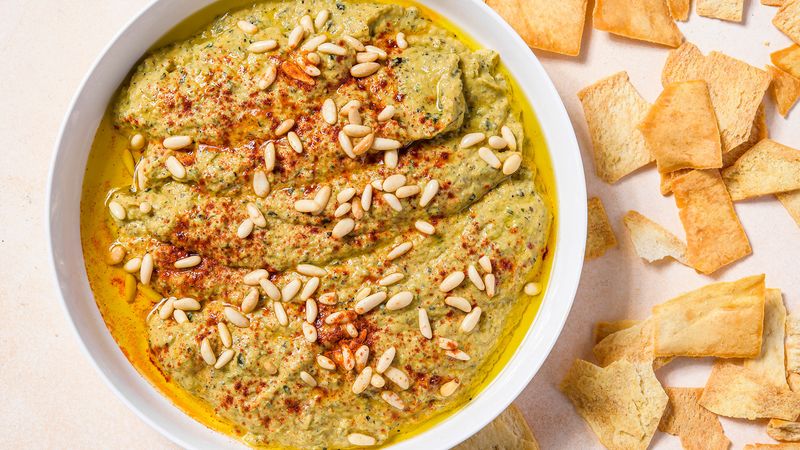
Creamy dips from delis can spoil quickly and may have questionable histories. Making simple dips from shelf-stable ingredients is a safer choice. -
Unrefrigerated Bakery Items
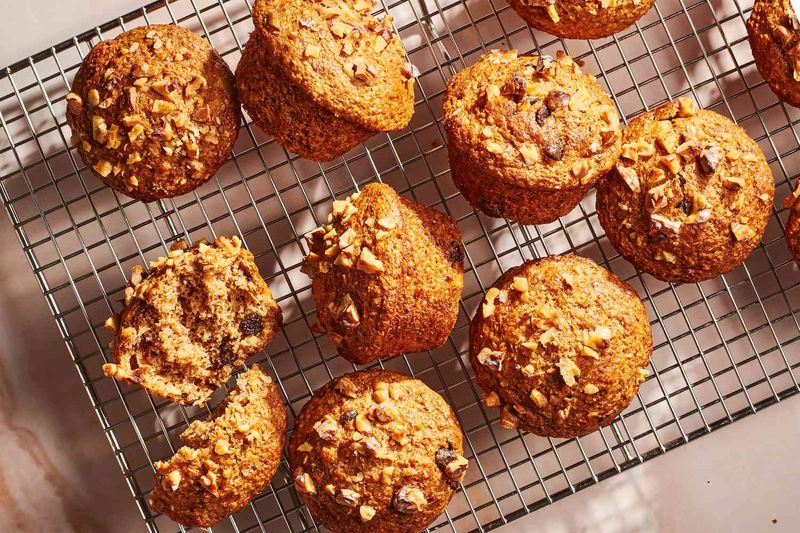
Moist baked goods like muffins and pastries can spoil rapidly, especially in warm climates. Choose dry snacks or freeze portions for later enjoyment. -
Pre-Cooked Rotisserie Chicken
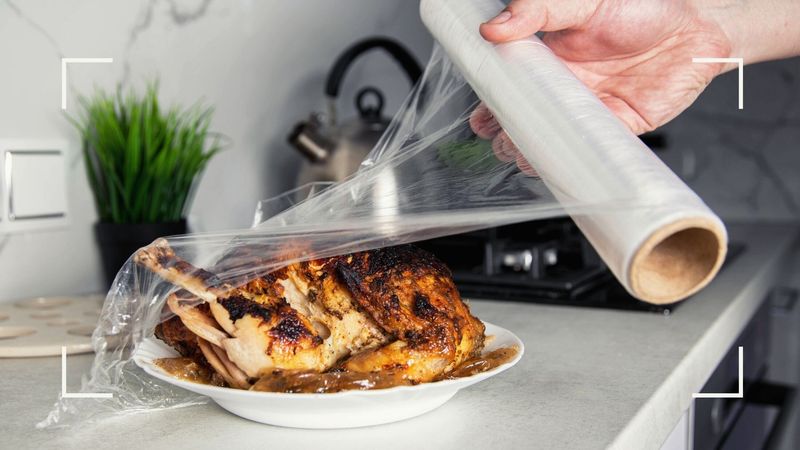
Rotisserie chicken can be a convenience, but improper storage can lead to contamination. Ensure it’s kept at safe temperatures and reheated properly. -
Imported Soft Fruits
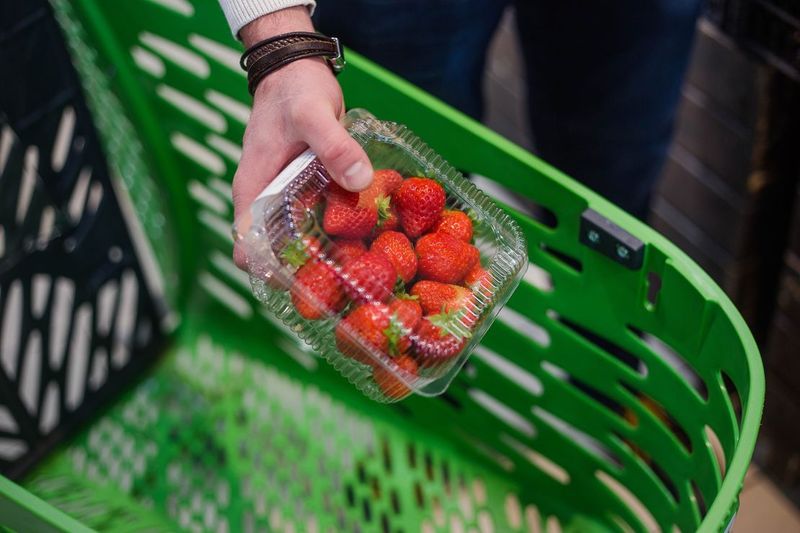
Exotic fruits may have higher pesticide levels and can bruise easily. Local, in-season fruits are often safer and fresher. -
Opened Canned Foods
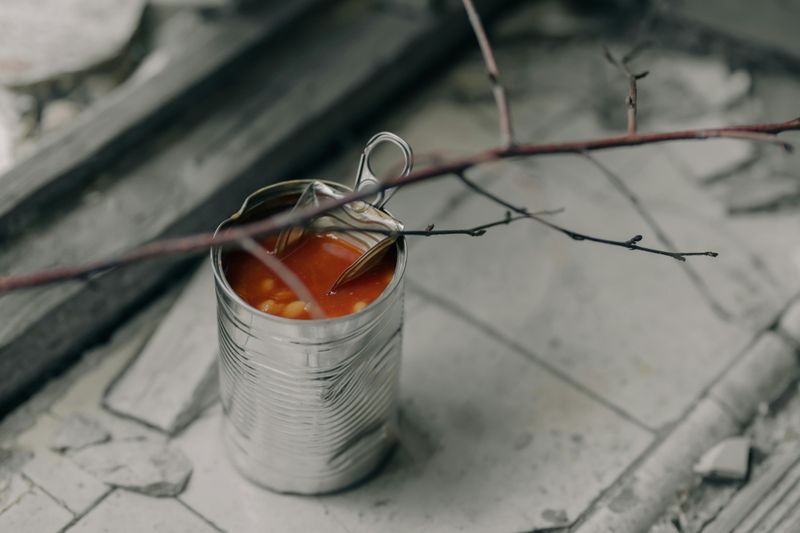
Once opened, canned foods can become contaminated if not stored properly. Use entire cans or opt for single-serving options to avoid waste and safety concerns. -
Unsealed Nuts And Seeds
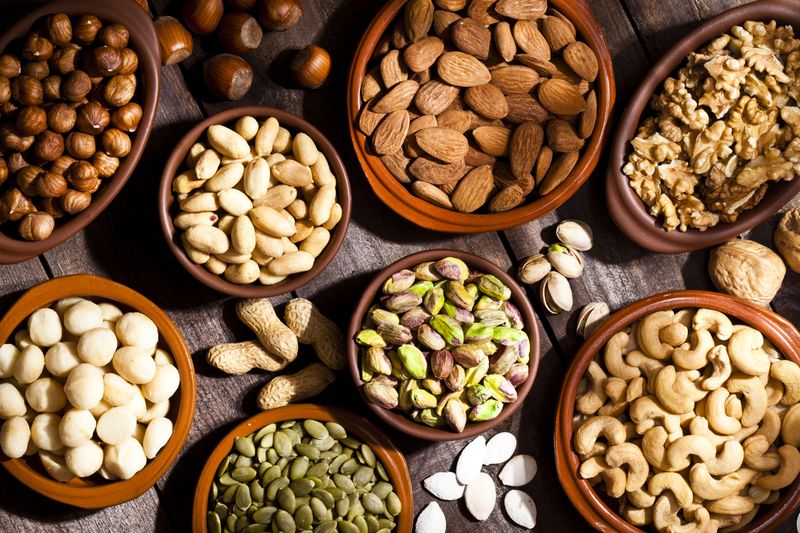
Bulk nuts can absorb moisture and develop rancid flavors. Pre-packaged options are more reliable in a rental setting. -
Homemade Sauces Without Refrigeration
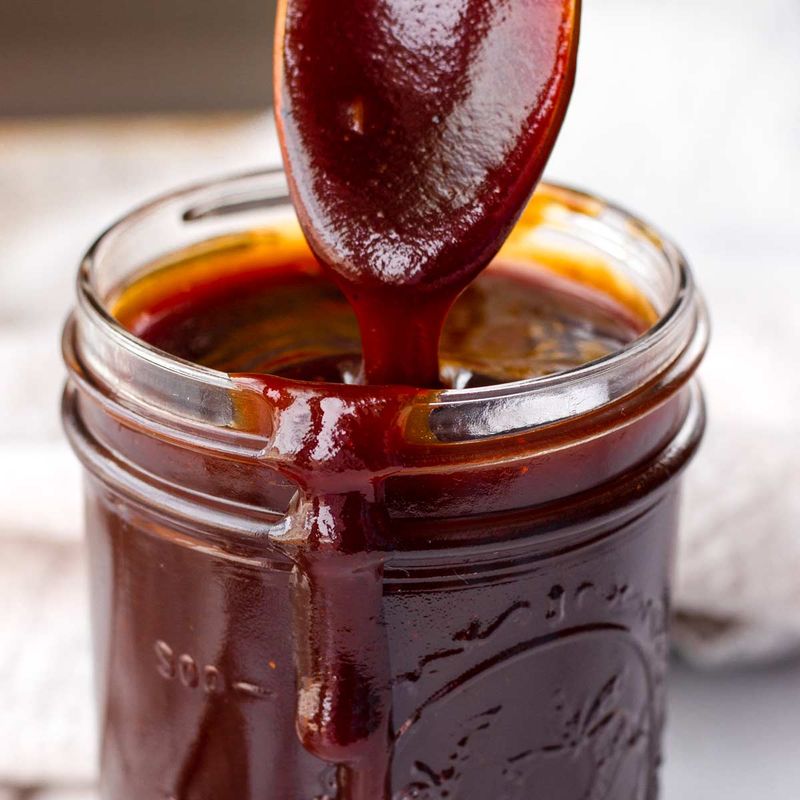
Homemade sauces lack preservatives and can pose botulism risks if not stored correctly. Commercial versions with safety seals are a better choice. -
Freshly Squeezed Citrus Juice
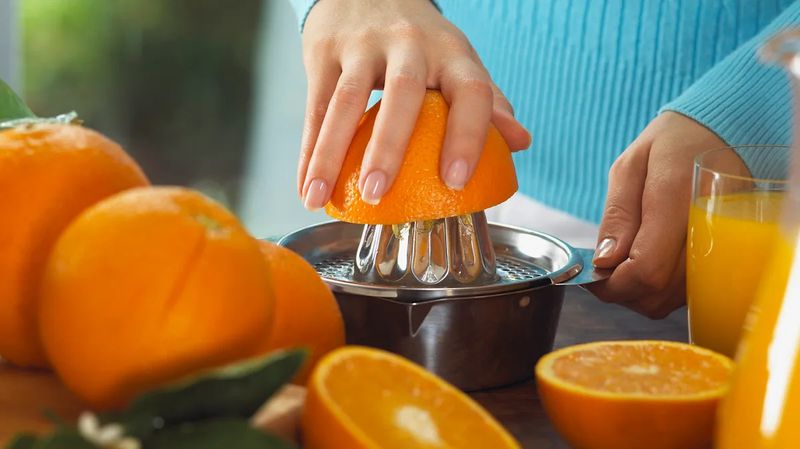
Fresh juice spoils quickly and may leach into containers. Pasteurized options are safer for longer storage. -
Unsealed Frozen Meals
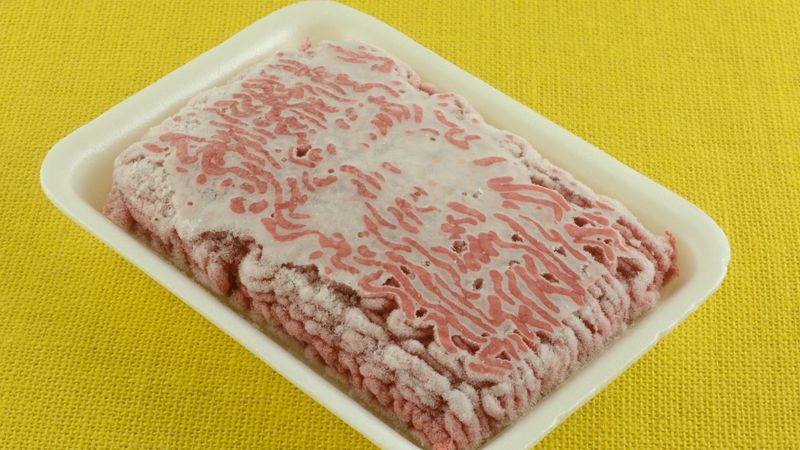
Freezer burn and temperature fluctuations can ruin frozen meals. Single-serving options reduce waste and ensure better quality. -
Leftover Takeout
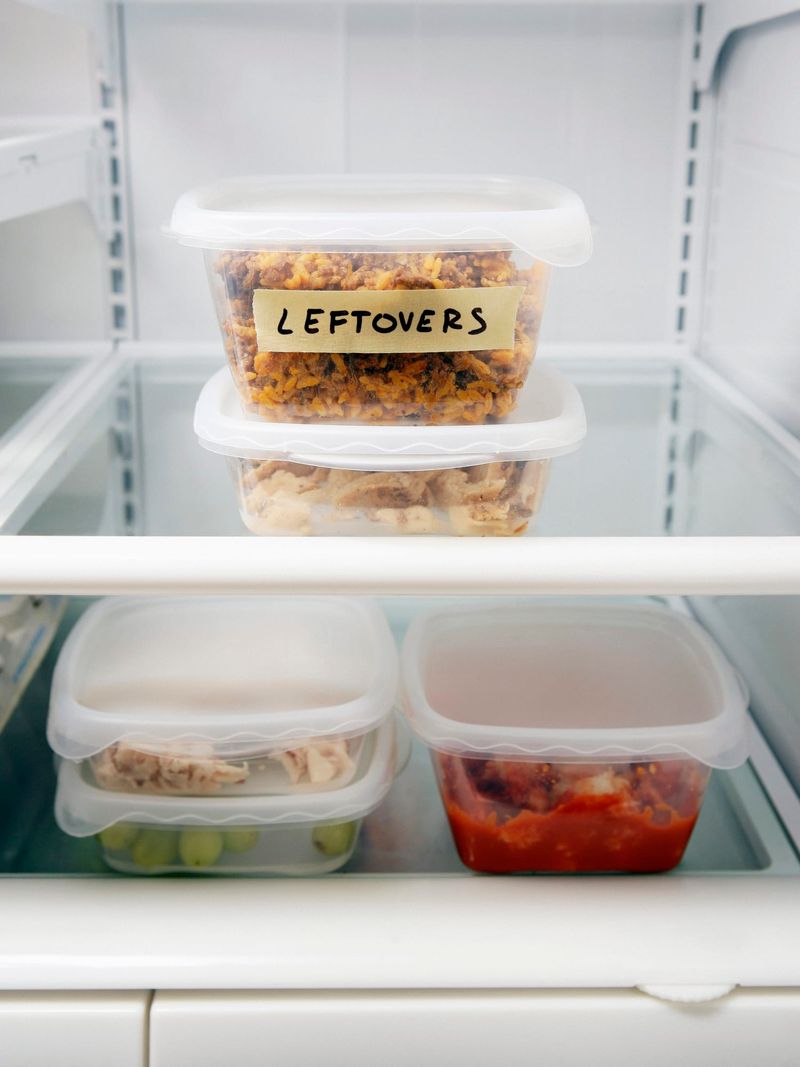
Restaurant leftovers can spoil during transport and may not reheat evenly in rental microwaves. Order only what you’ll eat immediately. -
Street Vendor Snacks
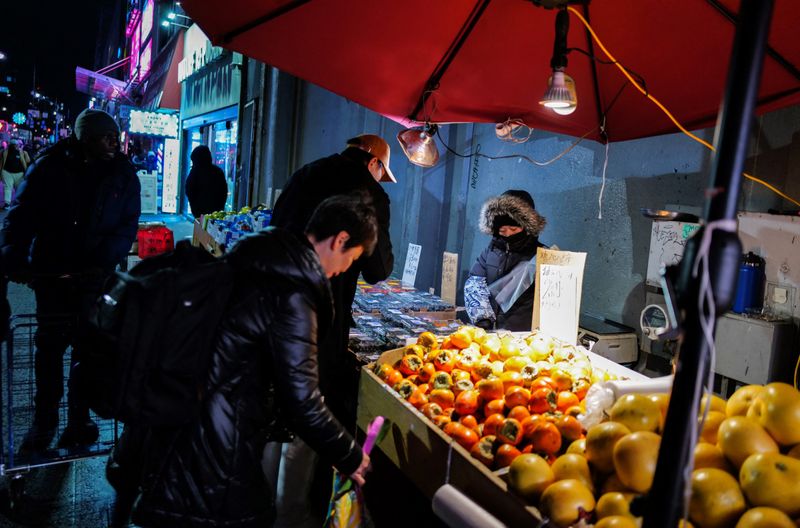
Street food can be risky when stored in a rental kitchen. Enjoy it on the spot rather than bringing it back for later.
By being mindful of these food choices, you can enjoy your vacation without the worry of foodborne illness. Always prioritize safety and make informed decisions when cooking in a rental kitchen.

Post a Comment for "Foods to Skip When Renting a Vacation Home"
Post a Comment