
ILEA Considers School Leadership Changes as Education Groups Voice Concerns
Overview of Governance Options for Indianapolis Public Schools
The Indianapolis Local Education Alliance (ILEA) is currently exploring various governance options that could significantly alter the structure of school oversight in the city. These changes have sparked concern among community groups, who fear that the power of the elected Indianapolis Public Schools (IPS) board may be diluted. The proposed options aim to address challenges related to resource sharing between district and charter schools, particularly in areas such as transportation and building usage.
The ILEA, established by state lawmakers earlier this year, does not have the authority to make policy decisions but can recommend solutions to local and state officials. The group is expected to present its recommendations during the week of December 1, though it is also possible that multiple options could be combined.
Four Proposed Governance Models
-
Option One: Maintaining the Elected IPS Board This option would keep the current elected IPS school board in place, which would serve as the charter authorizer responsible for setting policies on building usage and transportation. District and charter schools would report to the board, and denied charter applications could appeal to the mayor’s Office of Education Innovation.
-
Option Two: Collaborative Compact Advisory Board This model would introduce a “collaborative compact advisory board” composed of appointees from the mayor, charter schools, and the IPS school board. While both sectors would retain their individual school boards, they would report to the advisory board, which would act as the charter authorizer and set policy.
-
Option Three: Indianapolis Education Authority A new Indianapolis Education Authority would be created, led by a secretary of education appointed by the mayor. Under this structure, a nine-member policymaking board—also appointed by the mayor—would serve as the charter authorizer. The mayor would select four members from the current seven-member elected IPS board.
-
Option Four: Appointed IPS Board This option would replace the elected IPS board with a board of mayoral appointees. This appointed board would serve as the charter authorizer, although appeals could still be sent to the Indianapolis Charter School Board.
Community Reactions to the Options
Several community groups have expressed their views on the proposed models:
-
Central Indiana Democratic Socialists of America: This group has criticized all four options, calling for a fully elected school board to oversee both charter and district schools. They argue that this approach would ensure democratic accountability while maintaining school choice.
-
Indianapolis Education Association: The teacher’s union supports Option One, emphasizing the importance of an elected body that is accountable to the community. They warn against any attempts to outnumber elected officials, which they believe undermines public trust.
-
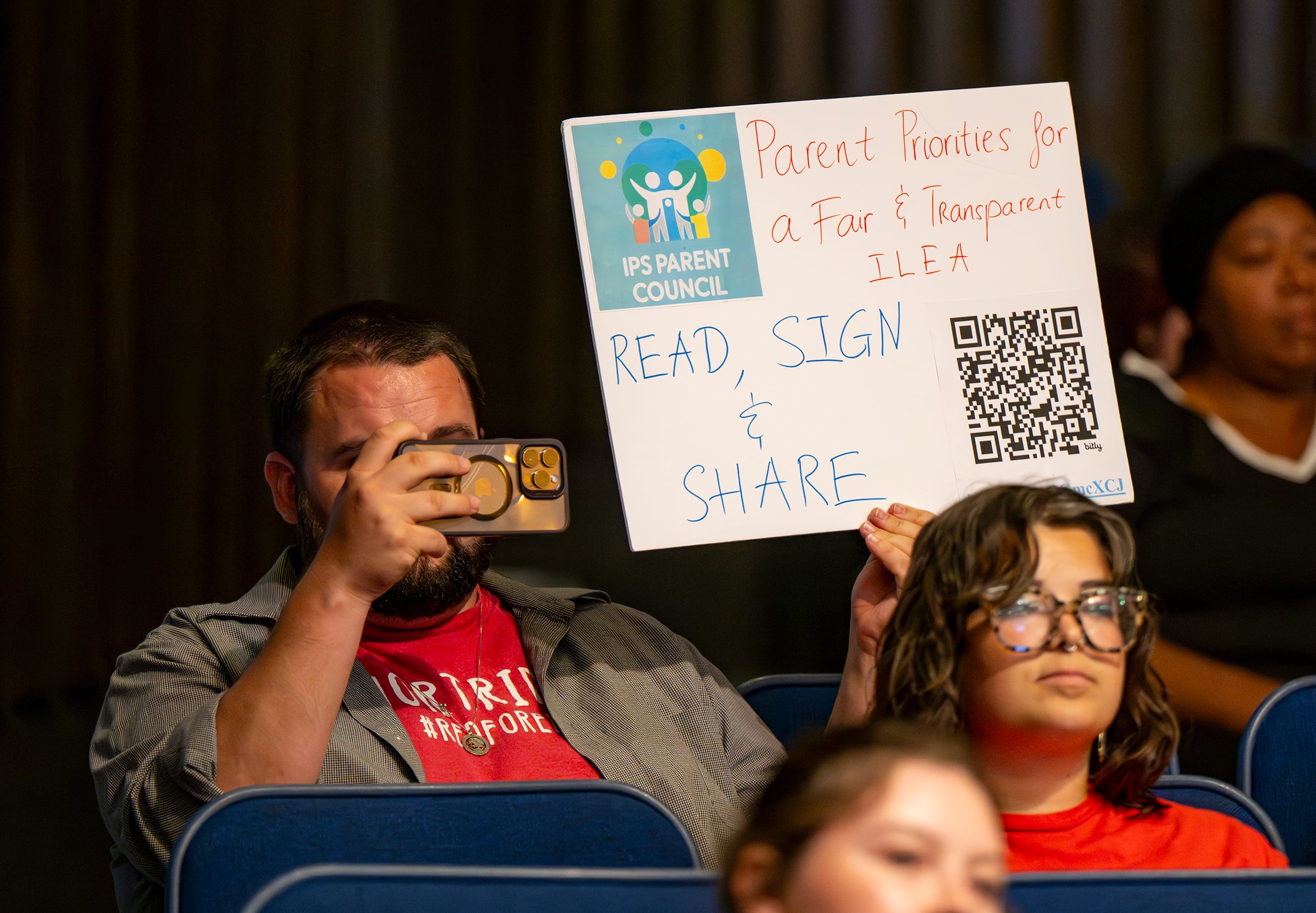
IPS Parent Council: The council, representing over 400 parents, supports only the option where IPS remains the sole charter authorizer. They circulated a letter signed by over 700 parents advocating for this model.
-
The Mind Trust: This nonprofit organization did not directly endorse any specific option but expressed support for an independent facilities and transportation authority. It also highlighted two letters from charter school leaders opposing centralized authorization.
-
RISE Indy: This group supports an elected board for academic oversight and an appointed board for facilities and transportation. They believe this balance allows for community input while ensuring necessary resources are available.
-
Stand for Children Indiana: This organization focuses on expanding high-performing charter schools and improving transportation systems. They are currently reviewing the details of the proposals and have reiterated their call for accountability across all school types.
Ongoing Legal Challenges
The IPS school board is currently dealing with a lawsuit brought by Attorney General Todd Rokita, alleging that the district hindered federal authorities in the deportation of a man whose son was an IPS student. School board president Angelia Moore stated that the board has not yet met to discuss the governance options and is focusing on responding to the legal case.
Conclusion
As the ILEA continues its deliberations, the debate over school governance in Indianapolis highlights the tension between local control, community representation, and the need for efficient resource management. The final recommendations will likely shape the future of education in the region, impacting students, parents, and educators alike.

Post a Comment for "ILEA Considers School Leadership Changes as Education Groups Voice Concerns"
Post a Comment