
Michigan's Deer Dilemma: Politics and Bad Choices Threaten Hunters
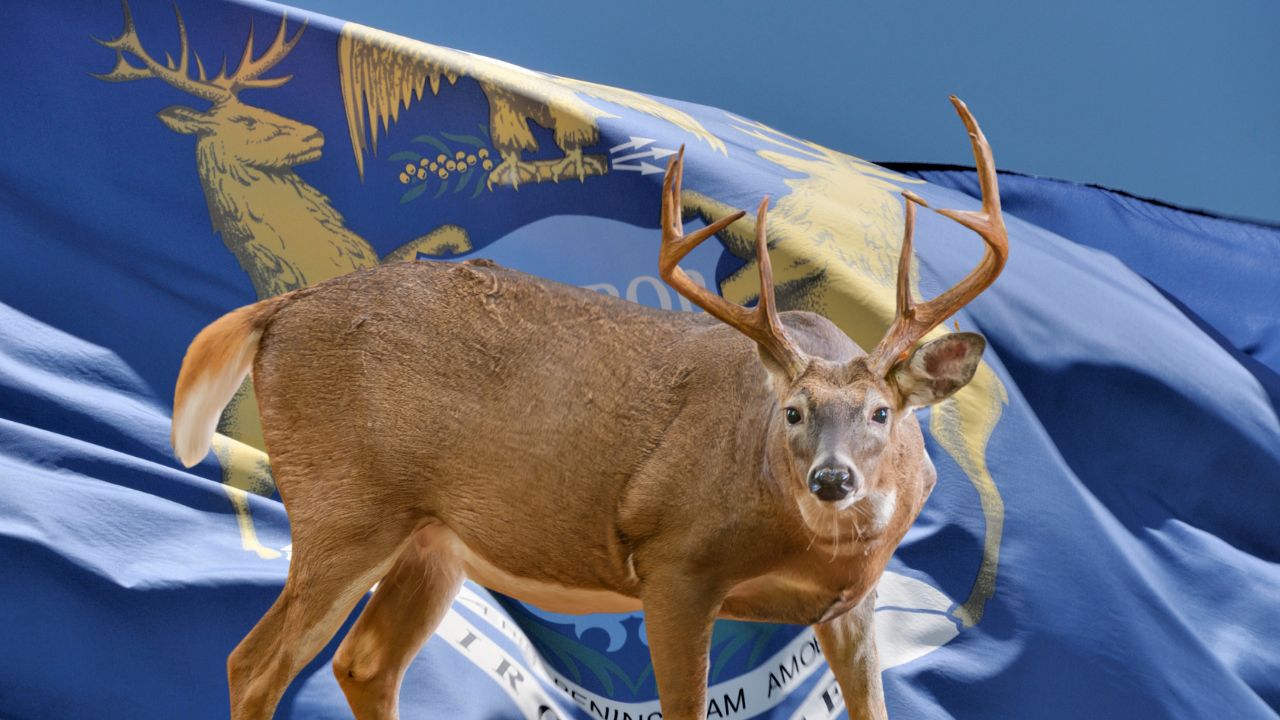
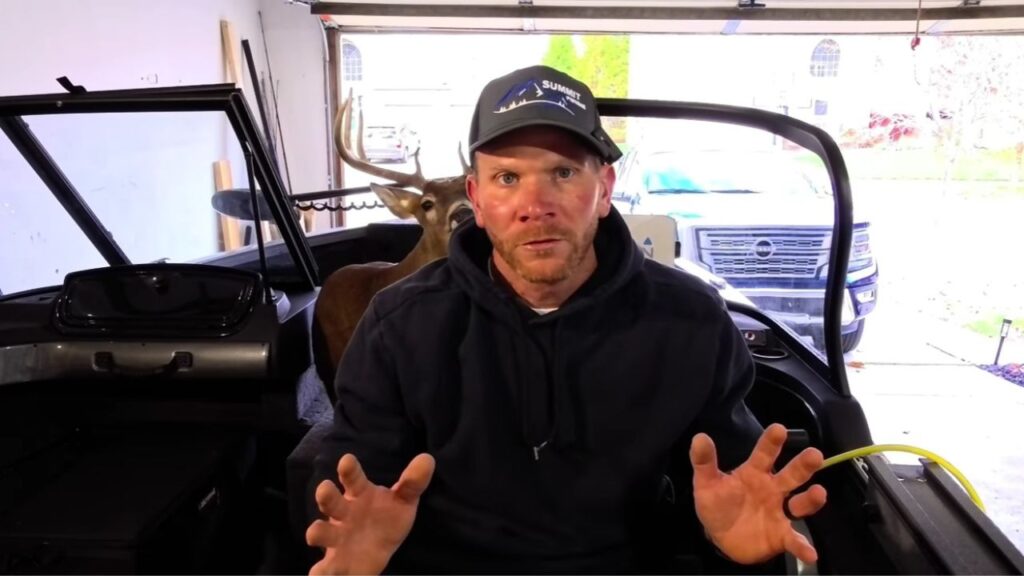
Michigan’s deer hunters aren’t just frustrated. They’re deeply concerned about the future of a tradition that has defined their lives and communities for generations. According to Lucas Pawlosky, host of The Outdoor Conquest on YouTube, this frustration is spreading across the state, from the Upper Peninsula to the southern farm country. Hunters are feeling unheard, unappreciated, and increasingly alienated by the system meant to protect the resource they cherish.
In his video “Michigan Deer Hunting is Being DESTROYED By Politics! | Who’s to Blame??” Pawlosky argues that the issues facing Michigan’s deer population go far beyond a few bad hunting seasons. He highlights a growing sense of distrust in the people responsible for managing wildlife, including the Department of Natural Resources (DNR) and the Natural Resources Commission (NRC). According to him, political decisions, confusing regulations, and a lack of transparency are turning a proud hunting tradition into a slow-motion crisis.
Hunters Say They’re Treated Like Criminals
Pawlosky notes that he received numerous comments from hunters across the state expressing their frustration. Many described feeling like suspects the moment a DNR officer approached them. One viewer even compared hunting in Michigan to needing a lawyer with you, due to the constant changes in rules that make it easy to accidentally break them.
While Pawlosky acknowledges the importance of law enforcement in protecting wildlife, he believes the culture has shifted from partnership to harassment. This shift has driven some hunters away from the sport entirely. Once hunters start seeing game wardens as enemies rather than allies, it becomes much harder to manage wildlife effectively with broad public support.
The Real Power: NRC, Not Just DNR
Even with all the frustration, Pawlosky argues that the DNR isn’t the main villain. Instead, he points to the Natural Resources Commission (NRC), a seven-member public commission appointed by the governor. Currently, these appointments trace back to Governor Gretchen Whitmer and previous administrations. According to Pawlosky, the NRC sets the policies that determine hunting, fishing, and trapping rules.
The DNR, in his view, is the enforcement arm that carries out whatever the NRC decides. While the DNR can overstep in the field, it’s the NRC that ultimately approves things like bait bans, tag structures, and regulation changes. Pawlosky encourages hunters to attend NRC meetings and speak up, as they are public and held monthly.
He also suggests that anyone could potentially be appointed to the NRC if a future governor chooses them. This idea, while unconventional, offers a constructive path forward for hunters who want to influence policy directly.
A Deer Herd Under Pressure Across The State
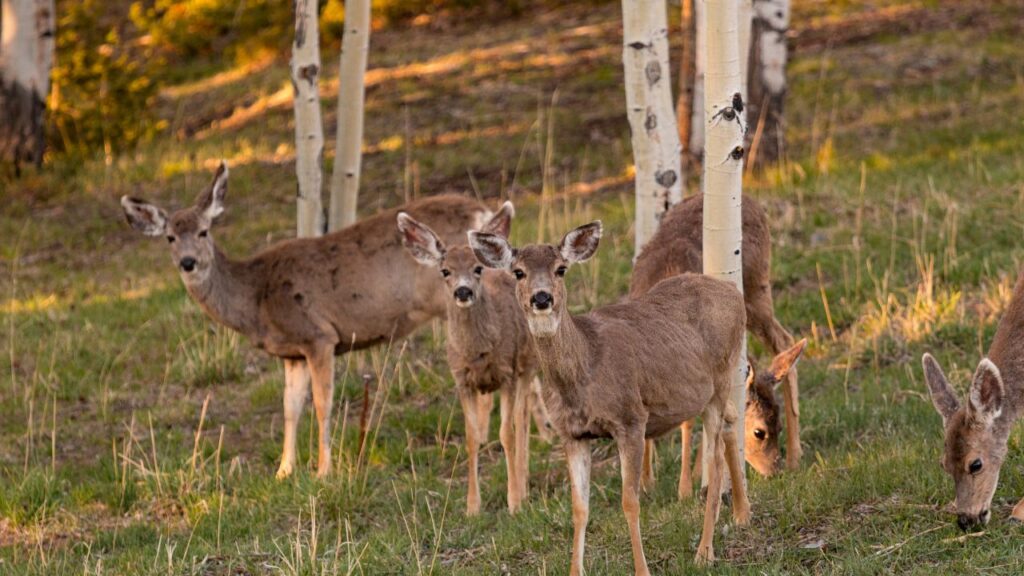
When discussing the deer themselves, Pawlosky’s tone becomes more serious. He notes that hunters across the state report different pressures on the deer herd depending on where they live. In the Upper Peninsula, many hunters say the whitetail population is nearly extinct in some areas. He attributes this to harsh winters and a strong wolf population.
In the southwest Lower Peninsula, the disease EHD has severely impacted the herd. Hunters there still see a few deer each night but refuse to shoot because they know how many animals have already been lost to the disease. According to Pawlosky, these observations don’t match the message coming from management. The DNR is encouraging hunters to shoot more does to balance the herd, but many are ignoring this advice based on their own experiences.
This disconnect between policy and reality is a recurring theme in Pawlosky’s video. Once trust is broken, it’s hard to rebuild it through reports or surveys alone.
Less Access, Higher Costs, And Fewer Hunters
Pawlosky also discusses the issue of access and cost. He claims that the DNR has been selling off public acres that were once available to both residents and nonresidents. These parcels provided room for regular hunters, and their loss only increases pressure on remaining areas.
On the private land side, he describes a landscape where wealthy individuals are leasing large tracts of farmland. He mentions places he used to hunt that are now locked up by outside groups with significant financial resources. Some landowners don’t lease their land at all, yet they use crop damage permits to shoot deer themselves.
This combination of fewer public acres and more leased private land makes it harder for everyday hunters to find good spots, especially those with limited time. Then there’s the cost factor. Pawlosky acknowledges that hunters debate whether a $5 tag increase is significant, but he argues that the real issue is the total cost of hunting.
From tags to vehicles, bows, arrows, fuel, stands, clothing, and time off work, every arrow shot represents a real investment. This economic reality, combined with lower deer numbers and access problems, helps explain why both the herd and the hunter base are shrinking.
The Baiting Ban And A Fight Over “Science”
One of the most controversial topics in Pawlosky’s video is baiting. He reminds viewers that baiting is banned in the Lower Peninsula but allowed in the UP. He openly criticizes this policy, calling it illogical. Pawlosky grew up legally baiting deer and recalls the thrill of watching deer come to a pile and harvesting dozens of deer over bait.
More importantly, he argues that baiting is a powerful tool for getting kids and new hunters into the sport. If you can put a young hunter over a bait site and almost guarantee they’ll see deer, you dramatically increase the odds they’ll want to come back.
The state’s rationale for banning baiting is that it spreads chronic wasting disease (CWD). Pawlosky rejects this explanation, noting that deer naturally swap spit on natural food sources. He cites Ted Nugent’s line about apples falling under a tree, arguing that moving those apples 50 or 100 yards to your stand somehow turns them into a disease risk when they weren’t before.
To him, this is regulatory nonsense. He also points out that gas stations across Michigan still sell bags of corn, carrots, and sugar beets by the pallet. If baiting is so dangerous, he asks, why are these products still available during deer season?
Pawlosky calls for baiting to be fully reinstated in the Lower Peninsula without any special bait permit fees. He believes this would help hunters take more does, manage local herds more effectively, and make the season more enjoyable for people with limited time.
Saving Michigan’s Deer Tradition Means Fixing The System
Despite all the criticism, Pawlosky ends his video on a hopeful note. He encourages viewers to head to deer camp, throw on the blaze orange, and enjoy Michigan’s firearm opener, whether they tag a buck or not. For him, the heart of this whole fight is the tradition itself – friends at camp, stories around the fire, and putting venison on the table.
He urges hunters not to obsess over antler size or what the neighbor thinks, but to remember why they started hunting in the first place. At the same time, he clearly believes change has to happen at the political level. He pushes hunters to show up at NRC meetings, send emails, and, if they’re serious enough, even pursue a commission seat themselves.
In his view, the system has drifted away from real-world hunters and toward appointees and agendas that don’t pay the same price when things go wrong. From the way he tells it, Michigan doesn’t just have a deer problem. It has a leadership problem, a trust problem, and an access problem – all converging at once.
If people like Pawlosky are right, fixing the herd won’t just be about counting deer or tweaking tag numbers. It will mean putting hunters back at the center of the conversation, instead of treating them like an afterthought in their own woods.


Post a Comment for "Michigan's Deer Dilemma: Politics and Bad Choices Threaten Hunters"
Post a Comment