
Never Use These Horrible Things to Fix a Noisy Engine Belt
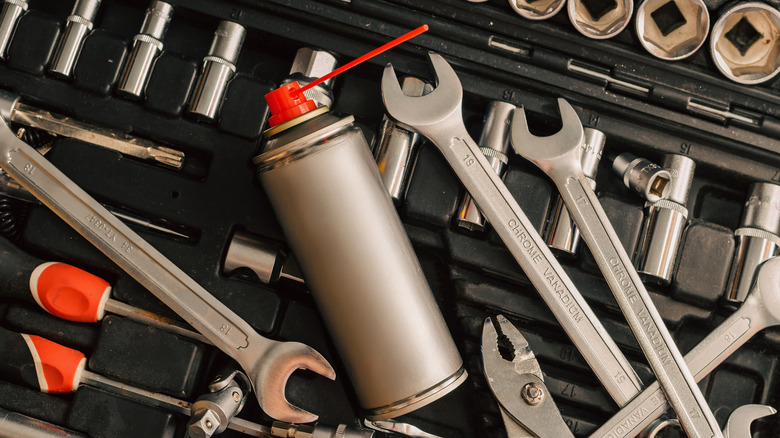
There's something undeniably satisfying about being the go-to expert in the garage. When you hear a squeal under the hood, and your friends start throwing around terms like "recommended maintenance intervals" or "properly addressing underlying problems," you know better. After all, who really cares why your belt is making noise when there are quick fixes like using a can of belt dressing spray or other unconventional solutions that some people swear by? But here's the thing: belt dressing is more like salad dressing than automotive fix-it-all. And as we discovered while diving into car forums, many of these alternative solutions are just as bad as they sound.
So let's take a closer look at some of the worst automotive instincts when it comes to silencing a noisy belt, and then explore what you should actually do instead.
Why the Noise Happens (and Why You Should Care)

It might be tempting to think that the noise itself is the issue, but in reality, it's just a symptom of a deeper problem. A squealing or chirping engine belt often indicates misalignment, worn pulleys, a weak tensioner, or contamination. Covering up the sound with a spray or cranking up the volume on your music won't solve the real issue and could even make things worse. While turning up the stereo might not cause any harm, it definitely doesn't address the root of the problem. It's like using an oil change reminder sticker to cover up a check engine light — it's just hiding the issue, not fixing it. And remember, those sounds could be a sign that your water pump is failing. Considering how serious that could be, taking the time to figure out what's going on is definitely worth the effort.
The Old Fix: Just Spray It
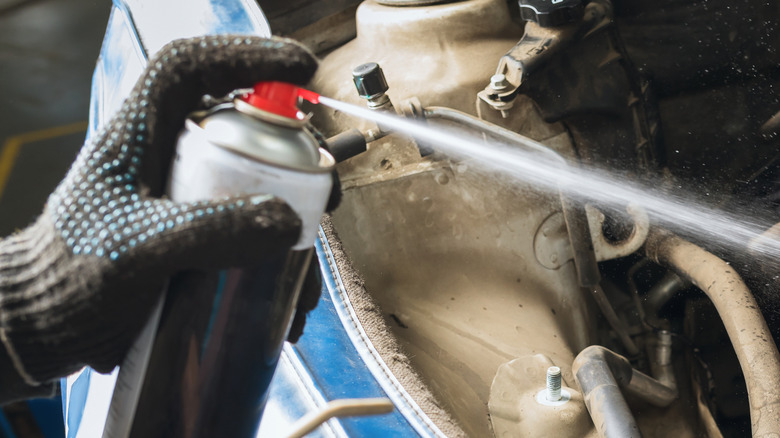
To be fair, the idea of just spraying some belt dressing and moving on wasn't completely off-base. In the past, old V-belts would sometimes become noisy, and a quick spray was actually a good solution. So when a seasoned mechanic or a young apprentice suggests using some spray, it's at least partially based on experience. However, they might not want to hear you talk about EPDM synthetic rubbers and how they're designed for dry operation under proper tension. In that case, it's probably best to nod and shift the conversation to something else, like the virtues of Sea Foam.
How Modern Belts Are Different

Even though older mechanics may not want to hear about EPDM, it's important to understand what it is. EPDM stands for Ethylene Propylene Diene Monomer, a type of synthetic rubber. These modern materials have made belts more durable and resistant to heat and deterioration. Unlike their predecessors, which were more prone to cracking and snapping, EPDM belts wear down gradually, giving you a chance to notice issues before they become major problems. They can last up to 100,000 miles or more, provided you don't compromise their integrity with silly fixes. Oh, and speaking of that...
Weird DIY Fixes (And Why You Shouldn't)

While it's understandable why some people reach for spray bottles, there are plenty of other "life hack" solutions floating around that are definitely not recommended. For every forum thread asking "How do I fix a squeaky belt??" there are a few questionable suggestions. Here are a few examples:
- RTV Sealant: This is meant for sealing oil pans and timing covers, not for belts. Using it can gum up pulleys and ruin the belt.
- Brake Fluid: Designed for braking systems, this isn't meant for belts. Smearing it on could cause more harm than good.
- Zip-Ties: While they can temporarily hold things together, they aren't a long-term solution for a weak tensioner arm.
- Sandpaper: Intentionally damaging parts that spin at high speeds is never a good idea.
These methods are all trying to be too clever for their own good. It's better to stick to simple, reliable maintenance rather than risky fixes.
Less Weird DIY Fixes (And Why You Still Shouldn't)

Not all misguided repairs involve zip ties or creative techniques. Some approaches seem more grounded, but still aren't advisable:
- Belt Dressing Sprays: These were meant for old neoprene V-belts, not modern EPDM serpentine belts. They can attract grit and accelerate wear.
- Lubricants: WD-40 and similar products can create instant quiet but introduce slippiness that worsens the problem.
- Wax or Bar Soap Rubs: While they may feel more sophisticated, they can melt and smear across pulleys, changing frictional characteristics and collecting grime.
In short, anything that changes the surface of the belt or pulley without addressing the underlying issue is a bad idea.
Why That Trusty Spray Often Makes Things Worse

Belt dressings or lubricants can cause swelling, glazing, and attract grit, leading to more slip and noise. Major parts suppliers warn against them, and it's not just because of some hidden agenda. Even if you're proud of your minimal car maintenance approach, it's better to prioritize reliability. Instead of masking the problem, focus on identifying and fixing the real issue.
Diagnosing the Root Cause
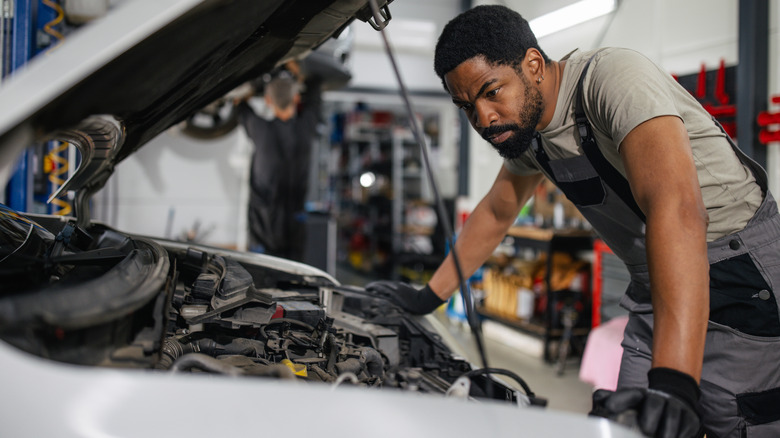
If your belt is making noise, there's a reason for it. It's not just a matter of finding the right internet remedy involving vise-grips or strange mixtures. Start by checking the belt's condition. Look for cracks, shiny glazing, or missing ribs. If the belt seems okay, inspect the tensioner for wobbling or roughness. Pulley alignment can also be a culprit. None of these issues are easily fixed with creative use of fluids.
When It's Time to Replace or Rebuild, Not Mask

There's a fine line between "just a squeak" and "hey, is that smoke?" — and you usually find it two days after deciding to ignore the problem. If your belt ribs are swollen, your tensioner bearings feel gritty, or one of your pulleys wobbles, that noise was trying to tell you something. Masking the sound with spray or other unconventional fixes doesn't just avoid the issue; it can actively accelerate failure by trapping heat, accumulating grit, and weakening the belt's compound. Whether you do the work yourself or seek professional help, addressing the issue is the smart move.
What to Use Instead of the Spray Can

More often than not, the solution to a noisy belt isn't found on the shelf at the auto parts store. It's more likely behind the counter, where professionals can diagnose and fix the real issue. The correct fix is usually simple: replace what's worn, clean what's dirty, and don't improvise. If you get lucky, you might not need to replace the belt at all. But if you do, make sure to use an OEM-spec belt, keep pulley surfaces oil-free, and check the tensioner and idler bearings for roughness or play. If there's any sign of fluid contamination, fix the leak before installing the new belt. Once you've built some confidence in working with serpentine belts, you can add this to your list of regular maintenance checks. Nothing feels quite as satisfying as popping the hood, seeing everything spin in perfect silence, and knowing you fixed the real problem instead of creating a new one.

Post a Comment for "Never Use These Horrible Things to Fix a Noisy Engine Belt"
Post a Comment