
Nostalgic Views of America's Lost Mall Era
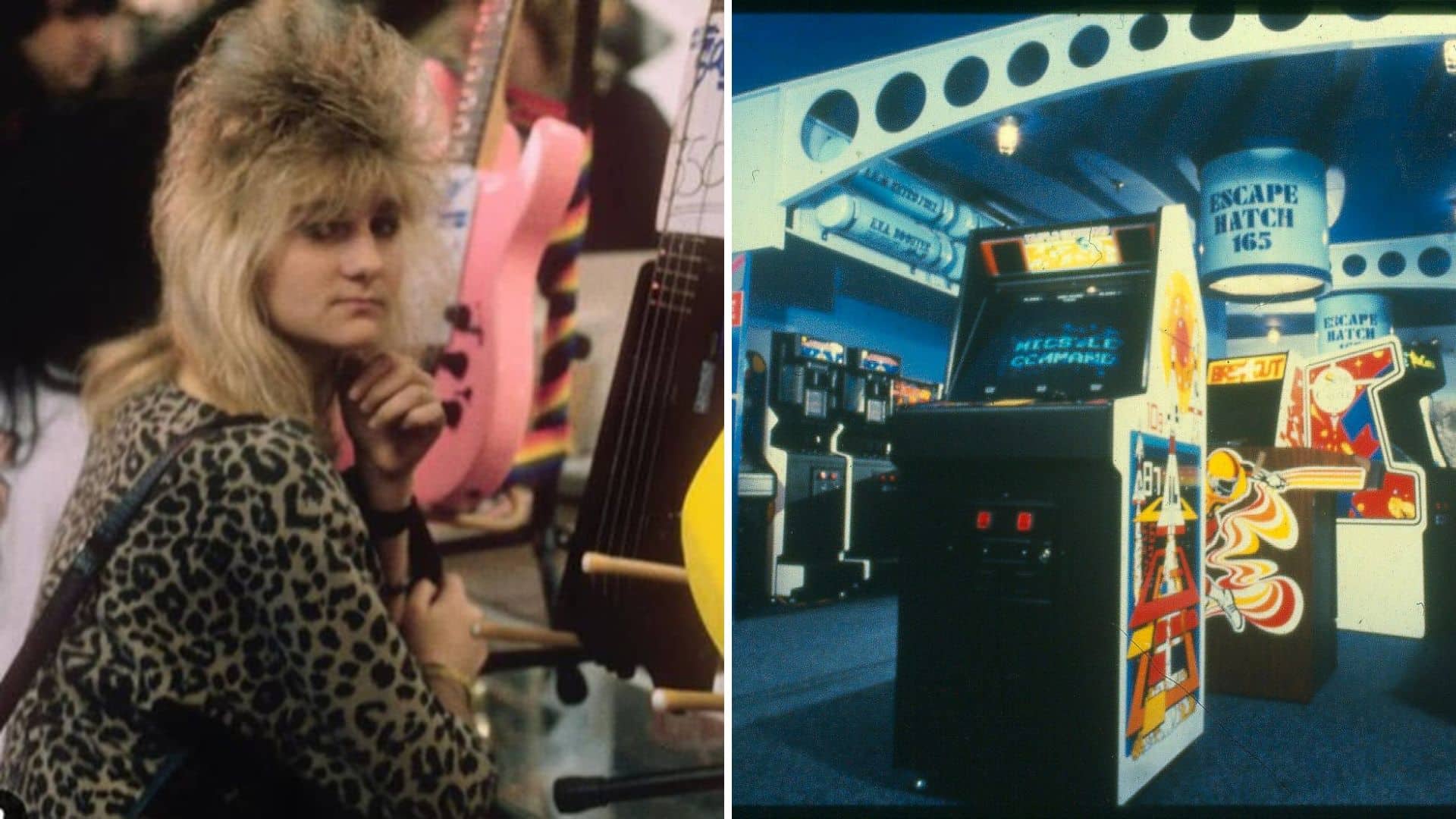
Before the rise of online shopping, malls were the heart of social life in America. Beyond stores and sales, they were places to hang out, grab a bite, catch a movie, or discover the latest trends. From arcades to carousels, food courts to fashion shows, malls offered experiences you couldn’t get anywhere else. This listicle goes through a series of vintage photos from America’s forgotten mall culture, showing what made these spaces so much more than just a place to shop.
The first indoor malls were a novelty
In the 1950s, indoor malls started popping up as new social spaces. Families would stroll through air-conditioned halls, shop, and enjoy casual meals in ways that felt modern and exciting for the time.
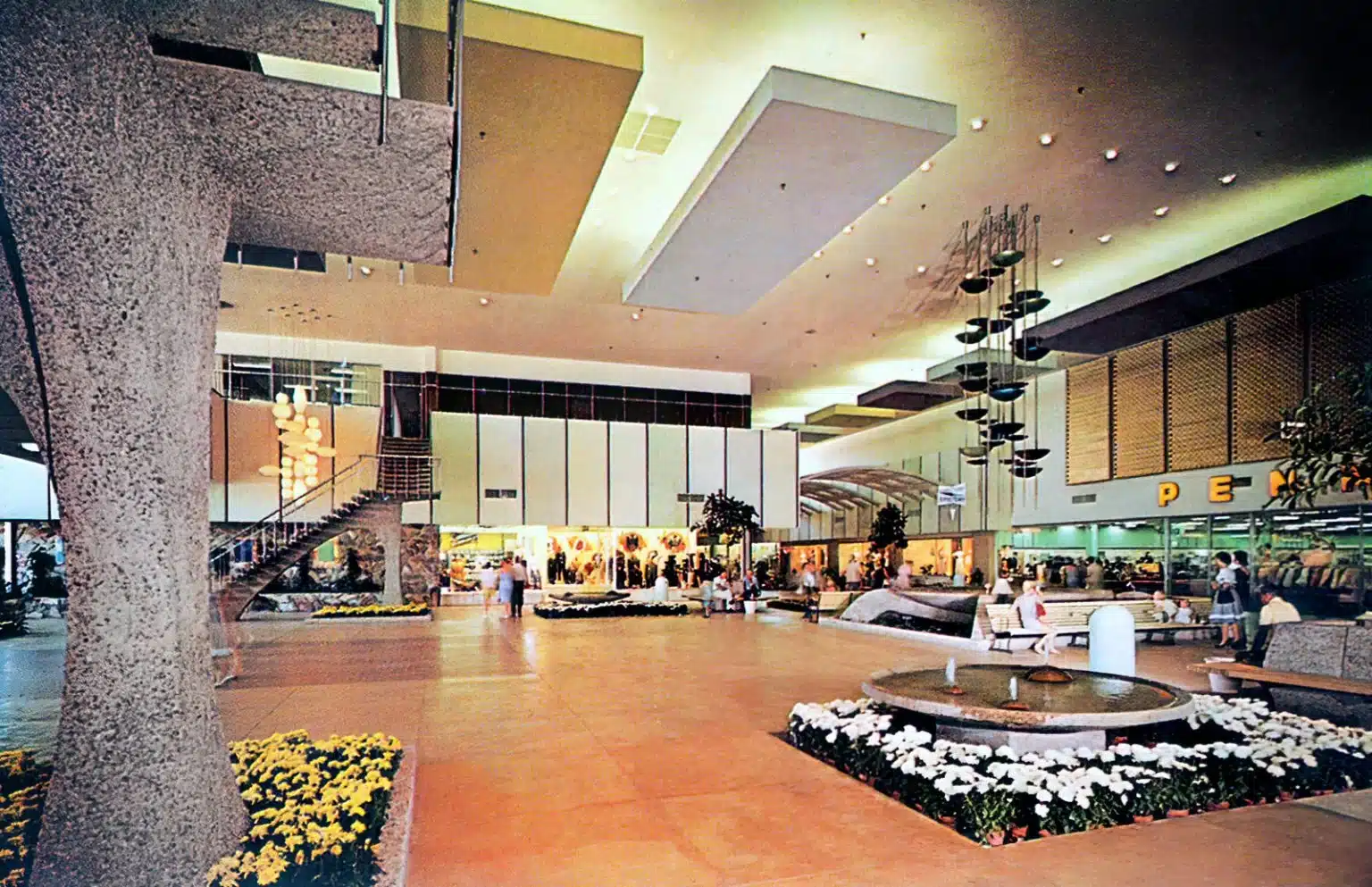
Malls became more than shopping centers. They served as weekend hangouts for teens, a safe place for kids to explore, and a hub where the latest fashions, music, and snacks all came together under one roof.
The food court revolution
Malls were home to the birth of food courts. Before malls, fast food chains were standalone restaurants, but the centralized court made it easy to pick a meal and still keep browsing stores. It also gave teens independence. Many would meet friends, eat inexpensive meals, and hang out without parental supervision. Food courts became social hotspots just as much as places to grab a burger.
Arcade culture thrived
Video arcades inside malls were a huge draw in the 1980s. Teens could spend hours playing pinball, racing games, and early video consoles without leaving the mall.
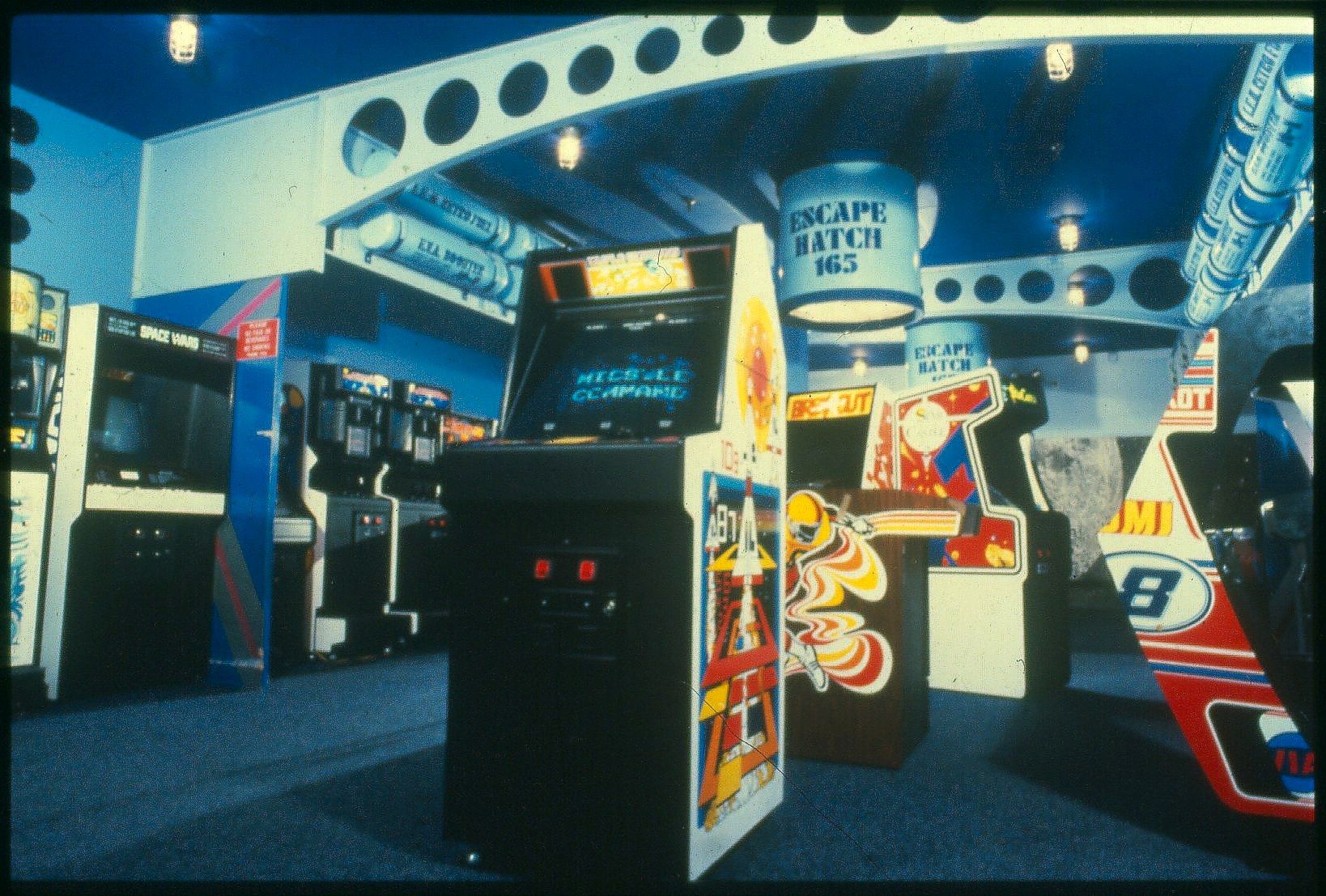
These arcades were safe spaces for kids to socialize and compete. High scores and small prizes created a sense of achievement that kept players coming back regularly.
Anchor stores dominated the scene
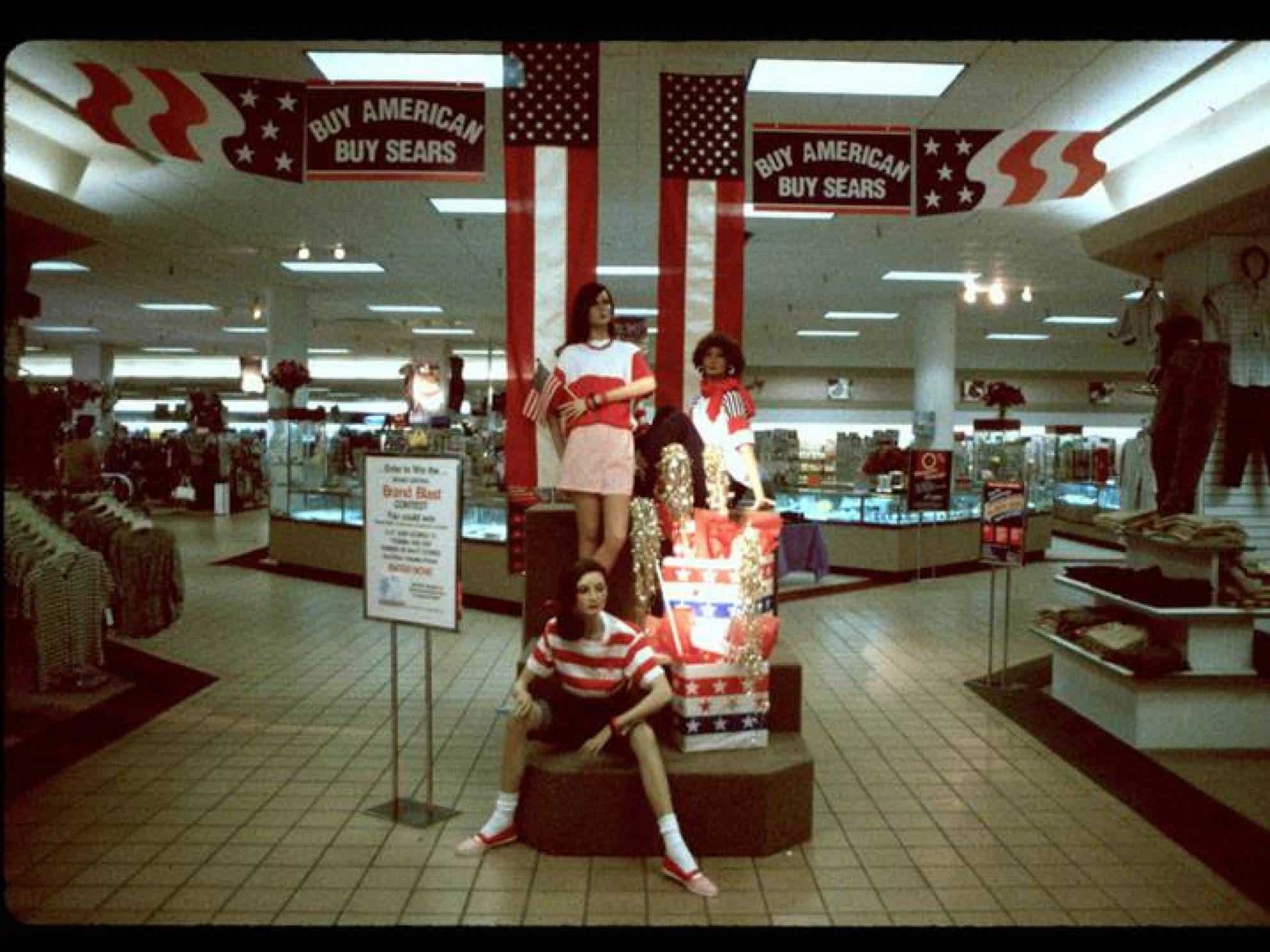
Big department stores like Sears, JCPenney, and Macy’s anchored malls. Their presence brought in shoppers, and smaller stores thrived nearby because of the traffic. These anchors often shaped the entire mall layout. From fashion to household goods, these stores set the trends and made malls a one-stop shopping experience for families.
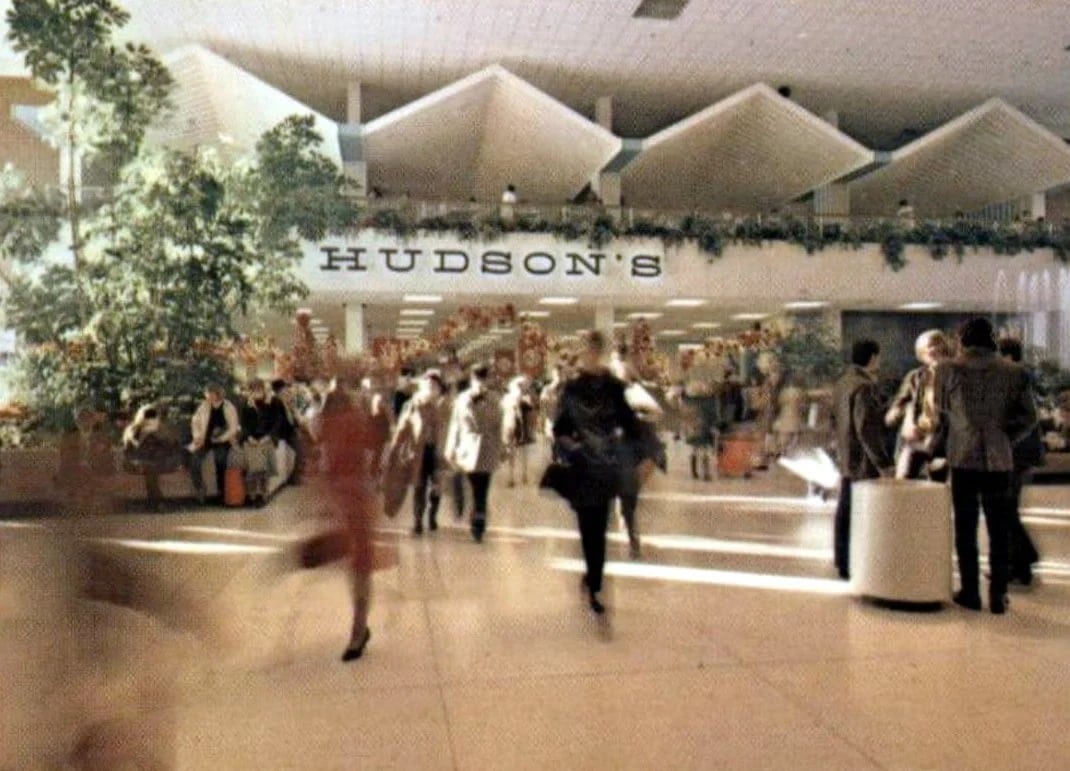
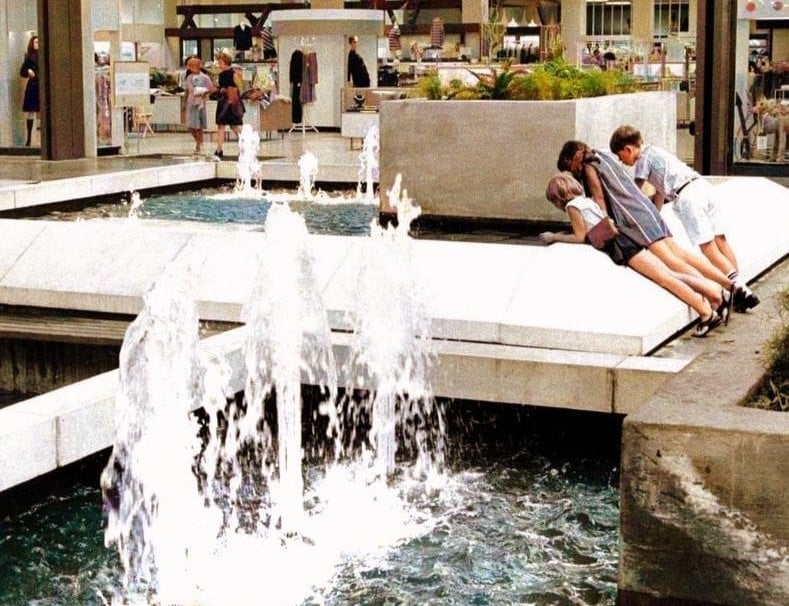
Carousel and fountain attractions
Many malls had decorative features like fountains or carousels. They made shopping trips feel like an experience rather than just errands. Parents could sit and relax while the kids were entertained. These touches turned malls into memorable destinations that people associated with fun outings, not just retail.
The rise of teen culture
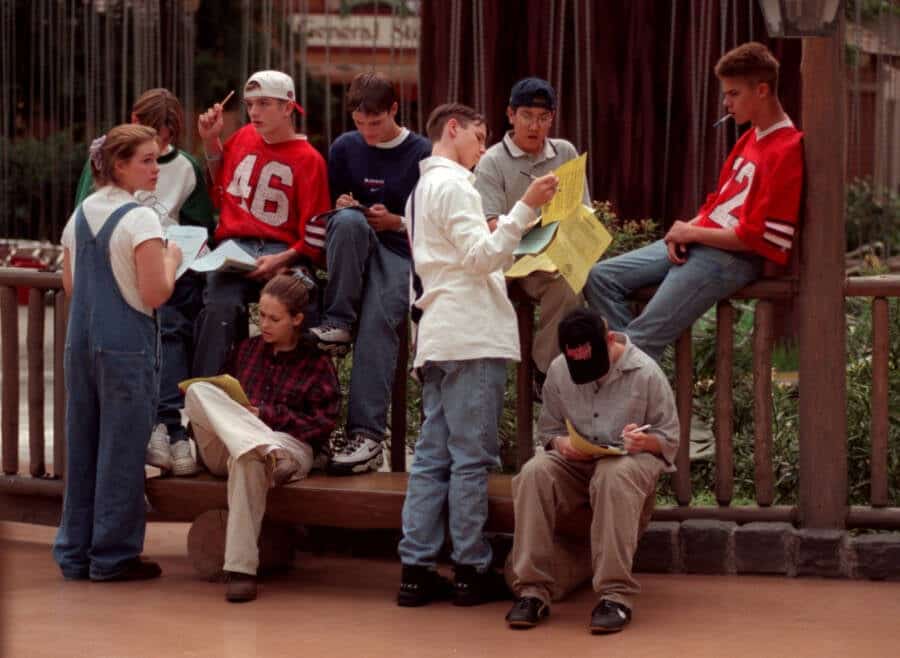
Malls became the unofficial hangouts for teenagers. Stores, arcades, and food courts gave them independence and spaces to gather with friends after school. Mall culture helped define teen identity in the ’80s and ’90s. Fashion trends, music, and pop culture all intersected there, making it a key place for youth social life.
Catalog and specialty stores
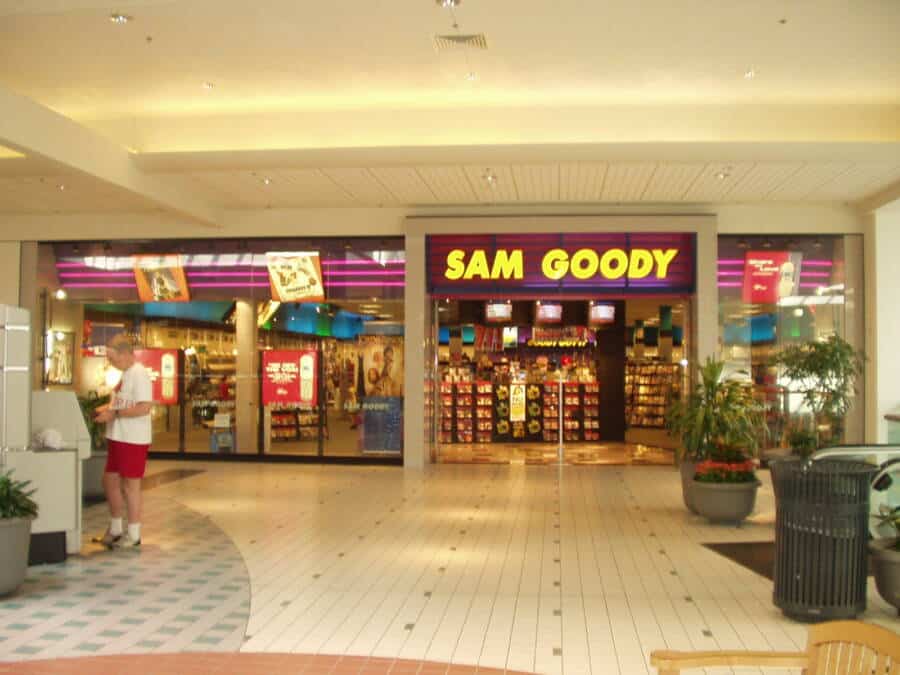
Before online shopping, specialty stores and catalog counters in malls offered items people could not find elsewhere. These shops became tiny treasure troves of novelty products. People loved browsing through stores selling unique gifts, gadgets, and clothes. The limited availability made mall shopping feel exciting and encouraged repeat visits to see new stock.
The department store lunch counter
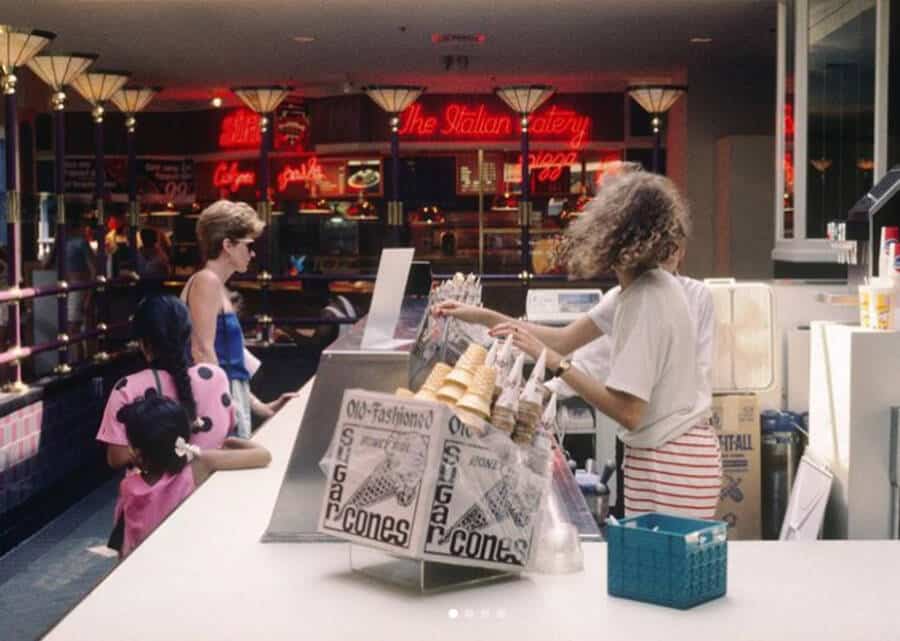
Lunch counters inside department stores were popular in the 1960s and 70s. They served sandwiches, milkshakes, and coffee, offering a casual dining spot within the store. These counters became social hubs. Shoppers and workers alike stopped for a break, chatting with friends and making the mall experience more leisurely rather than purely transactional.
Drive-in parking convenience
Malls were designed with massive parking lots so families could arrive easily. Driving to the mall became part of the experience, offering convenience and freedom. The design reflected car culture in America. Families could park close to entrances, unload purchases easily, and enjoy the independence of driving to a central shopping hub.
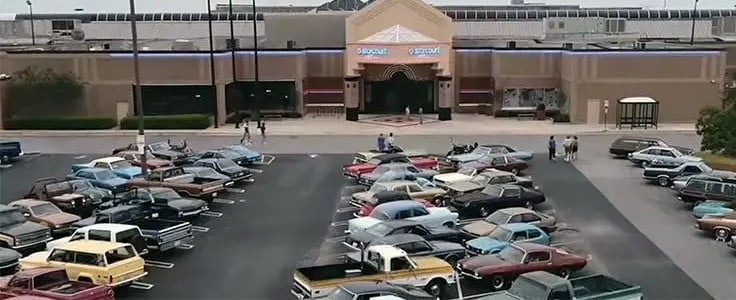
Promotional events and giveaways
Malls often hosted contests, holiday events, and product giveaways. Shoppers could attend free performances, meet mascots, or win prizes from local stores. These promotions kept people coming back. They created excitement and encouraged communities to view malls as entertainment destinations, not just places to buy clothes and household goods.
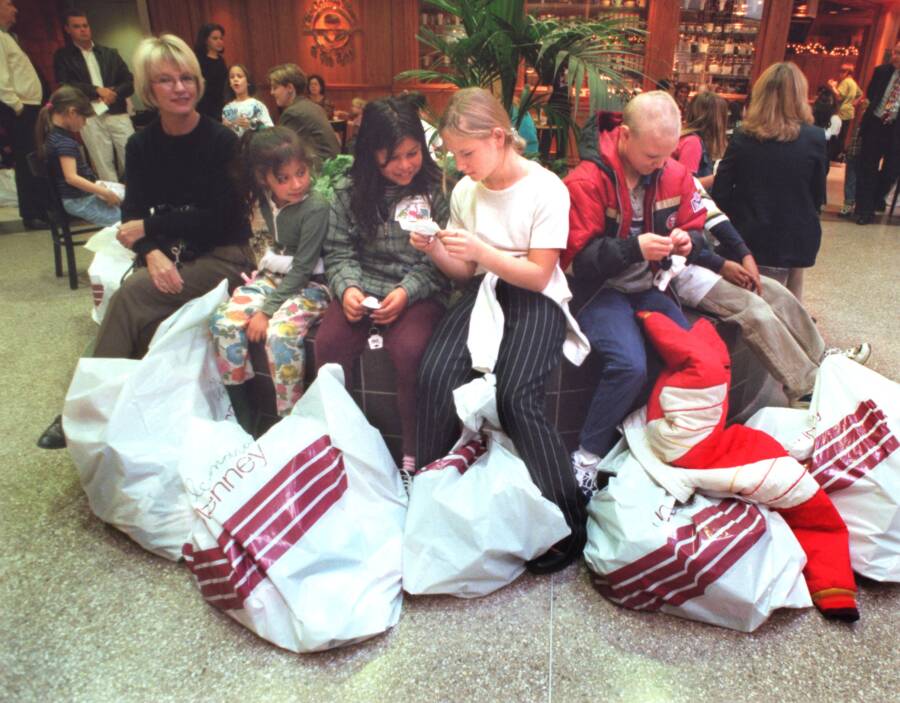
Seasonal décor and displays
Holiday decorations in malls were major attractions. Christmas lights, Easter displays, and summer themes added excitement to shopping trips and made visits feel festive. These seasonal setups encouraged family outings. Parents, kids, and teens often took photos and made memories around the displays, associating malls with celebrations and community spirit.
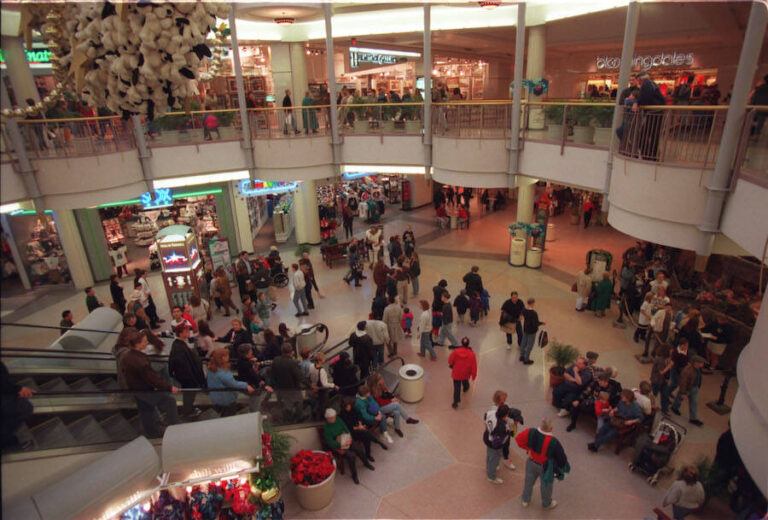
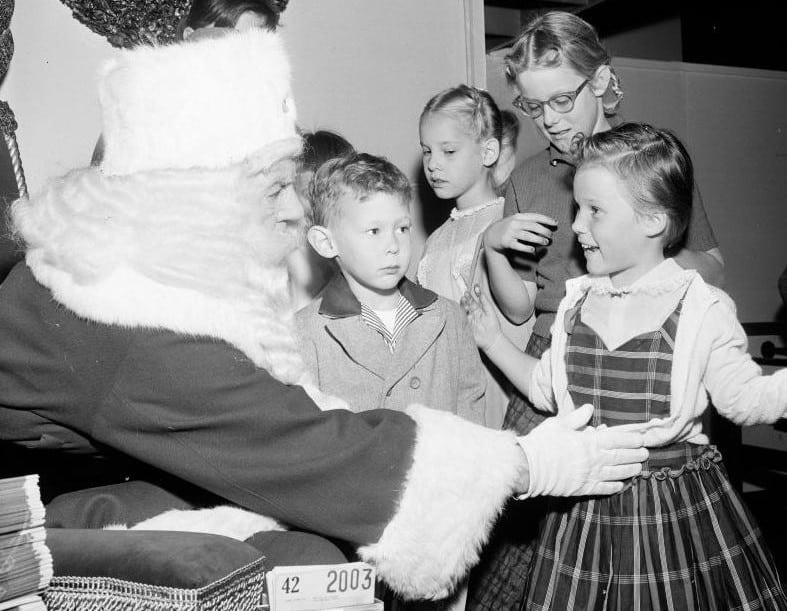
Mall Santas became iconic
Holiday seasons brought Santa Claus to malls, and kids lined up for photos and wish lists. The tradition became an annual ritual for families. These Santas created lasting memories. The mall experience combined shopping and celebration, turning what could be a chore into a fun and communal activity for children.
The rise of small boutique chains
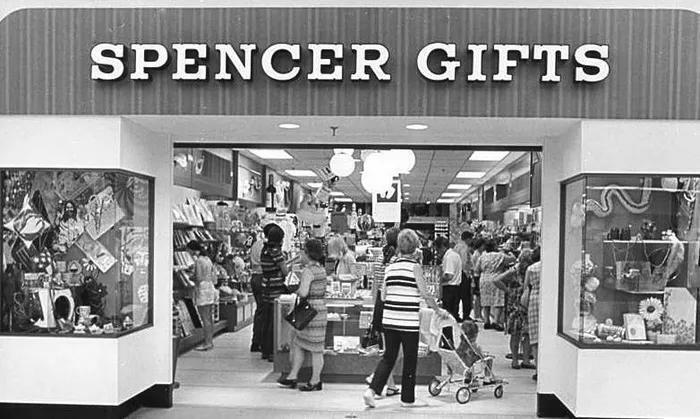
Many small brands used malls to reach new customers. Stores like Spencer’s Gifts and Limited Too became household names thanks to their mall locations. These chains were able to experiment with merchandise, layout, and promotions. They added variety to the shopping experience, giving visitors reasons to explore beyond the anchor stores.
Mall radio and music trends
Music played over mall speakers was carefully chosen to attract shoppers. Pop hits, easy listening, and seasonal songs became the unofficial soundtrack of mall life. For teens, hearing the latest music while shopping reinforced trends and created shared experiences. Mall playlists influenced tastes and made the environment lively and engaging.
Indoor playgrounds and kid zones
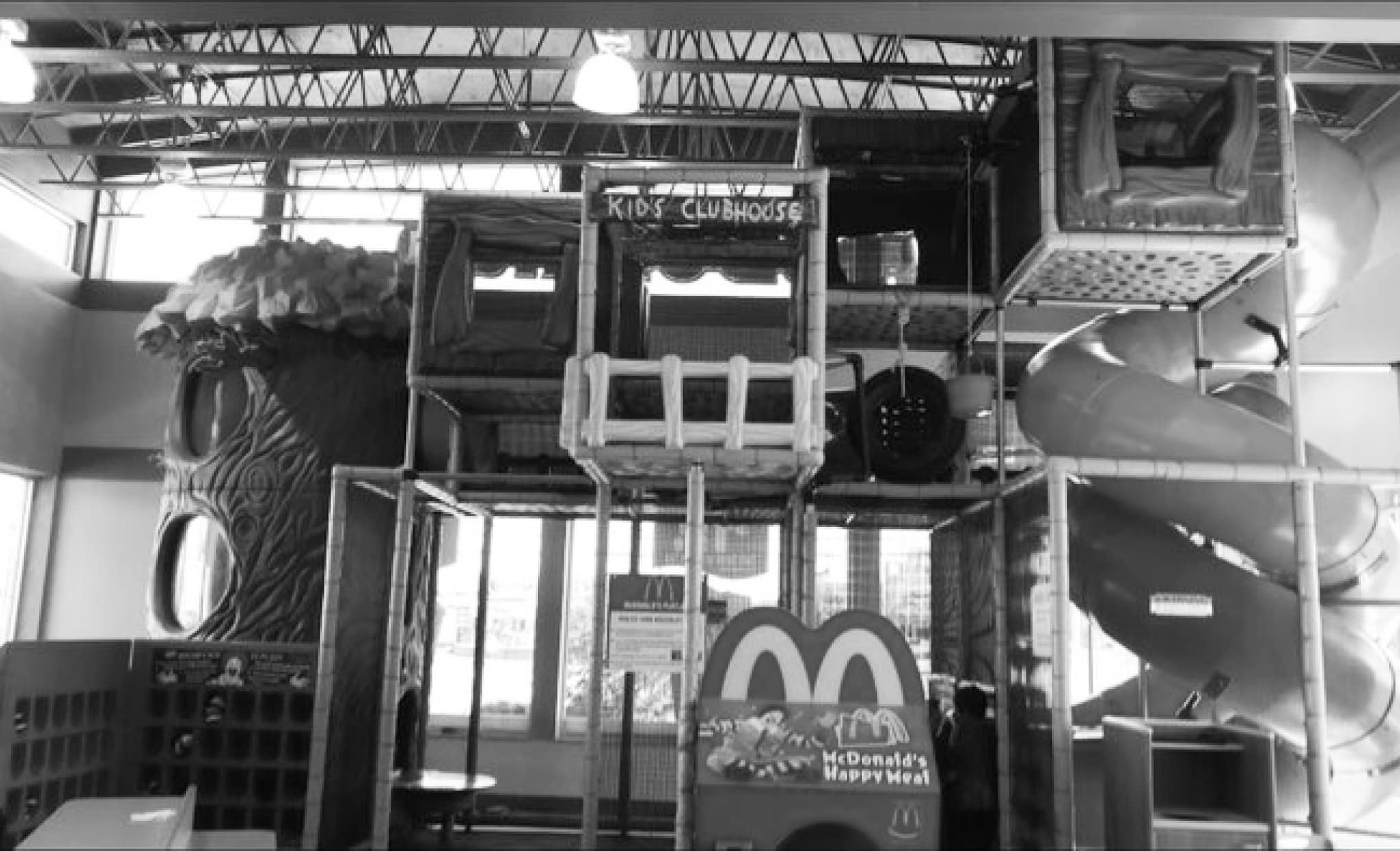
Some malls featured indoor playgrounds where children could play safely while parents shopped. These areas were especially popular for younger families. These spaces made shopping trips easier for parents and enjoyable for kids. They combined entertainment with convenience, making malls a family-friendly destination rather than just a commercial space.
Free samples and tasting stations
Food and product sampling were common. Shoppers could try snacks, perfumes, or small gadgets before buying. Sampling created excitement and encouraged impulse purchases. It also made malls feel interactive, allowing people to discover new products and enjoy experiences beyond traditional shopping.
Movie theaters as mall anchors
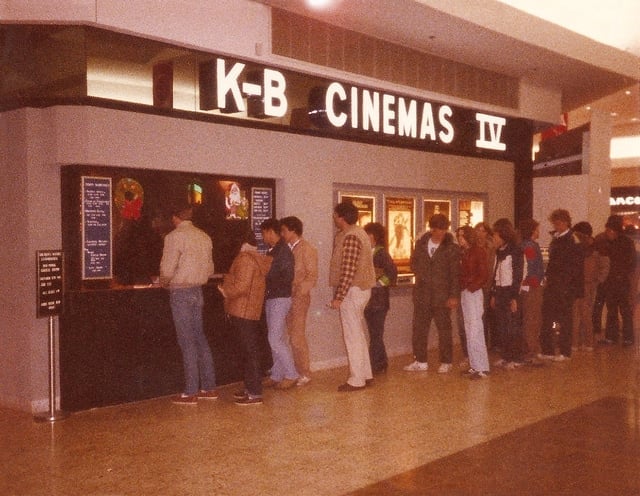
Many malls included cinemas, often showing new releases or smaller indie films. The theaters added entertainment that complemented retail spaces. Moviegoers would shop before or after films, extending their stay in the mall. This combination of shopping and entertainment reinforced the mall as a multi-purpose social hub.
The mall as a dating spot
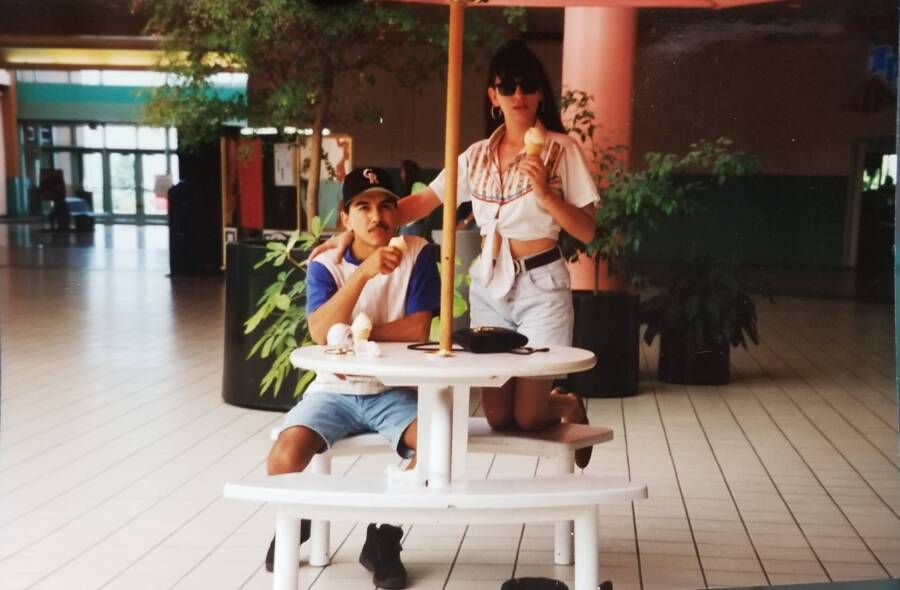
Teenagers frequently chose malls for first dates or casual meetups. Food courts, arcades, and benches offered private and public spaces for socializing. The environment was casual and safe, allowing teens to explore social relationships while still being in a public space. It shaped dating culture for a generation.
Catalog orders and mail-in deals
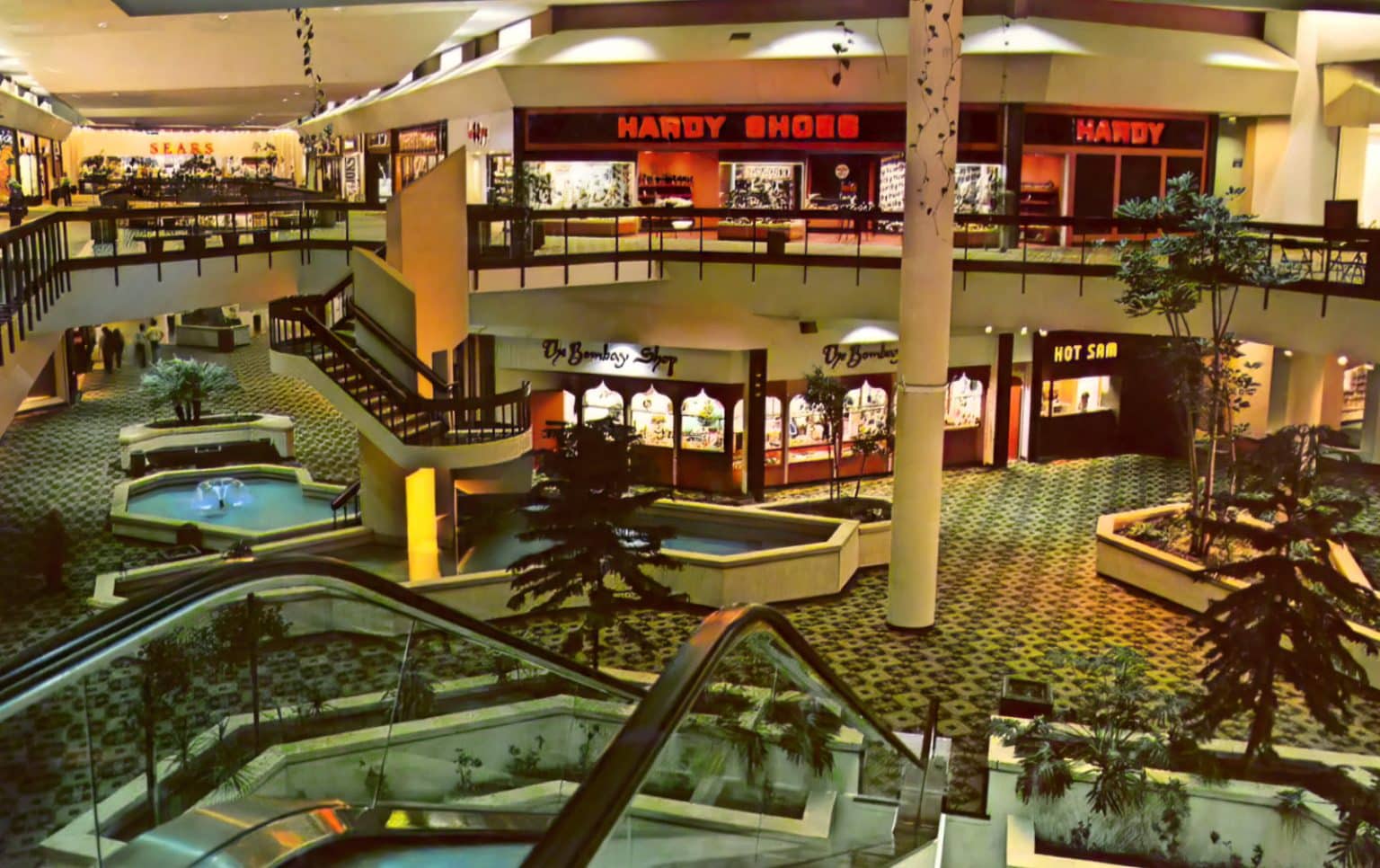
Malls often had catalogs or in-store promotions that allowed shoppers to place mail orders. People could buy items not physically stocked, bridging local retail with broader shopping trends. These systems made malls feel modern and efficient. Shoppers could access products from far away while still enjoying the in-person experience of browsing and picking up orders.
Fashion shows in the mall
Some malls hosted mini fashion shows to showcase seasonal clothing. These events drew crowds and highlighted new trends in an interactive setting. Fashion shows gave shoppers style inspiration. They made visiting the mall an experience, providing entertainment alongside practical shopping and reinforcing the mall as a trend-focused community space.
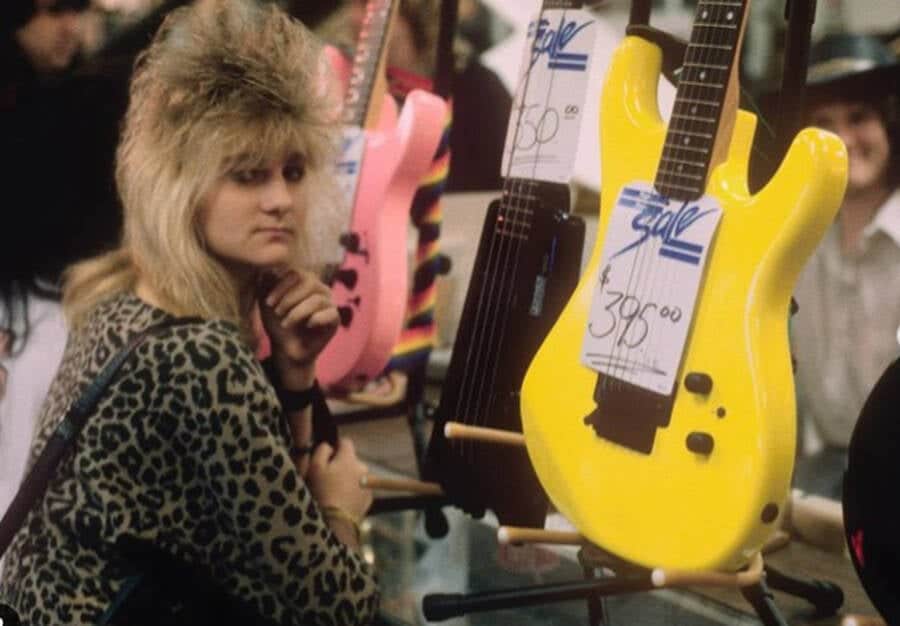
Record stores and music shops
Before streaming, record stores in malls were central for music lovers. Teens browsed albums, cassette tapes, and posters, discovering new artists and trends. These stores created cultural hubs. Fans would discuss releases, share recommendations, and make the mall a place for music exploration beyond simply purchasing items.
Mall newsletters and promotions
Malls sometimes published newsletters to announce sales, new stores, and events. Families could stay informed and plan visits around promotions. Newsletters encouraged loyalty and repeated visits. They helped people feel connected to the mall community and created anticipation for seasonal events, store openings, or special offers.
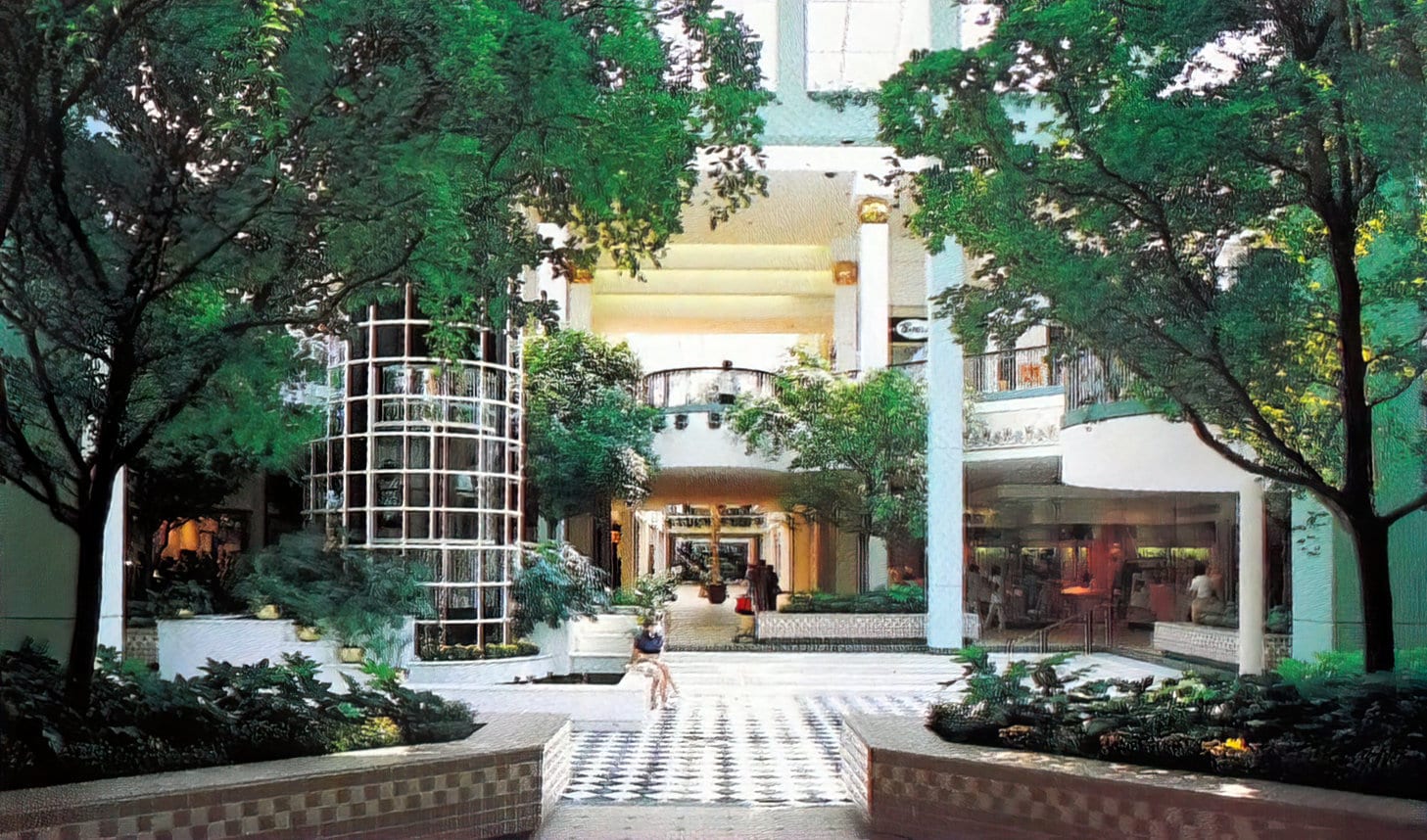
Bench culture and people-watching
Sitting areas became social spaces. Shoppers, teens, and families would relax, chat, or watch others pass by while enjoying the mall atmosphere. People-watching became a pastime, with visitors observing fashion, behaviors, and interactions. Benches and seating areas fostered community and made malls feel alive beyond the stores themselves.
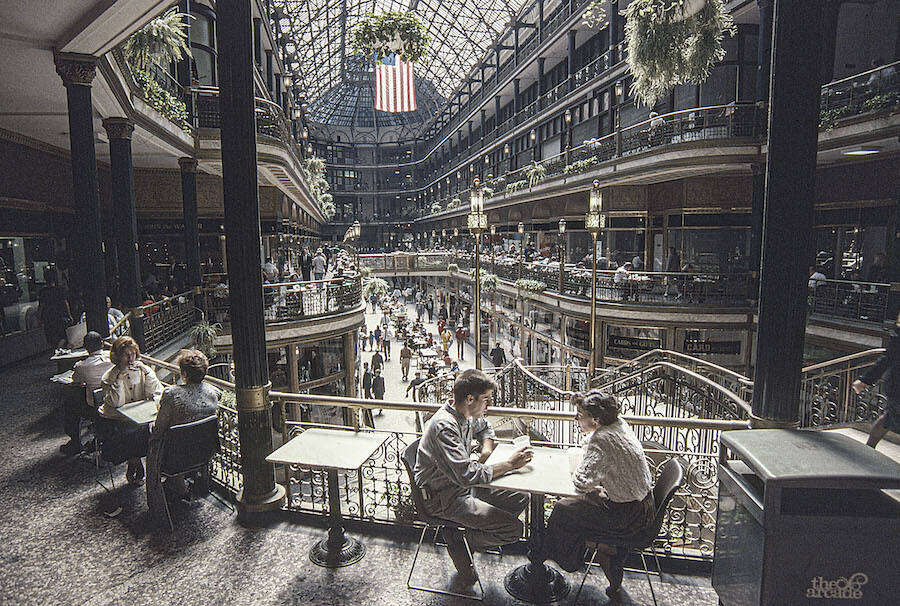
Decline with the rise of online shopping
By the 2000s, many malls began closing as online shopping gained popularity. The cultural phenomenon faded, leaving some spaces empty or repurposed. Despite the decline, the era left a lasting mark. People remember the social energy, entertainment, and unique experiences that defined malls as cultural hubs for decades.

Post a Comment for "Nostalgic Views of America's Lost Mall Era"
Post a Comment