
NTSB Recovers Black Boxes, Unveils Crash Data from Deadly UPS Plane Crash in Louisville
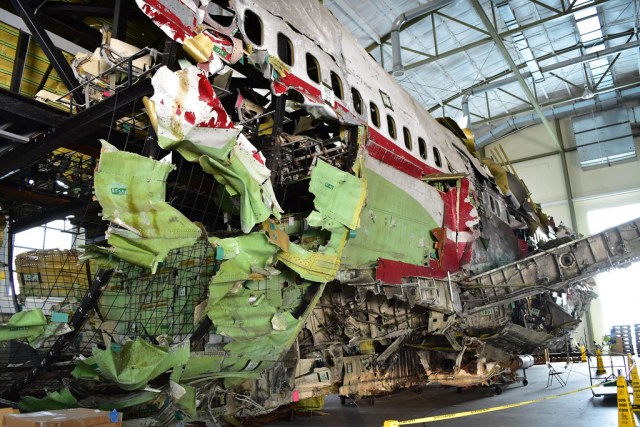
A quiet Thursday night at Louisville’s busy airfield turned grim when a UPS cargo jet went down just after liftoff, exploding in a flash that rattled nerves across town and sent ripples through the flight industry. On November 4, 2025, UPS Flight 2976—a loaded MD-11 heading to Dallas—struggled to climb and slammed into warehouses near Muhammad Ali International Airport. Within seconds, fire swallowed the wreckage, torching nearby shops, igniting blazes across the area, then taking no fewer than fourteen souls, marking the worst disaster ever for the shipping giant. First responders rushed in fast but found chaos instead—relatives searching frantically, bystanders frozen in disbelief, emergency lights flashing everywhere—as locals began facing how deep the damage ran.
Federal agents from the NTSB rushed to lock down the crash site, knowing they’d need answers—not just for peace of mind but also to stop it happening again. Soon after, they found the cockpit voice recorder and flight data device—the ones people call black boxes—which meant there might finally be clues about what went wrong during Flight 2976’s last minutes. While disturbing videos popped up on dashcams and security cameras, city and government officials sprang into action—sending help, speaking publicly with sympathy, promising clear and thorough findings. In Louisville, life changed fast; ordinary habits gave way to shared mourning, as shop owners, rescue workers, and neighbors stood together through sorrow and grit while teams searched nonstop.
Besides the deep pain it caused people, this event shakes up air travel safety, UPS’s huge delivery system, and the wider shipping business. The wreck in Louisville didn’t just jam a major global transport hub—instead, it brought back urgent talks on plane upkeep, how rules are enforced, and readiness for emergencies. While experts go over flight recorder info, what witnesses saw, along with wreckage bits, those clues won’t only show how or why things went wrong—they’ll guide ways to stop repeat tragedies down the line. In a town shaped by grief yet strong-willed action, how locals reacted to the UPS disaster shows what unity can do, sparking sorrow while pushing hard for truth.
The Critical Data Breakthrough: Black Box Recovery and First Insights
In the messy debris of the Flight 2976 accident, federal investigators had a critical mission to complete the cockpit voice recorder (CVR) and flight data recorder (FDR) of the plane. These devices designed to survive mammoth impact, fire and pressure are necessary to re-create the last moments of a plane crash. On Thursday, November 6, the NTSB announced that both the CVR and FDR were successfully located in the charred debris and had been recovered as miraculously and that the retrieval of the two devices was made possible due to the severity of the post-crash fire.
Both units were transported to Washington D.C. to be analyzed and the promises made were to expose vital data. By Friday, investigators declared a breakthrough, 63 hours of quality data points were obtained by the flight data recorder and provided invaluable insight into 24 previous flights, on top of the fatal flight. The cockpit voice recorder showed more than two hours of audio with specific attention to the takeoff sequence. Board Member of the NTSB Todd Inman explained that a repeating bell was audible on the CVR approximately 37 seconds after the crew gave the command to turn on the takeoff thrust and continued through the end of the recording. The fight of the crew to control the plane when the alarms were going off was audible and haunting, and it helped to see the heroic efforts of the crew members when they were put in the situation that was impossible to imagine.
The FDR and CVR data, combined, depicted an image of a horrifying course: the left engine detached as the plane was rolling off, and there were the vital systems of the plane, flailing around. Several seconds later, there was fire on the left wing, and the MD-11 shook as it struck. A verbatim cockpit tape is being prepared but will not be released until the entire investigation is final and then the experts can triangulate physical evidence, engineering evaluations and procedures.
Devastation and Response: Community, Medical, and Operational Impact
The crash took place with fire, which spread shockwaves not only within UPS but also the whole community of Louisville. The area of the crash was referred to as apocalyptic by first responders with a half-mile long debris field cutting through industrial businesses, homes, and large-scale infrastructure. Death toll has varied in the initial reports but by the end of the week, fourteen people were confirmed dead including children and families caught in the melee of nearby businesses such as Grade A Auto Parts and Kentucky Petroleum Recycling. Families waited patiently and several were flocking at reunion centers which were put in place by police to relieve the congestion in hospitals.
Over 15 injured people including some with serious cases of burns and shrapnel wounds were received in the hospitals of Louisville. The medical staff at the University of Louisville Health worked 24 hours to treat the survivors and the very sick victims. The human cost of the tragedy triggered the accounts of the lost ones making it clear how widespread the impact of the tragedy was on the social structure of the city.
The crash spread operationally throughout the UPS national network. The cancellation of all MD-11 planes brought to a halt shipments, supply chains and diverted shipments of needed products—including medical deliveries, holiday deliveries at a very crucial moment in time. The airport activities came to a standstill as the officials cleared the debris and reduced fire threats. The airport runways could not be controlled as quickly as before, yet the local businesses had to deal with rebuilding over the long term. The Team Kentucky Emergency Relief Fund by Kentucky Governor Beshear coordinated the relief mission, which was a show of the community strength and cohesion in the face of tragedy.
The Broad Inquiry: Aviation Policy, Safety, and Regulation
Having black box data, the investigation of NTSB took on an intensive turn. The aviation experts and MD-11 specialists were invited to examine technical failures, maintenance history, and runway conditions. The attention was paid to the disastrous separation of engines and the resulting chain reaction the fire on the left wing, loss of control, and multiple hits on the ground. Initial indications were that there may have been contributing factors in the form of material fatigue, maintenance processes and potential foreign object debris in the engines.

Safety procedures and regulatory compliance were also high-stakes issues because the Federal Aviation Administration (FAA) ordered an immediate grounding of MD-11 aircraft across the country. Although Louisville airport logistical traffic was disrupted, other disruptions reverberated throughout other hubs of UPS at Memphis, Dallas-Fort Worth and Ontario in California. The crash occurred during a federal government shutdown which added extra pressure to the aviation agencies but local NTSB representatives reassured the people that their staff was fully prepared to carry out the investigation.
The NTSB, which collaborates with the FBI in order to document the debris, and recreate the crash, follows rigorous rules of non-speculation and evidence-based recommendations. It is not merely their responsibility to show what went wrong but to avoid it in the future—to provide important lessons on how to maintain a fleet, the infrastructure of an airport, and how to respond during a crisis. Todd Inman, on behalf of the Board, emphasized the need to have transparency and that factual reports and CVR transcripts would be published following a rigorous, systematic examination.
Louisville came together in sorrow and will in the days after the disaster. The view of charred rubble, families waiting to hear the news and the magnitude of the tidal disruption in the UPS Worldport hub created a city wide awareness of common vulnerability and the necessity of recovery. CEO of UPS, Carol Tome addressed the seriousness of the loss, stating that they were determined to be safe, stay together, and be empathetic of the families and employees involved. At the local government, emergency service combined with long-term planning to restore trust and infrastructure started to coordinate recovery efforts across local government, emergency services, and the aviation professionals.
Aftermath, Recovery and Lessons to the Future
The consequences are far-reaching beyond Louisville as the black box information is still being evaluated and the technical evaluations are ongoing. The aviation safety standards would be revisited, maintenance would be re-evaluated and new recommendations would be given on the tightening of control on engine integrity, crew procedures and cargo hub operations. The crash shows how corporate logistics, regulatory agencies and local communities are interconnected and how tragedy can spread outwards but how resilience, empathy and learning can create a safer future to all.

The history of the November 4 crash is yet to be written. To the families, the UPS workers and the first responders that were involved in the incident, the process of understanding, recovery and change continues. The deeper the investigators explore each piece of data and every story disclosed by the last moments of Flight 2976, the more Louisville and the aviation industry overall will refer to them as a foundation of better safety and better success in the future.

Post a Comment for "NTSB Recovers Black Boxes, Unveils Crash Data from Deadly UPS Plane Crash in Louisville"
Post a Comment