
Top 10: Greatest German Aircraft of All Time
Germany's Most Iconic Aircraft: A Look at Ten Legendary German Designs
Germany has produced some of the most iconic and innovative aircraft in aviation history. From early 20th-century biplanes to jet-powered fighters, these planes have left a lasting impact on the world of flight. While many designs could have been included, the selection here focuses on ten standout aircraft that represent the pinnacle of German engineering and innovation.
10: Focke-Wulf Fw 187
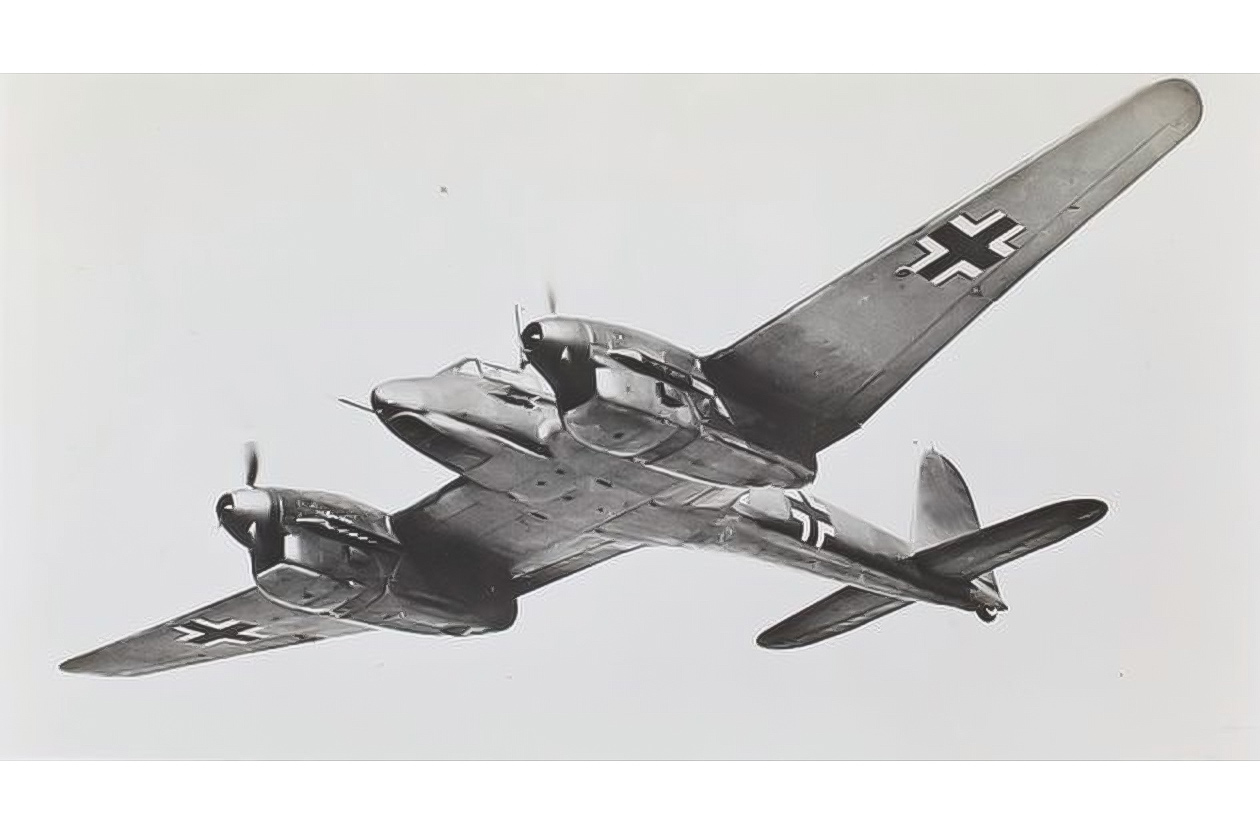
The Focke-Wulf Fw 187 was a remarkable aircraft that showcased the potential of twin-engine fighter design. Inspired by the American P-38 Lightning, this plane featured a streamlined fuselage with a minimal frontal cross-section, making it highly aerodynamic. The cockpit was unusually small, with some instruments mounted externally on the engine nacelles. Despite its impressive speed—reaching 394 mph when equipped with DB 600A engines—it never entered mass production due to political pressures favoring other designs like the Me 210.
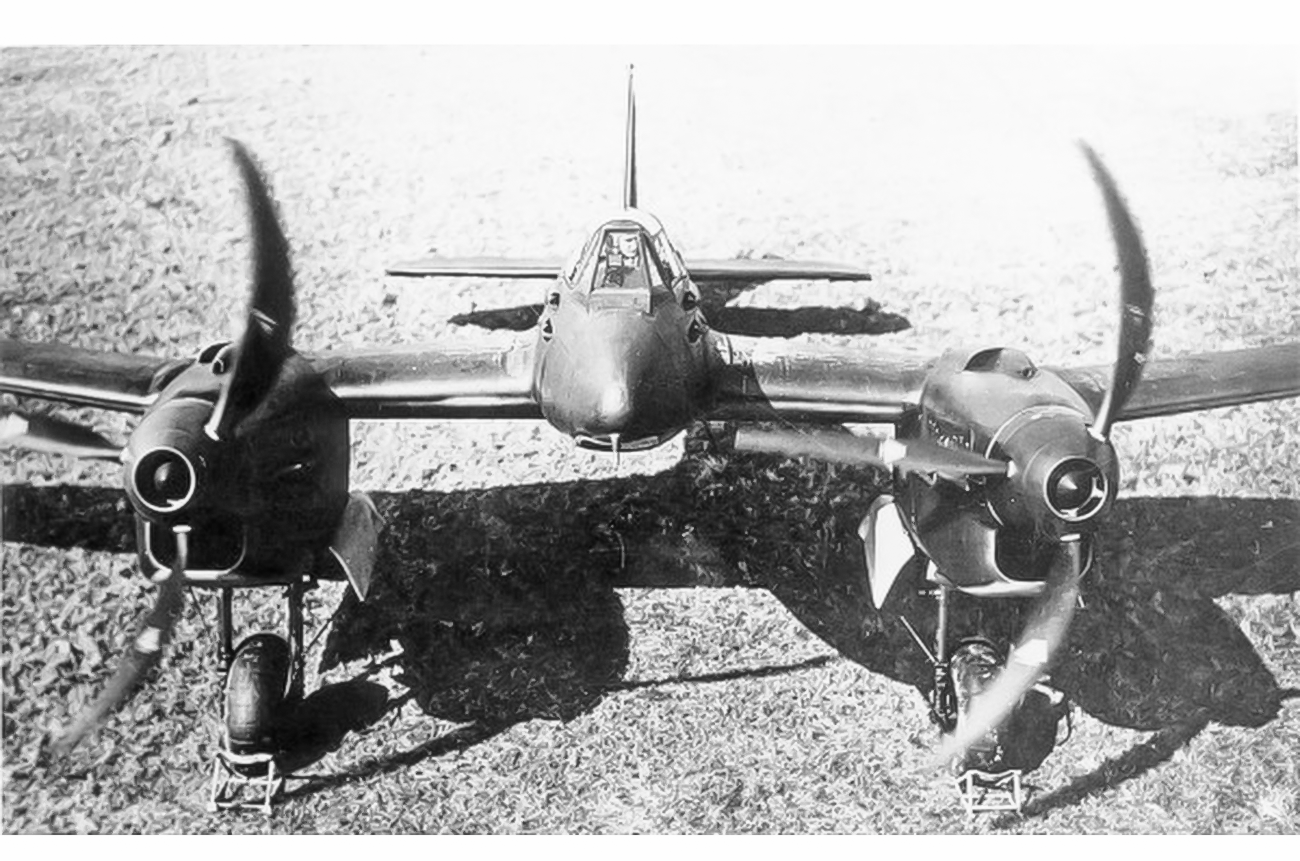
The Fw 187’s performance was so advanced that it could have posed a significant threat to the RAF during the Battle of Britain. However, it remained an experimental model, and Focke-Wulf eventually shifted focus to the more successful Fw 190.
9: Dornier Do X
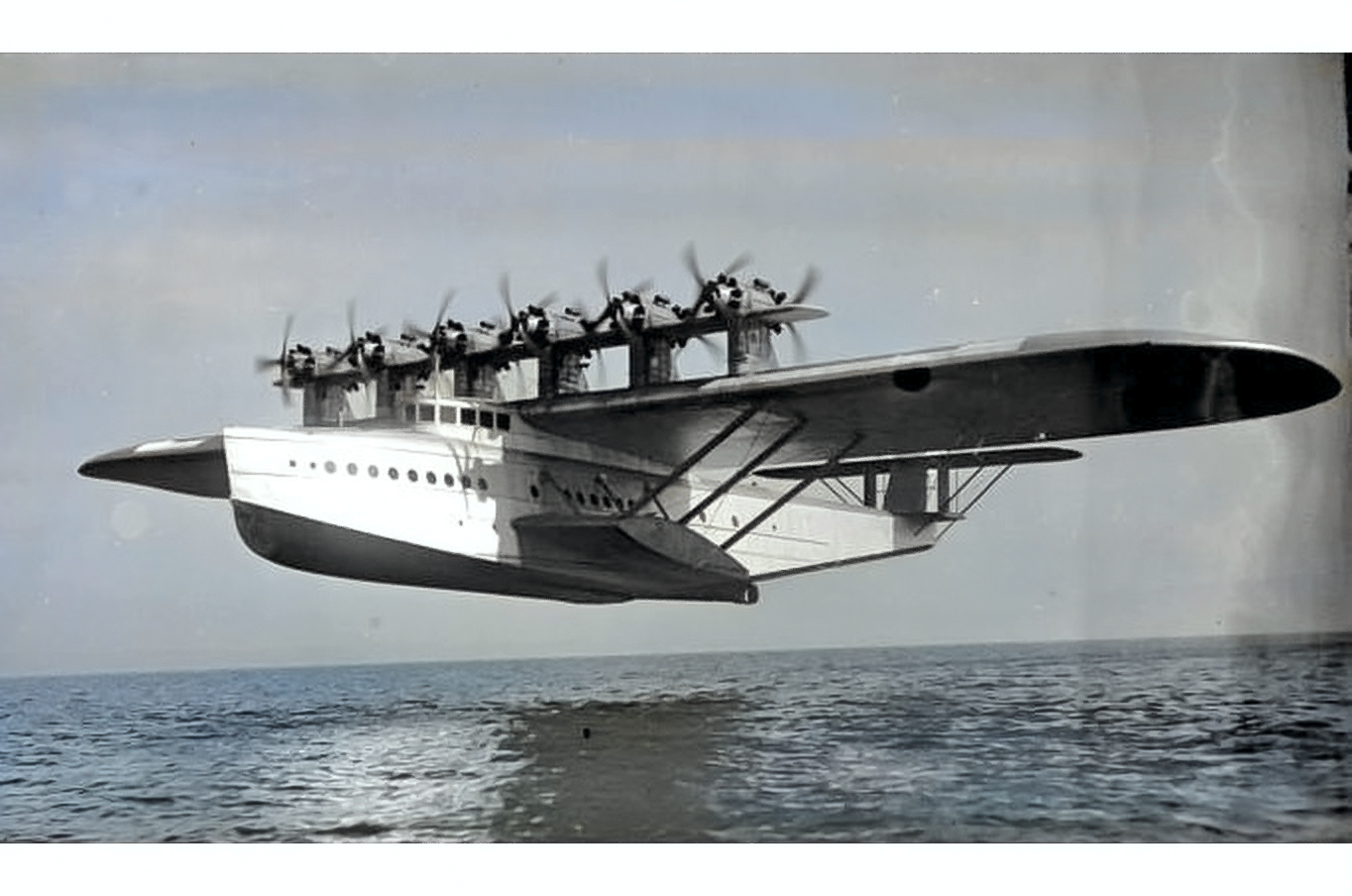
The Dornier Do X was an ambitious flying boat that set records for size and power. With a wingspan of over 156 feet, it was the largest flying boat of its time. Built in Switzerland under a legal loophole, the Do X was powered by twelve Curtiss V-1570 engines, generating a total of 7,200 horsepower. It could carry up to 169 passengers and set multiple world records. Unfortunately, the Do X suffered from mechanical issues and was never commercially viable, with only three built.
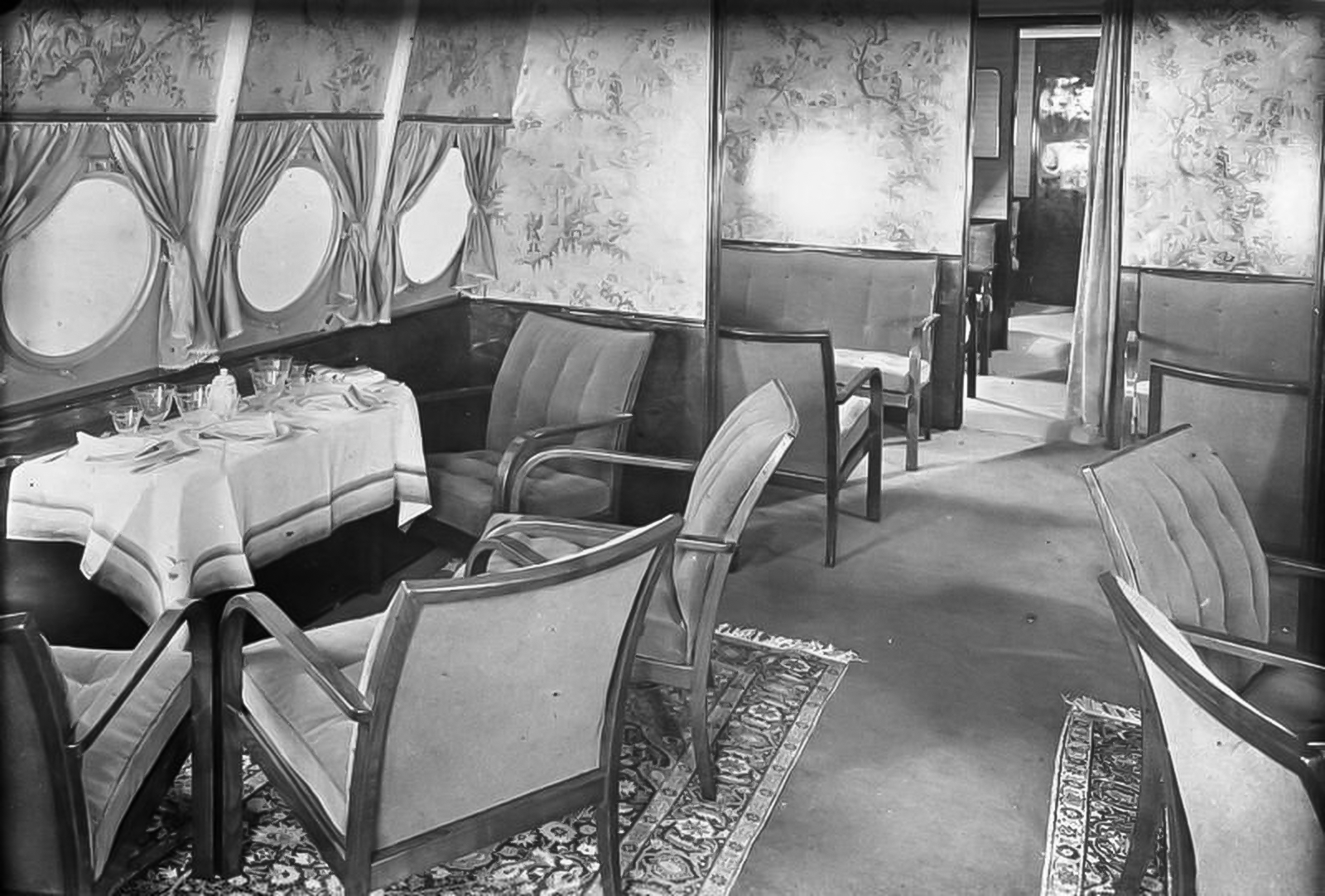
Despite its shortcomings, the Do X represented a bold vision for long-distance air travel. Its luxurious interior and record-breaking flights hinted at a future of high-speed, comfortable air travel, but the changing aviation landscape made it obsolete before it could realize its full potential.
8: Junkers Ju 88
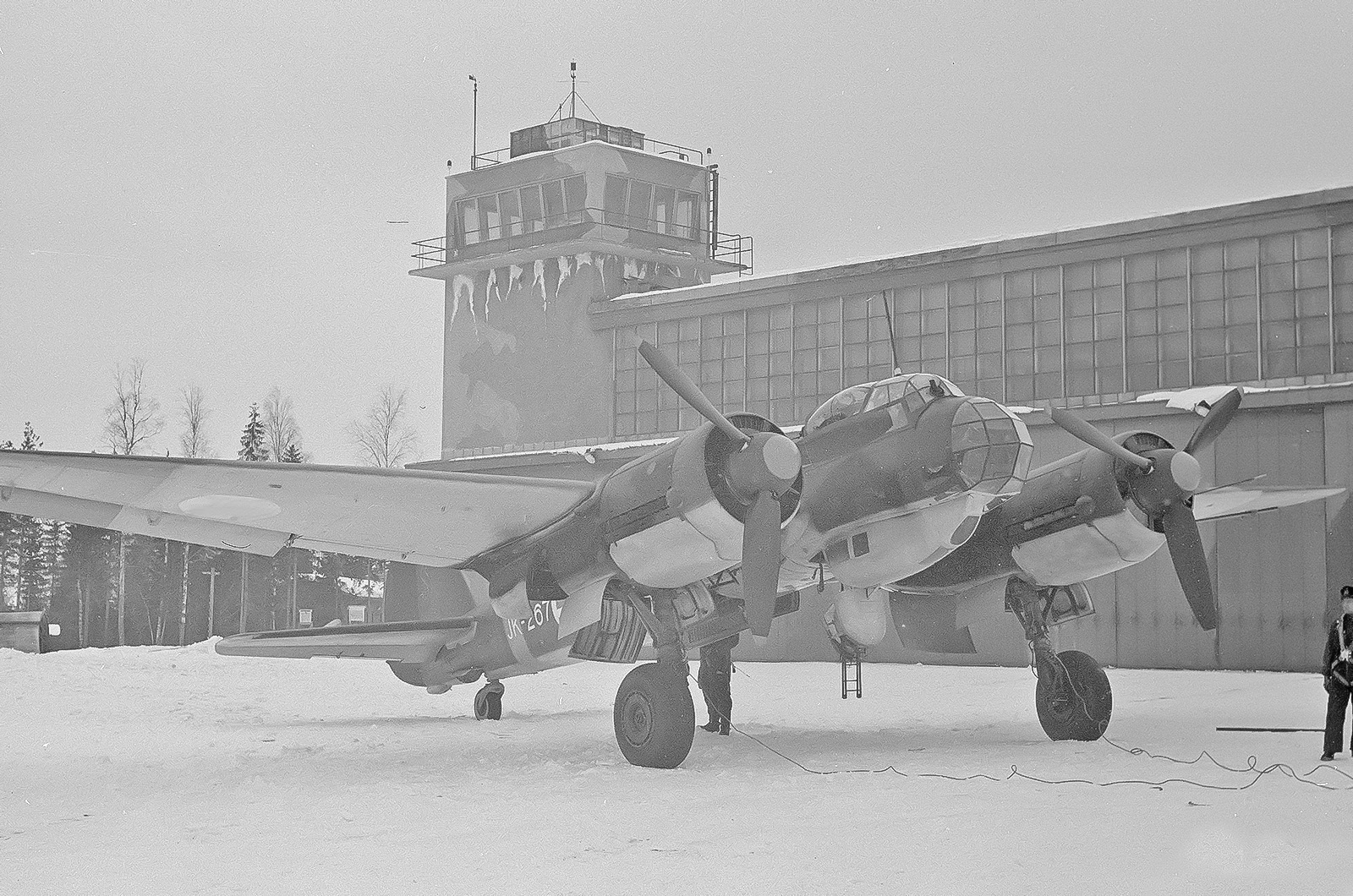
The Junkers Ju 88 was one of the most versatile aircraft of World War II. Originally designed as a fast bomber, it was later adapted for numerous roles, including reconnaissance, torpedo bombing, and night fighting. The Ju 88 also saw use as a flying bomb, with a fighter aircraft attached to its top. Its ease of modification allowed it to be equipped with various weapons and radar systems, making it a jack-of-all-trades.
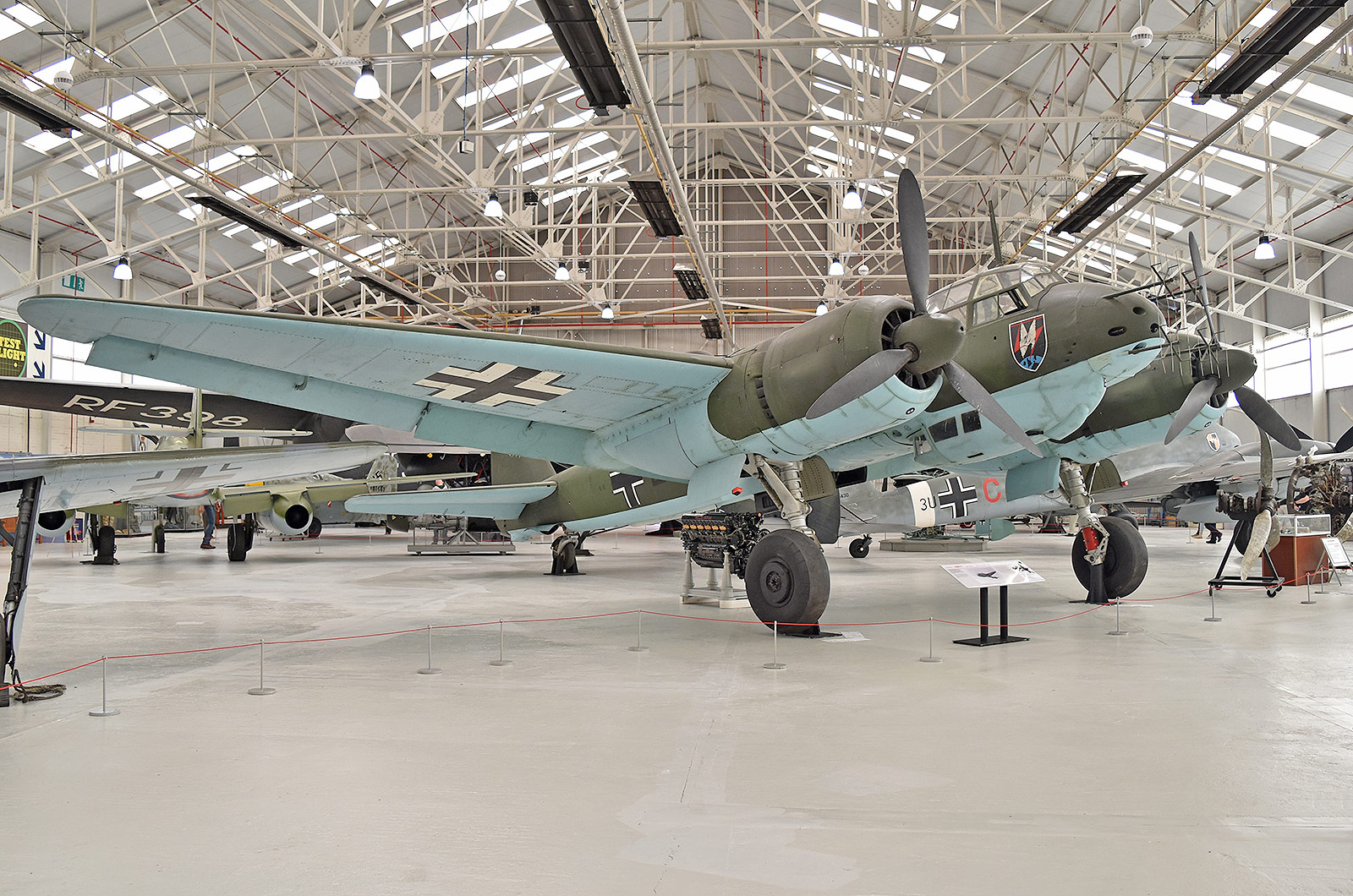
Over 15,000 Ju 88s were built, and it played a critical role in the Luftwaffe’s operations. Despite its versatility, the aircraft faced challenges due to material shortages and Allied countermeasures, which limited its effectiveness in the later stages of the war.
7: Focke-Wulf Fw 190
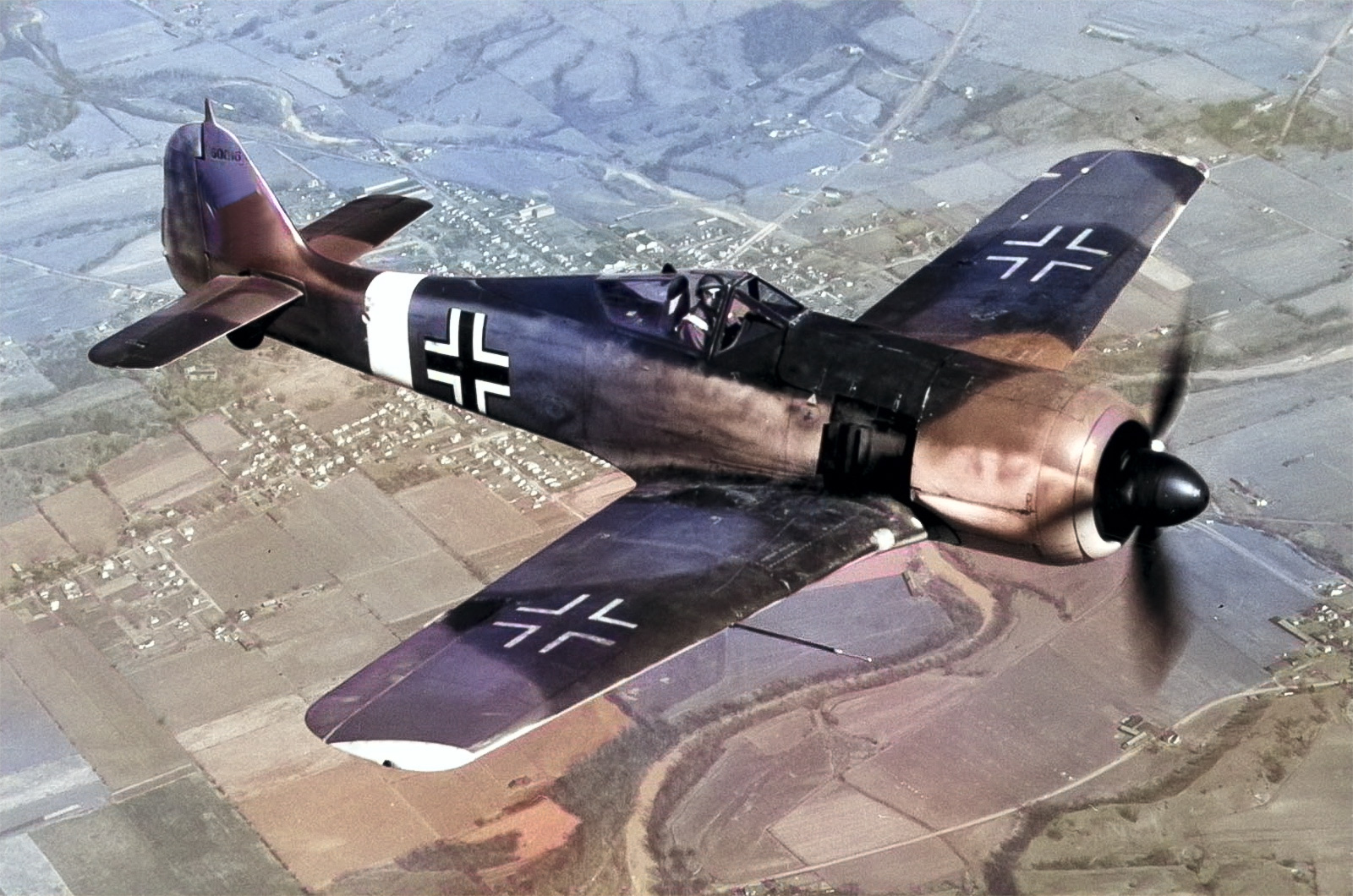
The Focke-Wulf Fw 190 was a game-changer in the early years of World War II. It outperformed the British Spitfire in terms of speed, climb rate, and maneuverability. Pilots praised its excellent visibility and pilot-friendly cockpit layout. The Fw 190 evolved through various versions, becoming increasingly powerful and capable of taking on Allied fighters in both daytime and nighttime combat.
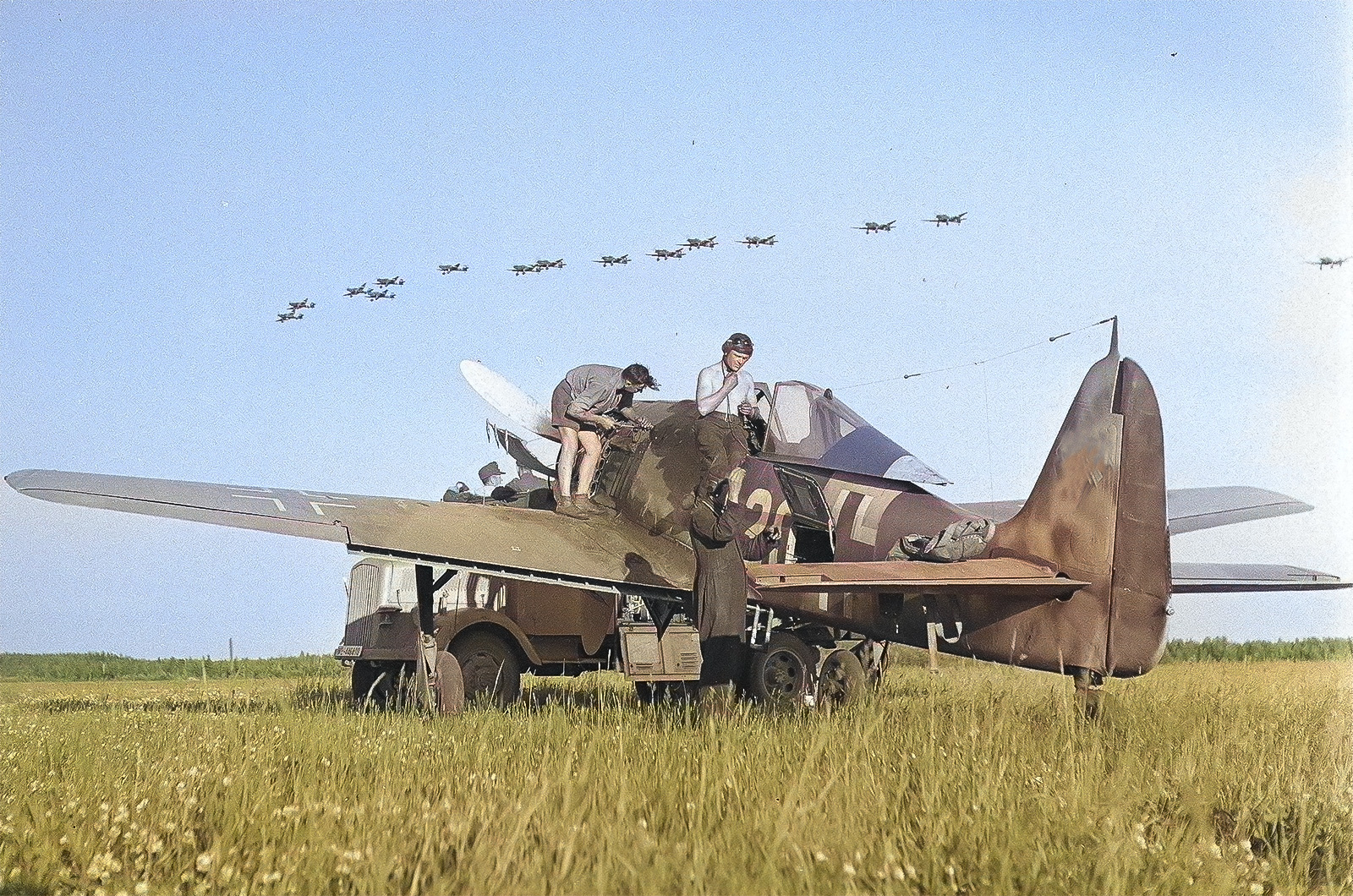
With over 20,000 units produced, the Fw 190 became one of the most important German fighters of the war. Its adaptability and performance made it a formidable opponent, and it played a key role in the defense of the Reich.
6: Messerschmitt Me 262
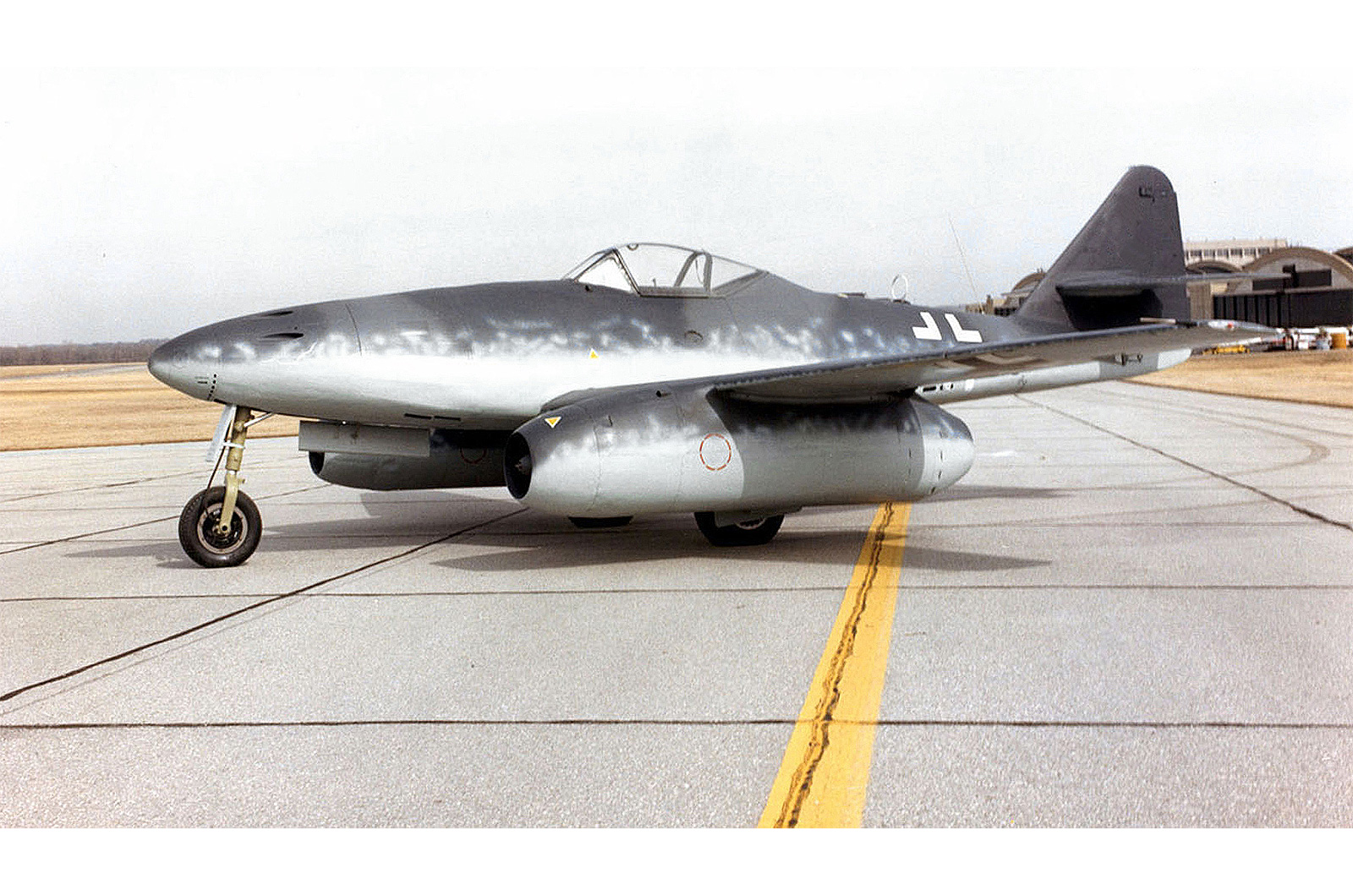
The Messerschmitt Me 262 was the first operational jet-powered fighter. It was significantly faster than any Allied aircraft of the time, reaching speeds of over 560 mph. Armed with heavy cannon and rockets, it was a deadly adversary. However, its late entry into the war and production challenges limited its impact.
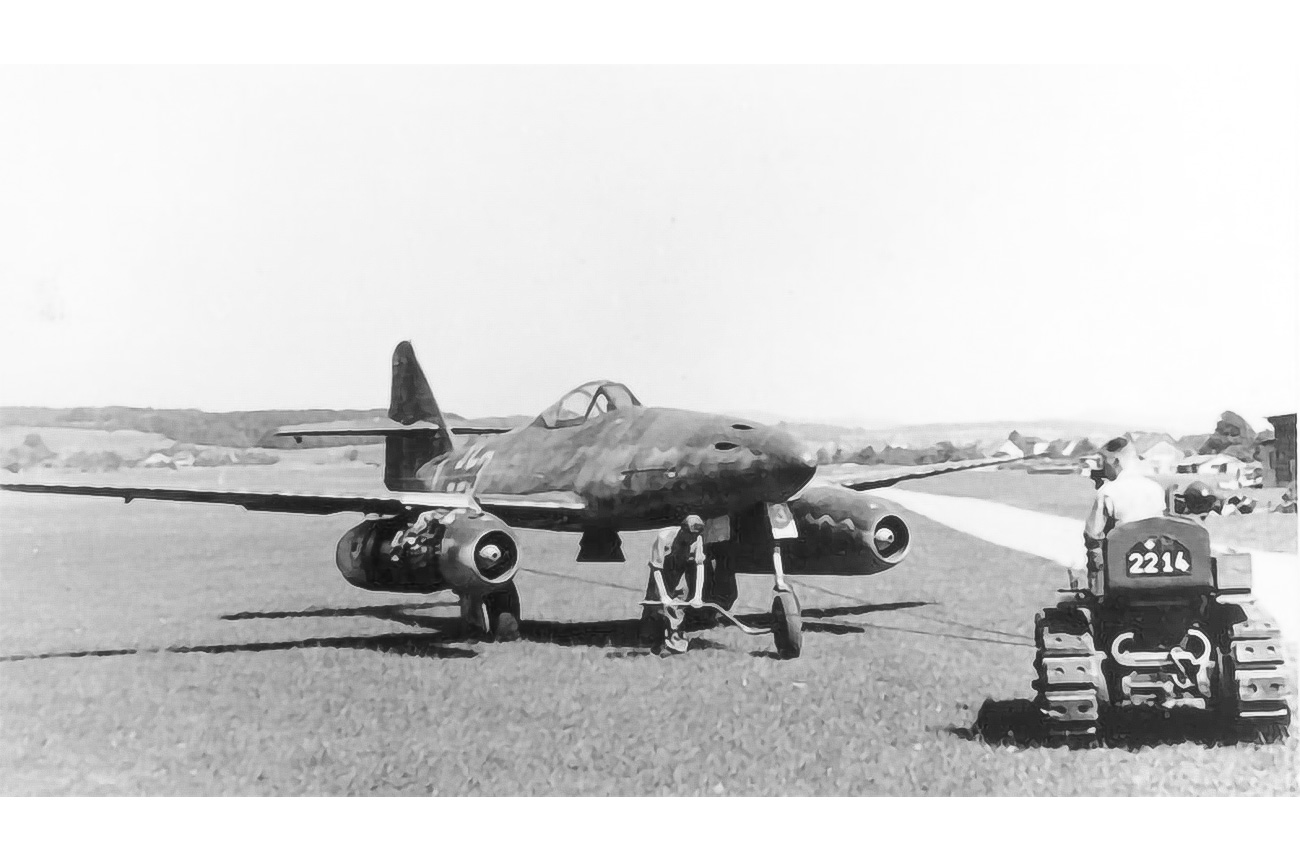
Despite its technological superiority, the Me 262 was hampered by material shortages and Allied tactics that targeted it during vulnerable moments such as takeoff and landing. Still, it marked the beginning of the jet age and was one of the most advanced fighters of World War II.
5: Albatros D.III
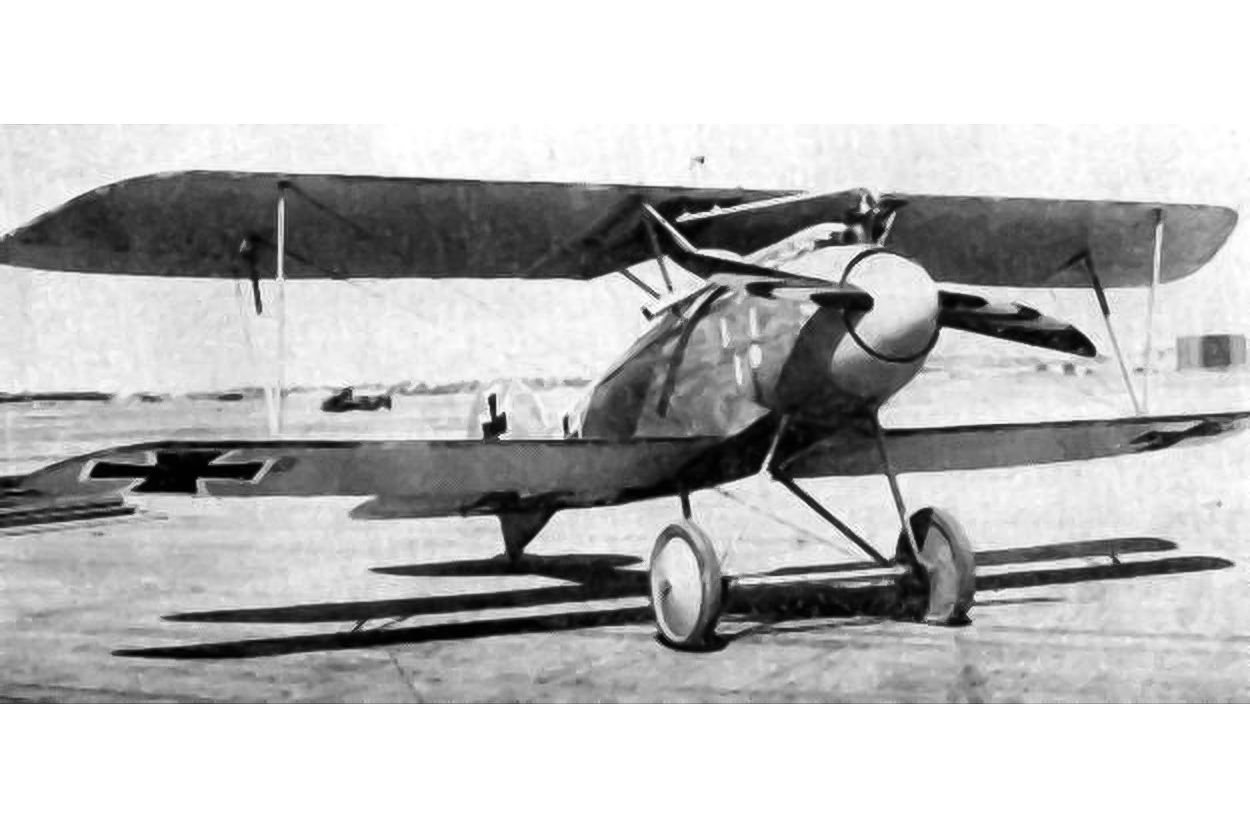
The Albatros D.III was a key fighter during World War I, known for its speed and firepower. However, it had a critical flaw: the lower wing was prone to failure under high-G maneuvers. This issue was resolved in Austrian-built versions, which improved the aircraft’s performance and reliability.
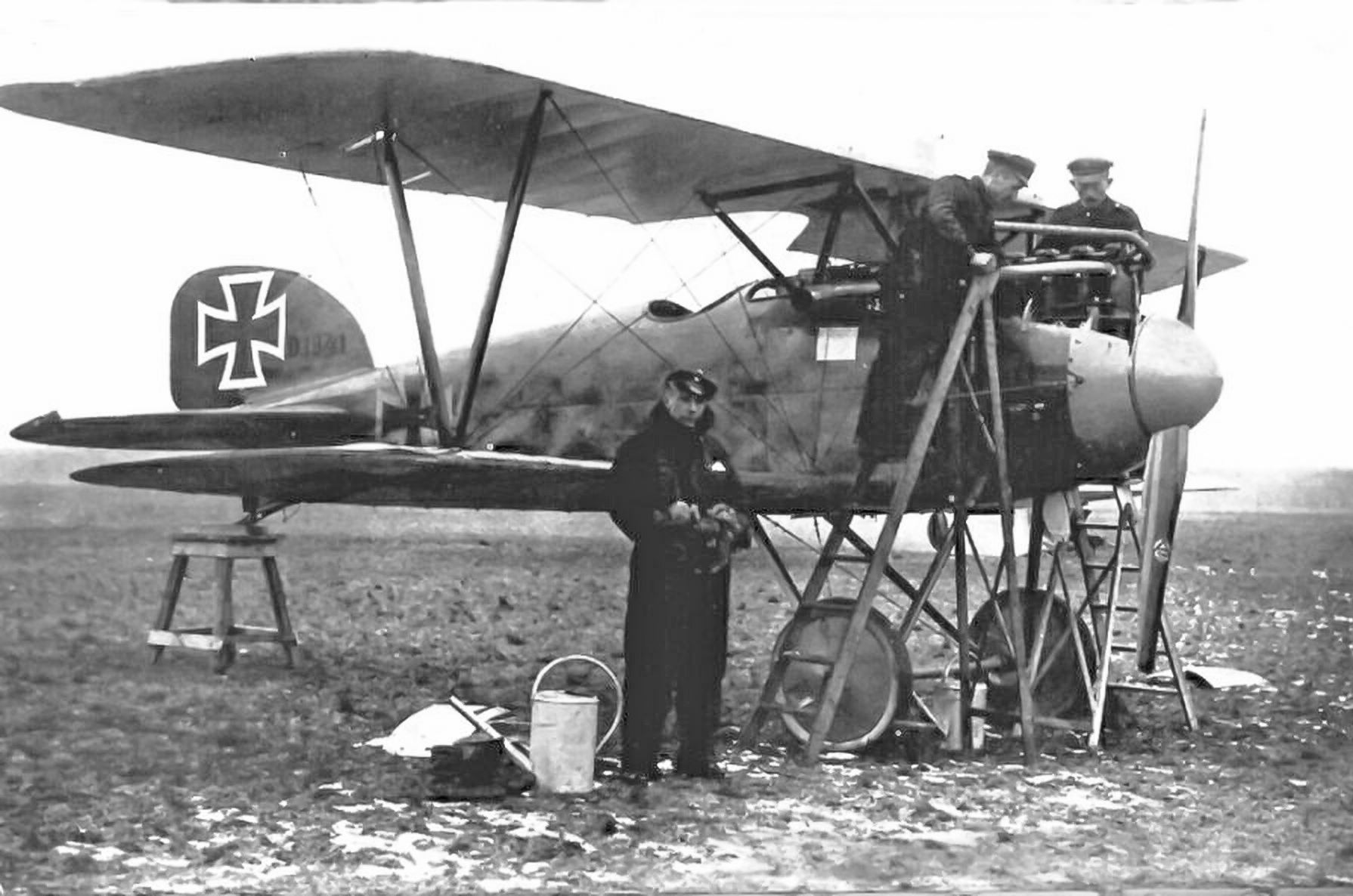
The Austrian D.III proved to be a robust and effective fighter, remaining in production until the end of the war. Its modifications demonstrated the importance of continuous improvement in aircraft design.
4: Messerschmitt-Bölkow-Blohm Bo 105
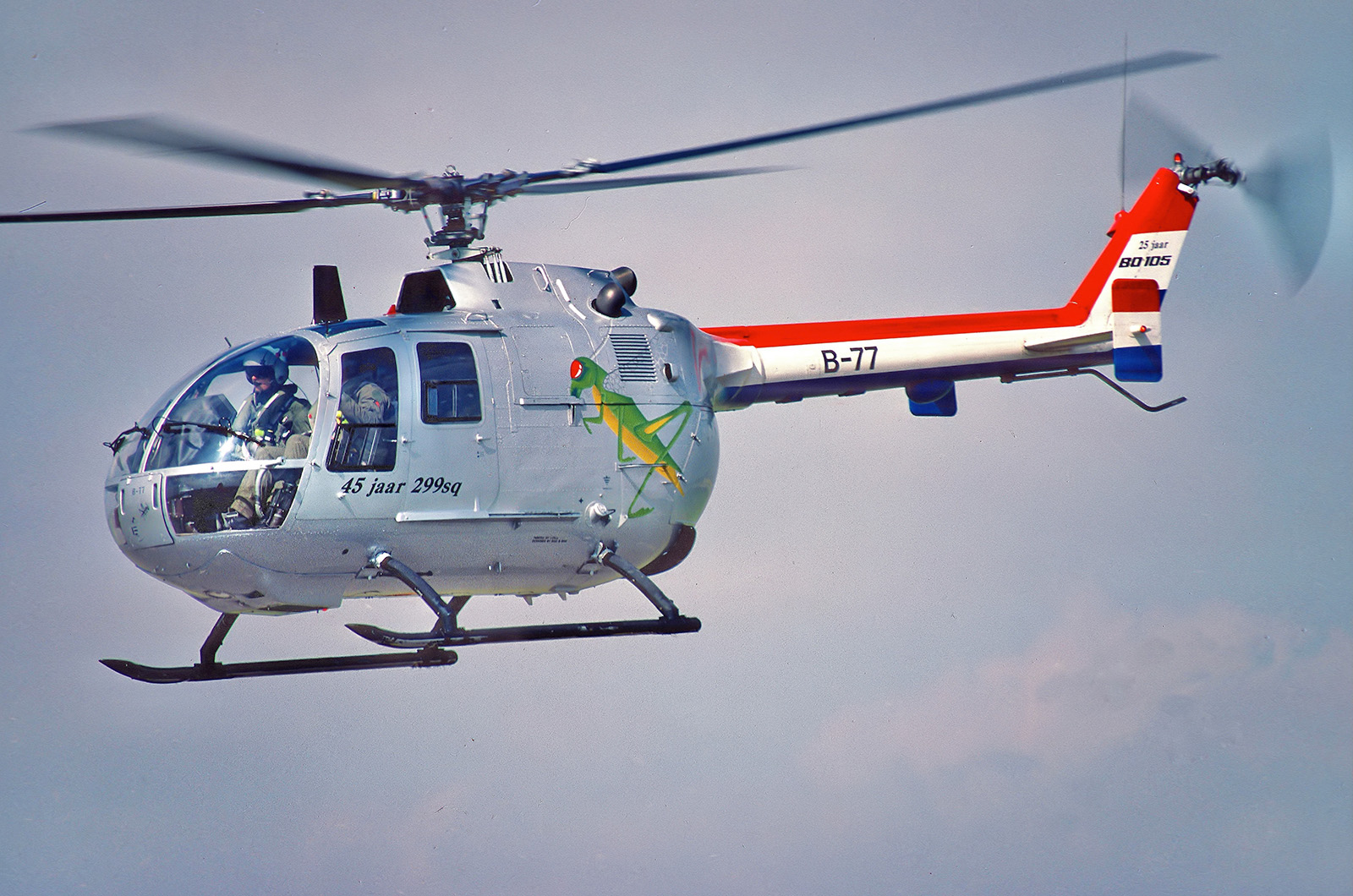
The Bo 105 was a revolutionary helicopter with a hingeless rotor system, giving it exceptional agility. It was used in various roles, including anti-tank operations, and served with multiple armed forces around the world. Its design influenced future helicopter development and contributed to the success of Eurocopter models.
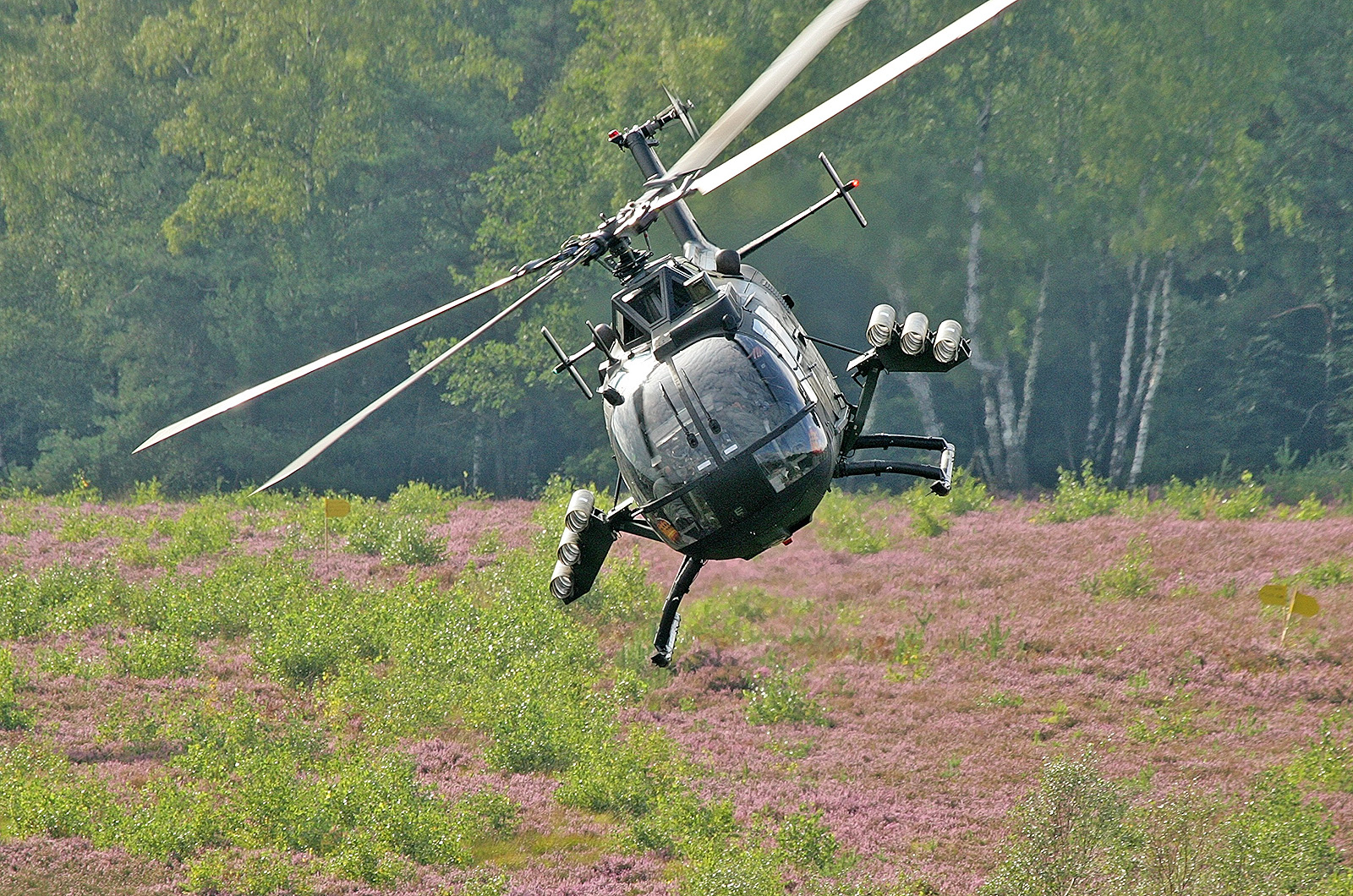
With over 1,500 units built, the Bo 105 became a staple of military and civilian aviation. Its versatility and performance made it a valuable asset in both peace and conflict.
3: Siemens-Schuckert D.IV
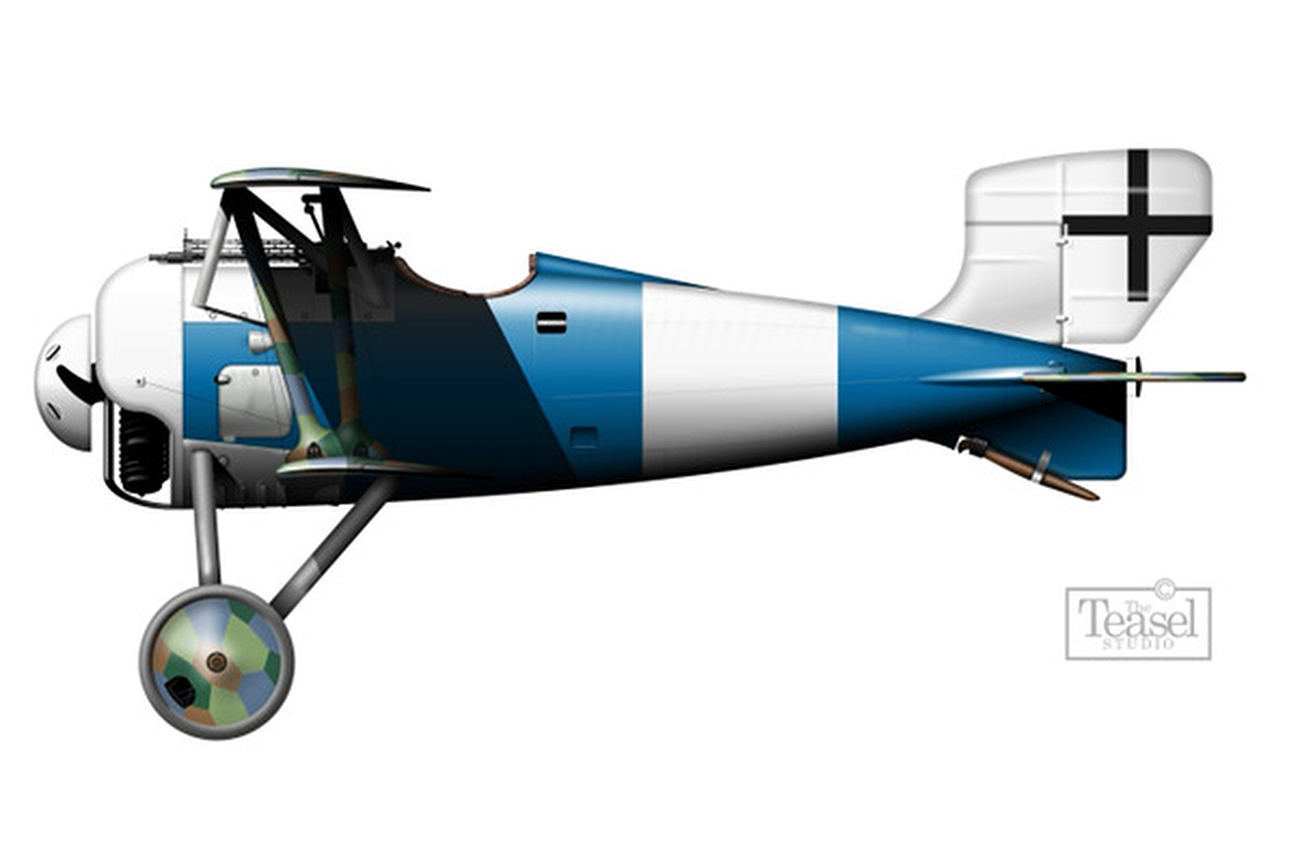
The Siemens-Schuckert D.IV was one of the best interceptors of World War I. Powered by a powerful rotary engine, it offered excellent climb and maneuverability. Its advanced design allowed it to outperform many contemporary aircraft, though it entered service too late to have a major impact on the war.
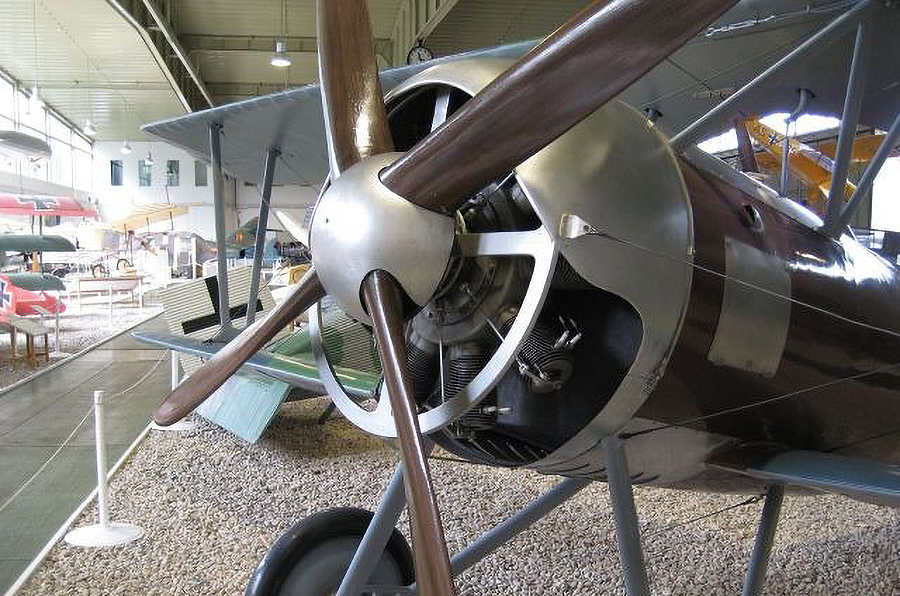
Despite its limited production, the D.IV was a significant step forward in interceptor technology. Its development continued after the war, but restrictions imposed by the Treaty of Versailles halted further progress.
2: Messerschmitt Bf 109
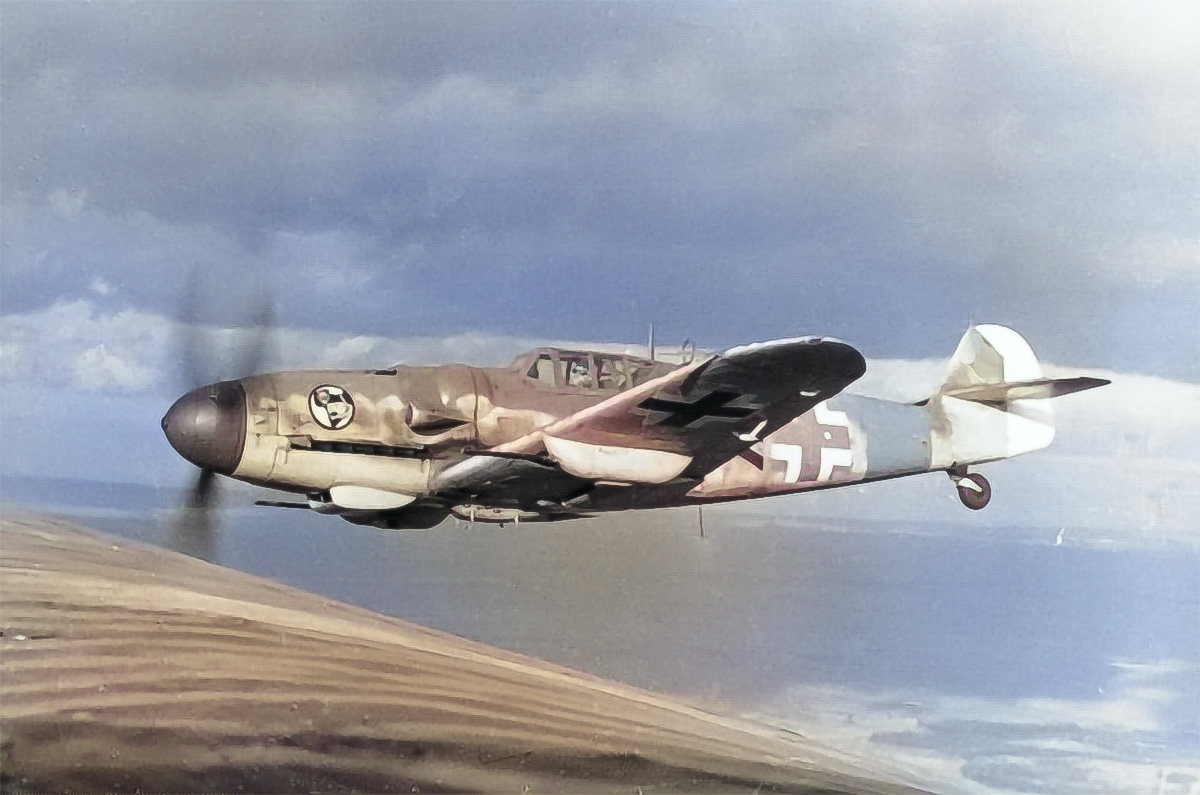
The Bf 109 was the most produced fighter of World War II, with over 34,000 units built. It was a fast, maneuverable, and well-armed aircraft that played a crucial role in the Luftwaffe’s operations. Designed by Willy Messerschmitt, it was a product of cutting-edge technology and became the backbone of Germany’s air force.
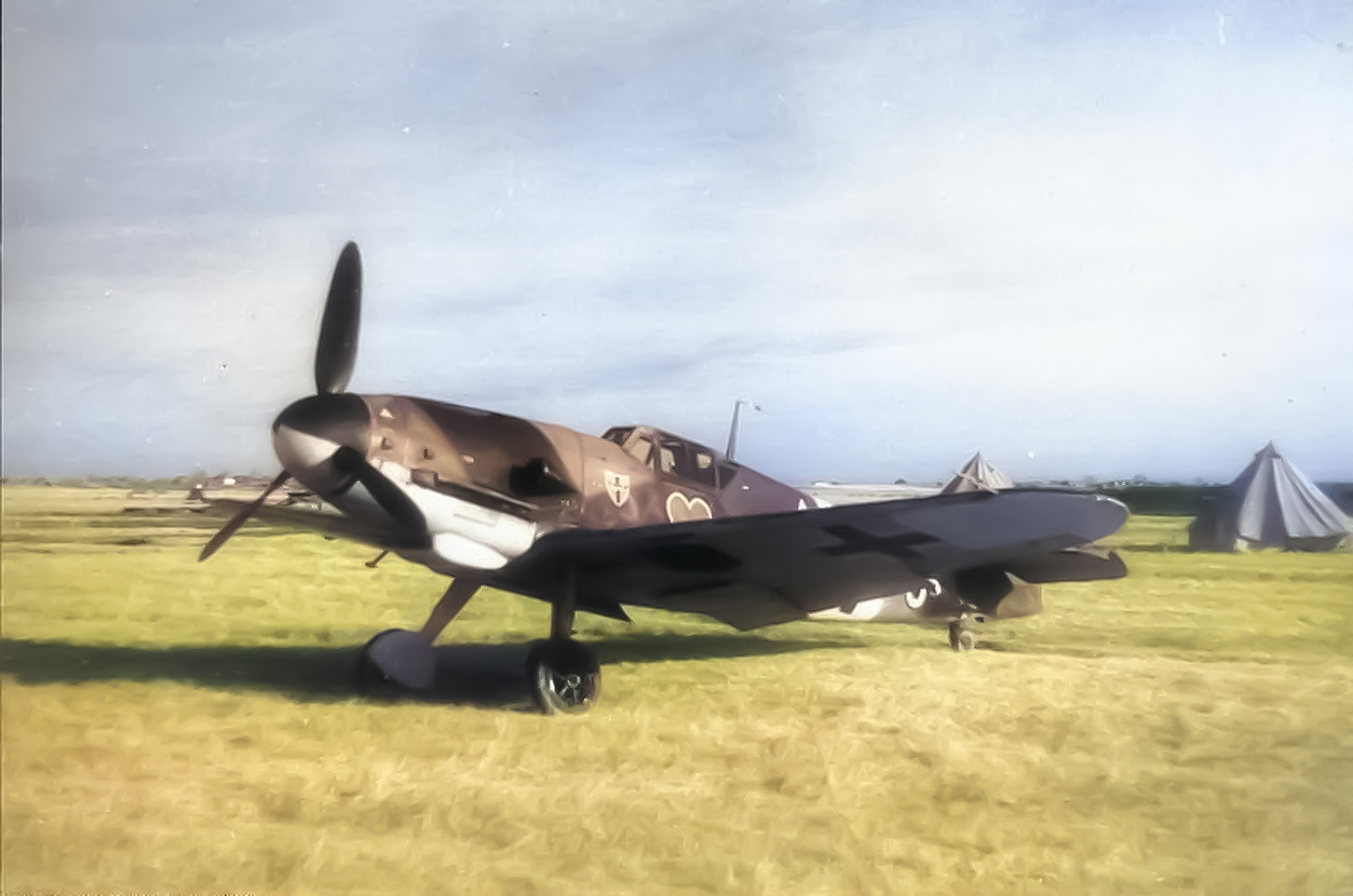
The Bf 109 achieved over 20,000 aerial victories, making it one of the most successful fighters in history. Its impact on the war was immense, and it remains a symbol of German aviation prowess.
1: Fokker D.VII
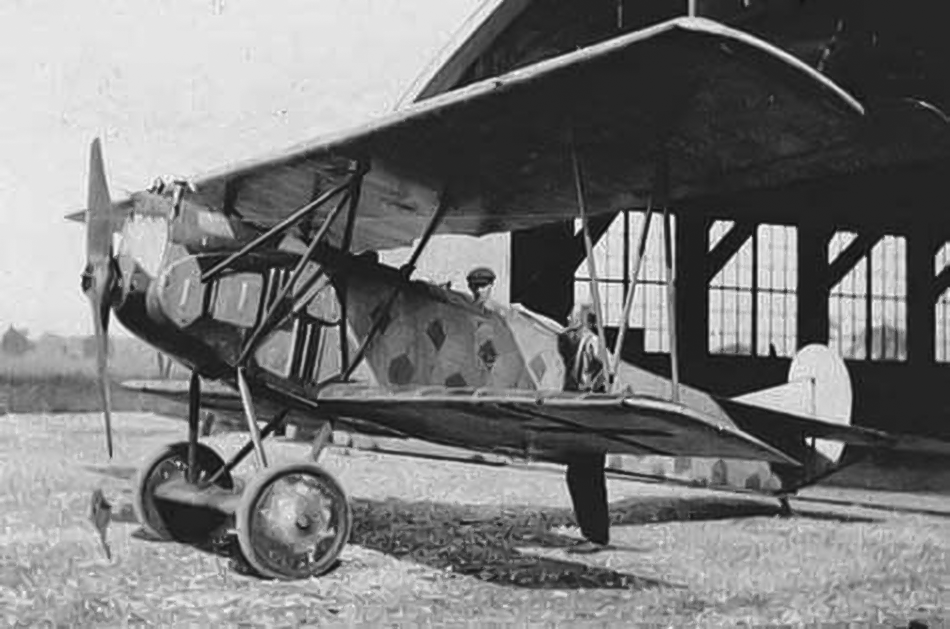
The Fokker D.VII is often regarded as the best fighter of World War I. It combined excellent altitude performance, ease of handling, and durability. Its cantilever wings were a significant advancement in aircraft design, influencing future fighter development.
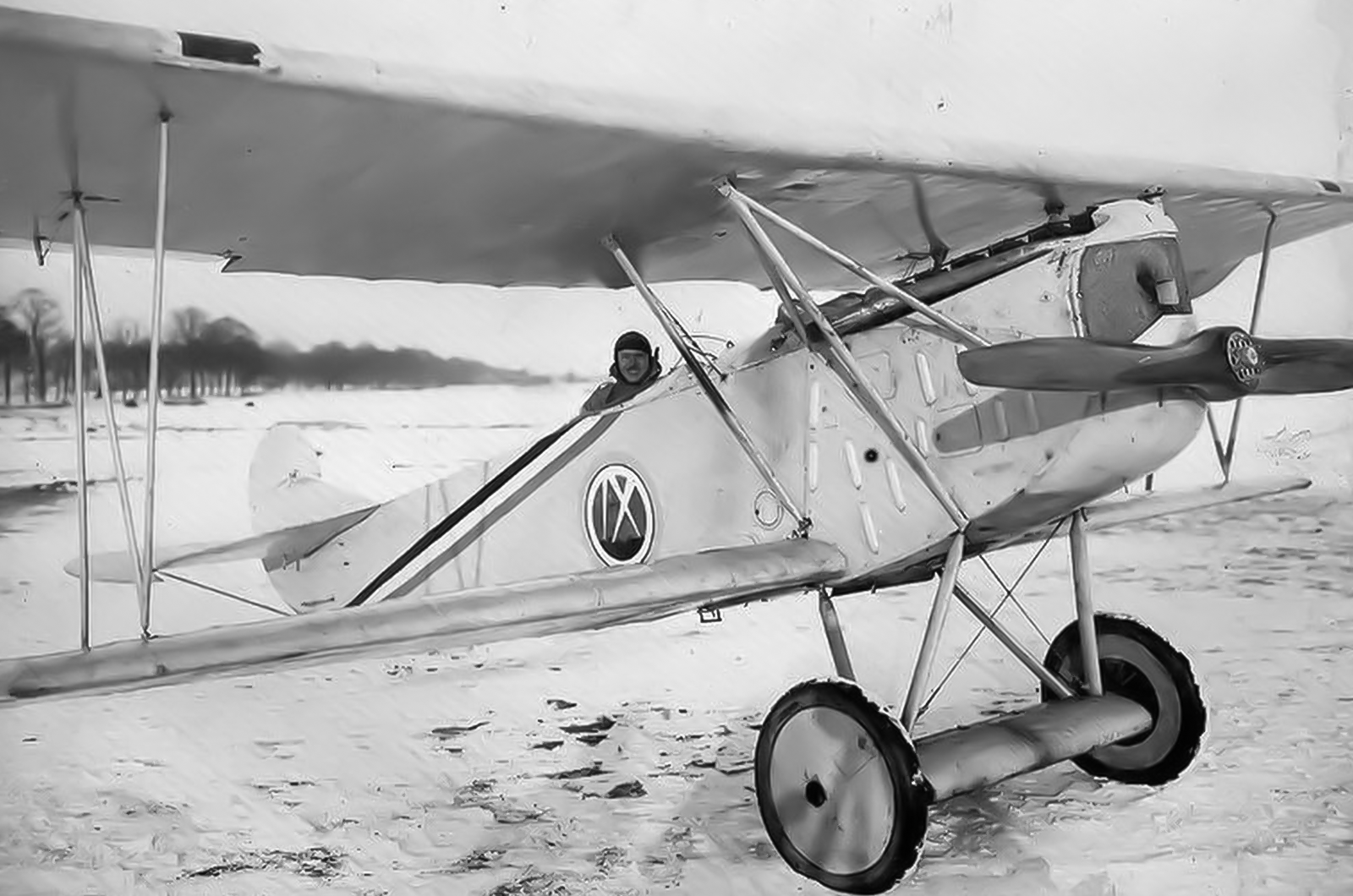
Despite being introduced late in the war, the D.VII had a profound impact on aerial combat. Its success led to a post-war attempt to recreate it as a gift for Hermann Goering, though the project was ultimately abandoned.

Post a Comment for "Top 10: Greatest German Aircraft of All Time"
Post a Comment