
Top 5 Sugar-Consuming Nations and 4 with Unexpectedly Low Intake
Global Sugar Consumption: A Tale of Cultural, Economic, and Health Trends
Sugar consumption patterns around the world offer a fascinating glimpse into the complex interplay between culture, economics, and health. The stark differences in sugar intake across nations reveal much about modern food systems and lifestyle choices. While the World Health Organization (WHO) recommends limiting free sugar to less than 10% of total energy intake—approximately 25 grams per day for adults—many countries far exceed these guidelines, often by significant margins.
United States: The Sugar Consumption Champion

The United States leads the world in sugar consumption, with per capita levels that far surpass recommended health guidelines. This high intake is largely driven by the widespread use of processed foods and beverages. Approximately three-quarters of the sugar consumed in the U.S. is used in industrial food production, particularly in sweets and drinks.
This hidden sugar makes it difficult for consumers to track their intake, as it appears in everyday items such as sauces, bread, and even seemingly healthy snacks. From breakfast cereals loaded with sweeteners to energy drinks containing multiple days' worth of sugar, the American diet has normalized excessive sugar consumption across all age groups.
Germany: Europe's Sweet Tooth Leader
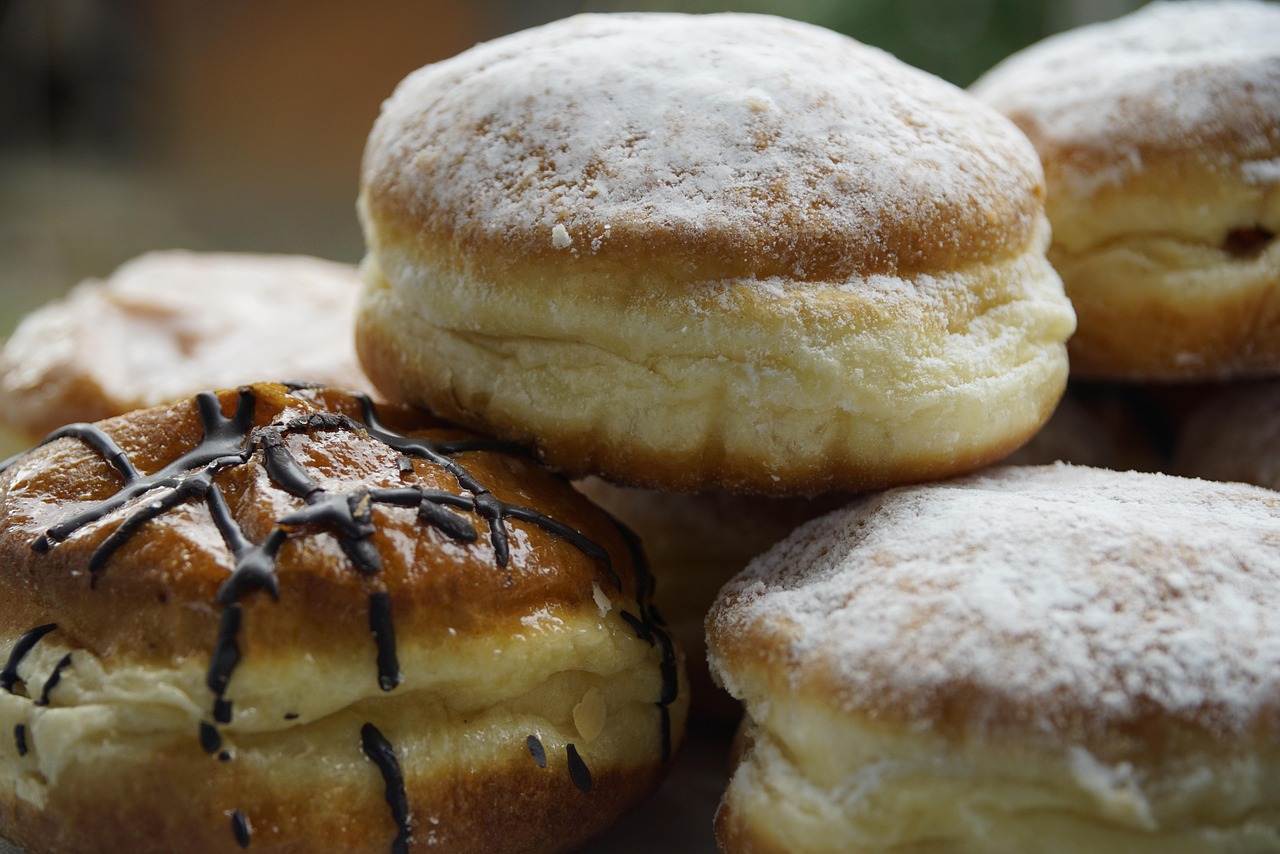
Germany ranks second globally in sugar consumption, with per capita levels significantly higher than WHO recommendations. Like the U.S., a large portion of this sugar comes from processed foods, including desserts, cakes, cookies, and beverages.
German food culture has long celebrated rich pastries, chocolates, and beer, all of which contribute to high sugar intake. The country’s strong confectionery industry and love for baked goods create an environment where high sugar consumption feels natural and socially acceptable. Traditional German Christmas markets, for example, showcase numerous sugar-rich treats that have become part of cultural identity.
Netherlands: Sweet Traditions Meet Modern Excess

The Netherlands is third on the list of high sugar-consuming countries, with per capita consumption well above WHO guidelines. This reflects both traditional Dutch sweet treats and modern processed food habits. Key contributors include non-alcoholic beverages, cakes, cookies, candy, and dairy products.
Dutch culinary traditions like stroopwafels and extensive dairy consumption play a role in these elevated levels. What makes the situation concerning is that very few people adhere to the WHO guidelines of less than 5% of total energy intake from sugar. This suggests a disconnect between health awareness and actual consumption patterns.
Ireland: The Celtic Sugar Culture
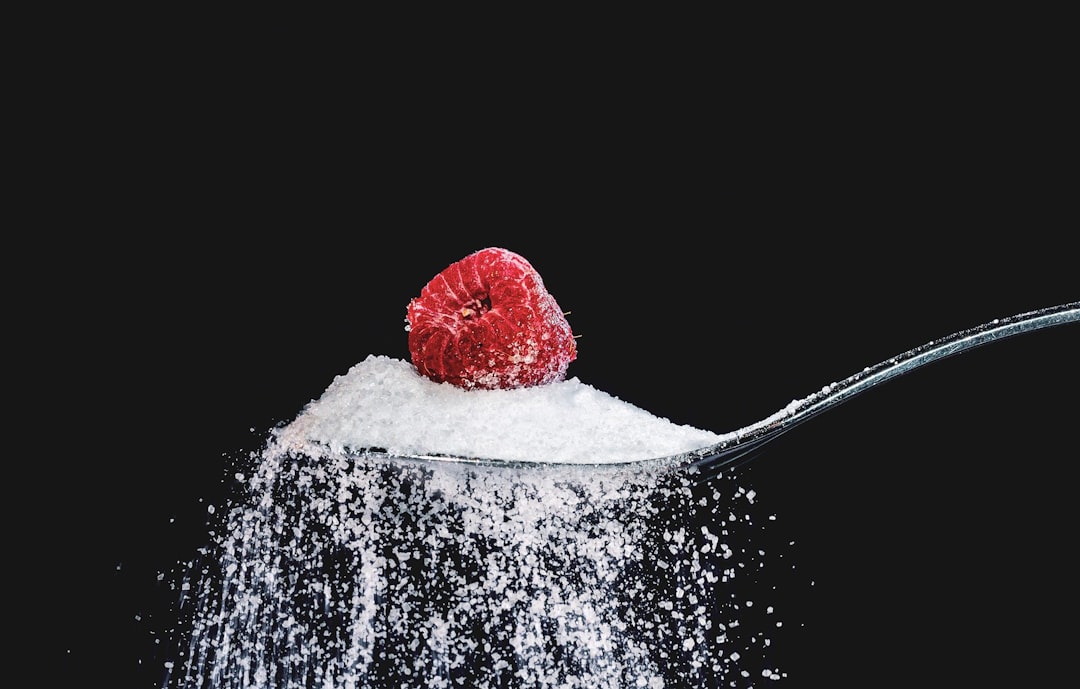
Ireland consumes approximately 7 grams of sugar per day, a level rooted in its food culture and social customs. Though the Irish are known for their love of sweets, many consume added sugar in unexpected places, such as supposedly healthy foods.
Sugary beverages are a major concern, with over 411 million liters of sugar-sweetened drinks purchased annually—about 200 cans per person. This beverage consumption alone accounts for a substantial portion of daily sugar intake.
Australia: The Unexpected High Consumer
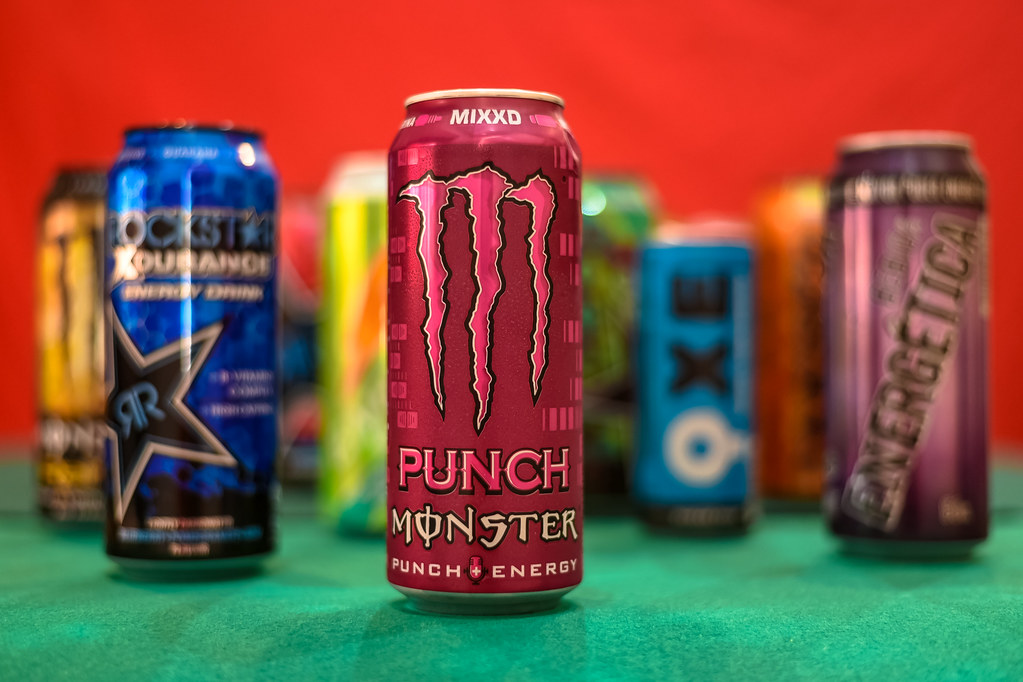
Australia rounds out the top five sugar-consuming nations, with a per capita intake of 60 grams per day. This exceeds WHO recommendations and is largely attributed to energy drinks, sports drinks, fruit juices, and baked goods.
Australia’s outdoor lifestyle and fast-food culture have normalized high sugar consumption. Many consumers view sports drinks and fruit juices as healthy alternatives, despite their high sugar content. This perception gap contributes to unintentional overconsumption.
Uganda: Africa's Low-Sugar Reality
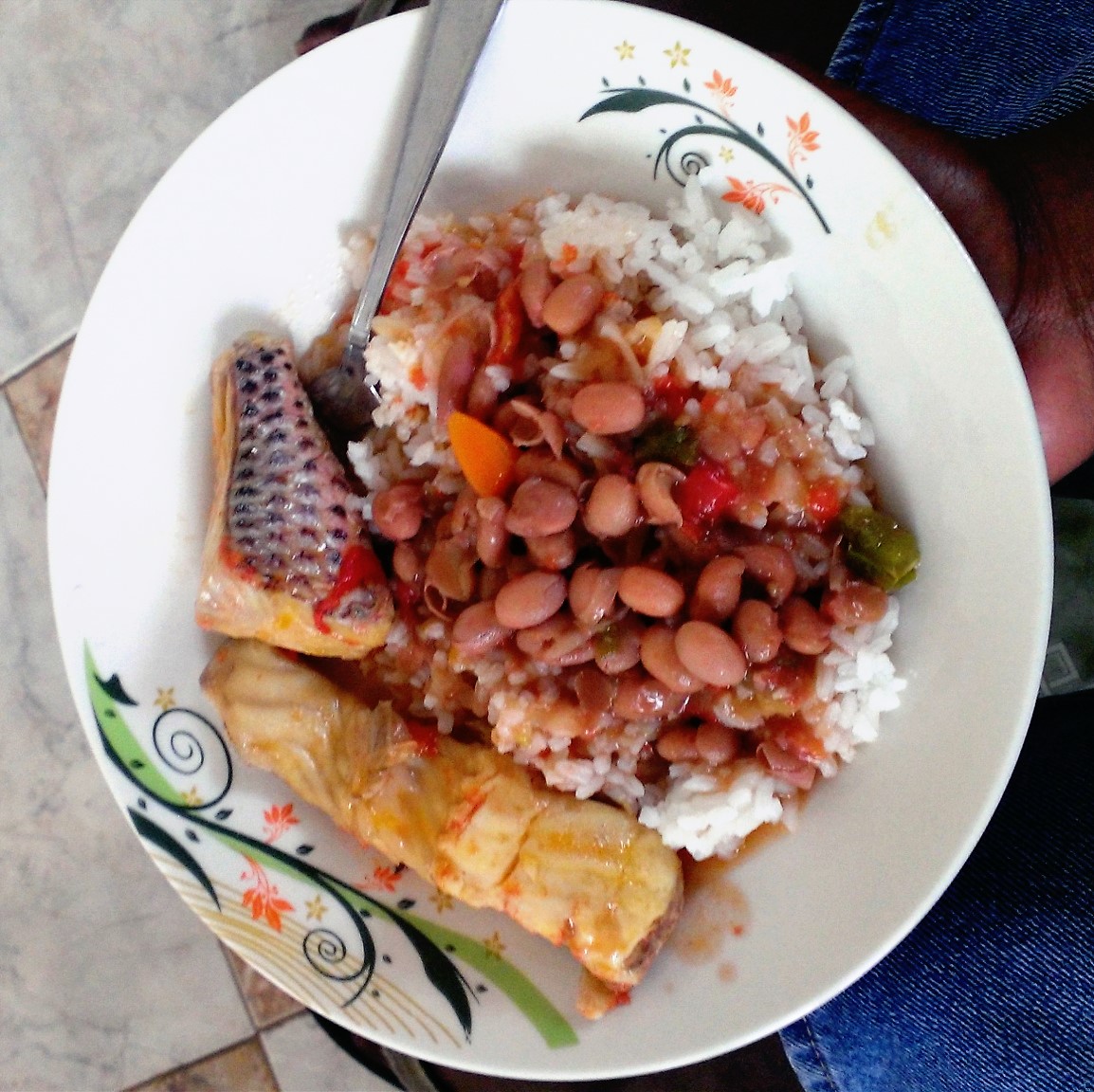
Uganda has the lowest average per capita sugar consumption globally, at around 2 grams per day. This reflects both economic factors and traditional diets based on whole, unprocessed foods. Ugandan cuisine focuses on staples like matoke, cassava, and millet, which contain minimal added sugars.
Economic constraints mean that sugary beverages and confectionery remain luxury items. Rural communities maintain traditional eating patterns that naturally limit sugar intake, highlighting how economic development and food processing correlate with sugar consumption levels.
Myanmar: Traditional Diets Preserve Low Consumption
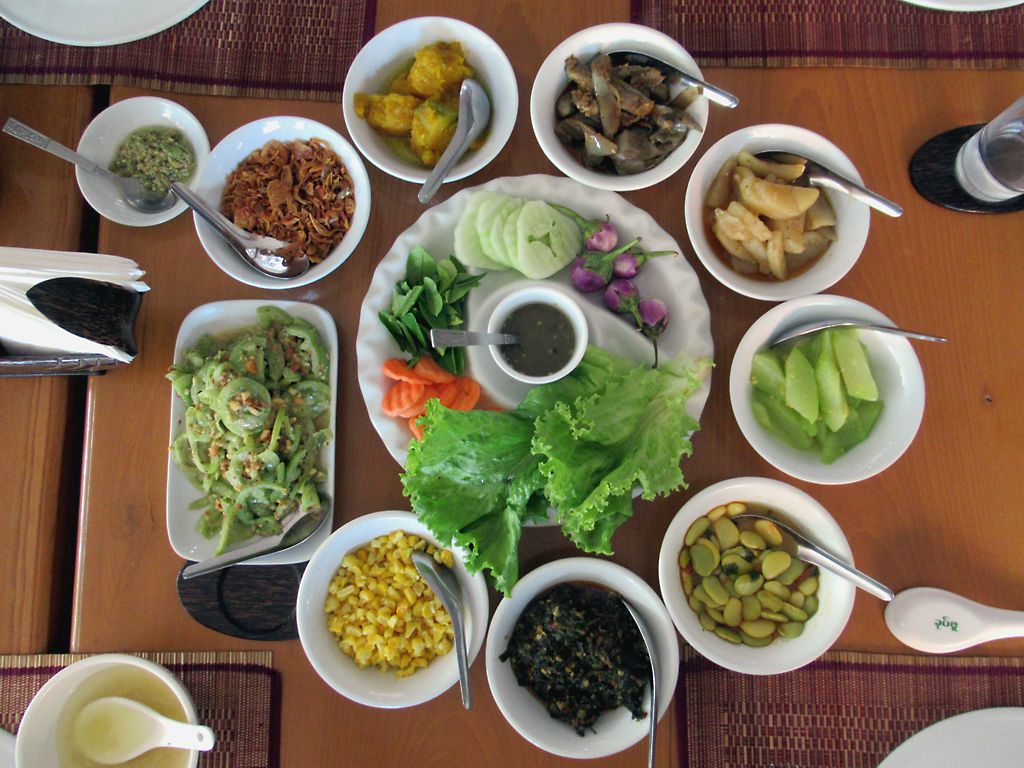
Myanmar follows closely behind Uganda with an average per capita sugar consumption of around 3 grams per day. This low level is due to traditional Buddhist dietary practices and limited access to processed foods.
Myanmar’s cuisine relies heavily on rice, vegetables, fish, and spices, with sweeteners playing a minimal role. Traditional desserts are reserved for special occasions rather than daily consumption. Economic challenges and political instability have helped preserve these traditional patterns, offering an unexpected health benefit.
Democratic Republic of Congo: Economic Barriers to Sugar
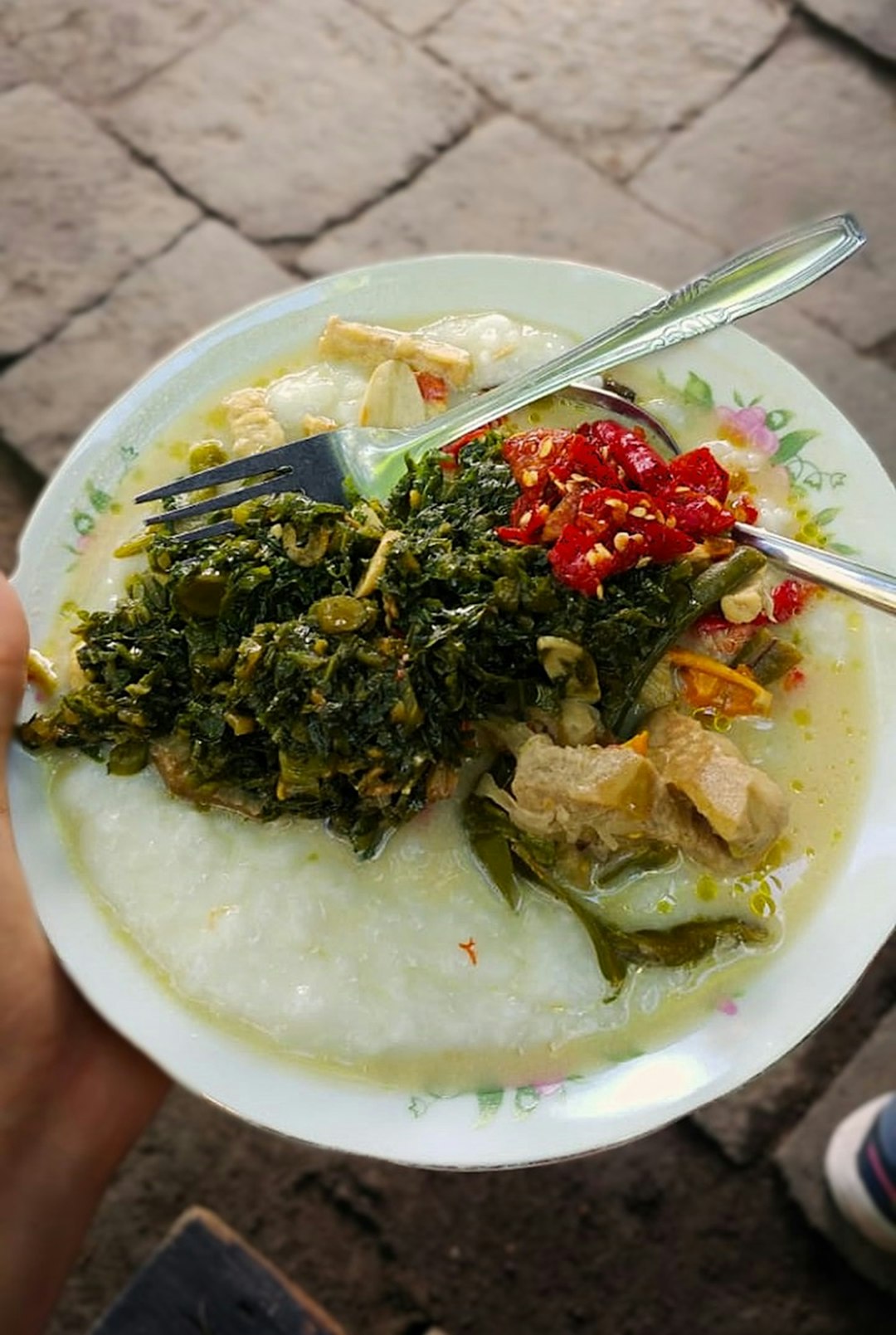
The Democratic Republic of Congo (DRC) has extremely low sugar consumption, with an annual average of 23 kg per capita. This reflects both economic constraints and traditional diets centered around cassava, plantains, rice, and locally available proteins.
Limited infrastructure and high costs make sugary products inaccessible to much of the population. This economic reality has inadvertently protected many from the overconsumption seen in wealthier nations.
North Korea: The Ultimate Low-Sugar State
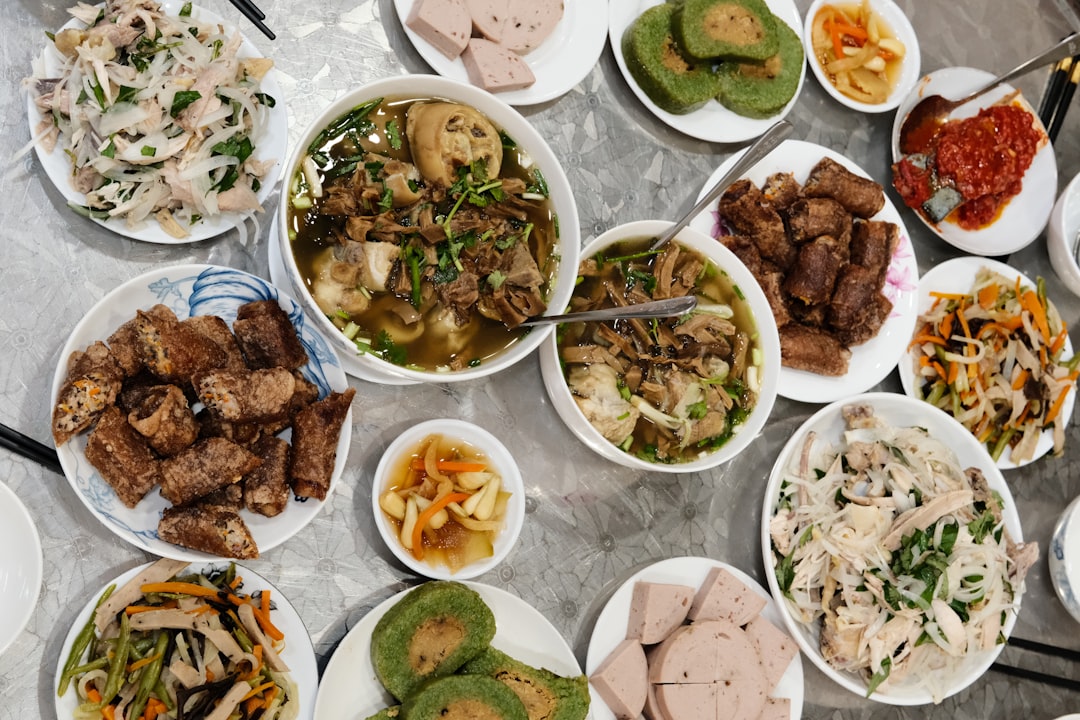
North Korea has one of the lowest recorded sugar consumption levels, at just 118 grams per person annually—less than a teaspoon. This is likely due to the country’s isolated economy and state-controlled food distribution system.
Traditional Korean cuisine, adapted to available resources, focuses on fermented foods, vegetables, and grains. Food scarcity has historically shaped dietary patterns, leading to a focus on basic sustenance rather than processed or luxury foods. Political and economic factors have played a significant role in shaping these unique consumption patterns.

Post a Comment for "Top 5 Sugar-Consuming Nations and 4 with Unexpectedly Low Intake"
Post a Comment