
Typhoon Fung-wong Hits Shore at 143mph – Live Updates
Super Typhoon Fung-wong Strikes the Philippines with Life-Threatening Winds and Storms
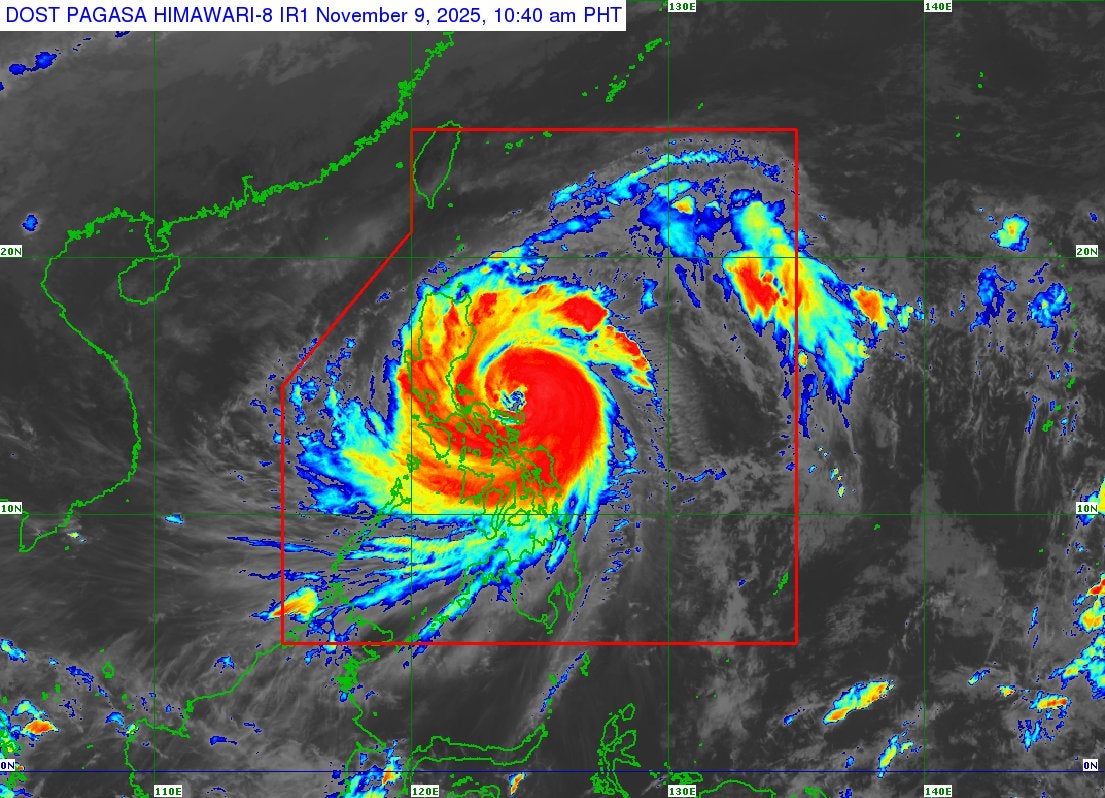
Super Typhoon Fung-wong has made a powerful impact on the Philippines, bringing winds of up to 230 km/h (143 mph), torrential rain, and dangerous storm surges. The storm has already caused significant damage, with two reported fatalities as it made landfall in Dinalungan town, Aurora province, on Sunday night.
The Philippine weather bureau had previously raised the highest storm alert for southeastern Luzon, including Catanduanes and parts of Camarines Norte and Camarines Sur. Authorities warned that the storm, known locally as Uwan, could have catastrophic effects, prompting the evacuation of over a million people from flood- and landslide-prone areas.
Power outages were reported in parts of Eastern Visayas, and footage from the Philippine Coast Guard showed residents in Camarines Sur boarding trucks during mass evacuations. More than 300 domestic and international flights were canceled due to the extreme weather conditions.
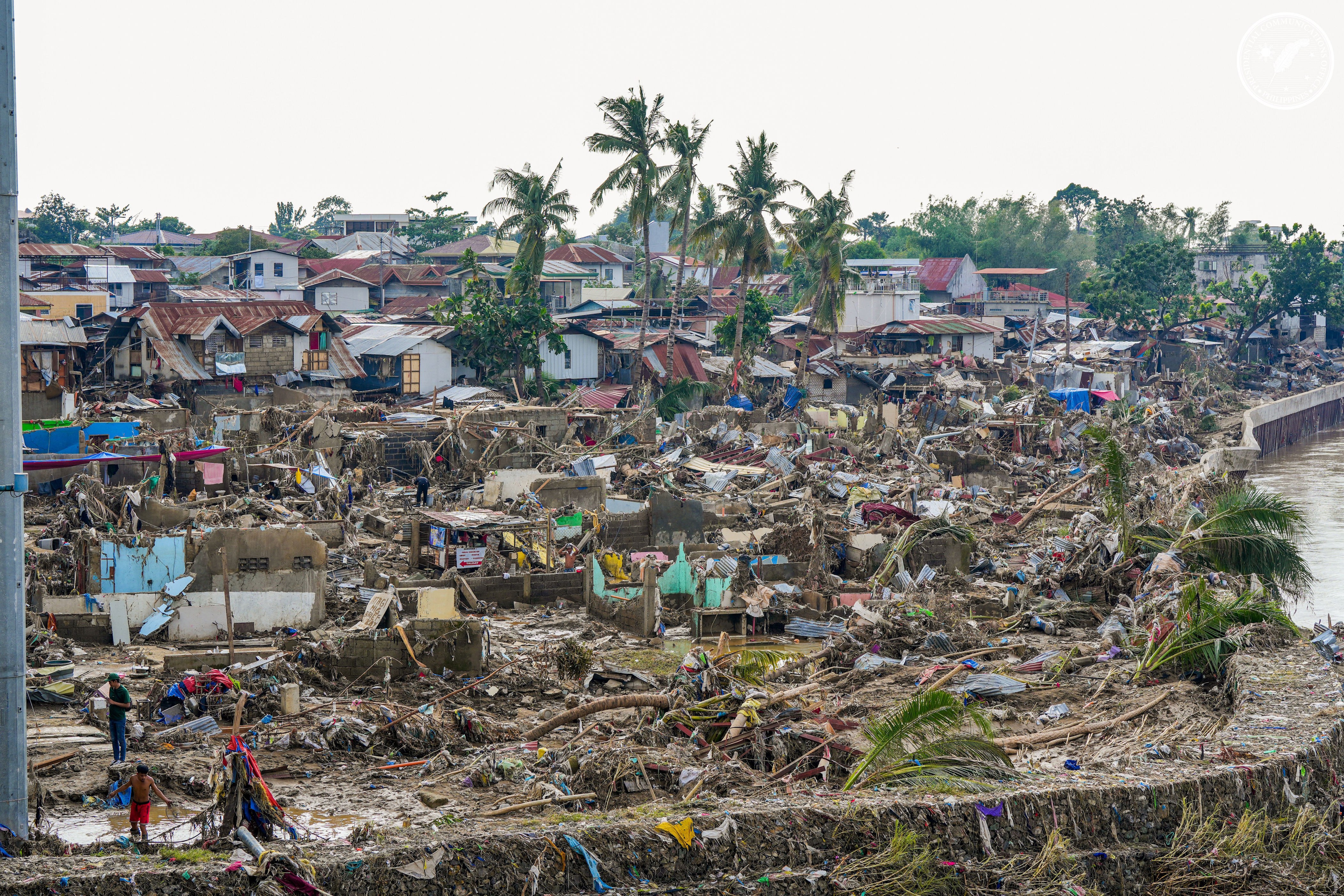
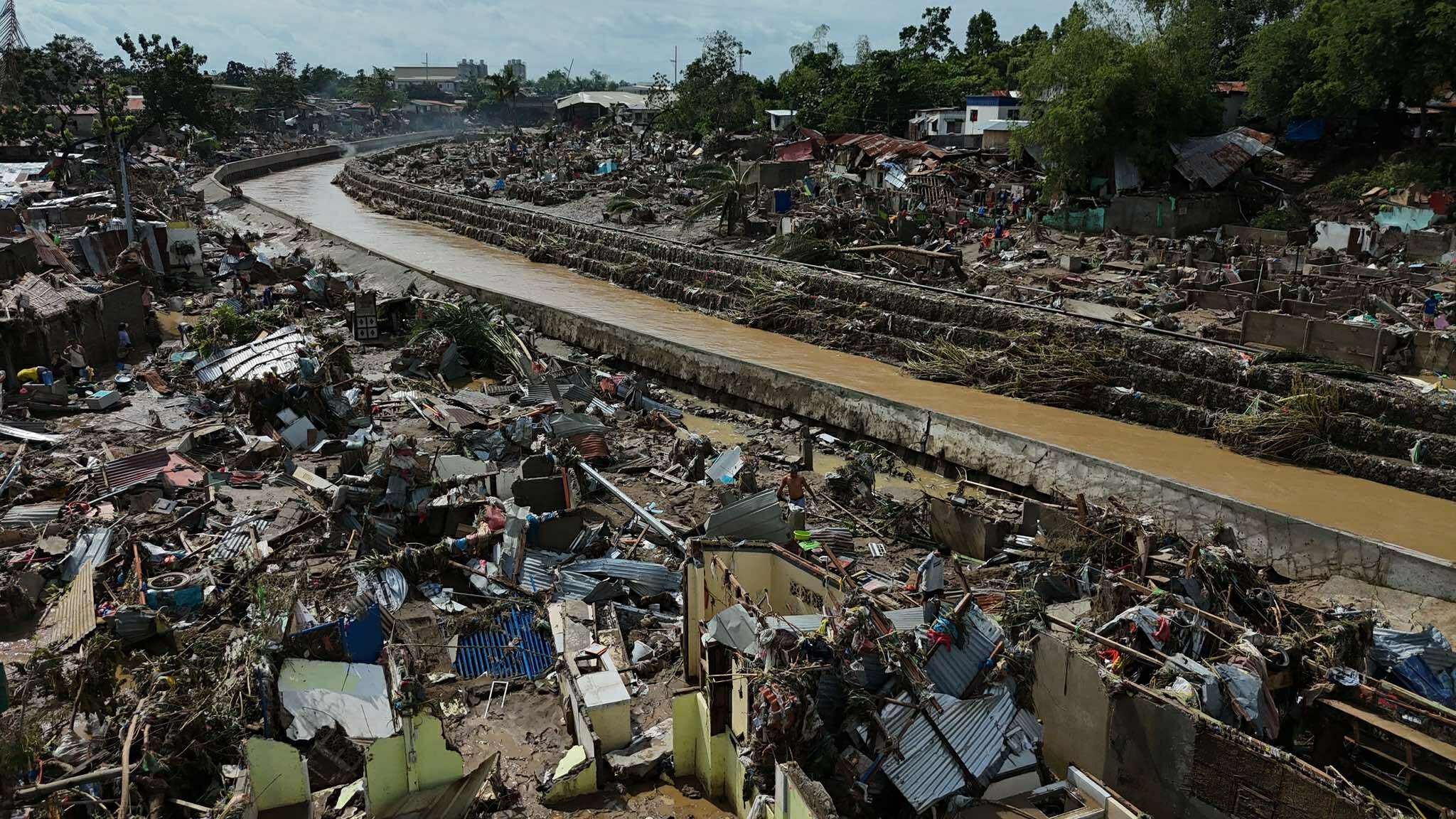
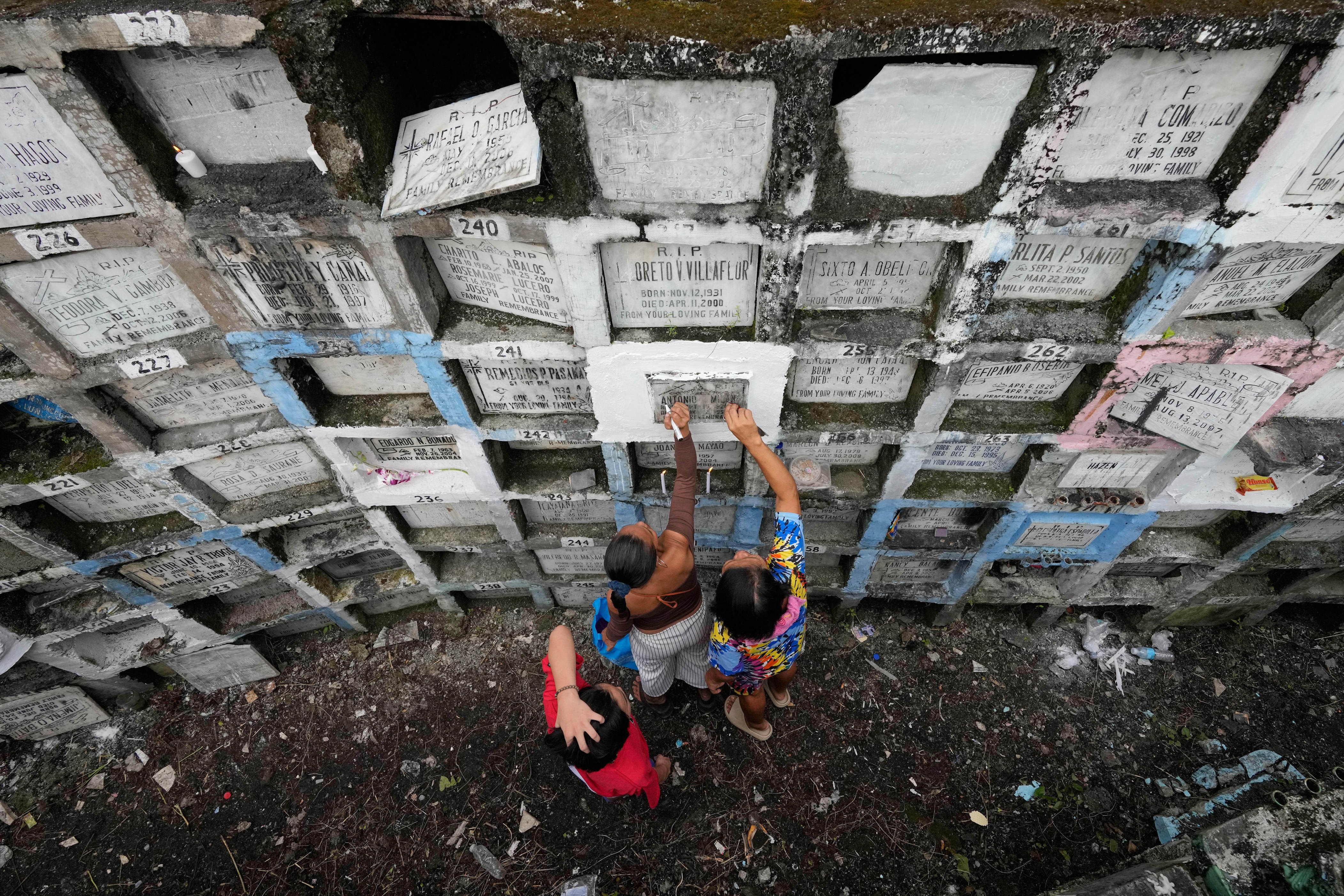
This is not the first time the Philippines has faced a major typhoon this year. Just days before Fung-wong, Typhoon Kalmaegi left 204 people dead in the Philippines before moving on to Vietnam, where it claimed five more lives and destroyed hundreds of coastal farms and fishing boats.
Key Points
- Super Typhoon Fung-wong makes landfall in the Philippines.
- Over one million people are evacuated as the storm intensifies into a super typhoon.
- The path of Super Typhoon Fung-wong is being closely monitored.
- More than 300 flights have been canceled amid the extreme weather.
- At least two people have died as the super typhoon makes landfall on Sunday.
- Pope Leo offers prayers for the Philippines.
Impact and Evacuation Efforts
The storm has brought life-threatening conditions, with PAGASA warning of "destructive Typhoon-force winds" in northern and central Luzon. The storm is expected to track west-northwest towards Aurora and the Polillo Islands, with "extreme impacts" anticipated.
There is a risk of coastal flooding and storm surges—similar to a tsunami—with peak heights exceeding 3.0 meters within the next 48 hours over low-lying or exposed coastal communities. These include areas such as Ilocos Region, Cagayan Valley, Central Luzon, Metro Manila, CALABARZON, Bicol Region, most of MIMAROPA, Northern Samar, Eastern Samar, Aklan, Antique, Guimaras, Negros Occidental, Negros Oriental, Dinagat Islands, Siargao and Bucas Grande Islands, and most of Zamboanga Peninsula.
Two people have already lost their lives due to the storm. One was a villager who drowned in flash floods in Catanduanes, while another person died in Catbalogan city when hit by debris.
Preparations and Warnings
Philippine President Ferdinand Marcos Jr. has declared a state of emergency due to the extensive devastation caused by Typhoon Kalmaegi and the expected calamity from Fung-wong. Defence Secretary Gilberto Teodoro Jr., who oversees the country’s disaster response agencies and the military, has warned about the potentially catastrophic impact of Fung-wong.
He emphasized the importance of preemptive evacuation, stating that refusing to comply with evacuation orders is dangerous and unlawful. “We ask that people to preemptively evacuate so that we don’t end up having to conduct rescues at the last minute, which could put the lives of police, soldiers, firefighters and coast guard personnel at risk,” he said in a public address.
More than 30 million people could be exposed to hazards posed by Fung-wong, according to the Office of Civil Defence. The storm could affect a vast expanse of the country, including Cebu, the central province hit hardest by Typhoon Kalmaegi, and metropolitan Manila, the densely populated capital region.
Path and Future Outlook
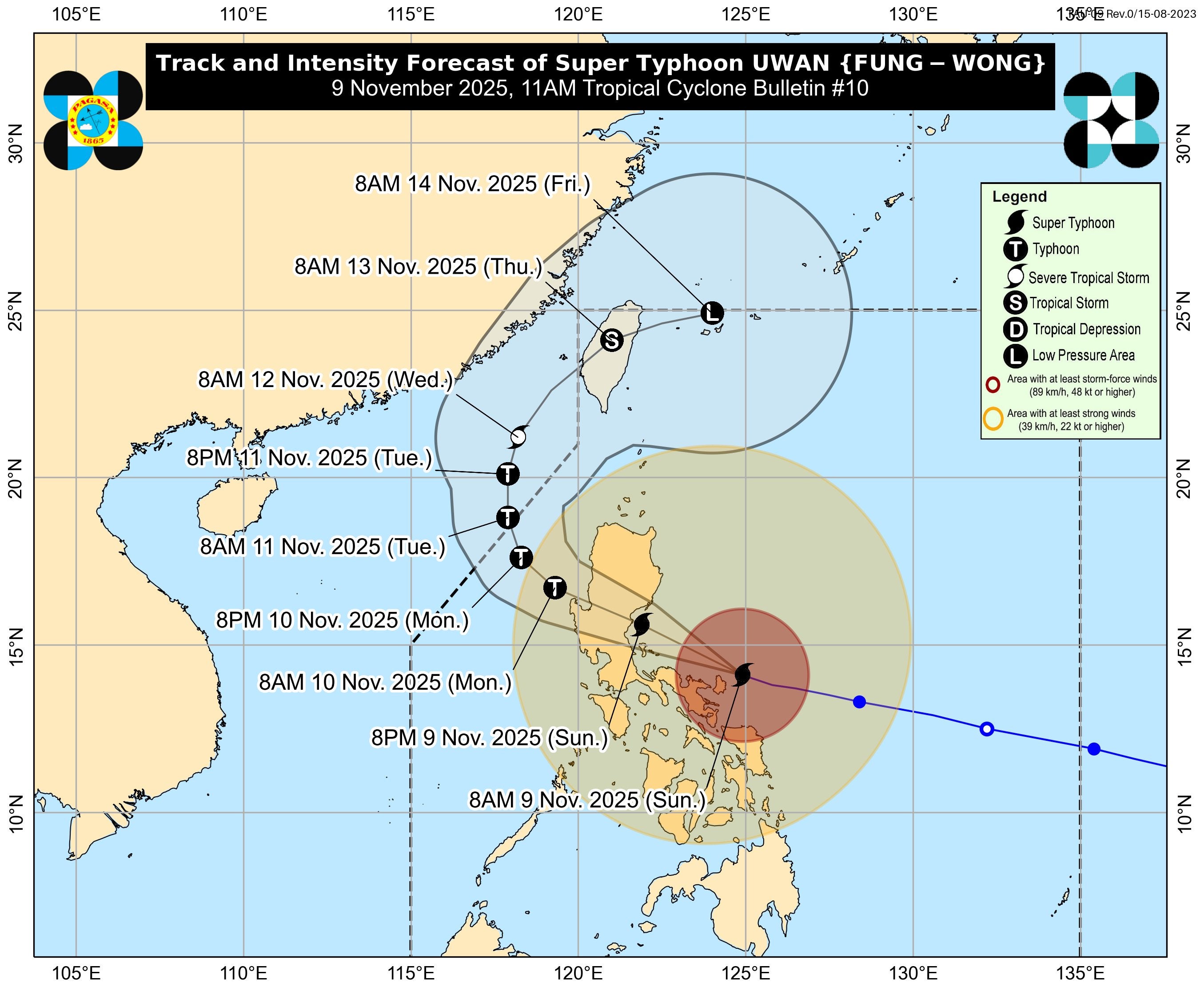
Super Typhoon Fung-wong is expected to approach Taiwan early next week, with the Central Weather Administration (CWA) warning of heavy rain and strong winds, particularly in northern and eastern regions. The storm, located about 1,070 km southeast of Eluanbi on Sunday, is moving west-northwest at around 30 km/h with maximum sustained winds of 173 km/h and gusts up to 209 km/h.
After skirting Luzon in the Philippines, Fung-wong is forecast to enter the South China Sea before possibly turning northward toward Taiwan. The CWA said rainfall could reach disaster levels in some areas due to interaction with seasonal northeast winds, though the storm may weaken as it nears the island.
Human Stories Amid the Chaos
In Isabela in northern Luzon, dozens of families were sheltering in a basketball court repurposed as an evacuation center. Christopher Sanchez, 50, who fled with his family, shared his fears: “We heard on the news that the typhoon is very strong, so we evacuated early.” He explained that they left their belongings on the roofs of their houses since they live next to a river, and in previous storms, the floodwaters rose above human height.
“We’re scared,” he said. “We’re here with our grandchildren and our kids. The whole family is in the evacuation area.”
Conclusion
As Super Typhoon Fung-wong continues its path across the Philippines, the country remains on high alert. With the potential for catastrophic damage, authorities are urging residents to follow evacuation orders and take necessary precautions. The situation highlights the vulnerability of the Philippines to natural disasters, a country that experiences about 20 typhoons and storms each year.
Map of Super Typhoon Fung-wong's Route
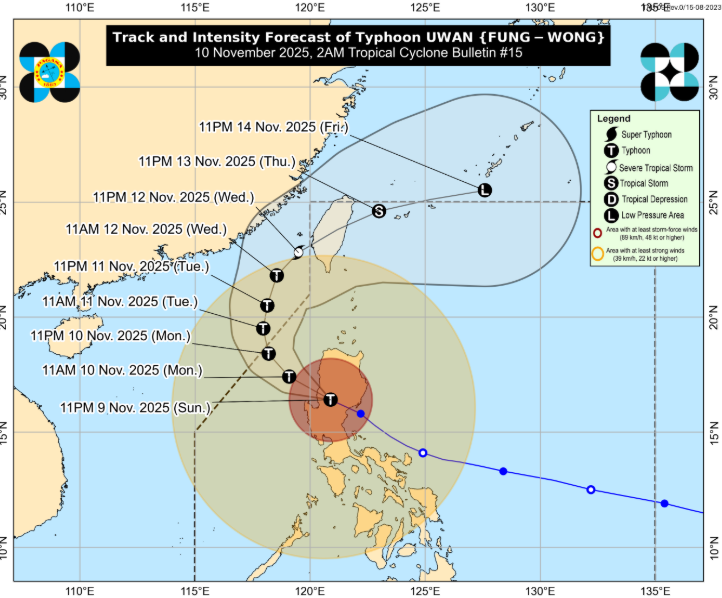
Forecast and Impacts
Super Typhoon Fung-wong is expected to make landfall in Aurora province late Sunday before moving toward the South China Sea. The storm is forecast to weaken gradually as it heads toward southern China and Taiwan in the coming days. Winds near the center are reaching 185 km/h (115 mph), with gusts of up to 230 km/h.
Ongoing Challenges
The Philippines is still reeling from the devastation caused by Typhoon Kalmaegi, which left at least 224 people dead in central island provinces on Tuesday before pummeling Vietnam, where at least five were killed. The country is also prone to earthquakes and has more than a dozen active volcanoes, making it one of the world’s most disaster-prone countries.
Final Updates
More than 916,860 people were evacuated from high-risk villages in northeastern provinces, including in Bicol, a coastal region vulnerable to Pacific cyclones and mudflows from Mayon, one of the country's most active volcanoes.
With the continued threat of Super Typhoon Fung-wong, the Philippines remains in a state of emergency, and the focus remains on ensuring the safety of its citizens.

Post a Comment for "Typhoon Fung-wong Hits Shore at 143mph – Live Updates"
Post a Comment