
Why Eating Alone Varies Across Cultures
The American Solo Dining Explosion
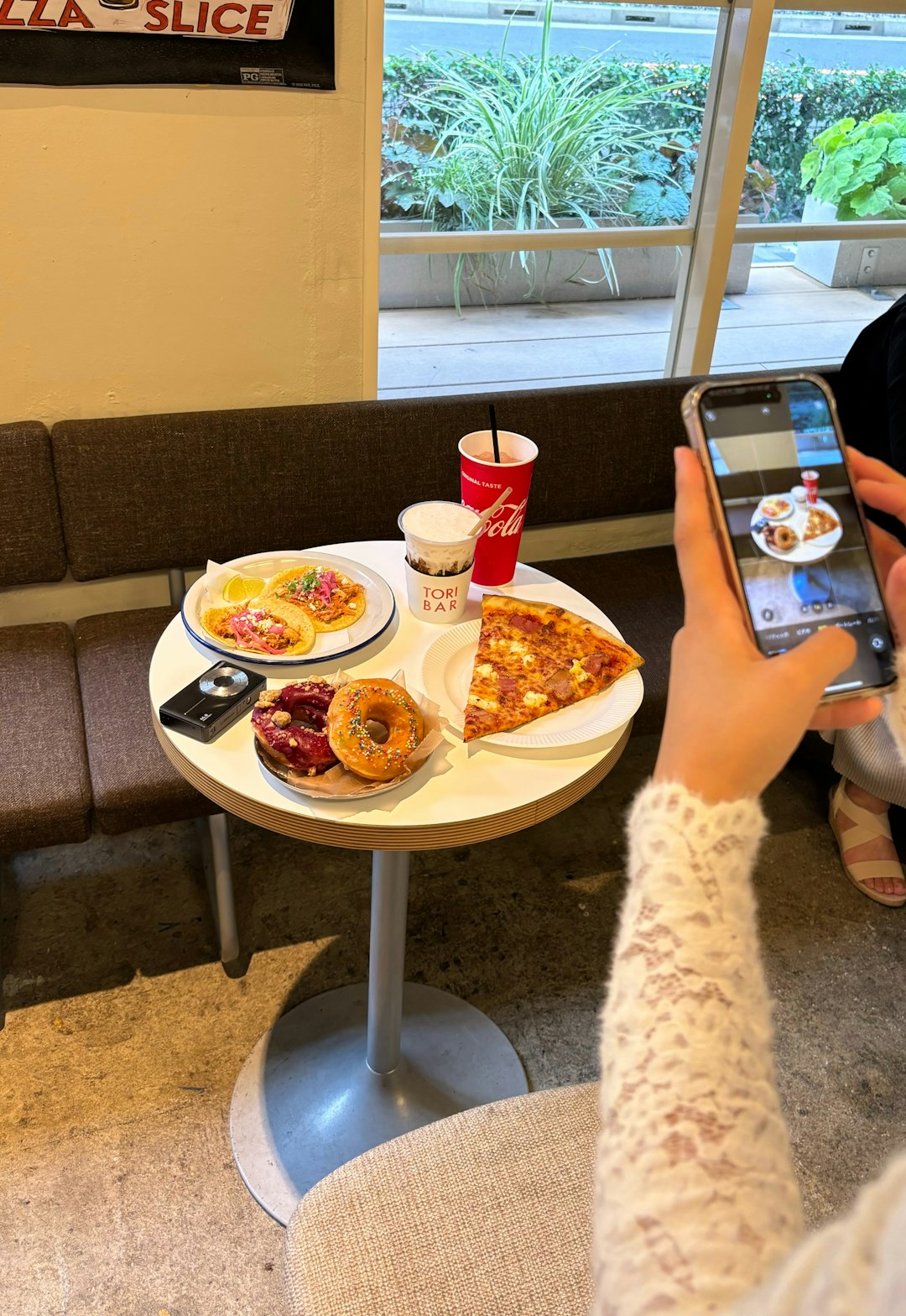
The numbers are striking: in 2023, about one in four Americans ate all of their meals alone the previous day, marking a 53 percent increase since 2003, with 25% of 18-to-24-year-olds eating all three meals alone. This isn't just a minor dietary shift but a fundamental transformation of American eating culture.
Solo dining has become more common across all age groups, but the increase is most significant among those under 35, representing virtually a doubling of what it was two decades ago. Consumer research from OpenTable and Kayak in 2024 indicated that the top reason for considering eating alone in restaurants was to get more "me time."
The pursuit of personal space has become a driving force behind this cultural shift. Technology plays a crucial role in this transformation. The introduction of smartphones and social media has exacerbated the problem, with 98% of 18-to-29-year-olds having a smartphone, which are "distracting us from other human beings in the room" and serving as "an excuse to not have to talk to people."
This digital buffer has made solitary dining more comfortable and socially acceptable than ever before.
South Korea's Honbap Revolution
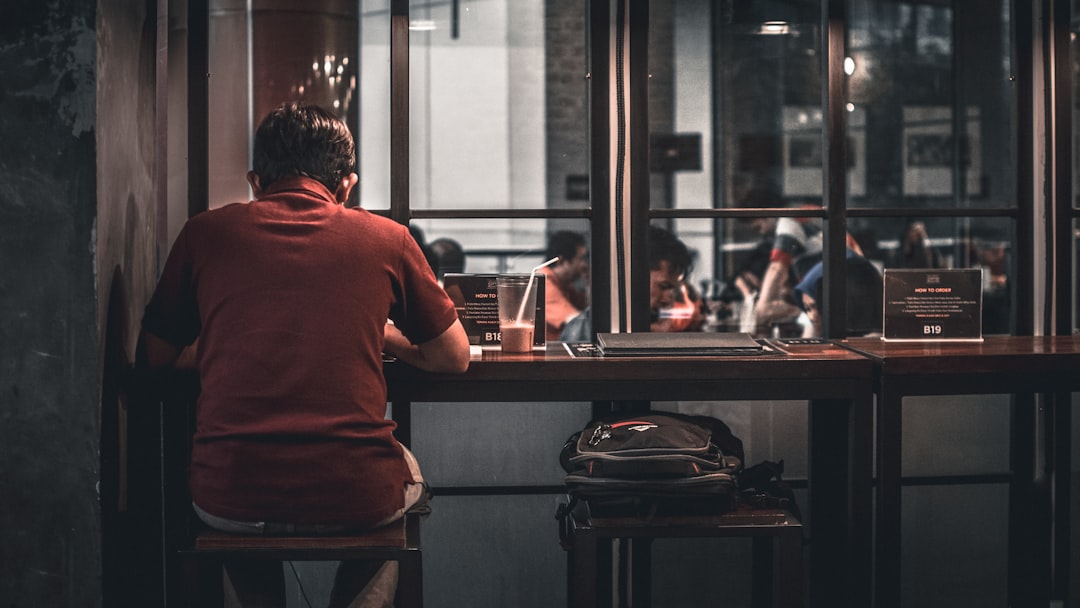
Currently, more than one-third of people live alone and eat approximately half of their meals in solitude in South Korea. This dramatic shift has given birth to "honbap," a portmanteau combining "honja" (alone) and "bap" (meal), representing far more than just eating solo.
Just a few years ago, sitting down to a quiet meal by yourself in South Korea could solicit curious stares and looks of pity and judgment, as in a country where people maintain an intricate web of relationships, such an act could be akin to social suicide. Eating alone is now seen by many young Koreans as a revolutionary and defiant act, with businesses supporting this trend through a "hon-conomy" where doing things alone is presented not as embarrassing, but cool.
Korean media attributes the increase in honbap to changes including society becoming more competitive, growth of individualism, and increasing single-person households, with the trend initially becoming popular among university students under high stress due to job market competition. Seoul is experiencing an influx of honbap-friendly restaurants where hotpot, ramen, and Korean barbecue have been scaled down for solo diners, with establishments like Dokgojin featuring rows of individual booths equipped with televisions and portable gas stoves.
Mediterranean Family Meal Traditions
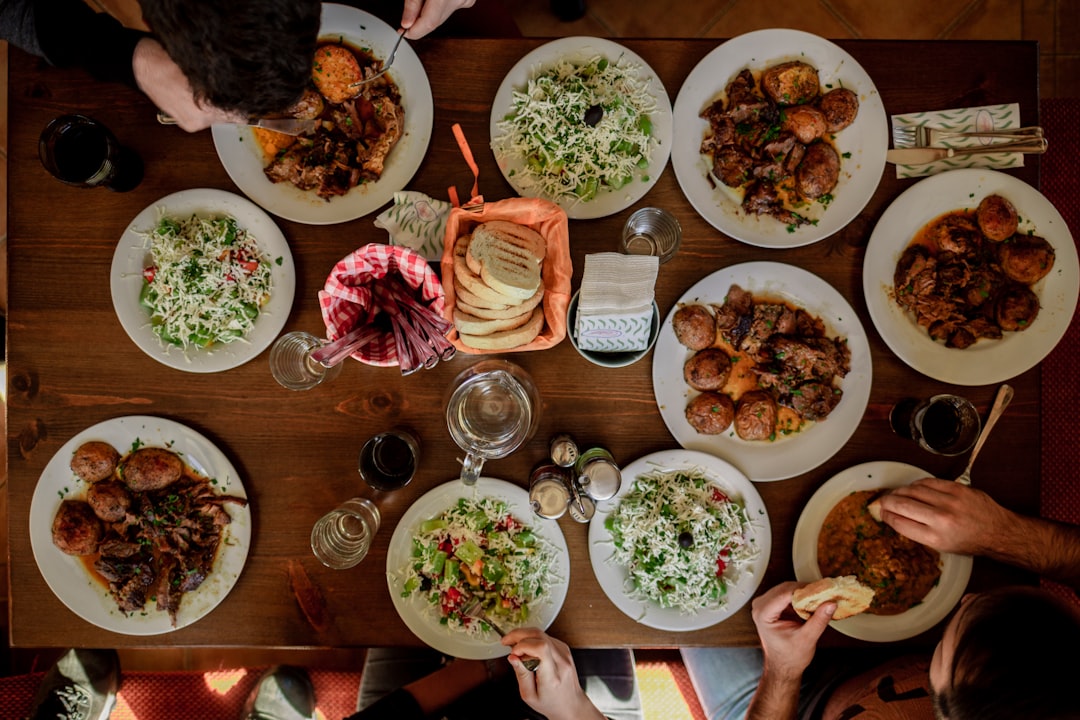
Conviviality in the Mediterranean Diet has different characteristics to family meals, involving the enjoyment of sharing a table and food with significant people, relating to "how" we eat and to the pleasure of sharing meals. Eighty-five percent of French households comprising at least two people typically have dinner together, most of the time with family members and at home.
Eating together as a family is a common trend among Mediterranean countries, including Italy, Spain, and the Maghreb countries. Parents reported that family meals were an ideal setting for educating their children and imparting cultural and social values, describing them as "a meeting place, a place for thinking about day-to-day life, about what's happening in the city, in the country, in the world" as well as "about what's happening at home and what's happening to them outside it."
Parents expressed satisfaction about the usefulness of these moments and specifically enjoyed that all family members conversed, since the rest of the time everyone tended to go their separate ways, with one parent noting "For me, [family meals] are almost paramount, because it is the time when we can communicate." Research shows that parents agreed when they ate alone they ate faster than during family meals, with some trying to read to slow the pace down, pointing out that during family meals they tended to eat slower, in a more calm and relaxed way.
The Health Consequences of Eating Alone

Research found that the diet quality of people who eat alone was lower than that of people who eat together in both male and female participants. Studies show that those who eat with others are happier, more satisfied with life, more trusting, have more friends, and are more engaged in their communities, while social isolation can lead to loneliness, cardiovascular health risks, depression, and anxiety.
The largest and most robust evidence to date shows that sharing meals with others is strongly predictive of greater life evaluations, increased positive affect, and decreased negative affect, while dining alone is at least as strongly associated with low levels of wellbeing. The relationship between sharing meals and life evaluations, as well as positive affect, is stronger for younger people than older people, with much greater differences in life evaluations and positive affect found when comparing young people who dine alone versus those who share meals.
The number of meals shared with others is "as predictive of their life satisfaction, essentially their overall well-being" as employment status or relative income. Surveys show that Koreans who eat alone pay more attention to comfort and functionality than nutrition, taste, or tradition, with fried eggs becoming the most popular meal for honbapers, while research shows those who share meals tend to eat more nutrient-rich foods, have better self-esteem, less depression, and healthier body weight.
Research indicates that people who dine alone tend to have poor health due to irregular meals and social phobia.
Technology's Role in Solo Dining Culture
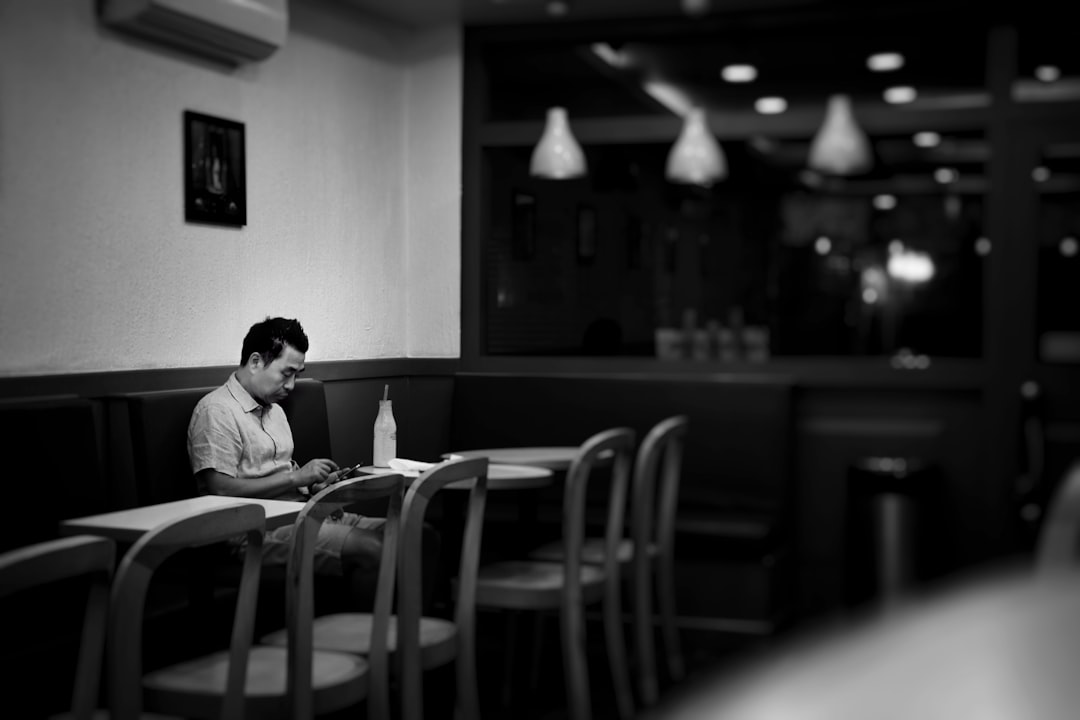
Food-delivery apps, online streaming services, and the fast food industry are turning eating alone into a more enjoyable activity, with "primary eating" (eating together with other people) declining while "secondary eating" (eating while doing other things) is on the rise. Surgeon general Vivek Murthy observed from American college campuses that "the default now is that you do not speak to people when you go into a dining hall and you sit by yourself."
American sociologist Eric Klinenberg notes that "our species has about 200,000 years of experience with collective living, and only about fifty or sixty years with our experiment in going solo on a massive scale," making it no surprise that solo dining trends like honbap are just beginning to surface, especially with social media's explosive rise.
Social media has fueled solo dining popularity in South Korea, with vlogs and reels commonly showing people traveling and dining at restaurants alone. In shops it's now easier to find kitchenware for one person, mini-dishwashers, and special deals on single-portion prepared foods, with more honbap restaurants opening and offering single-seating tables each set up with plexiglass barriers.
The rise of honbap and honsul suggests Koreans are increasingly willing to pay for privacy, self-care, and convenience, with an emerging segment prioritizing personal space and freedom to set their own pace despite the country's emphasis on group identity.
Economic Forces Driving Solo Culture
16 million, with this increase along with proliferation of "me-time" and self-care culture creating an environment where honbap would thrive. 9% of household heads under 39, but projections for 2045 expect one-person households of those above 60 to increase by 54%.
As single-person households grow, honbap and honsul are established as universal cultures, leading the food and beverage industry to reduce product sizes and sell in small packages, with the market for one-person household marketing accounting for most consumer spending, offering products suitable for eating alone in moderate amounts for two to three servings. Some university students want to save lunch time by eating alone to use that time for professional development like learning English or taking certification courses, with some language institutes offering lunch time classes that serve light lunches.
1% eating alone to save time. Busy and fast-paced lifestyles in Korea influenced solo dining as most Koreans have tight schedules and can't find time to meet friends, with some leaving work late and eating alone at restaurants or convenience stores before going home.
Global Variations in Eating Patterns
Surveys show that almost half of all adult American meals are consumed alone, while one-third of Europeans eat all their meals alone. 5 daily meals in the USA.
Globally, meal-sharing varies with Latin America leading in social dining at nine shared meals weekly, while South Asia ranks lowest with fewer than four, highlighting cultural and regional differences. While residents of some countries share almost all their meals with other people, residents of other countries eat almost all meals alone, with these differences not fully explained by differences in income, education, or employment.
In parts of East and South Asia, cultural differences may play a role, as some respondents in the World Happiness Report did not consider family members or household members as "someone they know" in a social context. Countries where people share more meals have higher levels of social support and positive reciprocity, and lower levels of loneliness. According to the 2022 Gallup World Poll, Koreans eat with others four times each week, with people in Korea only eating about two dinners and four lunches with other people weekly.
The Psychology Behind Solitary Meals
Many Australian and Japanese young adult participants associated eating alone with both pleasure and stress of being isolated from others, though comparison between groups showed cross-cultural variations and complexity in eating alone contexts including locations, timings, and associations with healthy/unhealthy eating. In a survey of 1,593 respondents between ages 20 and 30, 53% replied positively about preferring to spend time alone, with over 73% of those choosing solitude admitting they were satisfied with their life.
8% said no. Many Koreans are increasingly dining alone not out of loneliness but because it brings happiness and peace, viewing it as me-time when they can have a sense of freedom. The rise of solo dining and drinking parallels growing discussions about mental well-being in Korea, as for some, eating alone can be a way to escape social pressures or a conscious choice to enjoy meals without judgments or obligations. Some people enjoy eating lunch alone during weekdays, preferring not to eat with coworkers as this usually means talking about work or personal lives, which isn't what they want during lunch breaks, considering it break time to relax and eat in peace.
The Future of Dining Culture
Americans are increasingly eating meals alone across all age groups, particularly among younger individuals, signaling a potential decline in social connections with significant implications for individual well-being and broader societal cohesion, with this trend being particularly pronounced among those under 35. Whether one dines alone out of preference, convenience, or necessity, the honbap and honsul phenomenon points to a Korea in flux where solitary moments can be just as significant as those shared in a crowd.
Solo dining isn't sad but rather the reality of our present, with restaurant culture and the rise of honbap starting to catch up to this reality, though it's up to singletons to make themselves visible and heard by talking about their experiences as solo diners to carve out spaces at the table. Korea's honjok culture continues to increase and evolve, with the importance of "one-person system" growing beyond one-person households, and honjok expected to grow as it combines with the "solo economy" and YOLO consumption trends.
Some believe phenomena like honbap result from a system constantly seeking our money and attention, arguing that forcing people to eat alone rather than with others will destroy shared food culture heritage, while others celebrate the freedom from oppressive traditions that solo eating offers, mourning the loss of shared culture and history, with both sides likely having valid points. Cultural individualism has been identified to modify the relationship between loneliness and health outcomes, something that may also apply to eating alone.
The transformation of eating culture reveals deeper shifts in how we prioritize individual autonomy versus collective connection. Whether this trend toward solitary dining represents liberation from outdated social expectations or a concerning erosion of community bonds likely depends on your cultural perspective and personal values. What remains clear is that the simple act of sharing or not sharing a meal continues to serve as a powerful mirror reflecting our evolving societies and changing definitions of fulfillment. What do you think about this cultural shift? Are we gaining valuable personal freedom or losing something essential about human connection? Tell us in the comments.

Post a Comment for "Why Eating Alone Varies Across Cultures"
Post a Comment