
Why Federal Judges Slowed Texas Redistricting: Analysis
The Federal Judges' Decision on Texas' Congressional Map
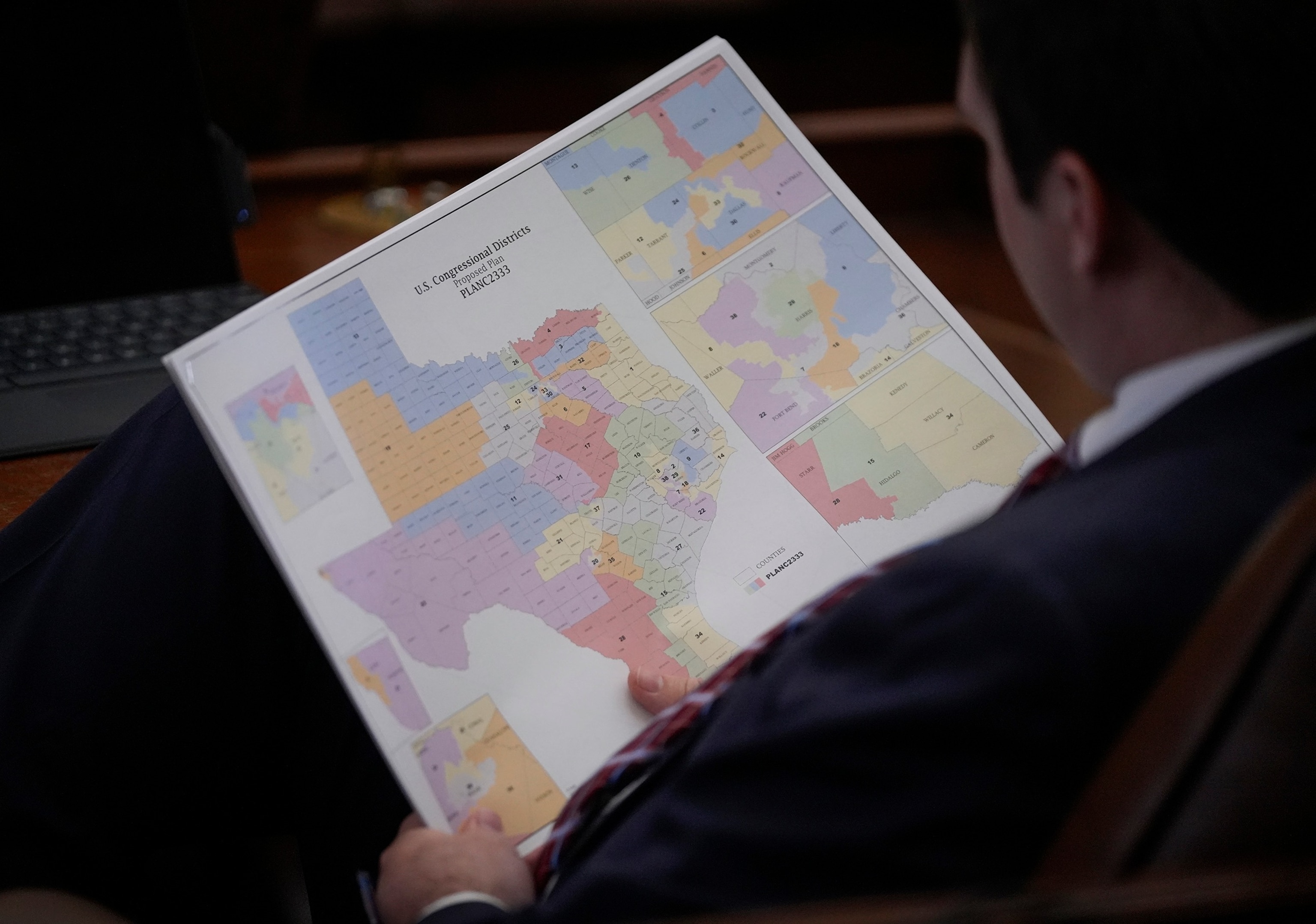
A panel of federal judges made a significant decision on Tuesday, blocking Texas' redrawn congressional map. This 160-page opinion is a detailed account of a political misstep by the Trump administration and Texas Republican officials. Since the Supreme Court's 2019 ruling in Rucho v. Common Cause, the federal judiciary has effectively allowed for partisan gerrymandering. The court declared that even the most aggressive, self-serving maps are "political questions" beyond federal review. In practical terms, this ruling created an environment where opportunists can maximize partisan advantage by drawing districts to entrench their party, knowing that federal courts will not intervene.
Mid-Decade Redistricting and the Midterms
The impact of redistricting on the battle for the U.S. House cannot be overstated. Against this backdrop, the ruling in the Texas case stands out as particularly striking. It is clear from the court's opinion that neither Texas politicians nor the Trump Justice Department fully understood how much room the current legal structure leaves for nakedly partisan, avowedly spoils-grabbing gerrymandering. As a result, both felt compelled to try to mask their motives by advancing what the court saw as disingenuous race-based concerns.
Key Difference Between Partisan and Racial Gerrymandering
The backbone of the court's 2-1 majority opinion lies in the sharp doctrinal divide between partisan and racial gerrymandering. After Rucho, partisan gerrymandering is legally unchecked. A legislature intent on cementing partisan control can pack, crack, and slice the electorate for partisan ends with impunity. Courts cannot intervene. According to the court's opinion, Texas, however, crossed a constitutional line that remains enforceable: racial gerrymandering. The opinion highlights that even in a post-Rucho world, states cannot sort, fracture, or dilute voters based on race. Texas, the majority found, did precisely that.
Racial Gerrymandering Remains Prohibited
Racial gerrymandering remains prohibited by the Constitution's Equal Protection Clause and the Voting Rights Act. Federal courts will still scrutinize motives, examine detailed evidentiary records, and strike down maps where race predominates—particularly when the state invokes "partisan intent" as a post-hoc shield. The Texas ruling serves as a reminder that this line, although narrow, is real.
DOJ Letter at Center of Case
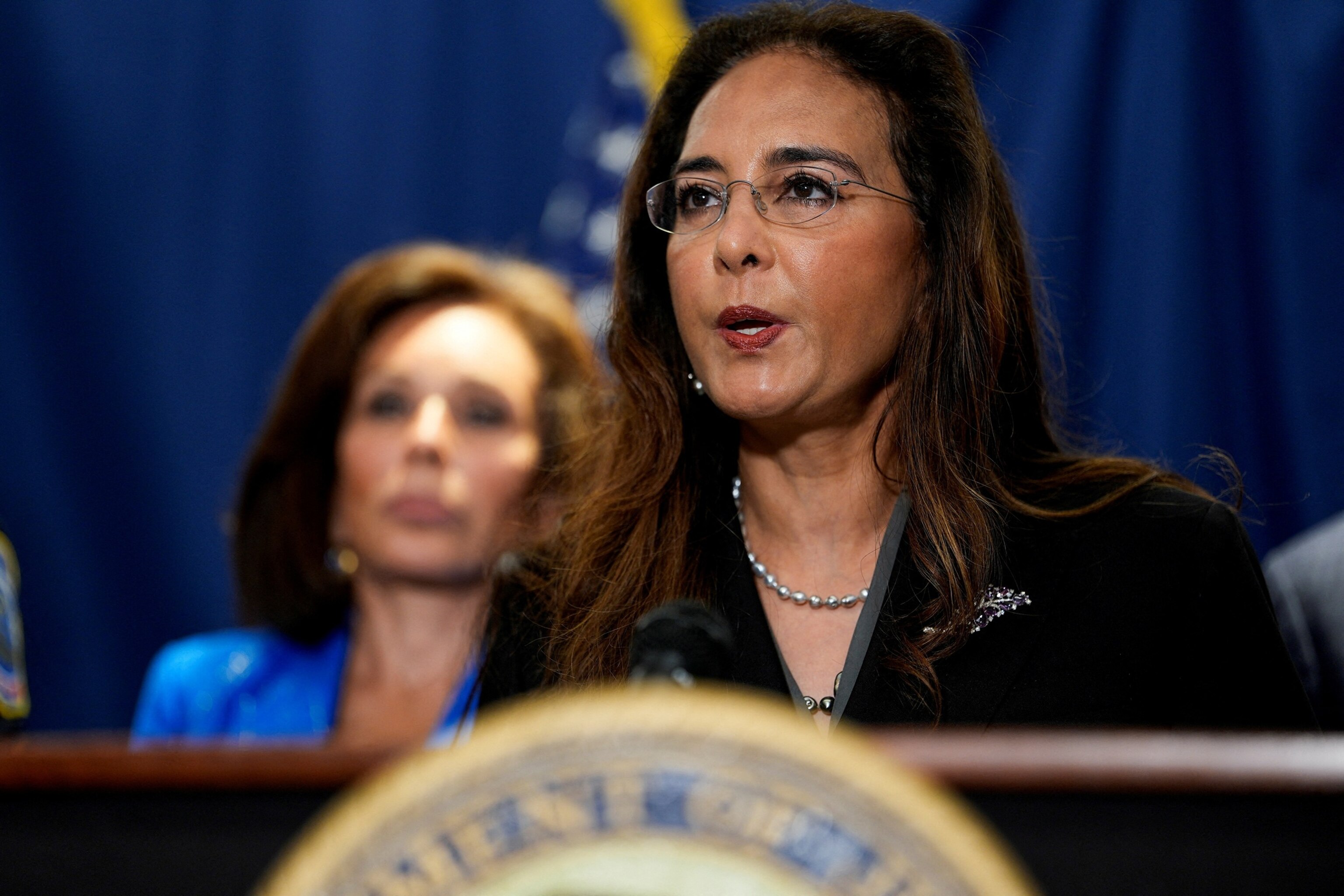
At the center of the case is a July letter sent by the Department of Justice, signed by Assistant Attorney General for Civil Rights Harmeet Dhillon. The letter claimed that several Texas "coalition districts"—where white voters are not a majority, but Black and Hispanic voters together form an effective voting bloc—were legally suspect. U.S. District Judge Jeffrey Brown, who wrote the panel's opinion, rejected the DOJ's theory outright, calling it "legally incorrect," and noted "numerous factual, legal, and typographical errors."
State's Response and Testimony
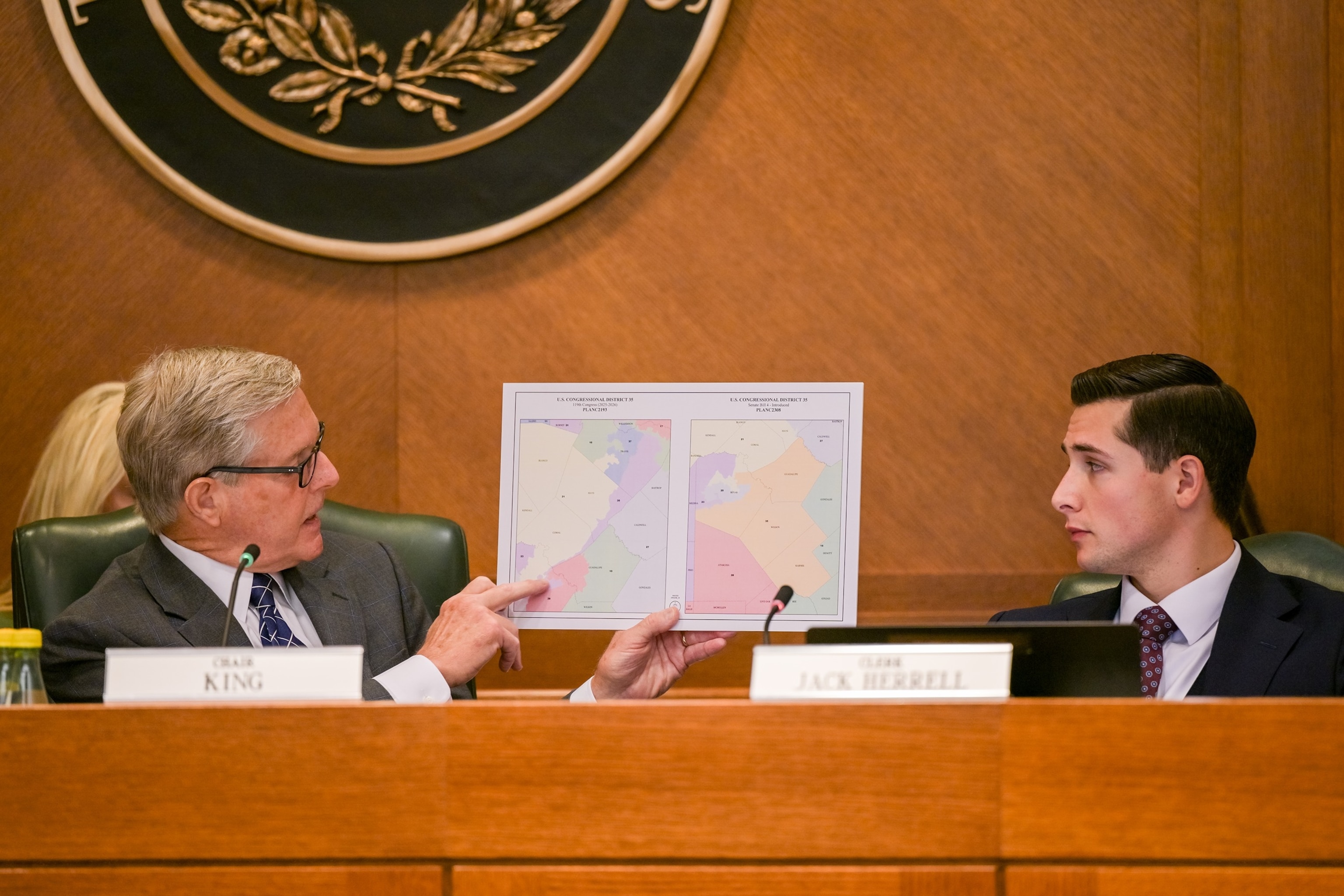
Yet the majority emphasized that what mattered was how Texas responded. Gov. Greg Abbott cited the letter explicitly when he revived redistricting in a special legislative session. Legislative leaders repeatedly referenced DOJ's racially framed "concerns." And, crucially, the DOJ letter made no mention whatsoever of partisan issues. Its focus was exclusively racial. This, the panel found, made the state's insistence that race "never entered the room" impossible to credit.
The court's discussion of the state's testimony is especially unsparing. GOP redistricting consultant Adam Kincaid told the court that he drew the 2025 map "blind to race." The panel described that claim as "extremely unlikely," pointing to documentary evidence that he reviewed the DOJ letter before it was sent, communicated with White House officials via auto-deleting Signal messages, and—unlike in the 2021 cycle—received no instructions to preserve minority districts.
National Implications
The ruling has national implications. Texas' map was the centerpiece of a broader effort by President Donald Trump and allied strategists to push Republican-controlled states into mid-decade redistricting before 2026. The five new GOP-leaning districts Texas created were the single biggest projected gain in that strategy. Similar efforts are in motion in Missouri, North Carolina, and Indiana.
Today's ruling disrupts that trajectory and reshapes the national electoral battlefield. More broadly, the opinion demonstrates that racial-intent challenges remain a potent—if narrow—tool in the post-Rucho landscape. With federal courts closed to partisan claims, plaintiffs increasingly rely on racial-predominance arguments.
What Will the Supreme Court Do?
Abbott has said the state will appeal immediately. And given Trump's consistent success before the Supreme Court in politically consequential cases over the past several years, state officials are likely to view the high court as a receptive forum. Famously, Justice Felix Frankfurter asserted that the "Court should not be ignorant as judges of what we know as men." Here, that reasoning may help the majority rationalize that the true purposes were allowably partisan rather than racial in nature.
But unless the justices intervene, Texas will enter 2026 under its prior map. And the ruling will stand as a pointed reminder: even in an era where partisan gerrymandering is beyond judicial scrutiny, states can be found to have violated the Constitution by allowing race—not politics—to drive the mapmaking process.

Post a Comment for "Why Federal Judges Slowed Texas Redistricting: Analysis"
Post a Comment