
Wyoming's Tax Fears Threaten Highway System
A Look Back at Wyoming's Highway Funding Dilemma
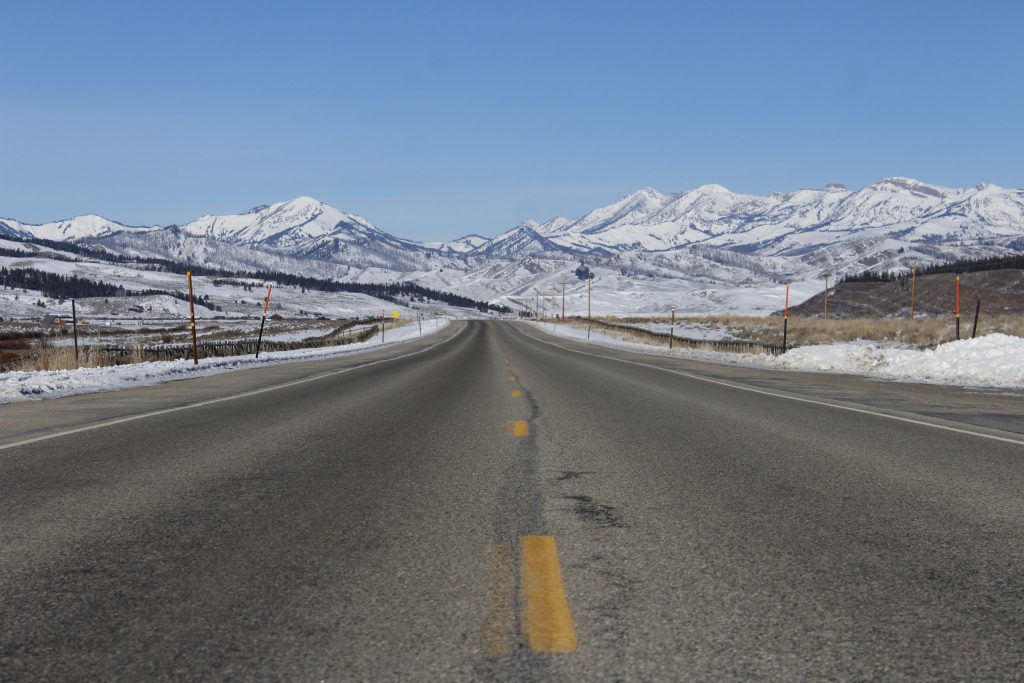
In February 2014, Wyoming was in a relatively stable financial position. The state had a budget surplus of $238 million and a “rainy day account” of $1.7 billion. Lawmakers had taken a significant step the previous year by raising the state fuel tax by a dime per gallon. This increase, bringing the total to 24 cents per gallon, was the lowest in the country and hadn’t been adjusted since 1998. Despite the unpopularity of tax increases, this move aimed to address a growing shortfall in the highway construction and maintenance budget.
The 2013 shortfall stood at around $100 million. While the fuel tax hike brought in $47 million for state roads, $16 million for county roads, and $8 million for local roads and state parks, it wasn’t enough to cover the full gap. In February 2014, the Wyoming Department of Transportation (WYDOT) requested an additional $50 million from the general fund to address its backlog of road projects.
Then-Gov. Matt Mead, who had supported the previous fuel tax increase, refused the request. This decision was seen as short-sighted given the state’s fiscal situation. As a commentator, I noted that the failure to invest in the highway system when funds were available was inexcusable. The consequences of this decision have since become apparent.
The Current State of Highway Funding
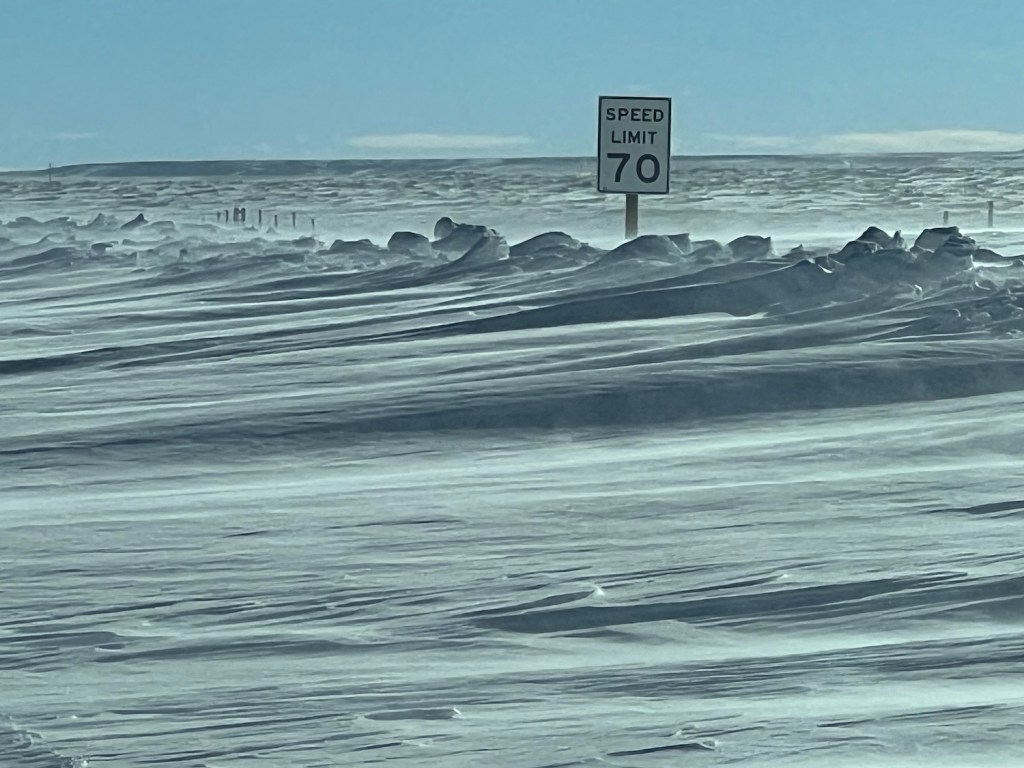
Today, WYDOT faces a staggering $400 million annual shortfall in state highway funding. This is particularly concerning given the harsh winter conditions that Wyoming roads must endure. Any driver who has experienced icy roads knows the stakes involved.
Despite repeated attempts to address the issue, legislative efforts have consistently fallen short. The Joint Transportation, Highways and Military Affairs Committee voted 7-5 against sponsoring a fuel tax increase. A working group proposed a draft bill to raise the tax by a dime—5 cents in 2026 and another nickel in 2028—but even this modest proposal was rejected.
There are no guarantees that the current shortfall would be as severe if lawmakers had acted differently. In 2019, WYDOT’s highway budget was only $79 million underwater. A bill to index the fuel tax to inflation—a strategy used in other states—died when it wasn’t assigned to a committee.
Wyoming lawmakers have repeatedly missed opportunities to keep tax increases out of the political equation. A variable-rate fuel tax structure could allow for sustainable gas tax revenues without the need for annual explanations of votes. Even a small three-cent-per-gallon increase in 2023 failed to gain support, despite assurances that it would not hurt anyone.
Legislative Efforts and Challenges
In the 2022 legislative session, the Transportation Committee considered two proposals to boost highway funds, but only one involved a tax increase. The more conventional measure would have increased fuel taxes by 5 cents over three years, generating significant revenue. However, it never received a vote due to lack of support from House leadership.
Another innovative suggestion came from then-Rep. Jerry Obermueller, who proposed diverting mineral severance tax monies to highways and community colleges. This bill did receive an introduction vote but fell short in the Senate.
Improving highway infrastructure remains a stated priority for legislative leadership, but the track record over the past decade shows otherwise. With the latest fuel tax increase failing to move forward, Co-chair Sen. Stephan Pappas suggested that lawmakers may be forced to use general fund dollars to cover highway costs.
The Path Forward
If the Legislature lacks the political courage to raise taxes, implement an indexing system, or redirect Permanent Mineral Trust Fund revenues, the general fund may be the only option. However, with competing demands on those funds, the highway funding crisis is likely to worsen.
Returning to the initial experiment of time travel, the $50 million WYDOT request denied by the governor in 2014 would have come from the general fund, which was deemed too important to be raided for highways. This pattern of repeating mistakes continues to haunt Wyoming.
As a long-time observer of Wyoming politics, I see a recurring theme: the state often fails to recognize or correct its errors. If Wyoming wants to avoid being known for treacherous roads and massive potholes, it must take action now. The time for meaningful change is now, before the problem becomes insurmountable.

Post a Comment for "Wyoming's Tax Fears Threaten Highway System"
Post a Comment