
You Thought These EVs Were Coming to the US, But Now They're Gone
The electric vehicle (EV) market in the United States has seen a dramatic shift in recent years. Once, car companies were racing to introduce EVs into their lineups, often reimagining classic models with electric powertrains or replacing well-known gas-powered vehicles entirely. However, this trend has started to slow down significantly.
The Cooling of the EV Market
Several factors have contributed to the cooling of the American EV market. Tariffs on EVs and essential components have skyrocketed, making production more expensive. Additionally, the $7,500 federal tax credit for EVs, which was once a major incentive, has expired. These challenges have led some automakers to scale back their EV plans.
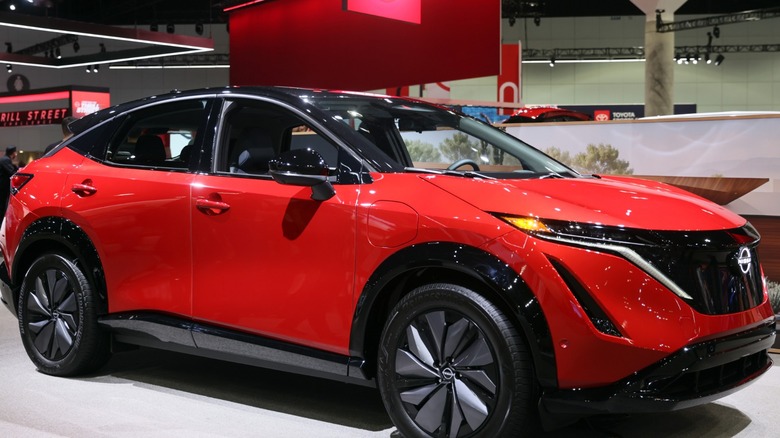
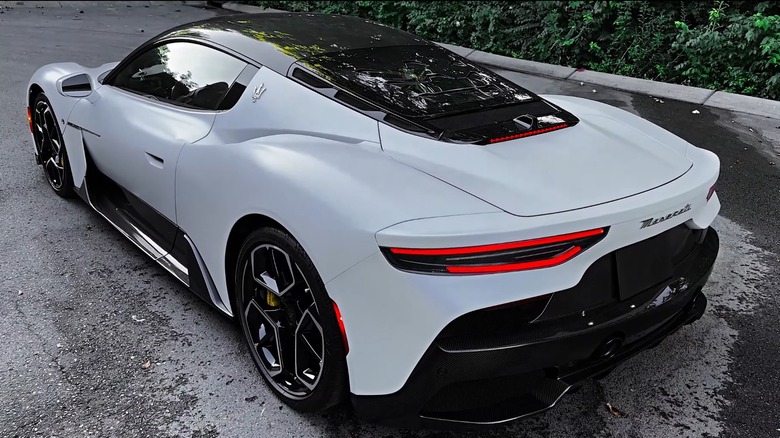
As a result, several anticipated EV models are no longer expected to reach U.S. dealerships. This includes the Dodge Charger Daytona SRT Banshee, Ram 1500 REV, an electric three-row SUV from Ford, two electric sedans from Nissan, the Maserati MC20 Folgore, a Honda three-row electric SUV, and the Volkswagen ID.7. Furthermore, there are no plans for a 2026 Nissan Ariya in the U.S., and Ford is considering canceling the F-150 Lightning.
The Tesla Roadster: A Long-Awaited Dream
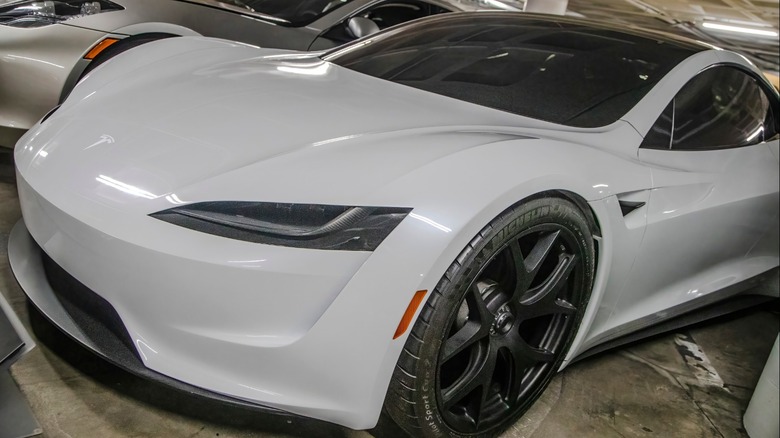
One model that has been highly anticipated is the Tesla Roadster. Despite its prototype being revealed in 2017 and initially slated for a 2020 launch, the Roadster has yet to make an appearance. Delays pushed the launch to 2021, and now, as we approach the end of 2025, it remains absent. While Tesla still allows reservations for the Roadster, the lack of updates or a new launch date has raised concerns. The company has a history of overpromising and underdelivering, leaving customers in limbo.
The Dodge Charger Daytona SRT Banshee: A Missed Opportunity
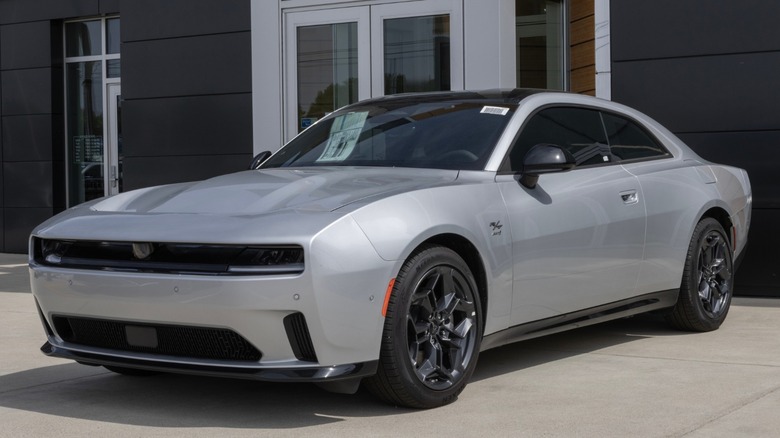
Dodge's decision to replace the iconic Charger and Challenger with electric versions sparked significant backlash. While the company eventually brought back the traditional gas-powered Charger, it also canceled the electric Charger Daytona SRT Banshee. This move highlights the tension between innovation and tradition in the automotive industry.
The Ram 1500 REV: A Shift in Strategy
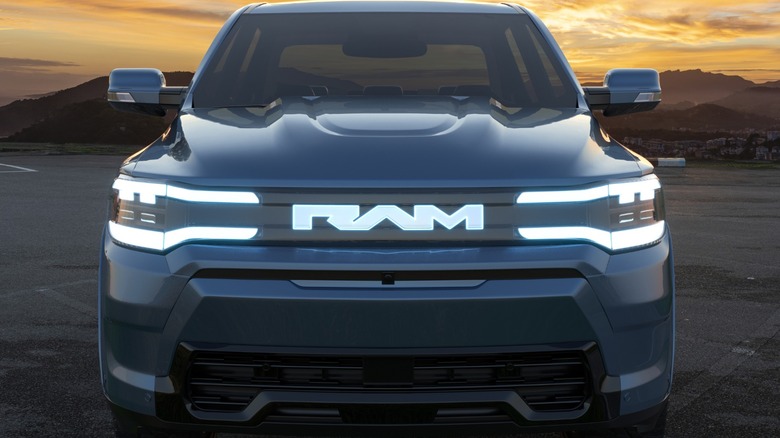
Ram initially invested heavily in its electric pickup truck, the Ram 1500 REV, even featuring it in a Super Bowl commercial. However, the project faced multiple setbacks. Plans were scaled back to a single battery version, and ultimately, the entire EV project was scrapped. Instead, the name "Ram 1500 REV" will be used for a gas-powered, range-extended pickup. This shift reflects the broader uncertainty surrounding EVs in the U.S. market.
Ford’s Three-Row Electric SUV: A Financial Dilemma
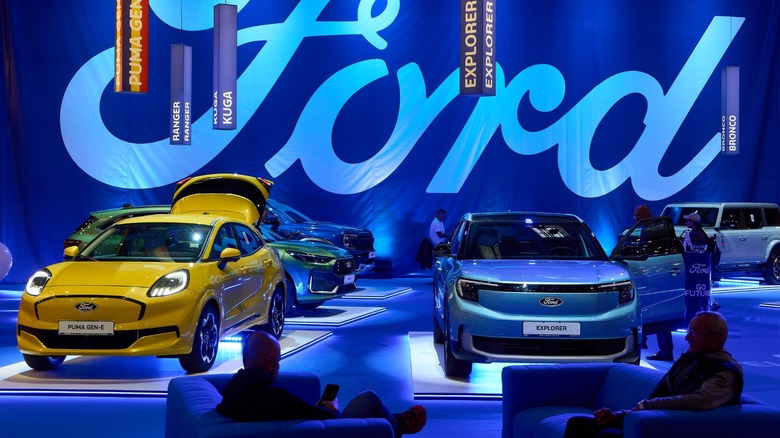
Ford had planned to introduce an all-electric three-row SUV but decided against it due to financial concerns. The company’s EV division has struggled with profitability, losing $13 billion since 2023. While Ford continues to produce the Mustang Mach-E and plans for electric commercial vehicles, the cancellation of the three-row SUV underscores the challenges of maintaining profitability in the EV sector.
Nissan’s EV Plans: Uncertainty and Delays
Nissan had ambitious plans for its Mississippi plant, including five EV models. However, the company has canceled two electrified sedans and postponed the production of two new crossover SUVs by 10 months. Additionally, the 2026 Nissan Ariya will not be produced in the U.S., leaving the Leaf as the only EV available for the 2026 model year.
Maserati’s Electric MC20: Customer Preferences Prevail
Maserati had planned to release an electric version of the MC20, the MC20 Folgore, but customer feedback indicated a preference for the traditional V6 engine. As a result, the company abandoned the electric version of the supercar, highlighting the importance of consumer demand in shaping product development.
The Future of EVs in the U.S.
While the current state of the EV market in the U.S. appears bleak, experts believe it is not the end of the road for electric vehicles. Factors such as affordability, charging infrastructure, and consumer preferences will play a crucial role in determining the future of EVs. For now, the market is shifting, and automakers are adapting to these changes.

Post a Comment for "You Thought These EVs Were Coming to the US, But Now They're Gone"
Post a Comment